
Damage Restoration in Silverthorne, CO
- Damage Restoration Services Overview
- Common Damage Restoration Issues in Silverthorne, Colorado
- Neighborhoods We Serve in Silverthorne
- Seasonal Damage Patterns in Silverthorne
- Housing Characteristics & Restoration Considerations
- Environmental Conditions & Damage Implications
- Protecting Vacant Second Homes and Short-Term Rentals
Damage Restoration Services Overview
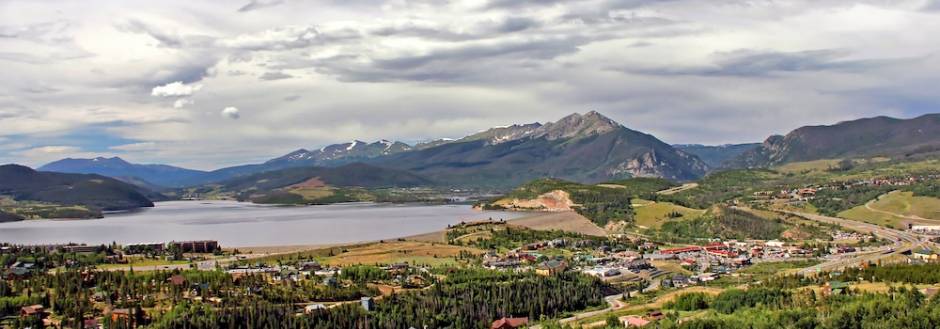
Silverthorne sits at roughly 8,730 feet in the Blue River valley, and that elevation shapes nearly every restoration job in town. Freeze-thaw cycles, snowmelt runoff from the Gore Range, and long heating seasons create damage patterns you simply don't see on the Front Range.
Property owners here rely on a full spectrum of emergency and recovery services:
- Water Damage Restoration - burst supply lines, failed water heaters, ice dam intrusion, and appliance leaks extracted and dried before structural materials swell.
- Flooded Basement - pump-out, sump failure response, and drying of garden-level and walk-out lower levels common in valley builds.
- Sewage Cleanup - biohazard removal, sanitizing, and disposal after backups, septic surcharge, or frozen vent line failures.
- Fire Damage Restoration - board-up, debris removal, soot cleanup, and structural rebuilding after wood stove, chimney, or kitchen fires.
- Smoke Damage Restoration - odor neutralization and surface cleaning after wildfire smoke infiltration or contained interior fires.
- Mold Removal - containment, remediation, and moisture-source correction in crawlspaces, bathrooms, and closed-up second homes.
The benefit of local crews is response speed. Firms serving Summit County - including SERVPRO, KW Construction & Restoration, and Kinder Restoration - operate 24/7 lines because water spreading in a mountain home at 20 degrees behaves very differently than it does at sea level.
Common Damage Restoration Issues in Silverthorne, Colorado
Frozen and burst pipes lead the list, and vacant vacation properties multiply the risk. A line that splits in January can run unnoticed for days before a neighbor or property manager finds it.
Frequent Causes of Loss
- Pipes in uninsulated crawlspaces, garages, and exterior walls freezing during subzero nights
- Ice dams on north-facing roof planes forcing meltwater under shingles and into ceilings
- Spring runoff from the Blue River and Willow Creek saturating soils and pushing water through foundation walls
- Sump pump failures during rapid May and June melt
- Sewer backups when frozen or root-blocked laterals surcharge into lower levels
- Wood stove, pellet stove, and chimney creosote fires in older cabins
- Wildfire smoke drifting into the valley and permeating HVAC systems and soft goods
- Hidden mold behind vapor barriers, tile surrounds, and under carpet in seldom-used bedrooms
Warning Signs Worth Acting On
- Musty odor that intensifies when the furnace kicks on
- Staining or bubbling paint along ceiling-wall junctions after a heavy snow
- Cupping or gapping in hardwood floors near exterior doors
- Slow drains on multiple fixtures at once - often the first hint of a lateral problem
- Soot film on window glass or a lingering campfire smell weeks after a fire
- Condensation on interior windows, a sign indoor humidity is feeding mold growth
Neighborhoods We Serve in Silverthorne
Restoration crews cover the town core and the surrounding Blue River corridor, adapting to everything from tight downtown lots to remote hillside driveways.
- Downtown Silverthorne and the Fourth Street Crossing district - mixed-use buildings and older residential blocks
- Willowbrook and Eagles Nest - larger single-family homes on sloped lots with walk-out basements
- Angler Mountain Ranch and Summit Sky Ranch - newer construction with modern mechanical systems
- Three Peaks and Ptarmigan - hillside properties with drainage and access challenges
- Wildernest, Mesa Cortina, and Buffalo Mountain - dense condo and townhome clusters where one leak affects several units
- Blue River Run, Hamilton Creek, and Bald Eagle neighborhoods along Highway 9
Service also extends north toward Heeney and Green Mountain Reservoir, and across Summit County to Dillon, Frisco, Keystone, Breckenridge, and the I-70 corridor near the Eisenhower Tunnel.
Seasonal Damage Patterns in Silverthorne
Winter (November - March)
- Peak frozen and burst pipe season, especially over holiday weeks when homes sit empty
- Ice damming after heavy storm cycles followed by sunny days
- Highest heating-appliance fire risk from wood stoves, chimneys, and space heaters
- Smoke damage from fireplace backdrafts during temperature inversions
Spring (April - June)
- Snowmelt saturates soils, driving flooded basement and crawlspace calls
- Sump pumps run continuously and fail under load
- Sewer laterals surcharge as groundwater infiltrates aging lines
- Mold growth accelerates as materials that stayed wet all winter finally warm up
Summer (July - September)
- Monsoon downpours overwhelm gutters and window wells
- Wildfire season brings smoke infiltration and HVAC contamination
- Rental turnover exposes long-hidden bathroom and laundry leaks
Fall (October - November)
- First hard freezes rupture unblown irrigation and hose bibs
- Ideal window for mold inspection, crawlspace drying, and chimney cleaning before winter closes in
Housing Characteristics & Restoration Considerations
Silverthorne's building stock splits into three eras, and each responds differently to water, fire, and mold.
1960s - 1980s Cabins and Early Condos
- Wildernest and Mesa Cortina units often feature tongue-and-groove wood ceilings that wick moisture and hold smoke odor
- Galvanized or early copper supply lines prone to pinhole leaks
- Limited insulation in crawlspaces, raising freeze and condensation risk
- Wood stoves and unlined chimneys behind many fire losses
1990s - 2000s Single-Family Homes
- Finished walk-out basements with carpet, drywall, and framed storage rooms - all high-absorbency materials
- Polybutylene or first-generation PEX in some builds
- Vaulted great rooms that spread smoke vertically and complicate drying
2010s - Present Construction
- Tighter envelopes trap humidity, so mechanical dehumidification matters more than open windows
- Radiant floor heat systems that require careful leak isolation before demolition
- Engineered flooring and spray-foam assemblies that need targeted, cavity-specific drying
Multi-unit buildings add coordination work. Water from a third-floor supply line can affect four units and shared corridors, so containment, moisture mapping, and HOA communication all happen simultaneously. Second homes and short-term rentals also need remote monitoring plans, since a small leak discovered late becomes a mold project rather than a drying project.
Environmental Conditions & Damage Implications
High-altitude, low-humidity air changes restoration physics. Evaporation happens quickly at the surface, which can fool property owners into believing a structure is dry while framing and subfloor cavities stay saturated.
Climate Factors
- Average relative humidity often below 40 percent, masking deep moisture behind dry-feeling surfaces
- Roughly 150 to 200 inches of annual snowfall loading roofs and creating meltwater intrusion
- More than 200 freeze-thaw cycles a year, stressing foundations, flashing, and plumbing
- Thin air reduces conventional dehumidifier output, so desiccant units and altitude-rated equipment are used
Water and Soil Conditions
- Glacial till and rocky, poorly graded soils channel runoff toward foundations rather than absorbing it
- Shallow groundwater near the Blue River raises hydrostatic pressure on basement walls in spring
- Hard, mineral-rich water shortens water heater and supply line life
- Some outlying properties rely on septic systems vulnerable to freeze and saturation failure
Air Quality Effects
- Regional wildfire smoke settles in the valley during inversions, embedding particulate in insulation and ductwork
- Wood-burning appliances contribute soot loading on interior surfaces over time
- Cold-climate mold species such as Cladosporium thrive in crawlspaces well below room temperature
Protecting Vacant Second Homes and Short-Term Rentals
A large share of Silverthorne property sits empty for weeks at a time, and unoccupied homes account for the most expensive water losses in Summit County. The damage isn't worse because the break is bigger - it's worse because nobody is there to shut the valve.
Why Vacancy Escalates a Loss
- A half-inch supply line can release thousands of gallons before discovery
- Water freezes as it spreads, then thaws, damaging more material in both directions
- Mold colonies establish in as little as 48 to 72 hours in heated, humid conditions
- Sewage backups sit and contaminate porous materials that could otherwise be salvaged
- Furnace failure during a cold snap converts a small problem into whole-house pipe rupture
Prevention Steps for Absentee Owners
- Install Wi-Fi water sensors near water heaters, washing machines, boilers, and under sinks
- Add an automatic shutoff valve tied to flow monitoring
- Set thermostats no lower than 55 degrees and open cabinet doors on exterior walls
- Drain and blow out irrigation and exterior hose bibs before the first hard freeze
- Schedule weekly walkthroughs by a caretaker or property manager during winter
- Keep a battery backup on the sump pump ahead of spring runoff
- Service the chimney, wood stove, and dryer vent annually to reduce fire risk
How Response Is Tailored Here
Crews plan for locked gates, unplowed driveways, and owners located hundreds of miles away. That means documented photo and moisture logs, direct insurance coordination, and remote approval workflows so drying starts without waiting for a flight. Containment goes up quickly in condo settings, HEPA filtration runs during soot and mold work, and controlled demolition is kept to the minimum needed - preserving custom timber, stone, and finish work that is difficult to source at altitude.





