Damage Restoration in Morgan County, CO
- Damage Restoration Services Overview
- Common Damage Restoration Issues in Morgan County, Colorado
- Neighborhoods We Serve in Morgan County
- Seasonal Damage Patterns in Morgan County
- Housing Characteristics & Restoration Considerations
- Environmental Conditions & Damage Implications
- Emergency Response and Insurance Documentation for Morgan County Property Owners
Damage Restoration Services Overview
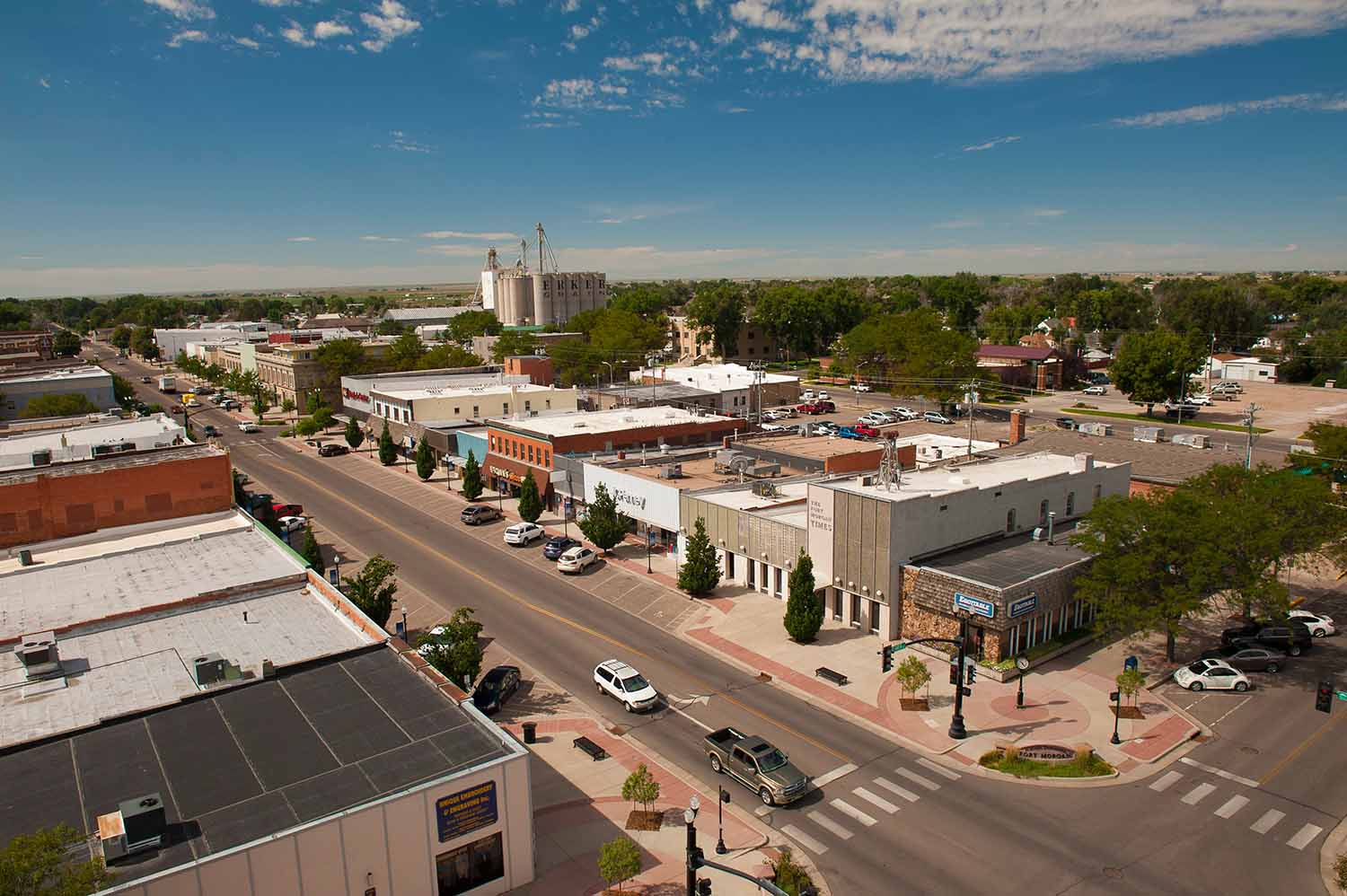
Morgan County sits along the South Platte River on Colorado's eastern plains, where irrigation canals, agricultural runoff, high winds, and hard winters create a distinct mix of property risks. Homes in Fort Morgan, Brush, Wiggins, and the surrounding farm communities face both sudden emergencies and slow-building problems that hide behind drywall for months.
Restoration work here covers the full range of loss types property owners encounter:
- Water Damage Restoration - burst supply lines, failed water heaters, roof leaks after hail, and appliance overflows
- Flooded Basement - groundwater intrusion, sump pump failure, and runoff during spring melt or heavy thunderstorms
- Sewage Cleanup - main line backups, septic failures on rural acreage, and contaminated Category 3 water extraction
- Fire Damage Restoration - structural cleaning, debris removal, and board-up after kitchen, electrical, or grass fires
- Smoke Damage Restoration - soot removal from surfaces and HVAC, odor neutralization, and content cleaning
- Mold Removal - containment, air filtration, and antimicrobial treatment of affected materials
Benefits for local property owners include faster drying that limits secondary damage, IICRC-certified technicians who document moisture readings for insurance, and licensed contractors who handle rebuild work after mitigation ends. Around-the-clock availability matters in a county where a frozen pipe at 2 a.m. can release hundreds of gallons before sunrise.
Common Damage Restoration Issues in Morgan County, Colorado
Morgan County's hazard profile is well documented - winter storms, windstorms, drought, flooding, dam and levee failure, hail, wildfires, and tornadoes are the events that occur most frequently and carry the greatest risk. Each one leaves a different restoration signature.
Frequent Causes of Loss
- Frozen and burst pipes in unheated crawl spaces, garages, and outbuildings during subzero cold snaps
- Hail-damaged roofs that leak weeks later, saturating attic insulation and ceiling cavities
- South Platte flooding and irrigation ditch overflow pushing groundwater into below-grade living space
- Sewer main backups during heavy rain when municipal lines surcharge
- Septic system failures on rural properties with aging leach fields
- Grass and wildfire smoke drifting into homes through attic vents and HVAC intakes
- Wind-driven rain forced past siding, window flashing, and roof edges during plains windstorms
Warning Signs Worth Acting On
- Musty odors in the basement that intensify after irrigation season begins
- Bubbling paint, cupped flooring, or stained baseboards along exterior walls
- Slow floor drains or gurgling toilets - often the first hint of a main line problem
- Soot film on light-colored walls or a persistent smoke smell weeks after a small fire
- Visible mold at wall-to-floor junctions, behind furniture, or around window sills
- Unexplained spikes in the water bill pointing to a slab or supply-line leak
Because plains humidity is low, surfaces can feel dry while framing and subfloor stay wet - a pattern that quietly feeds mold growth.
Neighborhoods We Serve in Morgan County
Coverage extends across the county and into the broader Northern Colorado service area.
- Fort Morgan - downtown historic district, Riverside Park area, Sherman Street corridor, and newer subdivisions on the west side
- Brush - established residential blocks and surrounding agricultural properties
- Wiggins - growing residential development along I-76
- Fort Morgan outskirts - Log Lane Village, Snyder, Weldona, Orchard, and Hillrose
- Rural acreage along County Road networks north and south of the South Platte
Service also reaches nearby Northern Colorado communities including Sterling, Greeley, Evans, Eaton, Fort Lupton, Milliken, Windsor, Severance, Wellington, Timnath, Berthoud, Longmont, Loveland, Fort Collins, and Estes Park. Crews staged regionally support response targets measured in minutes rather than days - a 90-minute arrival window is realistic for most Fort Morgan addresses.
Seasonal Damage Patterns in Morgan County
Damage types follow a predictable rhythm on the eastern plains.
- December through February - frozen pipe breaks peak during extended cold. Ice damming and roof leaks follow heavy winter storms. Furnace and space heater fires drive fire and smoke damage restoration calls.
- March through April - snowmelt plus saturated ground produces flooded basements and sump pump failures. Late-season blizzards add roof loads.
- May through June - hail and tornado season. Wind-driven rain, punctured roofs, and broken windows lead to sudden water intrusion.
- July through August - thunderstorm runoff overwhelms sewer lines, triggering sewage cleanup. Irrigation season raises groundwater. Mold growth accelerates in previously wetted materials.
- September through October - dry, windy conditions elevate grass and wildfire risk, bringing smoke damage restoration and odor removal work.
- November - first hard freezes catch unwinterized hose bibs, sprinkler backflows, and vacant properties.
Mold removal requests cluster four to eight weeks after any major water event, which is why moisture verification after drying matters as much as the extraction itself.
Housing Characteristics & Restoration Considerations
Morgan County housing spans more than a century of building practice, and each era responds differently to water, fire, and microbial growth.
Older Homes (pre-1950)
- Plaster and lath walls hold moisture longer than drywall and require slower, monitored drying
- Galvanized supply lines corrode from the inside, producing pinhole leaks behind finished walls
- Clay sewer laterals are vulnerable to root intrusion and offset joints, a common backup cause
- Balloon framing lets fire, smoke, and odor travel vertically between floors
- Original coal-chute basements and stone foundations seep during high water table periods
Mid-Century and Ranch-Style Homes
- Finished basements with paneling and carpet trap water against foundation walls
- Cast iron drain lines nearing end of service life
- Limited attic ventilation encourages condensation and mold above insulation
Newer Construction and Manufactured Housing
- Engineered flooring and MDF trim swell quickly and often need replacement rather than drying
- Tight building envelopes hold smoke odor and humidity, requiring air scrubbing and negative pressure
- Manufactured homes on rural lots have belly wrap that retains water invisibly after a plumbing failure
- PEX and CPVC lines split at fittings during deep freezes
Agricultural outbuildings, shops, and grain-adjacent structures add another layer - metal buildings condense heavily and concrete slabs wick moisture into stored contents. Restoration planning accounts for construction type before equipment placement, since drying a plaster basement and drying a slab-on-grade addition call for different approaches.
Environmental Conditions & Damage Implications
The semi-arid plains climate shapes how damage behaves here, and it works both for and against fast recovery.
Climate Factors
- Low ambient humidity speeds evaporation but creates false confidence - surfaces dry while cavities stay saturated
- Wide daily temperature swings drive condensation inside wall assemblies and crawl spaces
- High winds accelerate structural drying after board-up but also spread soot and ash after fires
- Intense summer sun bakes odor compounds into siding and roofing following smoke events
Soil and Groundwater
- Clay-heavy and expansive soils shift with moisture, cracking foundations and opening water entry points
- Sandy river-bottom soils near the South Platte transmit groundwater rapidly toward basements
- Extensive canal and irrigation networks raise the water table during the growing season
- Poor natural drainage on flat parcels sends surface runoff toward window wells and walkouts
Water and Air Quality
- Hard water leaves mineral scale that stresses valves, water heaters, and supply connections
- Agricultural dust and feedlot particulates load HVAC filters, compounding post-fire soot cleanup
- Wildfire smoke seasons introduce fine particulate that settles in ductwork and soft contents
- Well and septic systems on rural properties require careful sanitizing protocols during sewage cleanup
These conditions mean mold removal in Morgan County usually starts with finding the moisture source - a leaking irrigation line, a failed sump discharge, a cracked foundation - rather than treating visible growth alone.
Emergency Response and Insurance Documentation for Morgan County Property Owners
When water, sewage, or fire damage hits, the first several hours determine how much of a structure can be saved. Knowing the sequence ahead of time reduces loss and simplifies the claim.
What to Do Before Crews Arrive
- Shut off the water at the main or kill power to the affected circuit if it is safe to reach
- Leave contaminated water alone - sewage carries pathogens that require protective gear and proper handling
- Move undamaged contents and documents to a dry, unaffected room
- Photograph and video everything before touching anything, including standing water depth
- Open the claim with your insurance carrier and record the claim number
- Avoid running the HVAC after a fire - it circulates soot into clean areas
How Professional Response Unfolds
- Emergency contact and dispatch, with crews targeting arrival inside 90 minutes for Fort Morgan and nearby communities
- Inspection using moisture meters and thermal imaging to map hidden saturation
- Extraction of standing water or removal of fire debris and unsalvageable materials
- Containment and negative air pressure where mold or sewage contamination is present
- Antimicrobial treatment, sanitizing, and soot removal on affected surfaces
- Structural drying with air movers and dehumidifiers, with daily moisture readings logged
- Odor control through hydroxyl or ozone treatment and duct cleaning after smoke events
- Reconstruction - drywall, flooring, cabinetry, and paint - by licensed contractors
Documentation That Supports Your Claim
- Daily moisture logs proving materials reached dry standard
- Photo records of pre-mitigation conditions and demolition scope
- Equipment placement charts and drying chamber calculations
- Written scope aligned with standard insurance estimating platforms
- Air sampling results where mold remediation was performed
IICRC-certified technicians follow published standards for water, fire, and mold work, which gives adjusters a familiar framework and keeps Morgan County homeowners from absorbing costs that should be covered.