
Damage Restoration in Brush, CO
- Damage Restoration Services Overview
- Common Damage Restoration Issues in Brush, Colorado
- Neighborhoods We Serve in Brush
- Seasonal Damage Patterns in Brush
- Seasonal Damage Patterns in Brush
- Housing Characteristics & Restoration Considerations
- Environmental Conditions & Damage Implications
- Emergency Response Timelines for Brush and Rural Morgan County
Damage Restoration Services Overview
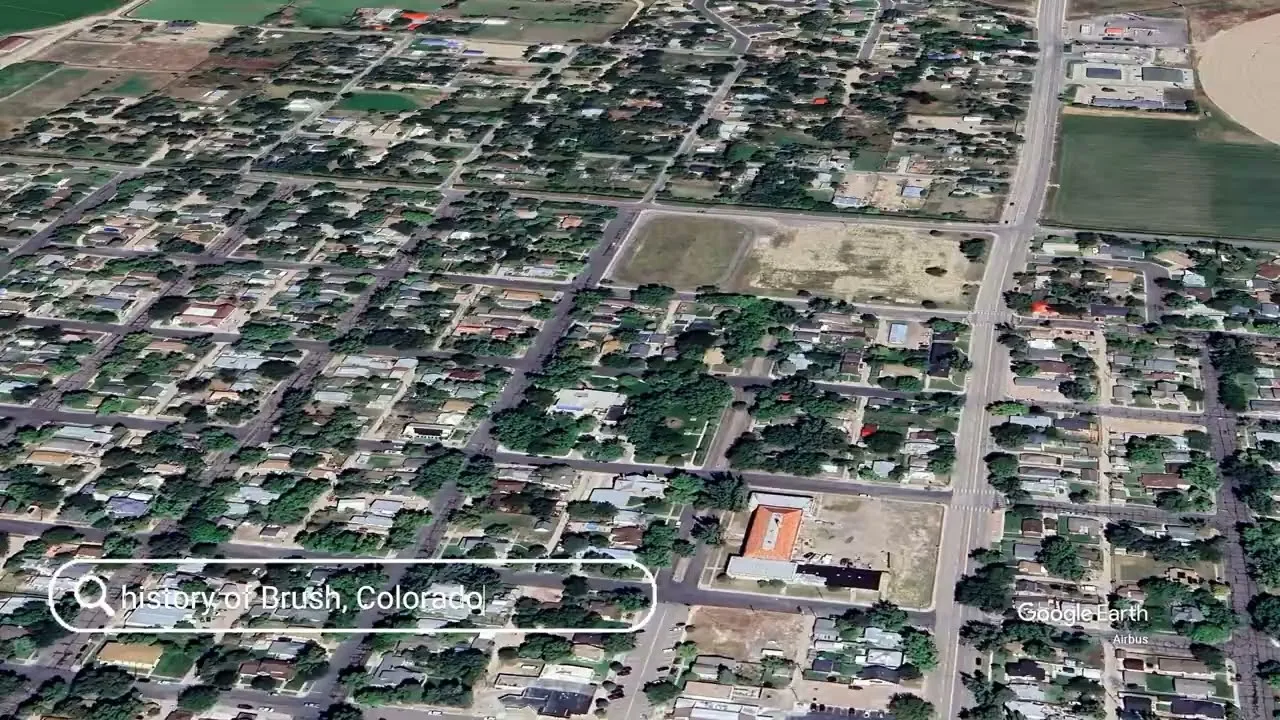
You wake up on a February morning in Brush, step into the basement to grab something from storage, and hear a splash instead of a footstep. A supply line behind the water heater let go overnight, and two inches of water now covers the concrete slab. Situations like this move fast, and so should the response.
Property damage in Morgan County rarely announces itself politely. Irrigation-season groundwater, aging sewer laterals, prairie wind driving hail through windows, and dry-season fire risk all create emergencies that need trained hands and industrial equipment.
- Water Damage Restoration - extraction, structural drying, moisture mapping, and monitoring until materials return to normal levels
- Flooded Basement - pump-out, contents handling, subfloor and wall cavity drying, sump and drainage evaluation
- Sewage Cleanup - containment, removal of contaminated porous materials, antimicrobial treatment, and safe disposal
- Fire Damage Restoration - debris removal, structural stabilization, soot and char cleaning, deodorization
- Smoke Damage Restoration - HVAC cleaning, thermal fogging, surface-specific soot removal, textile and contents care
- Mold Removal - containment barriers, HEPA filtration, affected material removal, and moisture source correction
The benefit for Brush homeowners is straightforward: faster drying means less demolition, lower secondary damage, and a shorter path back to a normal household routine. For fire and water damage restoration in Brush, CO, call (970) 842-4506.
Common Damage Restoration Issues in Brush, Colorado
Brush sits on the South Platte plain at roughly 4,200 feet, surrounded by irrigated farmland and served by ditch systems that raise the water table seasonally. That combination produces a predictable set of restoration calls.
Frequent Causes of Loss
- Frozen and burst supply lines in unheated crawl spaces, garages, and exterior walls during hard January freezes
- Hydrostatic pressure pushing water through basement cold joints and foundation cracks when ditch water runs high
- Sump pump failure during multi-day rain or rapid spring snowmelt from the plains
- Root intrusion and grease buildup causing sewer backups in older clay laterals
- Hail and high wind opening roofs, letting rainwater into attics and ceiling cavities
- Kitchen grease fires, wood stove flue issues, and grass fires spreading toward outbuildings
- Wildfire and agricultural burn smoke infiltrating homes through leaky envelopes
Warning Signs Worth Acting On
- Musty odor in a finished basement that intensifies after rain
- Efflorescence, chalky white staining, or bubbling paint along foundation walls
- Slow floor drains or gurgling toilets - often the first hint of a sewer line problem
- Warped baseboards, cupped hardwood, or nail pops in drywall near plumbing walls
- Persistent smoke smell that returns when the furnace cycles, indicating soot in ductwork
- Dark speckling on closet walls, behind furniture, or under sinks
Storm-driven losses are common across the region as well. BoneDry Services offers Colorado storm damage restoration for hail, high wind, and tornado damage at (303) 276-4163.
Neighborhoods We Serve in Brush
Crews respond throughout the City of Brush and the surrounding Morgan County countryside, covering both in-town blocks and acreage properties on county roads.
- Downtown Brush and the Clayton Street corridor - older commercial buildings and adjacent early-1900s homes with stone and brick foundations
- Colorado Avenue and Edison Street areas - established residential blocks with mature trees and clay sewer laterals
- North Brush near the golf course and Memorial Park - mid-century ranch homes with full basements
- South and east subdivisions near Brush High School - newer slab and framed construction
- Rural Morgan County properties along County Roads and the Highway 34 and Interstate 76 corridors
- Nearby communities - Fort Morgan, Snyder, Hillrose, Log Lane Village, Wiggins, and Akron
Rural response includes properties on well water and septic systems, where sewage backups and water losses require different handling than city-serviced homes.
Seasonal Damage Patterns in Brush
Seasonal Damage Patterns in Brush
Restoration demand in Brush follows the High Plains calendar closely. Knowing what each season brings helps homeowners prepare rather than react.
- December through February - burst pipes dominate. Sub-zero nights combined with wind chill freeze lines in crawl spaces, garages, and vacant properties. Heating equipment and wood stove fires also peak, bringing smoke damage calls.
- March and April - snowmelt and heavy wet spring snow saturate soil around foundations. Basement seepage and sump pump overload rise sharply.
- May and June - severe thunderstorm season. Hail, wind-driven rain, and roof breaches produce sudden interior water damage. Ditch season begins, raising the water table.
- July and August - heat and humidity inside damp basements accelerate mold growth. Lightning-related fires and grass fires increase during dry stretches.
- September and October - irrigation shutoff and harvest-season activity. Sewer backups from root intrusion often surface as trees pull moisture aggressively.
- November - first hard freezes catch unwinterized hose bibs and outbuilding plumbing; furnace startup circulates lingering soot and dust.
Mold removal calls trail water events by two to six weeks, which is why prompt drying matters far more than cosmetic repair.
Housing Characteristics & Restoration Considerations
Brush's housing stock spans more than a century, and each era responds differently to water, smoke, and microbial growth.
Common Construction Types
- Pre-1940 homes - stone, brick, or rubble foundations, plaster over wood lath, balloon framing, and original wood floors. Plaster holds moisture longer than drywall and lath cavities hide water.
- 1950s-1970s ranches - poured concrete or block basements, hardwood or tile over plank subfloor, and often partially finished lower levels with paneling.
- 1980s-2000s homes - stud-framed basements with fiberglass batt insulation, carpeted lower levels, and vinyl flooring over particleboard.
- Newer builds and manufactured homes - slab-on-grade or crawl space, engineered flooring, and tighter envelopes that trap smoke odor.
How Age Affects Restoration
- Balloon-framed walls let fire, smoke, and water travel vertically between floors, so inspection extends well beyond the visible damage zone.
- Older homes may contain asbestos in floor tile, mastic, or pipe wrap and lead paint in trim - both require testing before demolition.
- Block and stone foundations wick groundwater, making flooded basement drying slower and mold removal more involved.
- Finished basements with paneling and carpet pad usually require removal after sewage exposure, since porous materials cannot be sanitized reliably.
- Tight modern homes concentrate smoke odor in HVAC systems and insulation, requiring duct cleaning and sealing rather than surface wiping alone.
Documenting these variables early shapes the drying plan, the demolition scope, and the insurance file.
Environmental Conditions & Damage Implications
The physical environment around Brush shapes how damage develops and how restoration equipment must be configured.
Local Conditions
- Semi-arid climate - low outdoor humidity for much of the year, which speeds evaporation but also causes rapid material shrinkage and cracking if drying is uncontrolled.
- Wide temperature swings - freeze-thaw cycles open foundation cracks and stress plumbing at exterior walls.
- Silty clay and alluvial soils along the South Platte - these hold water against foundations after heavy rain and expand and contract with moisture change.
- Seasonally high water table from irrigation ditches and canals feeding surrounding farmland.
- Hard, mineral-rich water - scale buildup shortens water heater and supply line life, a frequent source of sudden leaks.
- Airborne dust, agricultural particulate, and periodic wildfire smoke - these load HVAC filters and complicate post-fire air quality work.
What This Means for Your Property
- Drying plans balance dehumidification with controlled airflow so wood floors and trim do not check or split.
- Basement work includes exterior grading and downspout review, since soil that sheds poorly will refill the space next storm.
- Mold removal pairs remediation with humidity control, because dry indoor air alone will not stop growth inside wet wall cavities.
- Post-fire cleaning accounts for existing dust and particulate loading in ducts, not just fresh soot.
Fast response restoration including water damage cleanup, fire damage, and mold is available 24/7 at (719) 315-8878.
Emergency Response Timelines for Brush and Rural Morgan County
Distance is the defining factor in northeast Colorado restoration. Brush sits along I-76 between Fort Morgan and Sterling, and many properties are minutes off a county road rather than a paved street. Response planning accounts for that reality.
Why Speed Changes the Outcome
- Clean water begins migrating into drywall, insulation, and subfloor within the first hour
- Microbial growth can start on damp organic materials within roughly one to two days under warm conditions
- Soot becomes acidic as it sits, etching glass, metal fixtures, and appliance finishes
- Sewage contamination spreads through wicking and foot traffic, expanding the affected zone
- Delayed extraction often converts a dry-in-place job into a demolition and rebuild project
What Happens After You Call
- Phone triage - a technician walks you through shutting off water, gas, or electricity safely and advises whether to leave the structure.
- Dispatch and arrival - crews stage equipment for the trip, including generators for properties with compromised power.
- Assessment - moisture meters, thermal imaging, and a documented scope establish what is wet, what is contaminated, and what can be saved.
- Stabilization - board-up, tarping, extraction, or containment goes in immediately to stop damage from spreading.
- Equipment placement - air movers, dehumidifiers, HEPA scrubbers, and negative air machines are set to the calculated load.
- Daily monitoring - readings are logged until materials hit drying goals, then reconstruction planning begins.
- Insurance documentation - photos, moisture logs, and itemized scopes are prepared for your adjuster.
Preparing Before an Emergency
- Know where your main water shutoff and gas valve are located
- Test the sump pump each spring and add a battery backup
- Insulate hose bibs and crawl space plumbing before the first hard freeze
- Keep restoration numbers saved - Best Option Restoration of Thornton provides 24/7 fire, water, and mold response at 720-620-3272
Local crews serve Brush from Colorado Ave, Brush, CO 80723, with around-the-clock availability at (970) 842-4506.





