
Damage Restoration in Pell City, AL
- Damage Restoration Services Overview
- Common Damage Restoration Issues in Pell City, Alabama
- Neighborhoods We Serve in Pell City
- Seasonal Damage Patterns in Pell City
- Housing Characteristics & Restoration Considerations
- Environmental Conditions & Damage Implications
- Working With Insurance After Storm and Water Damage in St. Clair County
Damage Restoration Services Overview
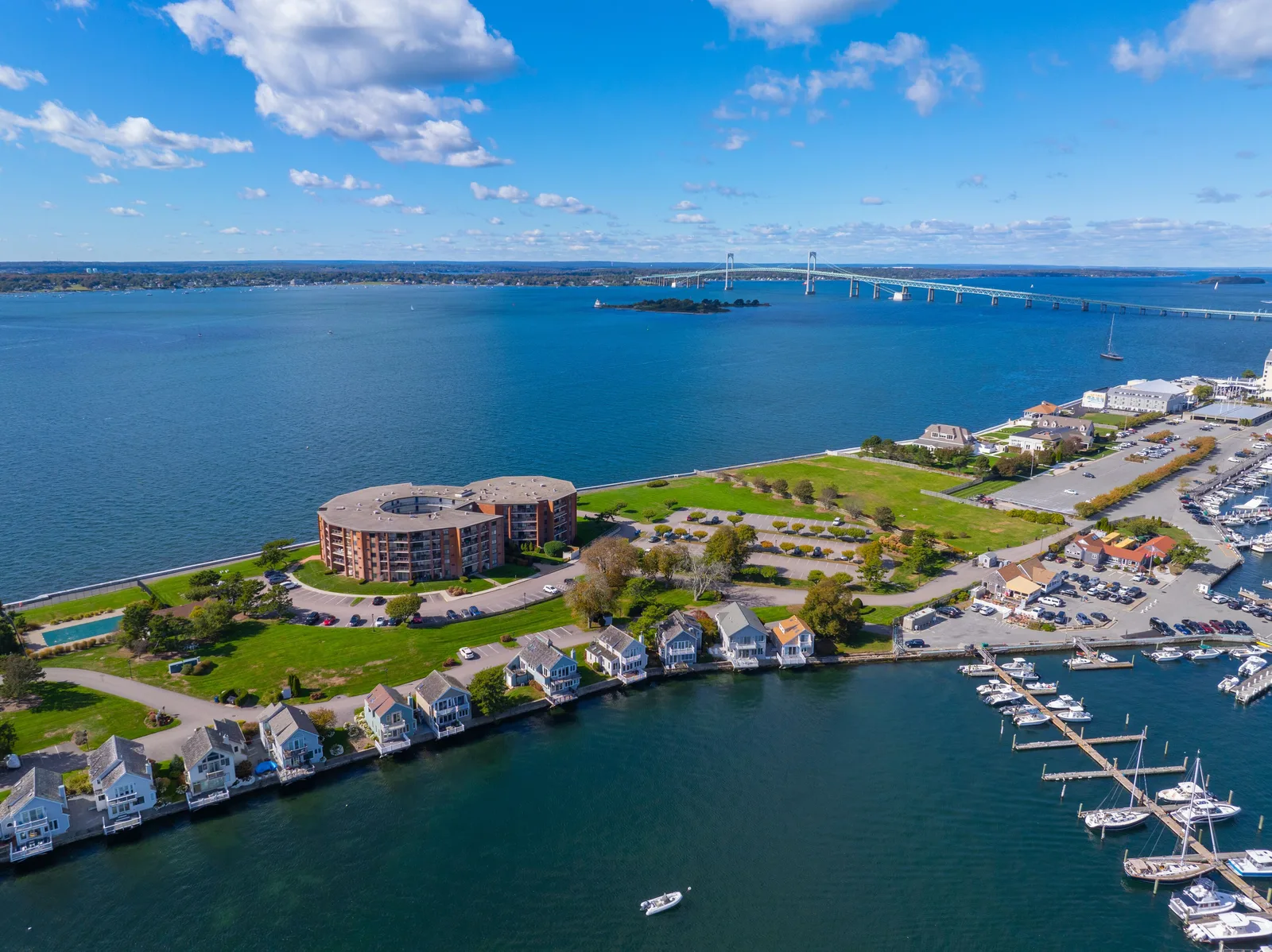
You come home from a weekend on Logan Martin Lake, open the door, and hear water running where no water should be. A supply line behind the washer let go on Friday night, and now the hallway carpet squishes underfoot and the basement stairs lead down into standing water. Situations like this move fast, and so does the response they require.
Property damage in Pell City rarely arrives in one form. A burst pipe becomes a mold problem. A kitchen fire leaves smoke residue in every closet. A backed-up sewer line turns a finished basement into a biohazard. Restoration work covers the full arc of that damage, from the first extraction to the final coat of paint.
- Water Damage Restoration - extraction, structural drying, moisture mapping, and monitoring until materials reach dry standard
- Flooded Basement - pump-out, removal of saturated drywall and insulation, and drainage evaluation
- Sewage Cleanup - containment, waste removal, antimicrobial treatment, and disposal of porous contaminated materials
- Fire Damage Restoration - debris removal, board-up, structural cleaning, and content recovery
- Smoke Damage Restoration - soot removal, thermal fogging, HVAC cleaning, and odor neutralization
- Mold Removal - containment barriers, HEPA filtration, affected material removal, and moisture source correction
The goal stays the same across all six: return the affected space to pre-damage condition, with documentation at every step so insurance conversations go smoothly.
Common Damage Restoration Issues in Pell City, Alabama
St. Clair County sits in a corridor that catches heavy Gulf moisture, spring severe weather, and humid summers that never really let go. That combination drives most of the calls restoration crews take here.
What Causes Damage Locally
- Spring storm systems - straight-line winds strip shingles and drive rain into attics and wall cavities
- Clay soil saturation - water pools against foundations instead of draining, pushing through basement walls and slab cracks
- Lake-adjacent properties - homes near Logan Martin see higher ambient humidity and crawl space moisture year-round
- Aging sewer laterals - root intrusion and pipe collapse cause backups into lower-level fixtures
- Winter pipe failures - short cold snaps freeze uninsulated lines in crawl spaces and exterior walls
- Heating and cooking fires - space heaters, fireplaces, and grease fires spike during cooler months
Warning Signs Worth Acting On
- Musty odor in a closet, crawl space, or basement that returns after cleaning
- Cupping hardwood, bubbling paint, or drywall that feels cool and soft
- Gurgling floor drains or slow tub drainage across multiple fixtures
- Dark staining along the base of basement walls or at the cove joint
- Persistent smoke odor that returns on humid days after a small fire
- Unexplained allergy symptoms that improve when you leave the house
Small signs escalate quickly here. Mold colonization can begin within a day or two in Alabama summer humidity, which is why moisture found early costs far less to correct than moisture found after the drywall fails.
Neighborhoods We Serve in Pell City
Coverage extends across Pell City proper and the surrounding St. Clair County communities, including lake properties and rural parcels outside the city limits.
- Downtown Pell City and Cogswell Avenue corridor - older commercial buildings and nearby historic homes
- Logan Martin Lake shoreline - waterfront homes, docks, boathouses, and seasonal residences
- Eden and Wolf Creek areas - established subdivisions with crawl space and basement construction
- Cropwell and Coosa Valley - mixed rural and lakefront properties
- Riverside and Lincoln - nearby communities along the I-20 corridor
- Ragland, Vincent, and Odenville - outlying St. Clair and Shelby County service areas
- Moody and Leeds - western St. Clair County suburbs
Crews familiar with local road access, lake-area driveways, and county permitting move faster on emergency calls than out-of-area contractors dispatched from Birmingham.
Seasonal Damage Patterns in Pell City
Damage types follow a fairly predictable rhythm through the year in central Alabama.
- January - February: Frozen and burst pipes during cold snaps, particularly in crawl spaces and outdoor spigots. Fire and smoke damage peaks alongside heater and fireplace use.
- March - May: Severe weather season. Wind-driven rain, roof breaches, and flooded basements dominate. Storm runoff overwhelms drainage and pushes water through foundation walls.
- June - August: Humidity above 80 percent for weeks at a stretch. Mold growth accelerates in crawl spaces, attics, and behind vinyl wallpaper. Condensation from overworked HVAC systems creates hidden water damage.
- September - October: Tropical remnants from the Gulf bring sustained rainfall. Sewage backups increase as saturated ground infiltrates municipal and septic systems.
- November - December: Cooking fires around the holidays, plus early-season heating equipment failures. Smoke odor issues linger as homes stay closed up.
Water damage of some form shows up in every month. What changes is the source - storms in spring, humidity in summer, and plumbing failures in winter.
Housing Characteristics & Restoration Considerations
Pell City housing spans a wide range, and each construction era responds differently to water, fire, and mold.
Common Construction Types
- Mid-century brick ranch homes - slab or crawl space foundations, plaster or early drywall, original cast iron drain lines prone to scaling and backup
- 1970s - 1990s subdivisions - wood frame with vinyl or brick veneer, fiberglass batt insulation that holds moisture once wet
- Lakefront and newer construction - walk-out basements, engineered flooring, and open floor plans that let smoke travel through an entire level
- Older downtown properties - balloon framing, knob-and-tube remnants, and wall cavities that channel both water and smoke vertically
- Manufactured and modular homes - limited underfloor clearance, belly wrap that traps water, and particleboard subfloors that fail quickly
How Construction Shapes the Work
- Crawl spaces with dirt floors and failing vapor barriers are the leading mold source in older Pell City homes
- Walk-out basements need both extraction and exterior grading review, since repeat flooding is common
- Cast iron and clay sewer laterals in established neighborhoods raise the likelihood of Category 3 water intrusion
- Plaster walls hold smoke residue differently than drywall and require adjusted cleaning methods
- Homes with ductwork in the crawl space spread mold spores and smoke odor through the entire house
Assessment always starts with identifying construction type, because drying a slab home and drying a crawl space home are different jobs entirely.
Environmental Conditions & Damage Implications
The physical environment around Pell City works against dry buildings almost year-round.
Climate and Moisture Load
- Annual rainfall well above the national average, concentrated in winter and early spring
- Summer dew points that keep indoor relative humidity high without aggressive dehumidification
- Proximity to Logan Martin Lake and the Coosa River raising ambient moisture for shoreline properties
- Mild winters that allow mold activity to continue in unconditioned spaces
Soil and Groundwater
- Red clay soils expand when wet and shrink when dry, stressing foundations and creating entry cracks
- Poor percolation means storm water sits against footings rather than draining away
- Seasonal water table rise pushes hydrostatic pressure against basement walls
- Septic systems in outlying areas saturate during heavy rain, backing waste toward the house
What This Means for Restoration
- Drying targets must account for high outdoor humidity - open windows do not help here
- Dehumidification and containment run longer than in drier climates
- Mold remediation without correcting the moisture source almost guarantees recurrence
- Smoke odor reactivates in humid conditions, so sealing and encapsulation matter after fire cleanup
- Sewage cleanup requires full removal of porous materials, since clay soil contamination compounds the risk
Equipment selection, placement, and monitoring all get adjusted for these conditions rather than following a generic drying plan.
Working With Insurance After Storm and Water Damage in St. Clair County
Most Pell City property owners only file a major claim once or twice in a lifetime, and the documentation gap is where claims stall. Restoration work done properly builds the insurance file as it goes.
What Gets Documented
- Photographs and video of conditions before any material is removed
- Moisture readings at initial assessment and at each daily monitoring visit
- Moisture mapping showing the extent of migration through walls, subfloor, and framing
- Equipment logs recording dehumidifier and air mover placement and run time
- Inventory of removed materials and affected contents
- Air sampling or surface sampling results where mold is involved
- Category and class designation for water losses, which drives coverage decisions
Steps to Take After Discovering Damage
- Stop the source if it is safe - shut off the water main or the affected fixture supply.
- Cut power to affected areas at the breaker if water has reached outlets or the panel.
- Leave sewage-affected areas alone entirely and keep children and pets clear.
- Photograph everything before moving items or starting cleanup.
- Call your insurance carrier to open a claim and get a claim number.
- Contact a licensed and insured restoration company to begin mitigation - most policies require prompt action to prevent further loss.
- Keep receipts for anything you purchase or replace in the meantime.
Points Worth Understanding
- Standard homeowner policies typically cover sudden water discharge but exclude surface flooding, which requires separate flood coverage
- Mold coverage is often capped or excluded unless it results from a covered water loss
- Sewer backup coverage is usually an endorsement, not automatic
- Delaying mitigation can give a carrier grounds to reduce payment for secondary damage
A restoration company licensed and insured to work in East Alabama can communicate directly with adjusters, submit documentation in the format carriers expect, and keep the project moving while the claim is processed.





