
Damage Restoration in Mount Vernon, WA
- Damage Restoration Services Overview
- Common Damage Restoration Issues in Mount Vernon, Washington
- Neighborhoods We Serve in Mount Vernon
- Seasonal Damage Patterns in Mount Vernon
- Housing Characteristics & Restoration Considerations
- Environmental Conditions & Damage Implications
- Skagit Valley Agricultural Impact on Property Restoration
Damage Restoration Services Overview
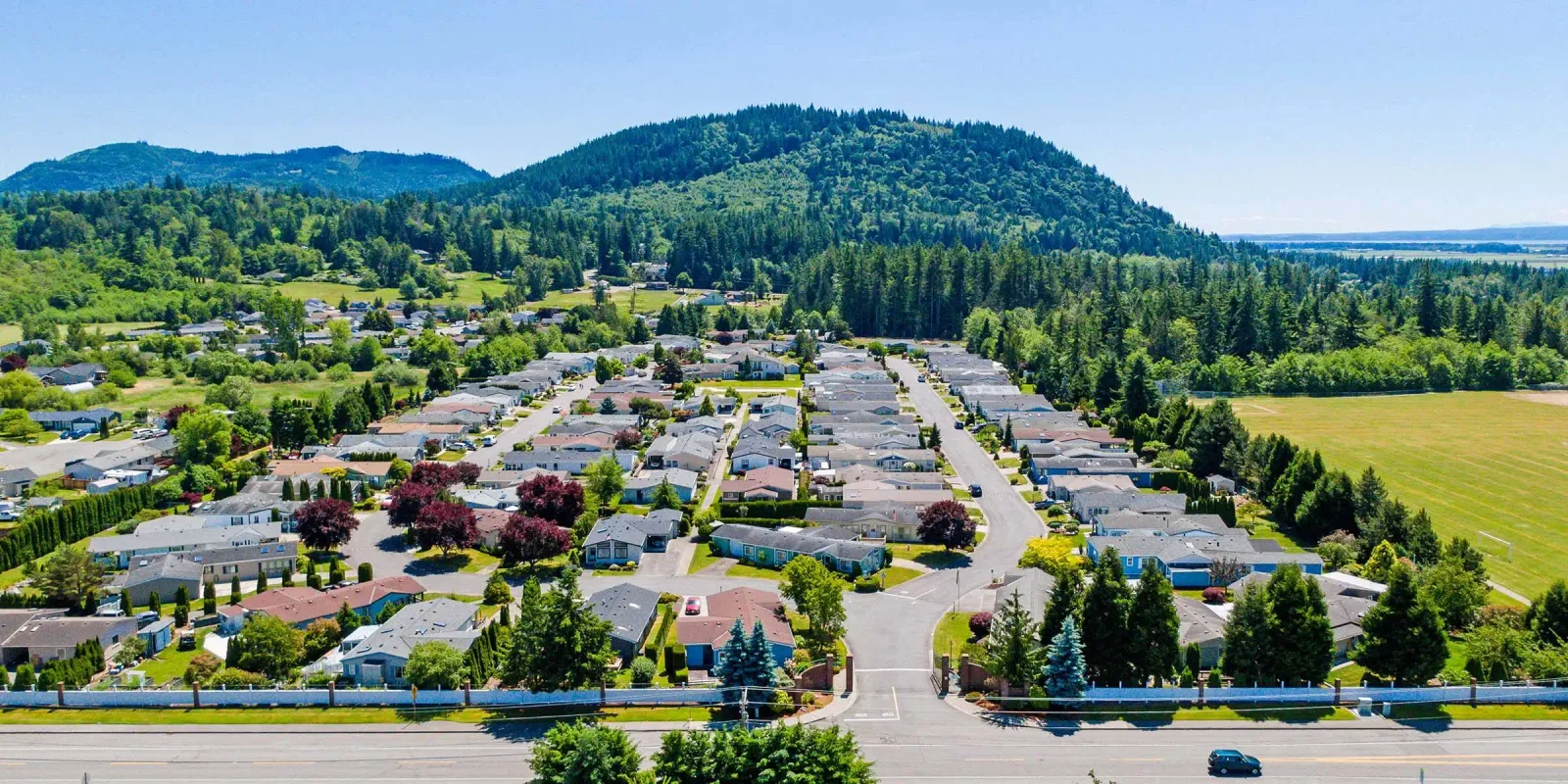
Property damage strikes without warning, and swift action makes the difference between minor repairs and devastating losses. Mount Vernon residents face unique restoration challenges from Pacific Northwest weather patterns, aging infrastructure, and seasonal flooding risks.
Professional damage restoration encompasses multiple specialized services:
- Water damage restoration for burst pipes, roof leaks, and storm flooding
- Flooded basement recovery including structural drying and waterproofing
- Sewage cleanup with proper sanitization and contamination removal
- Fire damage restoration addressing structural and content restoration
- Smoke damage restoration eliminating odors and residue throughout properties
- Mold removal and remediation preventing health hazards and structural damage
Certified restoration professionals use industrial-grade equipment and proven techniques to restore properties safely. Quick response prevents secondary damage, reduces restoration costs, and protects family health. Mount Vernon's humid climate and proximity to waterways create conditions where minor issues escalate rapidly without proper intervention.
Common Damage Restoration Issues in Mount Vernon, Washington
Mount Vernon's location in the Skagit Valley creates specific vulnerability patterns that property owners should recognize. The region's agricultural drainage systems and proximity to the Skagit River contribute to seasonal flooding risks.
Frequent damage scenarios include:
- Basement flooding from groundwater infiltration during heavy rainfall periods
- Pipe freezes and bursts during unexpected cold snaps
- Roof leaks from wind-driven rain and aging shingle systems
- Sewage backups in older neighborhoods with combined storm systems
- Chimney fires from creosote buildup in wood-burning homes
- Attic mold growth from inadequate ventilation and moisture control
Warning signs requiring immediate attention:
- Musty odors indicating hidden moisture or mold growth
- Water stains on walls, ceilings, or around windows
- Buckled flooring or soft spots in subflooring
- Persistent smoke odors after fireplace use
- Unusual utility bill increases suggesting hidden leaks
- Visible mold growth in basements, bathrooms, or crawl spaces
Early detection prevents minor issues from becoming major restoration projects. Mount Vernon's climate conditions accelerate damage progression, making professional assessment valuable when any warning signs appear.
Neighborhoods We Serve in Mount Vernon
Our restoration services cover all Mount Vernon neighborhoods and surrounding communities throughout Skagit County. We respond to calls across diverse residential areas, each with unique restoration considerations.
Service areas include:
- Downtown Mount Vernon historic district with older building systems
- Riverside neighborhoods prone to seasonal flooding
- College Way corridor with mixed residential and commercial properties
- West Mount Vernon suburban developments
- Rural properties in Clear Lake and Big Lake areas
- Conway, Burlington, and Sedro-Woolley surrounding communities
Each neighborhood presents different challenges, from historic homes requiring specialized restoration techniques to newer developments with modern building materials. Our teams understand local construction patterns and adapt restoration approaches accordingly.
Seasonal Damage Patterns in Mount Vernon
Mount Vernon experiences distinct seasonal damage patterns that property owners should anticipate. Understanding these cycles helps with preventive maintenance and emergency preparedness.
Seasonal damage timeline:
- Fall/Winter (October-February): Storm damage, flooding, pipe freezes, and increased fire risks from heating systems
- Spring (March-May): Snowmelt flooding, roof leak discovery, and basement water infiltration
- Summer (June-September): Wildfire smoke exposure, HVAC system failures, and hidden moisture issues becoming apparent
Peak damage periods:
- November through January for water damage from storms and freezing
- February through April for flood-related basement issues
- July through September for smoke damage from regional fires
- Year-round mold growth due to consistent humidity levels
Proactive monitoring during high-risk seasons reduces emergency restoration needs. Regular inspections help identify vulnerabilities before weather events strike.
Housing Characteristics & Restoration Considerations
Mount Vernon's housing stock spans multiple decades, creating diverse restoration challenges. The community includes historic homes from the early 1900s, mid-century developments, and modern construction with varying building standards.
Common housing characteristics affecting restoration:
- Older homes with galvanized plumbing prone to corrosion and leaks
- Crawl space foundations vulnerable to moisture intrusion
- Cedar shake roofing requiring specialized fire damage restoration
- Knob-and-tube electrical systems creating fire risks
- Single-pane windows contributing to condensation issues
- Uninsulated basements promoting mold growth conditions
Restoration considerations by era:
- Pre-1950 homes: Lead paint protocols, asbestos materials, and structural modifications
- 1950-1980 construction: Aluminum wiring concerns and insulation upgrades
- Modern homes: Complex HVAC systems and engineered lumber restoration
Each construction type requires specialized knowledge for safe, effective restoration. Historic properties need preservation-compatible materials, while newer homes benefit from modern restoration technologies. Understanding building characteristics guides restoration planning and prevents damage to original architectural features.
Environmental Conditions & Damage Implications
Mount Vernon's marine climate creates year-round humidity averaging 75-85%, promoting mold growth and accelerating material deterioration. The region receives 35-40 inches of annual rainfall, with peak precipitation from November through March.
Environmental factors affecting restoration:
- High humidity levels requiring extended drying periods for water damage
- Mild temperatures allowing mold growth throughout the year
- Clay-rich soils causing foundation settling and basement seepage
- Proximity to Puget Sound creating salt air corrosion issues
- Agricultural dust affecting indoor air quality and smoke damage assessment
- Seasonal pollen loads complicating air filtration during restoration
Climate-specific restoration challenges:
- Extended drying times due to ambient moisture levels
- Mold spore activation within 24-48 hours of water exposure
- Salt air accelerating metal corrosion after fire damage
- Soil conditions contributing to foundation water infiltration
Professional restoration equipment compensates for environmental challenges through controlled dehumidification, air scrubbing, and antimicrobial treatments. Understanding local conditions allows restoration teams to adjust techniques for optimal results in Mount Vernon's unique climate.
Skagit Valley Agricultural Impact on Property Restoration
Mount Vernon's position in the heart of Skagit Valley's agricultural region creates unique restoration considerations that differ from urban environments. The surrounding farmland, irrigation systems, and seasonal crop cycles directly influence property damage patterns and restoration approaches.
Agricultural factors affecting restoration include:
- Irrigation runoff contributing to basement flooding during peak growing seasons
- Pesticide and fertilizer residues requiring specialized cleanup protocols
- Dust from farming operations affecting air quality during fire damage restoration
- Seasonal water table fluctuations impacting foundation drainage
- Agricultural burning permits creating regional smoke exposure
- Equipment traffic on rural roads affecting emergency response timing
Specialized restoration considerations for agricultural areas:
- Contamination assessment protocols for agricultural chemical exposure
- Enhanced air filtration systems during harvest season restoration
- Coordination with irrigation district schedules for water damage prevention
- Soil testing requirements for sewage cleanup near agricultural land
- Seasonal access planning for rural property restoration
Professional restoration teams understand agricultural impact on indoor air quality and implement enhanced filtration during active farming periods. The valley's fertile soil composition affects foundation stability and drainage patterns, requiring specialized approaches for basement waterproofing and mold prevention. Agricultural chemical exposure adds complexity to sewage cleanup and requires additional safety protocols to protect restoration workers and property occupants.





