
Damage Restoration in Faribault, MN
- Damage Restoration Services Overview
- Common Damage Restoration Issues in Faribault, Minnesota
- Neighborhoods We Serve in Faribault
- Seasonal Damage Patterns in Faribault
- Housing Characteristics & Restoration Considerations
- Environmental Conditions & Damage Implications
- Why the First 48 Hours Decide Your Outcome in Faribault
Damage Restoration Services Overview
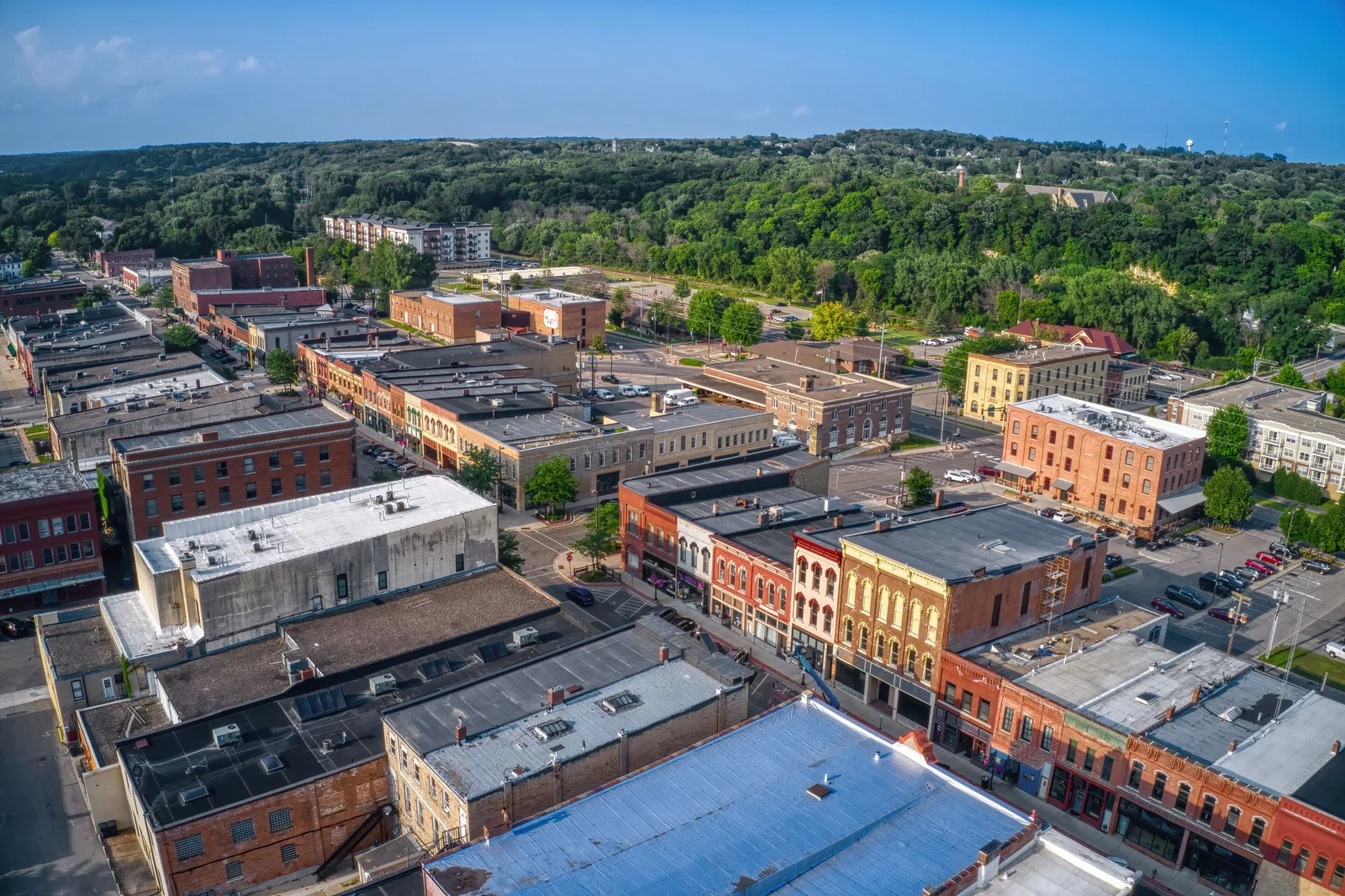
Faribault sits at the confluence of the Straight and Cannon Rivers - two waterways that shaped the city's milling history and still influence how water moves through basements, crawl spaces, and storm drains today. That river-town geography, combined with Minnesota's freeze-thaw cycles, keeps restoration crews busy year-round.
Property owners across Rice County rely on a full range of restoration services to recover from sudden losses and slow-building moisture problems alike:
- Water Damage Restoration - extraction, structural drying, and moisture mapping after burst pipes, appliance failures, and roof leaks
- Flooded Basement Cleanup - pumping standing water, drying foundation walls, and salvaging finished lower levels
- Sewage Cleanup - safe removal of contaminated water, disinfection, and disposal of porous materials touched by Category 3 water
- Fire Damage Restoration - debris removal, structural cleaning, and content recovery after kitchen, furnace, or electrical fires
- Smoke Damage Restoration - soot removal from walls and HVAC systems plus odor neutralization that reaches embedded residues
- Mold Removal - containment, remediation, and correcting the moisture source that fed the growth
The shared benefit is speed. Mold can begin colonizing damp drywall within 24 to 48 hours, and smoke residue carries acidic particles that etch metal, glass, and finished surfaces. Fast, methodical response protects both the building and the household budget.
Common Damage Restoration Issues in Faribault, Minnesota
Faribault's mix of older housing stock, heavy clay soils, and dramatic seasonal swings produces a predictable set of restoration calls.
Frequent Causes of Loss
- Frozen and burst pipes - uninsulated supply lines in stone-walled basements and exterior kitchen walls split during January cold snaps
- Basement flooding - spring snowmelt and summer thunderstorms overwhelm window wells, drain tile, and sump pumps
- Sewer backups - heavy rain events surcharge municipal lines, pushing wastewater up through floor drains and laundry standpipes
- Sump pump failure - power outages during storms leave pits overflowing within hours
- Kitchen and heating fires - space heaters, aging furnaces, and wood stoves account for many cold-weather ignitions
- Hidden mold - growth behind paneling, under carpet pad, and inside stud cavities following unnoticed leaks
Warning Signs Worth Acting On
- Musty odor that intensifies when the furnace or air conditioner runs
- Efflorescence - chalky white mineral streaks - on foundation walls
- Tack strips lifting, baseboards swelling, or floor tiles cupping
- Gurgling floor drains or slow toilets after a downpour
- Yellow-brown staining on ceilings near bath fans or chimney chases
- Lingering smoke smell weeks after a small stovetop fire, signaling residue in ductwork
Ignoring any of these often converts a contained water problem into a combined mold and structural repair project.
Neighborhoods We Serve in Faribault
Restoration crews cover the full city and the surrounding Rice County countryside, including:
- Historic Downtown and the Central Avenue district - masonry commercial buildings with shared walls and below-grade storage
- Northwest Faribault - postwar and mid-century homes near Shattuck-St. Mary's
- Willow Street and Second Avenue corridors - Victorian-era residences with stone foundations
- South Faribault and the Cannon River bottoms - properties closest to floodplain influence
- East side neighborhoods near Alexander Park and Teepee Tonka Park
- Newer subdivisions off Lyndale Avenue and Highway 21
Service also extends to surrounding communities such as Dundas, Northfield, Morristown, Warsaw, Nerstrand, Medford, Owatonna, and rural townships along I-35. Farmsteads, lake cabins near Cannon Lake and Roberds Lake, and light-industrial facilities along the highway corridor all receive the same response protocol.
Seasonal Damage Patterns in Faribault
- December through February - frozen pipe breaks peak, ice dams push meltwater under shingles, and furnace, fireplace, and space-heater fires drive smoke damage calls
- March and April - snowmelt saturates clay soils, producing flooded basements, seepage through foundation cracks, and overwhelmed sump systems
- May and June - thunderstorms and heavy rain trigger sewer backups and window-well flooding; humidity begins fueling mold growth in damp lower levels
- July and August - peak mold season as dew points climb; condensation on cool basement walls and AC drain-line clogs create hidden moisture
- September and October - grilling season fires taper off while heating systems return to service, often igniting dust and revealing cracked heat exchangers
- November - the first hard freeze catches unwinterized hose bibs, irrigation lines, and seasonal cabins
Each season overlaps. A February pipe break left undried becomes an April mold call, which is why moisture verification matters as much as extraction.
Housing Characteristics & Restoration Considerations
Faribault's building stock spans more than 150 years, and construction era dictates restoration strategy.
Common Property Types
- Pre-1900 Victorians and Italianates - limestone or fieldstone foundations, balloon framing, lath-and-plaster walls
- Early 1900s foursquares and bungalows - narrow stud cavities, original wood floors, coal-chute basements
- Postwar ramblers and split-levels - block foundations, finished basement rec rooms, cast-iron drain lines
- Modern subdivision homes - poured concrete walls, engineered flooring, sealed building envelopes
How Age Affects the Work
- Stone foundations absorb water deeply and need extended drying with targeted airflow rather than surface fans
- Balloon framing lets smoke and soot travel from a basement fire straight into attic cavities, requiring inspection well beyond the burn area
- Plaster walls often dry and save when addressed early, though wet lath behind them harbors mold if skipped
- Finished basements add carpet pad, paneling, and insulation - all porous materials that typically come out after sewage contact
- Older cast-iron and clay sewer laterals crack and root-intrude, raising backup risk on established streets
- Tight modern envelopes trap humidity, so dehumidification carries more weight than ventilation alone
Documenting pre-loss materials matters for insurance, especially where original millwork, hardwood, or historic trim is involved.
Environmental Conditions & Damage Implications
Southern Minnesota's climate and geology shape nearly every restoration project in the area.
Climate Factors
- Winter lows dropping well below zero, freezing exposed plumbing in uninsulated spaces
- Roughly 30 inches of annual precipitation, much of it in intense summer downpours
- Summer dew points in the 60s and 70s, pushing indoor humidity past the 60 percent threshold where mold thrives
- Repeated freeze-thaw cycles that widen foundation cracks year after year
Soil and Water Conditions
- Heavy glacial clay and silt loam drain slowly, holding water against foundation walls after storms
- Karst-influenced bedrock in parts of the region allows unpredictable groundwater movement
- Hard well and municipal water leaves mineral scale that corrodes supply lines and water heaters over time
- River proximity raises the water table during spring melt, increasing hydrostatic pressure on basements
Air Quality Effects
- Homes sealed tight for winter concentrate mold spores, soot particles, and VOCs indoors
- Agricultural dust and pollen load HVAC filters, which then recirculate smoke residue after a fire
- Wildfire smoke drifting in during late summer compounds existing indoor air problems
Because of these conditions, moisture control and post-remediation air treatment are treated as core steps, not add-ons.
Why the First 48 Hours Decide Your Outcome in Faribault
The window between discovery and drying determines whether a loss stays contained or expands into a multi-trade rebuild. Minnesota's humidity and clay soils shrink that window further.
What Happens Hour by Hour
- Hours 0-2 - water spreads laterally through carpet, wicks up drywall, and migrates under cabinets and into wall cavities
- Hours 2-12 - porous materials saturate, finishes swell, and standing water reaches Category 2 contamination levels
- Hours 12-24 - odors develop, metal fasteners begin corroding, and soot residues from fire losses set permanently into painted surfaces
- Hours 24-48 - mold colonies establish on damp organic materials; sewage contamination penetrates subfloor
- Beyond 48 hours - structural drying alone no longer suffices; containment, demolition, and remediation enter the scope
Steps Property Owners Can Take Immediately
- Shut off the water supply or electrical power to the affected area when safe to do so
- Photograph everything before moving items - insurers rely on that documentation
- Lift furniture off wet carpet using foil or blocks to prevent stain transfer
- Stay out of standing sewage entirely; it carries bacteria and viruses that ordinary cleaners do not neutralize
- Avoid running the HVAC after a fire, which spreads soot through every room
- Resist wiping soot from walls - dry residue smears and drives particles into the finish
What Professional Response Adds
- Thermal imaging and penetrating meters that locate moisture behind plaster and under tile
- Commercial dehumidifiers and air movers sized to the actual cubic footage and material load
- Antimicrobial application and negative-air containment for contaminated or mold-affected zones
- Hydroxyl and thermal odor treatment for smoke, plus duct cleaning to stop recontamination
- Daily moisture logs that document drying progress for the insurance claim
Acting inside that first window keeps hardwood, plaster, and framing salvageable - and keeps families in their homes.





