
Damage Restoration in Byron, MN
- Damage Restoration Services Overview
- Common Damage Restoration Issues in Byron, Minnesota
- Neighborhoods We Serve in Byron
- Seasonal Damage Patterns in Byron
- Housing Characteristics & Restoration Considerations
- Environmental Conditions & Damage Implications
- The Byron Emergency Response Process: From First Call to Finished Repair
Damage Restoration Services Overview
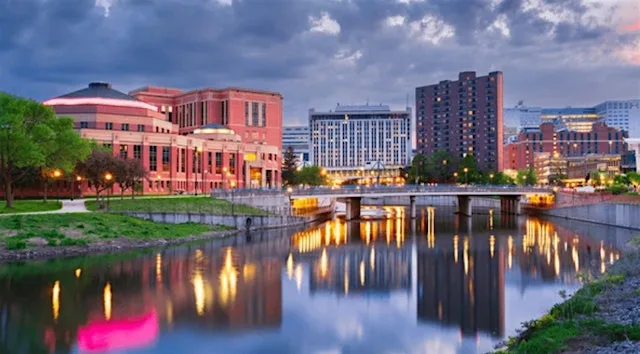
Byron sits on the rolling prairie just west of Rochester, where Olmsted County's freeze-thaw cycles, clay-heavy soils, and fast-moving summer storms create restoration challenges you won't find in milder climates. Homes here range from century-old farmsteads along County Road 5 to newer subdivisions with finished lower levels - and each type responds differently when water, smoke, or mold shows up.
Property owners in Byron rely on a full range of restoration work, including:
- Water Damage Restoration - extraction, structural drying, and moisture mapping after pipe bursts, appliance failures, and roof leaks
- Flooded Basement - response to sump pump failures, foundation seepage, and snowmelt intrusion
- Sewage Cleanup - safe removal of contaminated water from backups, septic issues, and floor drain overflows
- Fire Damage Restoration - debris removal, structural cleaning, and rebuilding after kitchen, electrical, or heating-related fires
- Smoke Damage Restoration - soot removal from surfaces and HVAC systems plus odor neutralization
- Mold Removal - containment, remediation, and correction of the moisture source feeding growth
The advantage of working with crews who serve Rochester, Byron, Oronoco, Stewartville, and Eyota is proximity. Faster arrival means less migration of water into wall cavities, less permanent soot etching, and a shorter window for mold to establish. These crews don't only clean up damage - they repair it, carrying a property from emergency response through finished reconstruction.
Common Damage Restoration Issues in Byron, Minnesota
Byron's location on the Zumbro River watershed, combined with Minnesota's temperature extremes, produces a predictable set of restoration calls throughout the year.
Frequent Causes of Damage
- Frozen and burst pipes - uninsulated lines in crawl spaces and exterior walls split during subzero stretches, releasing water for hours before discovery
- Sump pump failure - power outages during storms leave pumps idle exactly when groundwater peaks
- Rapid snowmelt - late-winter thaws over still-frozen ground push water toward foundations instead of into the soil
- Sanitary sewer backups - heavy rain events overload lines, sending contaminated water up through basement floor drains
- Electrical and heating fires - aging panels, space heaters, and furnace malfunctions cause winter fire calls
- Kitchen grease fires - fast-spreading smoke reaches every room through open floor plans
- Hidden mold - growth behind finished basement paneling and under carpet pad following unnoticed seepage
Warning Signs Byron Homeowners Should Watch
- Musty odors in the lower level that intensify after rainfall
- Efflorescence - white chalky residue - on block foundation walls
- Buckling laminate, cupping hardwood, or tack strips pulling from the subfloor
- Staining at the base of drywall or along baseboard seams
- Sooty film on windows, light fixtures, or HVAC registers after any fire event
- Persistent smoke odor that returns during humid weather
- Gurgling floor drains or slow basement fixtures signaling a sewer restriction
Catching any of these early narrows the scope of work considerably and often preserves flooring and cabinetry that would otherwise be removed.
Neighborhoods We Serve in Byron
Restoration crews cover Byron end to end, along with the surrounding rural townships and neighboring communities.
- Downtown Byron and Frontage Road corridor - older commercial buildings and mixed-age residences near 4th Street NE
- Somerby area - newer construction with finished lower levels and modern mechanical systems
- North Byron subdivisions - family neighborhoods near the school campus and Byron Public Schools facilities
- Southeast Byron - established mid-century homes with block foundations and mature tree cover
- Kasson Township and rural Byron - acreages, farmsteads, and outbuildings on private wells and septic systems
- Along US Highway 14 - commercial properties, shops, and light industrial spaces
Coverage extends throughout Olmsted and eastern Dodge counties, including Rochester, Oronoco, Stewartville, Eyota, Kasson, Dodge Center, and Pine Island. Rural properties receive the same emergency response as in-town addresses, with equipment sized for larger structures and well-water systems.
Seasonal Damage Patterns in Byron
Winter (December - February)
- Frozen pipe bursts in exterior walls, garages, and unheated crawl spaces
- Ice dam formation on north-facing roof slopes, driving meltwater into attics and ceilings
- Peak fire risk from furnaces, wood stoves, space heaters, and holiday cooking
- Smoke odor trapped indoors by sealed windows and continuous furnace circulation
Spring (March - May)
- Snowmelt and saturated soil causing basement seepage and sump pump overload
- Flooded basement calls peaking during rain-on-snow events
- Sewage backups as heavy runoff stresses municipal lines and rural septic fields
- First mold growth appearing from winter moisture that was never fully dried
Summer (June - August)
- Severe thunderstorms, hail, and wind driving water through compromised roofing
- Power outages disabling sump pumps at the worst moment
- High humidity accelerating mold in basements, closets, and behind furniture
- Air conditioning condensate line clogs producing slow, hidden leaks
Fall (September - November)
- Clogged gutters and downspouts redirecting water toward foundations
- First furnace startup releasing dust, odors, and occasionally causing fire incidents
- Ideal season for moisture inspections and sump pump testing before freeze-up
Housing Characteristics & Restoration Considerations
Byron's housing stock has grown substantially since the 1990s as families moved west from Rochester, producing a blend of newer construction and long-standing older homes. That mix shapes how restoration is approached on each job.
Older Homes (pre-1970)
- Concrete block or fieldstone foundations that wick moisture through porous joints
- Plaster-and-lath walls that hold water and require careful drying rather than immediate removal
- Knob-and-tube or early wiring that raises electrical fire risk
- Cast iron and clay sewer laterals prone to root intrusion and backups
- Possible asbestos-containing materials or lead paint requiring proper handling protocols
Mid-Century and 1980s Homes
- Partially finished basements with paneling and carpet that trap moisture against walls
- Original single-pane or early insulated windows contributing to condensation and mold
- Aging water heaters and supply lines that fail without warning
Newer Construction (1995 - present)
- Tightly sealed envelopes that hold humidity indoors and slow natural drying
- Fully finished lower levels with drywall, carpet, and built-ins - high-value contents at risk
- Engineered wood flooring and MDF trim that delaminate quickly when wet
- Complex HVAC systems that distribute smoke and soot throughout the structure fast
Rural properties add their own factors: private wells, septic drain fields, pole barns, and detached shops each require tailored drying, sanitizing, and rebuild planning.
Environmental Conditions & Damage Implications
The physical setting around Byron directly influences how damage develops and how restoration is sequenced.
Climate
- Winter lows regularly dropping below zero, freezing plumbing in poorly insulated spaces
- Summer dew points climbing into the humid range, pushing indoor relative humidity above the threshold where mold thrives
- Annual precipitation concentrated in intense spring and summer events rather than steady rainfall
- Roughly 45 inches of average snowfall creating substantial spring melt volume
Soil and Groundwater
- Silty loam over glacial till and limestone bedrock, common across Olmsted County karst terrain
- Poor-draining subsoils holding water against foundation walls after storms
- Fractured limestone allowing rapid groundwater movement and occasional hydrostatic pressure spikes
- Freeze-thaw expansion widening foundation cracks season after season
Water and Air Quality
- Hard, mineral-rich water accelerating corrosion in water heaters and supply lines
- Well water on rural properties requiring sanitizing verification after sewage events
- Agricultural dust and seasonal pollen loading HVAC filters, worsening post-fire particulate issues
- Tight modern homes retaining smoke odor molecules long after visible soot is removed
These conditions mean drying plans are built around measured moisture readings and controlled dehumidification rather than assumptions - and mold remediation always includes correcting the underlying water source, not just removing visible growth.
The Byron Emergency Response Process: From First Call to Finished Repair
When water, sewage, fire, or mold affects a Byron property, the first hours shape the entire outcome. Restoration crews operating out of the Rochester area maintain 24/7 availability specifically because damage does not wait for business hours - a pipe that splits at 2 a.m. releases water continuously until someone shuts it off and starts extraction.
How a Typical Project Unfolds
- Emergency contact - a live conversation gathers details about the source, affected areas, and any safety hazards before dispatch
- On-site assessment - technicians identify the water category, map moisture with meters and thermal imaging, and check for electrical or contamination risks
- Containment and stabilization - source control, board-up or tarping if needed, and containment barriers for mold or sewage work
- Extraction and removal - standing water pulled out, unsalvageable materials cut back to sound substrate and disposed of properly
- Drying and dehumidification - air movers and commercial dehumidifiers placed according to industry calculations, with daily moisture readings logged
- Cleaning and sanitizing - antimicrobial application for water and sewage losses, soot removal and odor treatment for fire and smoke losses
- Reconstruction - drywall, flooring, trim, paint, and cabinetry restored so the property is genuinely finished, not just dried out
Standards That Guide the Work
- IICRC-aligned protocols for water restoration, applied structural drying, and mold remediation
- Documented moisture logs supporting insurance claims with objective data
- Negative air pressure and HEPA filtration during mold and sewage projects
- Category and class classification determining whether materials are dried in place or removed
- Direct coordination with adjusters to reduce paperwork for the homeowner
That single-source approach - mitigation and repair under one crew - eliminates the gap where properties often sit unfinished for weeks waiting on a separate contractor.





