Damage Restoration in Newport County, RI
- Damage Restoration Services Overview
- Common Damage Restoration Issues in Newport County, Rhode Island
- Neighborhoods We Serve in Newport County
- Seasonal Damage Patterns in Newport County
- Housing Characteristics & Restoration Considerations
- Environmental Conditions & Damage Implications
- Protecting Historic and Waterfront Properties During Restoration
Damage Restoration Services Overview
Water spreads through drywall, subfloor, and insulation within minutes, and smoke residues begin etching glass and metal within hours. In a coastal county where salt air already accelerates corrosion, the window for limiting secondary damage is short.
Restoration work in Newport County covers a connected group of emergencies, each requiring different equipment, containment, and drying strategy:
- Water Damage Restoration - extraction, structural drying, moisture mapping, and monitoring of hidden cavities behind plaster and lath.
- Flooded Basement - pump-out, silt and debris removal, sanitizing of foundation walls, and dehumidification of below-grade spaces.
- Sewage Cleanup - Category 3 water handling, removal of porous materials, antimicrobial treatment, and safe disposal.
- Fire Damage Restoration - debris removal, board-up and tarping, soot cleaning, and coordination of structural repairs.
- Smoke Damage Restoration - residue testing, thermal fogging, HEPA air scrubbing, duct cleaning, and odor neutralization.
- Mold Removal - containment barriers, negative air pressure, removal of colonized materials, and correction of the moisture source.
The benefit for homeowners and property managers is straightforward: faster stabilization protects framing, historic millwork, and personal belongings while reducing the scope - and disruption - of the rebuild that follows. With 24/7 emergency response available across the island and mainland communities, help arrives while the damage is still contained.
Common Damage Restoration Issues in Newport County, Rhode Island
Newport County's mix of eighteenth-century colonials, Gilded Age estates, mid-century ranches, and waterfront condominiums each fail in distinct ways. Coastal exposure and an aging municipal infrastructure compound the problem.
Frequent Causes of Loss
- Nor'easters and tropical systems driving wind-blown rain past aging flashing, slate roofs, and wood shingle siding.
- High groundwater and shallow bedrock forcing water through fieldstone foundations and floor slabs.
- Frozen and burst supply lines in unheated crawlspaces, seasonal cottages, and second homes closed for winter.
- Sewer and septic backups during heavy rain when combined lines and older laterals reach capacity.
- Chimney, wood stove, and kitchen fires - common in homes with original masonry flues and dated wiring.
- Persistent humidity feeding mold behind baseboards, in closets on exterior walls, and beneath carpet padding.
Warning Signs Worth Acting On
- Musty odor that intensifies on humid days or after running the HVAC system.
- Blistering paint, cupping hardwood, or chalky efflorescence on basement walls.
- Slow drains or gurgling fixtures preceding a backup.
- Soot film on window glass, lampshades, or the tops of door casings after a small fire.
- Rust staining at nail heads and hardware, a signal of sustained moisture.
- Unexplained allergy symptoms that improve when occupants leave the property.
Documenting these signs early gives technicians a head start on moisture mapping and keeps remediation limited to a smaller footprint.
Neighborhoods We Serve in Newport County
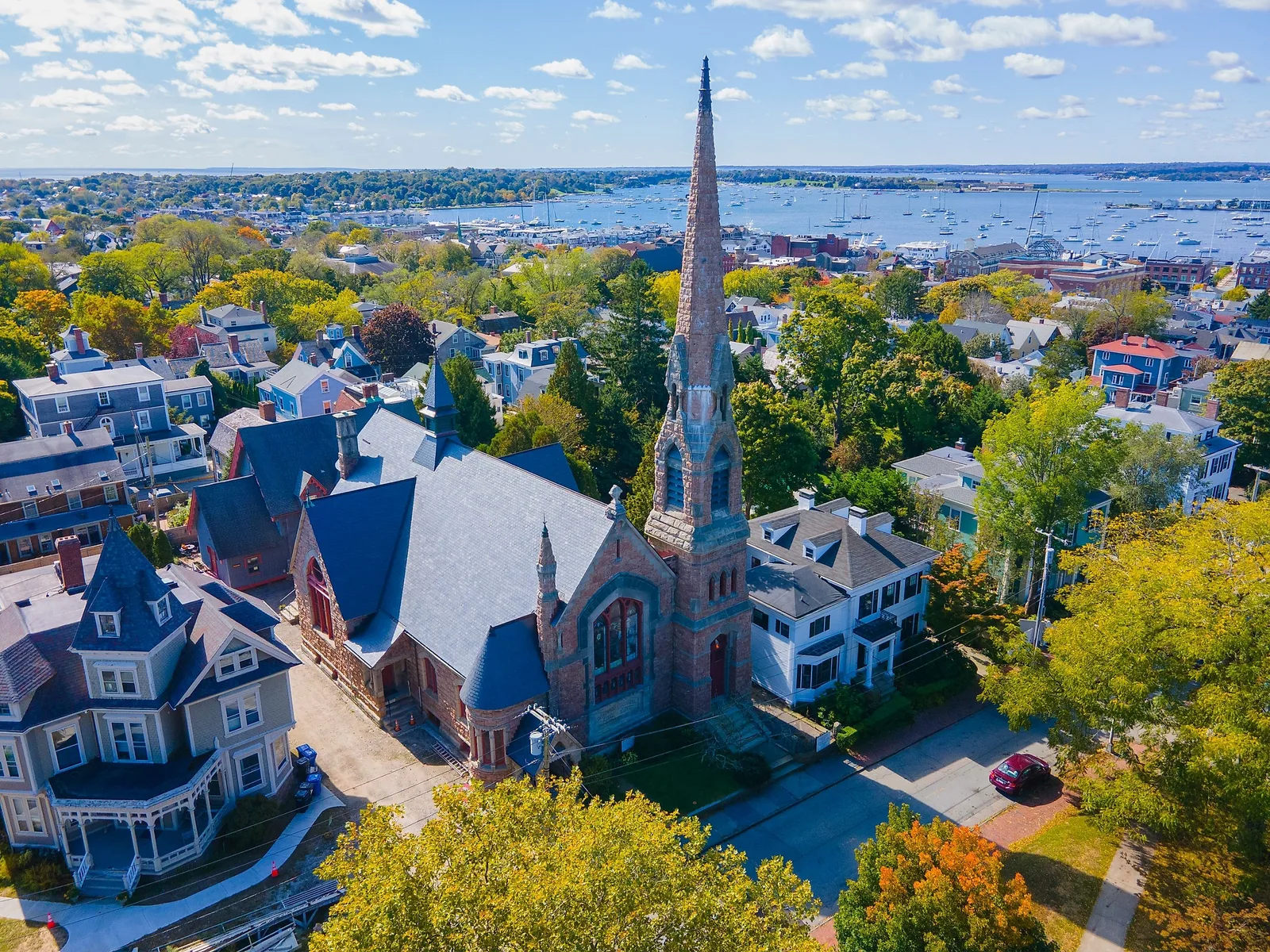
Coverage extends across Aquidneck Island and the surrounding mainland and island communities, including:
- Newport - the Point, Historic Hill, Fifth Ward, Ocean Drive, Bellevue Avenue, and Broadway.
- Middletown - Easton's Point, Green End, Wyatt Road corridor, and Third Beach neighborhoods.
- Portsmouth - Island Park, Common Fence Point, Bristol Ferry, and Prudence Island.
- Jamestown - Conanicut Island village center, Beavertail, and Dutch Island Harbor.
- Tiverton - Tiverton Four Corners, Nanaquaket, and Stone Bridge.
- Little Compton - the Commons, Sakonnet Point, and Adamsville.
Crews also respond to nearby Bristol County and East Bay properties. Familiarity with narrow historic streets, seasonal traffic on Thames Street, and bridge access timing helps equipment reach the site without avoidable delay.
Seasonal Damage Patterns in Newport County
Restoration demand follows the coastal calendar closely. Knowing what is coming helps property owners prepare.
- December - February: Frozen and burst pipes lead the season, especially in vacant summer homes. Chimney and heating-appliance fires peak, producing widespread smoke damage. Ice damming pushes meltwater under slate and asphalt roofing.
- March - April: Thaw plus spring rain raises the water table, and flooded basements dominate. Sewage backups rise as saturated ground overloads laterals and septic fields.
- May - June: Warming, damp conditions trigger the first mold complaints in basements, crawlspaces, and closed-up cottages.
- July - August: Salt-laden humidity and heavy air conditioning use cause condensation damage. Grilling and seasonal-rental kitchen fires increase.
- September - October: Tropical systems and nor'easters drive wind-driven rain intrusion, roof leaks, and coastal flooding along Island Park and low-lying shorelines.
- November: Heating systems restart, and dust burn-off, puff-backs from oil furnaces, and early pipe freezes begin the cycle again.
Housing Characteristics & Restoration Considerations
Newport County holds one of the oldest housing stocks in the country, with a large share of homes built before 1940 and a meaningful number predating 1900. That age changes nearly every restoration decision.
Construction Types and Their Impact
- Plaster over wood lath - holds water far longer than drywall and requires cavity drying with injection systems rather than simple air movement.
- Fieldstone and rubble foundations - porous and prone to seepage, demanding dedicated dehumidification after a flooded basement.
- Balloon framing - open wall cavities let water travel between floors and let smoke migrate to the attic, so inspection must extend well beyond the visible damage.
- Original heart pine and oak flooring - often salvageable with controlled drying mats instead of replacement.
- Knob-and-tube or early wiring - a recurring fire origin and a safety consideration during demolition.
- Cast iron and galvanized drain lines - corrode and fail, contributing to sewage cleanup calls.
- Condominiums and multifamily conversions - shared walls and stacked plumbing spread one unit's leak across several.
Historic Sensitivity
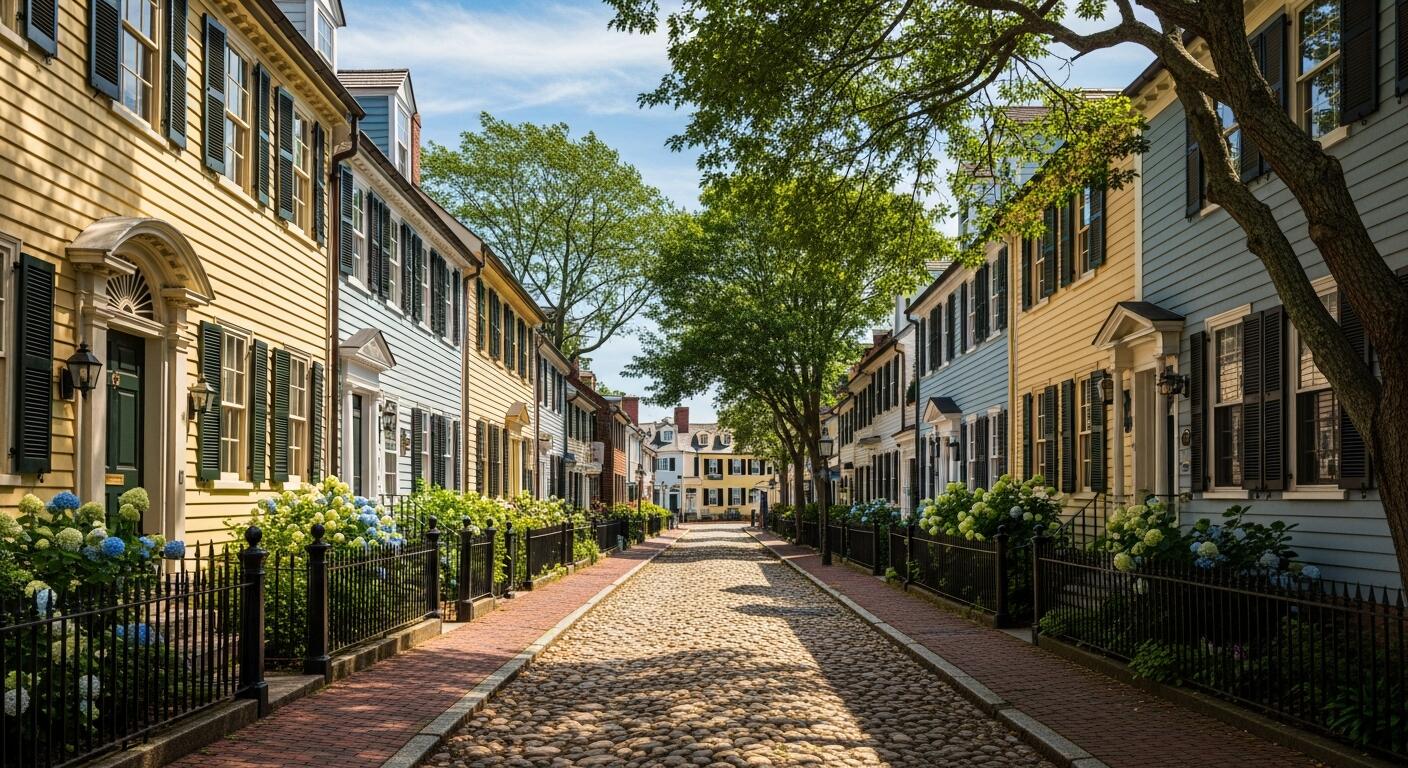
Properties in Newport's historic districts often carry preservation review requirements. Restoration cleaning approaches used on landmark buildings - gentle surface methods, salvage-first thinking, and detailed documentation of original materials - translate directly to private homes with period trim, decorative plaster, and antique furnishings. Matching materials and protecting irreplaceable finishes matters as much as removing the water or soot.
Environmental Conditions & Damage Implications
The county sits on Narragansett Bay and the Sakonnet River, and that setting drives most of the environmental pressure on buildings here.
Climate and Air
- Relative humidity stays elevated much of the year, keeping indoor moisture near the threshold where mold colonizes - roughly 60 percent and above.
- Salt aerosol accelerates corrosion of fasteners, HVAC coils, and electrical contacts, which worsens after any fire or water event.
- Moderate marine temperatures mean drying happens slowly without mechanical dehumidification; open windows rarely help.
- Wood smoke and heating-oil residues carry acidic compounds that continue etching surfaces until neutralized.
Soil, Water, and Drainage
- Glacial till and clay-heavy soils drain poorly, holding water against foundation walls after storms.
- Shallow bedrock in parts of Jamestown and Portsmouth limits infiltration and pushes runoff toward basements.
- Coastal properties face brackish groundwater intrusion, which leaves salts behind that attract moisture long after drying.
- Septic systems in Little Compton, Tiverton, and outer Portsmouth can surcharge during saturation, creating Category 3 conditions.
What This Means for Restoration
Drying plans here account for ambient humidity rather than assuming outdoor air will help. Salt residues get rinsed and neutralized, not just wiped. Mold remediation includes correcting the drainage or ventilation defect that allowed growth, because a coastal microclimate will reintroduce the problem within a season if the source stays unaddressed.
Protecting Historic and Waterfront Properties During Restoration
A leak in a 1740s colonial on Historic Hill and a leak in a 1990s Middletown ranch are not the same job. The first involves irreplaceable material, restricted access, and finishes that respond badly to aggressive methods. Thorough restoration in Newport County starts with recognizing which category a property falls into.
How a Detail-Driven Response Unfolds
- Emergency stabilization - extraction, board-up, roof tarping, and power isolation to stop the loss from growing.
- Documentation - photographs, moisture readings, and material inventories recorded before anything is removed, supporting both insurance claims and any preservation review.
- Salvage assessment - determining which plaster, millwork, flooring, and furnishings can be dried or cleaned rather than discarded.
- Containment - negative air machines and barriers that keep soot, sewage aerosols, or mold spores out of unaffected rooms.
- Controlled drying - injection drying for wall cavities, floor mat systems for hardwood, and daily moisture logging until materials reach dry standard.
- Surface restoration - soot removal calibrated to substrate, odor neutralization at the molecular level, and antimicrobial application where warranted.
- Reconstruction - profile-matched trim, period-appropriate plaster repair, and finish work that blends with surrounding original material.
Waterfront Considerations
- Crawlspaces beneath elevated cottages need encapsulation review after any flood event.
- Brackish water contact requires flushing of salts before sealing or refinishing.
- Mechanical systems near grade - furnaces, panels, water heaters - are inspected for corrosion following basement flooding.
- Seasonal properties benefit from post-restoration monitoring, since problems go unnoticed in unoccupied months.
The payoff is a home that is genuinely dry, odor-free, and structurally sound - not simply repainted over an unresolved moisture problem.