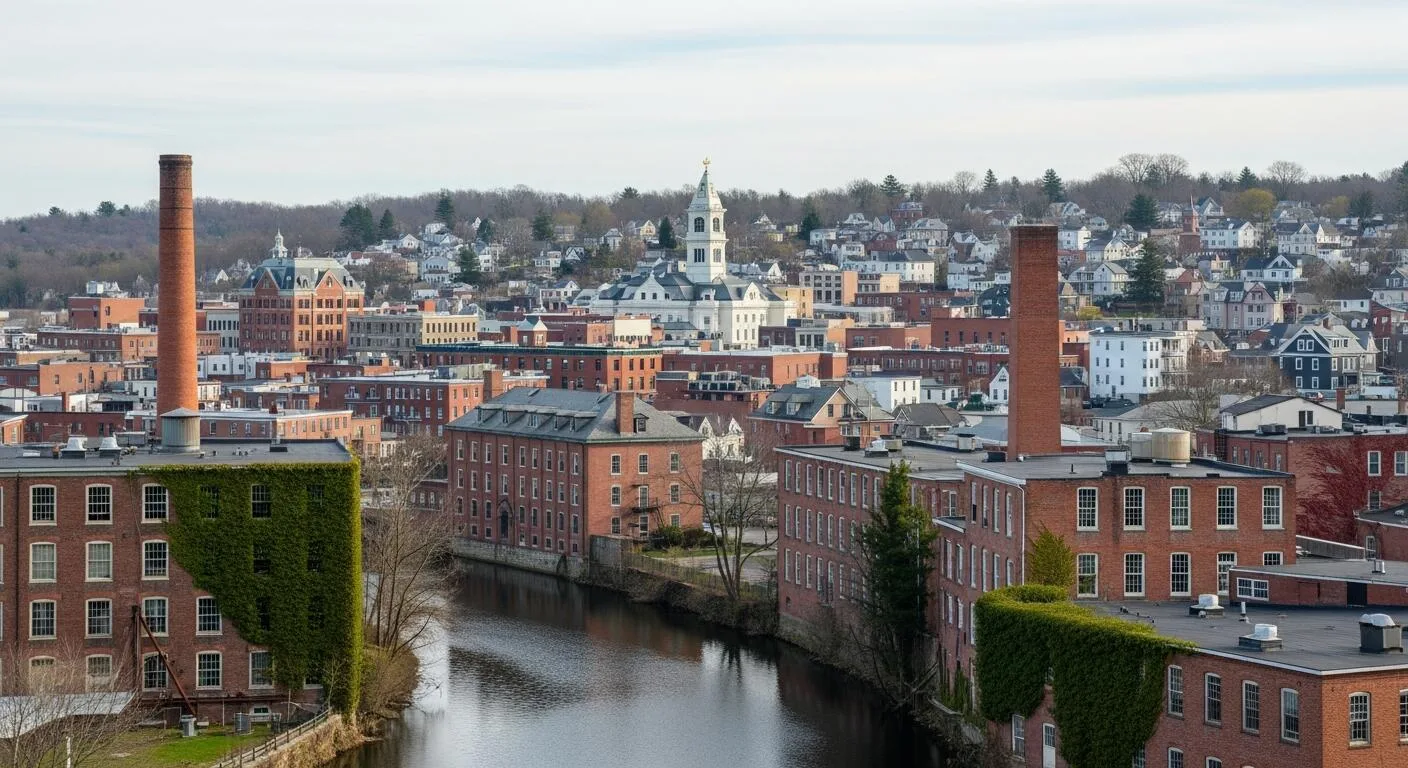
Damage Restoration in Providence, RI
- Damage Restoration Services Overview
- Common Damage Restoration Issues in Providence, Rhode Island
- Neighborhoods We Serve in Providence
- Seasonal Damage Patterns in Providence
- Housing Characteristics & Restoration Considerations
- Environmental Conditions & Damage Implications
- Historic District Restoration Challenges in Providence
Damage Restoration Services Overview
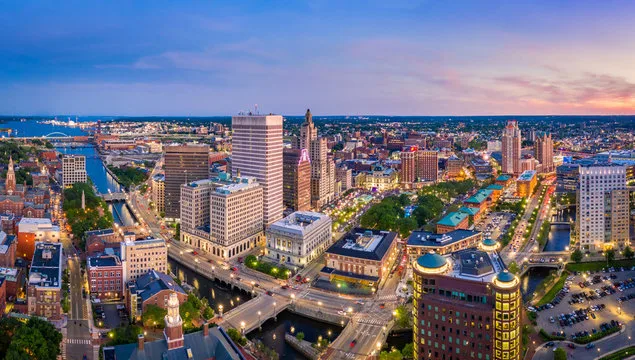
When disaster strikes your Providence home, professional restoration services provide the peace of mind and expertise needed to return your property to its pre-loss condition. Immediate Restoration Pros offers comprehensive damage restoration solutions throughout Rhode Island, coordinating emergency response while handling all structural restoration work.
Our complete range of restoration services addresses every type of property damage:
- Water Damage Restoration - From burst pipes to storm flooding, addressing water intrusion and structural drying
- Flooded Basement - Specialized extraction, dehumidification, and restoration for below-grade spaces
- Sewage Cleanup - Safe removal and sanitization of contaminated water and affected materials
- Fire Damage Restoration - Structural repairs and reconstruction after fire incidents
- Smoke Damage Restoration - Odor elimination and cleaning of smoke-affected surfaces and contents
- Mold Removal - Professional remediation and prevention of fungal growth
With 30-60 minute average response times and 24/7 availability, we coordinate immediate emergency services with trusted licensed partners while our restoration team prepares for structural work. This dual approach means faster response times for emergency situations while maintaining quality control over all reconstruction phases.
Common Damage Restoration Issues in Providence, Rhode Island
Providence's coastal location and historic housing stock create unique restoration challenges. The city's proximity to Narragansett Bay and numerous waterways increases flood risk, while aging infrastructure contributes to plumbing failures and water damage incidents.
Common damage patterns affecting Providence properties include:
- Basement flooding from storm surge, heavy rainfall, and groundwater infiltration
- Pipe bursts in older homes with original plumbing systems
- Sewer backups during heavy rain events overwhelming the municipal system
- Fire damage in densely packed neighborhoods with older electrical systems
- Smoke infiltration between connected row houses and multi-family buildings
- Mold growth in humid coastal conditions, especially in basements and crawl spaces
Warning signs requiring immediate attention:
- Standing water in basements or crawl spaces
- Musty odors indicating hidden moisture or mold
- Discolored walls or ceilings from water intrusion
- Persistent smoke odors after fire incidents
- Sewage odors from backup situations
- Visible mold growth on surfaces
The combination of coastal humidity, older building materials, and seasonal weather patterns makes prompt professional intervention critical for preventing secondary damage and health hazards.
Neighborhoods We Serve in Providence
Our restoration services cover all Providence neighborhoods and surrounding communities throughout Rhode Island. We regularly serve historic areas like Federal Hill, The Hill, and Elmwood, where older housing stock requires specialized restoration techniques.
Service areas include:
- Downtown Providence - High-rise and commercial restoration projects
- Federal Hill - Historic home restoration and modernization
- The Hill - Multi-family property damage restoration
- Elmwood - Residential water and fire damage services
- Smith Hill - Basement flooding and mold remediation
- Mount Hope - Storm damage and emergency services
- Wayland - Single-family home restoration projects
We also serve surrounding communities including Cranston, Warwick, East Providence, and North Providence, providing the same comprehensive restoration services throughout the greater Providence metropolitan area.
Seasonal Damage Patterns in Providence
Providence's seasonal weather patterns create predictable damage restoration needs throughout the year. Understanding these patterns helps property owners prepare for potential issues and respond quickly when problems arise.
Winter (December - February):
- Frozen pipe bursts during cold snaps
- Ice dam water damage in older homes
- Heating system fires and carbon monoxide issues
Spring (March - May):
- Basement flooding from snowmelt and spring rains
- Sewer backups during heavy precipitation
- Mold growth from winter moisture accumulation
Summer (June - August):
- Storm damage from severe thunderstorms
- Hurricane and tropical storm flooding
- Increased mold growth in humid conditions
Fall (September - November):
- Hurricane season coastal flooding
- Nor'easter storm damage
- Heating system preparation and early fire risks
Coastal storms and nor'easters pose the greatest flood risk, while the heating season brings increased fire danger from older furnaces and electrical systems.
Housing Characteristics & Restoration Considerations
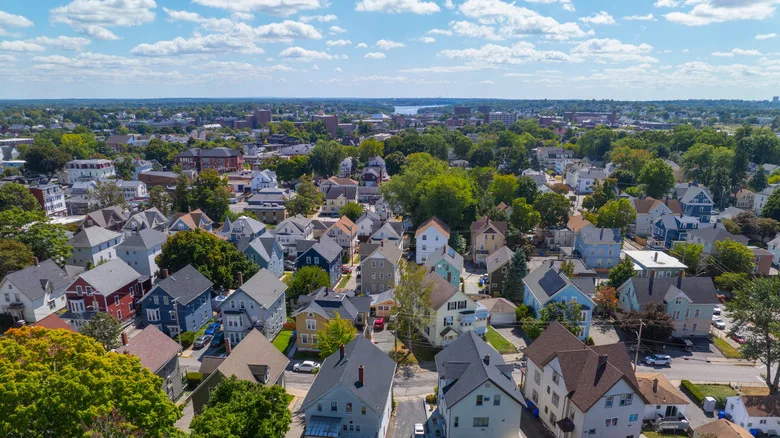
Providence's housing stock reflects over 300 years of architectural history, with significant implications for restoration work. The median home age exceeds 70 years, with many properties dating to the early 1900s or earlier.
Common construction characteristics affecting restoration:
- Three-decker homes - Multi-family wooden structures requiring specialized fire and water damage approaches
- Victorian-era singles - Ornate details needing careful smoke damage cleaning and fire restoration
- Colonial and Federal styles - Historic materials requiring specialized mold removal techniques
- Post-war ranch homes - Basement flooding issues and foundation water intrusion
- Modern condominiums - Shared wall smoke migration and water damage coordination
Restoration challenges specific to Providence housing:
- Lead paint and asbestos considerations in pre-1978 construction
- Knob-and-tube electrical systems increasing fire risk
- Cast iron and galvanized plumbing prone to failures
- Uninsulated basements susceptible to flooding and mold
- Shared walls in multi-family properties complicating smoke and water damage
These characteristics require experienced restoration professionals familiar with historic building materials and modern safety requirements. Proper assessment and remediation techniques must balance preservation of historic features with current building codes and health standards.
Environmental Conditions & Damage Implications
Providence's coastal New England climate creates specific environmental conditions that influence damage restoration needs. The city experiences high humidity levels, seasonal temperature extremes, and significant precipitation that affect property damage patterns.
Climate factors impacting restoration work:
- High humidity (average 65-75%) accelerating mold growth and complicating drying processes
- Coastal salt air corroding building materials and affecting fire damage restoration
- Freeze-thaw cycles damaging foundations and creating water intrusion points
- Heavy precipitation (45+ inches annually) overwhelming drainage systems
Soil and water conditions affecting basement flooding:
- Clay-rich soils with poor drainage characteristics
- High water table in low-lying areas near the bay
- Combined sewer systems prone to backups during storms
- Tidal influence affecting groundwater levels
Air quality considerations for restoration:
- Urban pollution requiring enhanced filtration during restoration
- Seasonal pollen affecting indoor air quality post-restoration
- Industrial emissions from port activities impacting smoke damage assessment
These environmental factors require specialized restoration approaches, including enhanced dehumidification for water damage, extended drying times for flooded basements, and careful air quality monitoring during mold removal and smoke damage restoration projects.
Historic District Restoration Challenges in Providence
Providence's numerous historic districts present unique restoration challenges that require specialized expertise and careful coordination with preservation authorities. The city contains several National Register Historic Districts, including Benefit Street's "Mile of History," where restoration work must balance modern safety requirements with historic preservation standards.
Historic district restoration considerations include:
- Preservation Commission approvals for exterior work and material changes
- Period-appropriate materials matching original construction methods
- Structural limitations of 18th and 19th-century building techniques
- Environmental hazards common in pre-1950 construction
Water damage restoration in historic properties requires careful material assessment and specialized drying techniques. Original plaster walls, wide-plank floors, and hand-hewn timber framing demand restoration approaches that preserve historic integrity while addressing modern moisture control needs.
Fire and smoke damage restoration becomes particularly complex when dealing with:
- Irreplaceable architectural details requiring specialized cleaning
- Historic paint layers needing careful removal and documentation
- Original building materials with unknown fire resistance properties
- Structural repairs that must match original construction techniques
Mold removal in historic properties often involves traditional building materials like horsehair plaster, hand-split lath, and lime mortar that require specialized remediation techniques. These materials may harbor moisture differently than modern construction, requiring extended monitoring and treatment protocols.
Successful historic property restoration requires restoration professionals experienced with preservation standards, familiar with traditional building materials, and capable of coordinating with historic preservation authorities throughout the restoration process.