
Damage Restoration in Central Falls, RI
- Damage Restoration Services Overview
- Common Damage Restoration Issues in Central Falls, Rhode Island
- Neighborhoods We Serve in Central Falls
- Seasonal Damage Patterns in Central Falls
- Housing Characteristics & Restoration Considerations
- Environmental Conditions & Damage Implications
- Historic Mill Building Restoration Challenges
Damage Restoration Services Overview
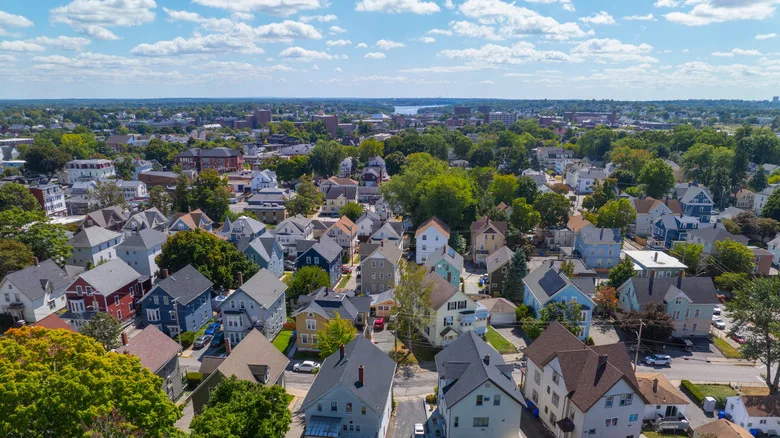
Central Falls, Rhode Island faces unique restoration challenges due to its dense urban environment, aging infrastructure, and proximity to the Blackstone River. The city's older housing stock and industrial history create specific vulnerabilities that require specialized restoration expertise.
Professional damage restoration services address multiple emergency situations that can impact your property:
- Water Damage Restoration - Rapid extraction, drying, and structural repair following floods, leaks, or burst pipes
- Flooded Basement - Specialized techniques for below-grade water removal and moisture control
- Sewage Cleanup - Safe removal and sanitization of contaminated water and materials
- Fire Damage Restoration - Complete reconstruction and repair of fire-affected structures
- Smoke Damage Restoration - Odor elimination and cleaning of smoke-affected surfaces and contents
- Mold Removal - Professional remediation and prevention of fungal growth
Most residential water damage restoration projects in Central Falls take 3 to 7 days for the drying phase alone, depending on the extent of saturation. Quick response times help minimize secondary damage and reduce overall restoration costs. Professional teams use advanced moisture detection equipment, industrial-grade dehumidifiers, and specialized cleaning techniques to restore properties to pre-damage conditions.
Common Damage Restoration Issues in Central Falls, Rhode Island
Central Falls experiences specific damage patterns due to its urban density and geographic location. The city's aging infrastructure and proximity to waterways create recurring restoration challenges for residents and business owners.
Frequent water damage issues include:
- Basement flooding from Blackstone River overflow during heavy rains
- Burst pipes in older homes with outdated plumbing systems
- Roof leaks in multi-family buildings with deferred maintenance
- Sewer backups affecting lower-level units in dense housing areas
Fire and smoke damage commonly results from:
- Kitchen fires in older apartments with inadequate ventilation
- Electrical issues in buildings with outdated wiring
- Heating system malfunctions during winter months
- Neighboring property fires spreading through connected structures
Mold growth frequently occurs due to:
- High humidity levels from poor ventilation in older buildings
- Persistent moisture issues in basements and lower levels
- Hidden leaks behind walls in aging plumbing systems
- Inadequate moisture control following water damage events
Early warning signs include musty odors, visible water stains, peeling paint, warped flooring, and persistent dampness. Recognizing these indicators helps prevent minor issues from becoming major restoration projects.
Neighborhoods We Serve in Central Falls
Professional damage restoration services cover all areas of Central Falls and surrounding communities. The city's compact size allows for rapid response times to any location within the municipal boundaries.
Service areas include:
- Downtown Central Falls business district
- Residential neighborhoods along Broad Street
- Multi-family housing areas near Dexter Street
- Industrial zones along the Blackstone River
- Border areas adjacent to Pawtucket and Lincoln
- Historic districts with older housing stock
The city's dense urban layout means damage in one property can quickly affect neighboring buildings. Professional restoration teams understand these interconnected risks and implement containment strategies to prevent damage spread. Quick response capabilities serve the entire Central Falls area, including emergency services for both residential and commercial properties throughout the community.
Seasonal Damage Patterns in Central Falls
Central Falls experiences distinct seasonal damage patterns that require different restoration approaches throughout the year. Understanding these cycles helps property owners prepare for common issues and respond quickly when damage occurs.
Spring brings the highest risk for water damage and flooding:
- March through May - Snowmelt and spring rains cause basement flooding
- Blackstone River overflow affects properties near waterways
- Roof damage becomes apparent as snow melts reveal winter damage
Summer months present fire and mold challenges:
- June through August - Increased fire risk from electrical system strain
- High humidity levels promote mold growth in poorly ventilated areas
- Storm damage from severe weather and occasional hurricanes
Fall and winter create unique restoration needs:
- September through November - Heating system preparation reveals potential fire hazards
- December through February - Frozen pipes burst causing water damage
- Ice dam formation leads to roof leaks and interior water damage
- Increased indoor heating creates dry conditions that can worsen fire damage
Professional restoration teams adjust their response strategies based on seasonal patterns, maintaining appropriate equipment and staffing levels to handle predictable damage peaks throughout the year.
Housing Characteristics & Restoration Considerations
Central Falls housing stock significantly influences restoration approaches and techniques. The city features predominantly older construction that requires specialized knowledge and methods for effective damage restoration.
Typical housing characteristics include:
- Multi-family structures built between 1900-1950
- Three-decker homes with shared walls and utilities
- Mixed-use buildings combining residential and commercial spaces
- Limited single-family homes, mostly in outlying areas
These older buildings present specific restoration challenges:
- Water damage spreads quickly through shared wall cavities and older flooring systems
- Fire damage can affect multiple units due to connected structures and shared ventilation
- Smoke damage penetrates porous materials like original plaster and hardwood
- Mold growth thrives in areas with poor ventilation and aging moisture barriers
Restoration work must account for:
- Lead paint and asbestos considerations in pre-1978 construction
- Knob-and-tube electrical systems requiring careful handling
- Galvanized plumbing prone to corrosion and failure
- Minimal insulation allowing rapid temperature and moisture changes
- Shared building systems affecting multiple units simultaneously
Professional restoration teams use specialized techniques for older construction, including careful material testing, appropriate containment procedures, and restoration methods that preserve historical character while meeting modern safety standards.
Environmental Conditions & Damage Implications
Central Falls environmental conditions significantly impact damage restoration needs and methods. The city's geographic location and urban characteristics create specific challenges that restoration professionals must address.
Climate factors affecting restoration include:
- Humid continental climate with high summer humidity levels
- Average annual rainfall of 47 inches creating persistent moisture concerns
- Temperature fluctuations causing expansion and contraction in building materials
- Nor'easter storms bringing heavy precipitation and wind damage
Geographic influences on damage patterns:
- Blackstone River proximity increases flood risk during heavy rains
- Urban heat island effect intensifies summer humidity and mold growth
- Dense building layout restricts airflow and natural drying
- Industrial history contributes to soil and groundwater contamination concerns
Environmental impacts on specific restoration services:
- Water damage - High humidity slows natural drying, requiring industrial dehumidification
- Mold removal - Persistent moisture creates ideal growth conditions year-round
- Fire restoration - Humidity affects smoke odor absorption and material degradation
- Sewage cleanup - Urban runoff increases contamination risks during flooding
Restoration teams must account for these environmental factors when developing drying strategies, selecting equipment, and determining project timelines. Professional monitoring of moisture levels, air quality, and environmental conditions helps achieve successful restoration outcomes despite challenging local conditions.
Historic Mill Building Restoration Challenges
Central Falls historic mill buildings present unique damage restoration challenges that require specialized expertise and techniques. These massive brick and timber structures, originally built for textile manufacturing, now house residential lofts, commercial spaces, and mixed-use developments throughout the city.
Common restoration issues in converted mill buildings include:
- Water damage from roof leaks in expansive flat or low-slope roofing systems
- Flooding in lower levels due to inadequate modern drainage systems
- Fire damage risks from outdated electrical systems not designed for modern loads
- Smoke damage affecting large open spaces with high ceilings and exposed beams
- Mold growth in areas with poor ventilation and thermal bridging through masonry walls
Restoration complexities specific to mill buildings:
- Massive timber construction requires specialized drying techniques for heavy beam structures
- Brick masonry walls absorb and retain moisture, extending drying times significantly
- Open floor plans allow rapid damage spread but also facilitate large-scale equipment placement
- High ceilings create unique challenges for smoke and odor removal
- Historic preservation requirements limit restoration methods and material choices
Professional restoration in these buildings demands understanding of both historical construction methods and modern restoration technology. Teams must balance preservation of original architectural features with necessary safety upgrades and damage remediation. Specialized equipment like high-capacity dehumidifiers, thermal imaging cameras, and industrial air scrubbers help address the unique scale and complexity of mill building restoration projects while respecting their historic significance to Central Falls community heritage.





