
Damage Restoration in Newport, RI
- Damage Restoration Services Overview
- Common Damage Restoration Issues in Newport, Rhode Island
- Neighborhoods We Serve in Newport
- Seasonal Damage Patterns in Newport
- Housing Characteristics & Restoration Considerations
- Environmental Conditions & Damage Implications
- Protecting Seasonal Homes, Inns, and Rental Properties on Aquidneck Island
Damage Restoration Services Overview
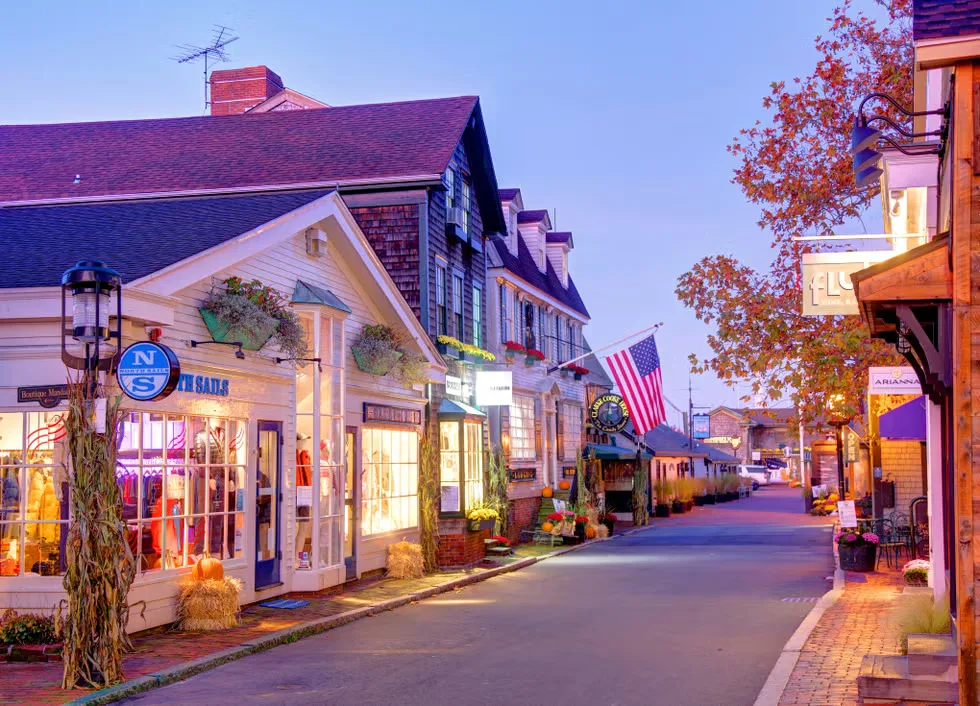
Water that sits for a weekend in a Newport basement rarely stays a simple water problem. Within days, framing absorbs moisture, plaster softens, subfloors delaminate, and mold colonies take hold behind baseboards where nobody sees them until the smell arrives. Smoke and soot behave the same way - acidic residues keep etching metal, glass, and finishes long after the flames are out.
Coordinated restoration addresses the damage and the aftermath together:
- Water Damage Restoration - extraction, structural drying, moisture mapping, and monitoring until materials return to dry standards
- Flooded Basement - pump-outs, contents handling, and drying of foundation walls and slabs
- Sewage Cleanup - containment, removal of contaminated porous materials, and antimicrobial treatment of category three losses
- Fire Damage Restoration - debris removal, board-up, structural cleaning, and coordination of rebuild work
- Smoke Damage Restoration - soot removal, odor neutralization, HVAC cleaning, and contents restoration
- Mold Removal - containment, HEPA filtration, removal of affected materials, and correction of the moisture source
For Newport property owners - from harborfront condos to Colonial-era homes on the Point - fast, documented response protects historic materials, limits insurance disputes, and keeps a one-room loss from becoming a whole-house project.
Common Damage Restoration Issues in Newport, Rhode Island
Aquidneck Island properties face a specific combination of salt air, coastal storms, aging infrastructure, and cold snaps that drive restoration calls throughout the year.
What Typically Causes Damage Here
- Frozen and burst pipes - uninsulated lines in crawl spaces, exterior walls, and seasonally closed summer homes
- Ice dams - meltwater backing up under shingles on steep older roofs, staining ceilings and soaking wall cavities
- Coastal and storm surge flooding - nor'easters and tropical systems pushing water into low-lying streets and basements
- Groundwater intrusion - high water tables and heavy rain overwhelming sump pumps and old stone foundations
- Sewer backups - combined and aging municipal lines surcharging during downpours, sending contaminated water into finished basements
- Kitchen and chimney fires - older wiring, wood stoves, and unlined masonry flues in historic housing stock
- Persistent humidity - marine air keeping indoor moisture elevated and feeding mold in closed-up rooms
Warning Signs Worth Acting On
- Musty odor that intensifies on humid days or after rain
- Cupped hardwood, bubbling paint, or chalky white staining on foundation walls
- Rust at the base of a water heater, boiler, or washing machine connection
- Sluggish floor drains or gurgling fixtures - a common precursor to sewage backup
- Smoke odor returning during warm, humid weather after a past fire
- Visible dark speckling on closet walls, behind furniture, or on basement joists
Any of these signals moisture or residue that has already moved beyond the surface and needs professional assessment.
Neighborhoods We Serve in Newport
Restoration needs shift block by block on the island, and crews respond across the full city and the surrounding East Bay communities.
- The Point - dense Colonial homes with shallow basements and original woodwork
- Historic Hill and Bellevue Avenue - large historic estates and carriage houses with complex mechanical systems
- Fifth Ward and Wellington - close-set frame houses near the harbor
- Ocean Drive and Brenton Point - exposed shoreline properties facing wind-driven rain
- Broadway, Kay Street, and Catherine Street - mixed residential and commercial buildings
- Downtown, Thames Street, and the waterfront - restaurants, inns, and retail with tight turnaround needs
Service also extends to Middletown, Portsmouth, Jamestown, Tiverton, Little Compton, Bristol, and Warren - covering both island properties and the mainland East Bay.
Seasonal Damage Patterns in Newport
Winter (December - March)
- Burst supply lines in unheated and vacant seasonal homes
- Ice dam leaks along eaves, dormers, and valleys
- Heating-related fires from wood stoves, chimneys, and space heaters
- Smoke damage from puff-back events on oil-fired boilers
Spring (April - June)
- Snowmelt and heavy rain filling basements and testing sump pumps
- Sewage backups when storm volume surcharges older lines
- Mold appearing on winter-dampened framing as temperatures climb
Summer (July - September)
- Peak humidity driving mold growth in basements, closets, and rental units
- Hurricane and tropical storm surge along low-lying shoreline streets
- Air conditioning condensate line leaks and overflowing drain pans
- Grill and outdoor cooking fires at densely built properties
Fall (October - November)
- Nor'easters bringing wind-driven rain through compromised roofs and windows
- Clogged gutters overflowing against foundations
- Season-opening furnace and chimney fires and associated smoke odor
- Water intrusion in homes being closed up for the off-season
Housing Characteristics & Restoration Considerations
Newport holds one of the oldest concentrations of intact housing stock in the country, and that age dictates how restoration work is performed.
Construction Types Found Across the City
- Colonial and Federal-era homes - post-and-beam framing, wide-plank floors, horsehair plaster, and rubble stone foundations
- Victorian and Gilded Age estates - ornate millwork, decorative plaster, slate roofs, and multi-level basements
- Early-to-mid 20th century frame houses - balloon framing that allows water and smoke to travel vertically inside wall cavities
- Converted multi-family and condo units - shared plumbing stacks where one failure affects several units
- Modern coastal construction - elevated foundations, slabs, and conditioned crawl spaces
How Age Affects the Work
- Drying takes longer - dense old-growth lumber, plaster, and stone hold moisture far past the point where drywall would read dry
- Hazardous materials require testing - lead paint, asbestos pipe wrap, and vermiculite are common in pre-1978 buildings
- Historic finishes need salvage-first methods - controlled drying and gentle cleaning instead of automatic demolition
- Hidden pathways spread damage - chases, knob-and-tube runs, and unblocked stud bays carry water, soot, and odor
- Basements are frequently below grade and unsealed - dirt floors and porous stone walls make flooded basement drying and mold removal more involved
- Preservation approvals may apply - repairs in historic districts often require compatible materials and documentation
Environmental Conditions & Damage Implications
Newport's maritime setting shapes nearly every loss on the island.
Climate and Air
- High year-round relative humidity from Narragansett Bay and the Atlantic slows natural drying and sustains mold activity
- Salt-laden air accelerates corrosion, which compounds after a fire when acidic soot settles on metal fixtures and electronics
- Strong onshore winds drive rain horizontally into siding joints, window frames, and roof penetrations
- Freeze-thaw cycling opens cracks in masonry, mortar, and foundation walls
Water and Soil
- Shallow water tables near the harbor and along low elevations push hydrostatic pressure against basement walls
- Glacial till and clay-heavy soils drain slowly, holding water against foundations after storms
- Rocky ledge in some areas forces runoff sideways toward structures rather than downward
- Aging sewer infrastructure raises the risk of contaminated backups during heavy rainfall
What This Means for Restoration
- Dehumidification must be sized for coastal humidity - equipment that works inland often falls short here
- Moisture readings are verified with meters and thermal imaging rather than surface appearance
- Sewage cleanup follows category three protocols with containment, PPE, and removal of porous materials
- Fire and smoke residues are cleaned promptly to limit salt-accelerated corrosion and permanent etching
- Mold remediation pairs removal with drainage, ventilation, and grading corrections so growth does not return
Protecting Seasonal Homes, Inns, and Rental Properties on Aquidneck Island
Newport's economy runs on visitors, and a large share of property sits vacant or lightly occupied for months at a time. Unoccupied buildings are where small failures turn into major losses - a supply line lets go in February and nobody discovers it until April.
Why Vacant Properties See Worse Damage
- No one is present to hear running water, smell smoke, or notice a tripped sump pump
- Heat is often set low, increasing freeze risk in exterior walls and attic plumbing
- Closed-up rooms trap humid air, creating ideal conditions for widespread mold growth
- Extended saturation moves losses from category one clean water to contaminated categories
- Insurance policies frequently carry vacancy conditions that reward documented maintenance
Off-Season Steps That Reduce Risk
- Shut off and drain the water supply, or install an automatic leak-detection shutoff valve
- Maintain heat above freezing and insulate pipes in crawl spaces, attics, and exterior walls
- Install monitored water sensors near boilers, water heaters, laundry hookups, and sump pits
- Test the sump pump and add a battery backup before storm season
- Clear gutters, downspouts, and roof valleys ahead of winter and again before fall nor'easters
- Service the chimney, boiler, and dryer vent to reduce fire and puff-back risk
- Run a dehumidifier with a drain line in basements through the humid months
- Arrange regular property checks and keep photos and receipts for insurance documentation
Priorities for Inns and Commercial Buildings
- Restoration scheduled around booking calendars and peak visitor weeks
- Containment and negative air so unaffected guest rooms stay usable
- Odor control that clears smoke smell from soft goods, HVAC systems, and hallways
- Detailed moisture logs and photo documentation for insurers and property managers
Whether the call involves a flooded basement on the Point, a sewage backup downtown, or lingering smoke odor in a Bellevue Avenue property, early response and thorough drying determine how much of the original building survives.





