
Damage Restoration in Newport East, RI
- Damage Restoration Services Overview
- Common Damage Restoration Issues in Newport East, Rhode Island
- Neighborhoods We Serve in Newport East
- Seasonal Damage Patterns in Newport East
- Housing Characteristics & Restoration Considerations
- Environmental Conditions & Damage Implications
- Emergency Response and the Insurance Process on Aquidneck Island
Damage Restoration Services Overview
When water pours through a ceiling or smoke settles into every room, the fastest relief comes from knowing trained help is already on the way. Restoration work in Newport East focuses on stabilizing the property first, then returning it to pre-loss condition with documentation at every step.
Property owners here rely on a connected set of services that often overlap during a single incident:
- Water Damage Restoration - extraction, structural drying, moisture mapping, and monitoring after burst pipes, roof leaks, or storm intrusion.
- Flooded Basement Cleanup - pumping standing water, drying foundation walls and slabs, and salvaging stored belongings.
- Sewage Cleanup - removal of contaminated material, antimicrobial treatment, and safe disposal after backups or septic failures.
- Fire Damage Restoration - debris removal, structural cleaning, board-up, and coordination toward rebuild.
- Smoke Damage Restoration - soot removal from surfaces and contents, odor neutralization, and HVAC cleaning.
- Mold Removal - containment, source correction, controlled removal, and post-remediation verification.
Key benefits for Newport East households and businesses include limiting secondary damage, protecting indoor air quality, preserving salvageable contents, and producing the photo and moisture records insurers ask for.
Common Damage Restoration Issues in Newport East, Rhode Island
Life on Aquidneck Island means salt air, coastal storms, and older housing stock - a combination that produces predictable restoration calls year after year.
Frequent Causes of Loss
- Frozen and burst supply lines in crawl spaces, attics, and unheated additions during hard freezes.
- Ice dams that lift shingles along the eaves, sending meltwater into wall cavities and ceilings.
- Coastal and tidal flooding near the Sakonnet River and East Passage shorelines.
- Nor'easter and hurricane-season wind-driven rain around older windows, chimneys, and roof penetrations.
- Sewer and septic backups when saturated soils overwhelm drainage systems.
- Kitchen fires, chimney and woodstove fires, and electrical faults in aging service panels.
Warning Signs Worth Acting On
- Musty odors in basements, closets, or behind furniture on exterior walls.
- Bubbling paint, stained ceiling tiles, or cupping hardwood near exterior doors.
- Efflorescence - white powdery residue - on fieldstone or block foundation walls.
- Slow floor drains, gurgling toilets, or sewage odor after heavy rain.
- Lingering smoke smell that returns on humid days, indicating soot still trapped in porous materials.
- Rust on mechanical equipment or condensation on ductwork in unconditioned spaces.
Because moisture migrates quickly through plaster, lath, and wood framing, small signs frequently point to larger hidden damage behind finishes.
Neighborhoods We Serve in Newport East
Coverage spans the census-designated area of Newport East and the surrounding communities of Aquidneck Island and the East Bay.
- Middletown village centers along West Main Road and East Main Road
- Easton's Point, Purgatory Road, and neighborhoods near Second Beach and Sachuest
- Green End, Wyatt Road, and Valley Road corridors
- Newport's Broadway, Kay Street, Fifth Ward, and Point sections
- Portsmouth areas including Island Park, Common Fence Point, and Bristol Ferry
- Jamestown, Tiverton, Little Compton, and Bristol across the bridges
Service reaches single-family homes, historic properties, condominium associations, rental units, restaurants, marinas, and small commercial buildings. Familiarity with island access routes, bridge traffic, and seasonal congestion helps crews reach properties without unnecessary delay.
Seasonal Damage Patterns in Newport East
Winter (December - March)
- Frozen and burst pipes in unheated garages, attics, and vacation homes left at low thermostat settings.
- Ice dams pushing water beneath shingles into ceilings and exterior walls.
- Heating-related fire and smoke damage from furnaces, space heaters, and chimneys.
Spring (April - June)
- Snowmelt and heavy rain producing flooded basements and hydrostatic seepage.
- Sewage backups when systems and saturated soils reach capacity.
- Mold growth beginning as temperatures climb and winter moisture lingers.
Summer (July - September)
- High coastal humidity fueling mold in basements, crawl spaces, and closed-up seasonal properties.
- Air conditioning condensate line clogs causing ceiling and wall leaks.
- Grilling and outdoor cooking fires that spread to structures.
Fall (October - November)
- Hurricane and nor'easter season bringing wind-driven rain, roof damage, and tidal flooding.
- Clogged gutters from leaf fall redirecting water toward foundations.
- First fires of the season in chimneys and flues that were never inspected.
Housing Characteristics & Restoration Considerations
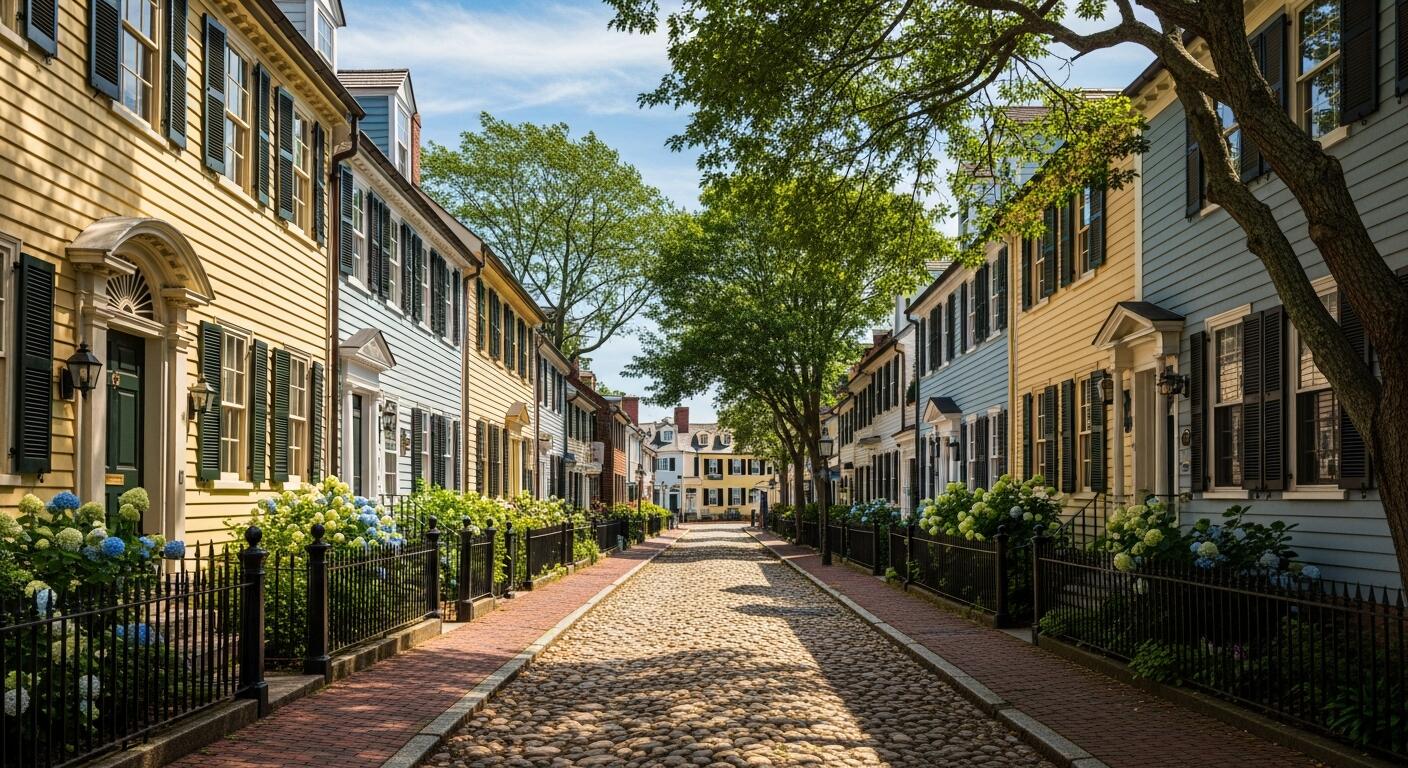
Newport East blends colonial-era and Victorian homes with mid-century ranches, Capes, and newer coastal construction. That variety shapes how each loss is handled.
Common Construction Types
- Pre-1900 homes - plaster and lath, balloon framing, fieldstone or rubble foundations, wood-shingle exteriors.
- Early to mid-century Capes and colonials - block foundations, finished basements, cast iron drain lines, knob-and-tube remnants.
- Ranches and split-levels - crawl spaces, slab sections, and low-clearance mechanical areas.
- Newer coastal builds and condominiums - shared walls, elevated foundations, and multi-unit water migration risks.
How Age and Materials Affect Restoration
- Balloon framing lets water and smoke travel vertically between floors, so inspection extends well beyond the visible damage.
- Plaster holds moisture longer than drywall and often requires targeted drying rather than immediate demolition, preserving historic finishes.
- Stone and block foundations wick groundwater, making flooded basement drying and dehumidification a longer, closely monitored process.
- Aging cast iron and clay laterals crack and root-intrude, raising sewage backup risk in older neighborhoods.
- Porous antique woodwork absorbs soot and odor, calling for specialized cleaning and sealing during smoke restoration.
- Tight modern envelopes trap humidity, so mold removal must address ventilation, not just the visible growth.
Environmental Conditions & Damage Implications
The maritime climate of Aquidneck Island influences nearly every restoration decision made here.
Climate and Air
- Humid summers with dew points that keep indoor relative humidity elevated, feeding mold on stored contents and framing.
- Salt-laden air that accelerates corrosion on fasteners, HVAC coils, and electrical components after a water or fire event.
- Freeze-thaw cycling that opens masonry joints and foundation cracks, creating new water entry points each winter.
- Smoke residues that bond more aggressively to surfaces in humid conditions, requiring prompt cleaning.
Water, Soil, and Site Conditions
- Shallow bedrock and dense glacial till limit absorption, pushing stormwater toward foundations and window wells.
- Coastal water tables that rise with tide and rainfall, producing seepage even without visible flooding.
- Properties on septic systems where saturated leach fields lead to backups into lower levels.
- Storm surge and brackish floodwater that leaves salt in materials, complicating drying and requiring removal of affected porous items.
Practical Implications
- Dehumidification runs longer than inland projects, with moisture readings verified before rebuilding.
- Any floodwater from outside sources is treated as contaminated until conditions confirm otherwise.
- Air filtration and containment protect occupants during mold and soot removal in tightly built homes.
Emergency Response and the Insurance Process on Aquidneck Island
The first hours after a loss set the tone for everything that follows. Water spreads through subfloors within minutes, soot becomes acidic and etches surfaces within days, and mold can take hold in a matter of a couple of days under Newport East humidity.
What a Coordinated Response Looks Like
- Immediate contact - a live emergency line available around the clock, with dispatch adjusted for bridge and seasonal traffic.
- Safety and source control - shutting off water, securing electrical hazards, and boarding openings after fire or storm damage.
- Documented inspection - moisture meters, thermal imaging, and photographs establishing the full scope before anything is removed.
- Mitigation - extraction, contaminated material removal, containment barriers, and placement of drying and filtration equipment.
- Daily monitoring - readings logged until materials reach dry standard, with equipment adjusted as conditions change.
- Cleaning and deodorization - contents handling, soot removal, antimicrobial application, and odor treatment.
- Reconstruction handoff - drywall, flooring, trim, and finish work that returns the property to pre-loss condition.
Working With Your Carrier
- Keep receipts for temporary lodging, pumps, tarps, and other out-of-pocket expenses.
- Photograph damaged rooms and contents before cleanup begins whenever it is safe to do so.
- Ask whether your policy addresses sewer backup, sump failure, and flood - coastal flood coverage is typically separate.
- Request copies of moisture logs and scope documentation, which support a smoother claim review.
- Notify condominium or association management early, since shared walls and common areas may involve multiple policies.
Clear documentation, prompt mitigation, and steady communication reduce disruption for homeowners, landlords, and business operators throughout Newport East.





