
Damage Restoration in Decatur, AL
- Damage Restoration Services Overview
- Common Damage Restoration Issues in Decatur, Alabama
- Neighborhoods We Serve in Decatur
- Seasonal Damage Patterns in Decatur
- Housing Characteristics & Restoration Considerations
- Environmental Conditions & Damage Implications
- Storm Response and Industry Standards in the Tennessee Valley
Damage Restoration Services Overview
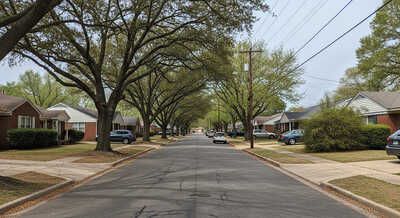
Decatur sits along the Tennessee River in the Wheeler Lake basin, where humidity, river-influenced groundwater, and severe Tennessee Valley storms create restoration challenges that differ from drier parts of Alabama. Homes here face saturated soils, high dew points, and spring storm systems that can push water into basements and crawl spaces within hours.
Restoration work in Morgan and Limestone counties covers a wide spectrum of emergencies, and most properties eventually need more than one type of response.
- Water Damage Restoration - extraction, structural drying, and moisture mapping after pipe failures, appliance leaks, and roof intrusion
- Flooded Basement - pump-out, content removal, and drying of below-grade spaces affected by hydrostatic pressure and storm runoff
- Sewage Cleanup - Category 3 black water response, contaminated material removal, and antimicrobial treatment
- Fire Damage Restoration - structural stabilization, debris removal, soot cleaning, and contents recovery
- Smoke Damage Restoration - odor neutralization, HVAC decontamination, and surface-specific residue removal
- Mold Removal - containment, HEPA filtration, and remediation of affected building materials
Key benefits for Decatur residents include faster drying before microbial growth begins, documented moisture readings for insurance claims, and coordinated repairs that return a home to pre-loss condition without repeated visits.
Common Damage Restoration Issues in Decatur, Alabama
Local geography drives most restoration calls. Proximity to the Tennessee River, clay-heavy soils, and a humid subtropical climate mean water rarely drains quickly once it enters a structure.
Frequent Causes of Loss
- Spring and early-summer thunderstorm systems producing heavy rainfall and wind-driven roof leaks
- Backed-up floor drains and sanitary sewer lines during high-volume rain events
- Sump pump failure or power loss during storms, leading to flooded basements
- Aging galvanized or polybutylene supply lines in mid-century homes
- Water heater and washing machine hose failures on upper floors
- Kitchen grease fires and electrical faults in older panel systems
- Space heater and fireplace incidents during cold January and February stretches
Warning Signs Worth Acting On
- Musty odor in crawl spaces, closets, or near HVAC returns
- Cupping hardwood, bubbling paint, or staining along baseboards
- Efflorescence or white powdery residue on basement block walls
- Persistent condensation on ductwork or windows during humid months
- Slow drains, gurgling toilets, or sewage odor near cleanouts
- Yellow-brown soot streaking above outlets and door frames after a fire
- Lingering smoke smell that returns when the air conditioning runs
Smoke residue in particular travels far beyond the burn area, settling inside wall cavities and duct runs where it continues releasing odor until it is properly cleaned.
Neighborhoods We Serve in Decatur
Coverage extends across Decatur proper and the surrounding Tennessee Valley communities.
- Old Decatur and Albany Historic District - century-old homes with plaster walls, wood framing, and original brick foundations
- Southwest Decatur - established mid-century subdivisions near Beltline Road
- Burningtree and Point Mallard area - larger homes and properties near the river and golf corridor
- Northwest Decatur and Sixth Avenue corridor - mixed residential and commercial structures
- Austinville and Flint - older single-family housing with crawl space construction
- Somerville Road and Modaus Road corridors - suburban growth areas
Service also reaches nearby Priceville, Hartselle, Trinity, Moulton, Athens, Madison, and unincorporated Morgan and Lawrence county properties.
Seasonal Damage Patterns in Decatur
Winter (December - February)
- Pipe freezes during cold snaps, especially in uninsulated crawl spaces and exterior walls
- Peak season for fire and smoke damage tied to heating equipment and holiday cooking
- Slow drying conditions because outdoor air holds little moisture capacity
Spring (March - May)
- Severe weather season across the Tennessee Valley - wind, hail, and tornado activity
- Highest volume of flooded basement and crawl space calls
- Sewage backups when saturated ground overwhelms drainage systems
Summer (June - August)
- Mold growth accelerates as indoor humidity climbs and dew points stay high
- Condensation-related water damage around undersized or oversized AC systems
- Afternoon storms causing roof and window leaks
Fall (September - November)
- Clogged gutters and downspouts channel water toward foundations
- Tropical system remnants occasionally bring extended rainfall
- First fireplace and furnace use of the season triggers smoke and puff-back incidents
Housing Characteristics & Restoration Considerations
Decatur's housing stock spans from Victorian-era homes in the Albany and Old Decatur districts to post-war ranches and newer slab-built subdivisions along the Beltline. Each construction type responds differently to water, fire, and microbial damage.
Historic Homes (pre-1940)
- Plaster and lath walls hold water and require slower, monitored drying
- Balloon framing allows smoke and fire to travel vertically through wall cavities
- Original wood floors often need specialized drying mats rather than replacement
- Potential for asbestos-containing materials and lead paint requiring careful handling
Mid-Century Ranch and Split-Level (1950 - 1980)
- Crawl spaces with poor vapor barriers are the most common mold source
- Cast iron drain lines nearing end of life increase sewage backup risk
- Ductwork in crawl spaces spreads mold spores and smoke odor throughout the home
Newer Construction (1990 - present)
- Slab-on-grade foundations hide water migration under flooring and cabinetry
- Tight building envelopes trap humidity and require mechanical dehumidification
- Engineered wood products and OSB degrade quickly once saturated
- Open floor plans allow smoke residue to spread across large areas fast
Below-grade finished basements deserve special attention. Framed walls with insulation against block foundations conceal moisture, and drying often requires selective removal of drywall to reach the cavity.
Environmental Conditions & Damage Implications
North Alabama's climate keeps moisture in play nearly year-round, which shapes how restoration is planned and executed.
Climate Factors
- Roughly 55 inches of annual rainfall, concentrated in winter and spring
- Summer relative humidity frequently above 70 percent, slowing natural evaporation
- Mild winters that rarely kill off mold activity in crawl spaces
- Tennessee Valley storm corridor exposure to severe convective weather
Soil and Groundwater
- Clay-rich soils expand when wet and press against foundation walls
- Poor percolation keeps water pooling near footings after heavy rain
- Limestone bedrock and karst features can create unpredictable water movement
- Elevated water tables near the river and Wheeler Lake raise basement seepage risk
Indoor Air Quality Effects
- High outdoor humidity means dehumidification, not ventilation, drives drying
- Crawl space moisture rises through the stack effect into living areas
- Smoke particulate binds with humid air and re-deposits on cool surfaces
- Sewage contamination becomes a bioaerosol concern quickly in warm conditions
Because of these conditions, drying plans in Decatur lean heavily on low-grain refrigerant dehumidifiers, containment, and daily moisture documentation rather than open windows and fans.
Storm Response and Industry Standards in the Tennessee Valley
Decatur sits in one of the most active severe weather regions in the country. When a system moves through Morgan County, restoration demand spikes and response sequencing matters.
What a Proper Storm Response Looks Like
- Safety assessment - electrical hazards, structural stability, and contamination category are identified before entry
- Emergency mitigation - board-up, roof tarping, and water extraction to stop ongoing damage
- Moisture mapping - thermal imaging and penetrating meters locate hidden water in wall cavities and under flooring
- Drying plan design - equipment calculated to the affected volume and material types, following IICRC S500 guidance
- Daily monitoring - readings documented until materials reach dry standard
- Remediation and repair - mold work under S520 protocols, then reconstruction
Standards That Guide the Work
- IICRC S500 - water damage restoration, including the three water categories and drying benchmarks
- IICRC S520 - mold remediation containment, negative air, and clearance expectations
- IICRC S700 - fire and smoke damage cleaning methods matched to residue type
- EPA guidance - antimicrobial application and disposal of contaminated porous materials
Why Category Matters After a Storm
- Clean water from a supply line may allow drying in place
- Gray water from appliances requires sanitizing and some material removal
- Black water from sewage or ground floodwater requires removal of porous materials, full PPE, and disinfection
Technicians certified in water, fire, and applied structural drying carry the training to make those calls correctly. Accurate categorization protects health, supports insurance documentation, and prevents a water loss from becoming a mold project weeks later.





