
Damage Restoration in Montgomery, AL
- Damage Restoration Services Overview
- Common Damage Restoration Issues in Montgomery, Alabama
- Neighborhoods We Serve in Montgomery
- Seasonal Damage Patterns in Montgomery
- Housing Characteristics & Restoration Considerations
- Environmental Conditions & Damage Implications
- Storm Response and Insurance Documentation in the River Region
Damage Restoration Services Overview
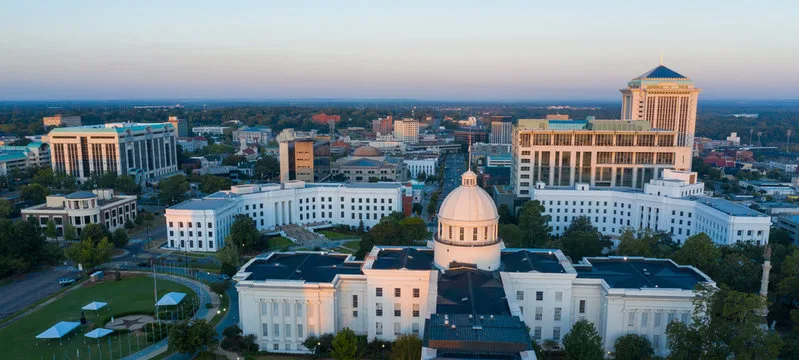
A line of thunderstorms rolls across the River Region overnight, and by morning there's two inches of standing water in the basement, a soaked hallway carpet, and a musty smell already creeping through the vents. Montgomery homeowners know this scenario well - and they know how quickly a small intrusion turns into warped flooring, ruined drywall, and microbial growth.
Damage restoration covers the full recovery path from the first extraction pass to the final rebuild. Services available across Montgomery include:
- Water Damage Restoration - extraction, structural drying, and moisture mapping after burst pipes, roof leaks, or water heater failures
- Flooded Basement - pump-out, dehumidification, and drying of below-grade spaces and crawl spaces
- Sewage Cleanup - removal of contaminated material, disinfection, and antimicrobial treatment after backups
- Fire Damage Restoration - debris removal, soot cleaning, content recovery, and structural repair
- Smoke Damage Restoration - odor neutralization, HVAC cleaning, and surface treatment for smoke residue
- Mold Removal - containment, removal of affected materials, and correcting the moisture source
The benefit of a coordinated response is simple: fewer materials are lost, insurance documentation is cleaner, and families move back into a safe home sooner. Local teams with 24/7 dispatch keep response windows short when weather hits the whole city at once.
Common Damage Restoration Issues in Montgomery, Alabama
Montgomery sits in a humid subtropical belt with heavy rainfall, active tornado seasons, and clay-heavy soil that drains slowly. That combination drives most of the restoration calls in the area.
Frequent Causes of Loss
- Severe thunderstorms and tornadic activity that damage roofs, allowing water to enter attics and wall cavities
- Tropical systems and hurricane remnants pushing inland from the Gulf with sustained rainfall
- Flash flooding along low-lying areas near the Alabama River and neighborhood creek drainages
- Burst or frozen supply lines during short winter cold snaps that catch uninsulated pipes off guard
- Aging water heaters, washing machine hoses, and supply connectors failing in laundry rooms and garages
- Sewer backups when municipal lines and older lateral connections are overwhelmed by stormwater
- Electrical fires, kitchen fires, and outdoor burning incidents during dry stretches and burn ban periods
Warning Signs Worth Acting On
- A persistent earthy or musty odor in closets, crawl spaces, or near HVAC returns
- Bubbling paint, discolored ceiling tiles, or baseboards separating from the wall
- Soft or spongy spots in hardwood, or tile that sounds hollow underfoot
- Condensation on windows and ductwork during humid months
- Lingering smoke odor that returns on hot days after a small kitchen fire
- Gurgling drains or slow floor drains that hint at a developing sewage backup
Catching these signs early usually means drying and treating rather than demolishing and rebuilding.
Neighborhoods We Serve in Montgomery
Restoration crews cover the city core and the surrounding communities, including:
- Cloverdale, Old Cloverdale, and Garden District - historic homes with original wood floors and plaster
- Highland Park, Capitol Heights, and Chisholm - older bungalows with crawl space foundations
- Arrowhead, Halcyon, and Sturbridge - established east-side subdivisions
- Dalraida, Vaughn Meadows, and County Down - mid-century and later slab construction
- Downtown, Centennial Hill, and the riverfront commercial corridor
- Wynlakes, Deer Creek, and Taylor Road business districts
- Surrounding areas including Pike Road, Prattville, Millbrook, Wetumpka, and Hope Hull
Knowing the street-level drainage patterns in each area matters. A crew familiar with how water pools around older Cloverdale foundations, or how Dalraida slabs wick moisture, arrives with the right equipment on the first trip instead of the third.
Seasonal Damage Patterns in Montgomery
Restoration demand in the River Region follows a predictable rhythm through the year.
- January - February: Brief hard freezes cause burst pipes in crawl spaces, exterior walls, and unheated garages. Space heater and fireplace use drives winter fire damage calls.
- March - May: Peak severe weather season. Tornadoes, hail, and straight-line winds open roofs, leading to water damage restoration and flooded basement work. Lightning strikes trigger structure fires.
- June - August: Extreme humidity plus daily afternoon storms create ideal mold conditions. Air conditioning condensate line clogs flood hallways and closets. Sewer backups climb after heavy downpours.
- September - October: Tropical systems from the Gulf bring days of rain and inland flooding. Dry spells between systems raise wildfire and burn ban risk, adding smoke damage calls.
- November - December: Holiday cooking fires and heating system startups produce soot and smoke damage. Falling leaves clog gutters, sending rainwater down foundation walls.
Scheduling gutter cleaning in late fall and pipe insulation before the first freeze prevents a large share of these losses.
Housing Characteristics & Restoration Considerations
Montgomery's housing stock spans more than a century, and each era responds differently to water, fire, and mold.
Older Homes (Pre-1950)
- Cloverdale and Capitol Heights homes often feature plaster walls, lath, and original heart pine flooring that require slower, gentler drying to avoid cracking and cupping
- Pier-and-beam crawl spaces trap humidity and become the first place mold appears after a plumbing leak
- Galvanized or cast iron drain lines are prone to corrosion and sewage backups
- Knob-and-tube or early wiring remnants raise fire risk and complicate post-fire rebuilds
Mid-Century and Ranch Homes (1950s - 1980s)
- Slab-on-grade foundations wick moisture upward, delaminating vinyl and lifting laminate flooring
- Original ductwork in crawl spaces or attics spreads smoke odor and mold spores throughout the home
- Limited wall insulation lets moisture migrate between rooms before it's visible
Newer Construction (1990s - Present)
- Tighter building envelopes hold humidity in, so dehumidification is as important as extraction
- Engineered wood, OSB sheathing, and paper-faced drywall absorb water fast and support mold growth quickly
- Finished basements and bonus rooms in Wynlakes and Pike Road homes need specialized below-grade drying
Restoration plans should match the construction type - forcing high heat into a historic plaster home causes more damage than it repairs.
Environmental Conditions & Damage Implications
Local climate and geology shape how damage develops and how it must be treated.
Humidity and Heat
- Summer relative humidity frequently sits above 70 percent, meaning mold can establish in a day or two on damp material
- High dew points reduce the effectiveness of open-window drying - sealed containment with commercial dehumidifiers works far better
- Heat drives smoke odor back out of porous surfaces months after a fire, requiring thermal fogging or hydroxyl treatment
Soil and Drainage
- Heavy clay soils in the Black Belt region hold water against foundations rather than draining it away
- Clay expands and contracts seasonally, opening foundation cracks that let groundwater into basements and crawl spaces
- Flat neighborhood grading and older storm drains slow runoff after intense rain
Water and Air Quality
- Floodwater from creeks and storm drains is treated as contaminated - it requires the same disinfection protocols as sewage cleanup
- Pollen-heavy spring air combines with mold spores to worsen indoor air quality, especially for allergy and asthma sufferers
- Post-fire soot contains acidic and toxic byproducts that etch metal, glass, and appliance finishes within days
Correcting drainage, sealing crawl spaces, and running dedicated dehumidification are the practical defenses against Montgomery's environment.
Storm Response and Insurance Documentation in the River Region
When a tornado warning or tropical system sweeps across Montgomery County, hundreds of properties take damage at the same hour. Response capacity and clear documentation separate a smooth recovery from a stalled claim.
What a Coordinated Local Response Looks Like
- Emergency contact and dispatch - 24/7 phone lines route crews to the hardest-hit neighborhoods first, with priority on active water intrusion and sewage exposure
- Safety and hazard assessment - technicians check for electrical hazards, structural instability, and contaminated water before entering
- Emergency mitigation - roof tarping, board-up, water extraction, and basement pump-out to stop ongoing loss
- Moisture mapping and documentation - thermal imaging and meter readings record the full extent of the damage, including hidden moisture behind walls
- Structural drying and treatment - air movers, dehumidifiers, antimicrobial application, and controlled demolition where materials cannot be saved
- Cleaning and odor control - soot removal, HVAC cleaning, content restoration, and deodorization for smoke or organic odors
- Reconstruction - drywall, flooring, trim, and paint to return the property to pre-loss condition
Why Local Experience Matters for Your Claim
- Adjusters working Alabama storm events expect photo logs, daily moisture readings, and equipment placement records - local crews build these files as standard practice
- Familiarity with Montgomery permitting and inspection processes keeps rebuild work moving
- Veteran-owned and family-operated firms in the area have handled everything from Cloverdale plaster restoration to commercial losses downtown
- Crews that live here understand which streets flood, which neighborhoods lose power longest, and where staging equipment makes sense
The result for homeowners and business owners is a documented, defensible claim and a property returned to safe, dry, breathable condition.





