
Damage Restoration in Black Diamond, WA
- Damage Restoration Services Overview
- Common Damage Restoration Issues in Black Diamond, Washington
- Neighborhoods We Serve in Black Diamond
- Seasonal Damage Patterns in Black Diamond
- Housing Characteristics & Restoration Considerations
- Environmental Conditions & Damage Implications
- Mining Heritage and Modern Restoration Challenges
Damage Restoration Services Overview
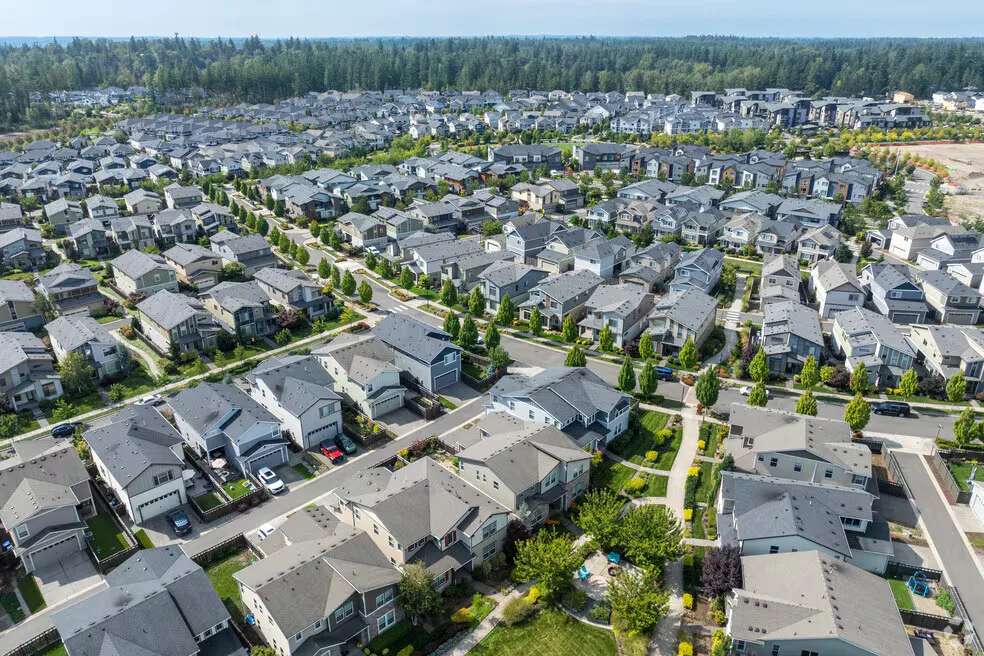
Black Diamond experiences over 150 days of precipitation annually, making water-related property damage one of the most frequent restoration challenges facing homeowners in this historic coal mining town. The combination of Pacific Northwest rainfall and aging infrastructure creates unique restoration needs that require specialized expertise.
Professional damage restoration services in Black Diamond address the full spectrum of property emergencies that can affect your home or business:
- Water Damage Restoration - From burst pipes to storm flooding, comprehensive water extraction and structural drying
- Flooded Basement - Specialized basement water removal, dehumidification, and foundation protection
- Sewage Cleanup - Safe removal of contaminated water with proper sanitization protocols
- Fire Damage Restoration - Complete fire damage assessment, cleanup, and structural reconstruction
- Smoke Damage Restoration - Odor elimination, soot removal, and air quality restoration
- Mold Removal - Professional mold remediation with containment and prevention strategies
Local restoration specialists understand Black Diamond's unique challenges, from the area's clay-heavy soil that affects drainage to the wildfire risks during dry summer months. Professional restoration services provide 24/7 emergency response, certified technicians, and comprehensive restoration solutions that protect your property investment while ensuring family safety.
Common Damage Restoration Issues in Black Diamond, Washington
Black Diamond's location in the Cascade foothills and its proximity to the Green River create specific damage patterns that property owners should recognize. The area's history as a coal mining town also contributes to unique foundation and drainage challenges.
Most frequent restoration issues include:
- Basement flooding from heavy winter rains and poor drainage in older neighborhoods
- Pipe bursts during freeze-thaw cycles common in late winter and early spring
- Wildfire smoke damage from regional fires during summer months
- Sewage backups in areas with aging sewer systems, particularly during heavy rainfall
- Mold growth in crawl spaces and basements due to high humidity levels
- Storm damage from windstorms and falling trees during winter weather events
Warning signs that require immediate attention:
- Standing water in basements or crawl spaces
- Musty odors indicating hidden moisture or mold
- Water stains on ceilings or walls
- Persistent smoke odors after nearby fires
- Sewage odors or visible contamination
- Visible mold growth on surfaces
Early detection and professional response prevent minor issues from becoming major restoration projects. Black Diamond's clay soil and seasonal weather patterns make properties particularly susceptible to water intrusion and moisture-related problems.
Neighborhoods We Serve in Black Diamond
Our restoration services cover all areas within Black Diamond city limits and surrounding communities. We serve both historic neighborhoods near the downtown core and newer residential developments throughout the region.
Service areas include:
- Historic Black Diamond - Original town center with older homes requiring specialized restoration approaches
- Lake Sawyer area - Waterfront properties with unique flood and moisture challenges
- Ravensdale - Rural properties and newer subdivisions
- Green River valley - Properties near the river corridor with flood considerations
- Cascade foothills - Hillside homes with drainage and wildfire exposure
- Enumclaw border areas - Transitional zones between communities
Each neighborhood presents distinct restoration challenges based on elevation, proximity to water sources, home age, and construction methods. Our local expertise ensures appropriate restoration techniques for every area we serve.
Seasonal Damage Patterns in Black Diamond
Black Diamond's restoration needs follow predictable seasonal patterns that property owners can anticipate and prepare for throughout the year.
Fall and Winter (October - February):
- Peak water damage season from heavy rainfall and storm events
- Basement flooding increases during atmospheric river events
- Pipe freeze damage during cold snaps
- Wind damage from Pacific storms
Spring (March - May):
- Snowmelt flooding in lower elevations
- Mold growth from winter moisture accumulation
- Sewage backup risks during heavy spring rains
Summer (June - September):
- Wildfire smoke damage from regional fires
- Occasional fire damage during dry periods
- Basement moisture issues from irrigation and sprinkler systems
Understanding these patterns helps property owners recognize when to be most vigilant about potential damage and when to schedule preventive maintenance. Summer's dry conditions provide optimal timing for major restoration projects, while winter demands immediate emergency response capabilities.
Housing Characteristics & Restoration Considerations
Black Diamond's housing stock reflects both its historic mining heritage and modern suburban development. The median home age varies significantly between the original town center and newer subdivisions, creating diverse restoration requirements.
Historic homes (built before 1960) present specific challenges:
- Foundation issues - Stone and early concrete foundations prone to water intrusion
- Plumbing concerns - Aging pipes susceptible to breaks and sewage backups
- Electrical systems - Older wiring requiring special attention during water damage restoration
- Insulation problems - Limited insulation increasing fire and smoke damage risks
Modern construction (1980s and newer) features:
- Improved drainage - Better foundation waterproofing reducing basement flooding
- Modern materials - Synthetic materials requiring specialized smoke damage cleaning
- HVAC systems - Central air systems that can spread smoke and mold throughout homes
Construction types common in Black Diamond:
- Wood frame construction with crawl space foundations
- Split-level designs popular in 1970s developments
- Ranch-style homes with basement family rooms
- Modern two-story homes with attached garages
Each construction type requires tailored restoration approaches, particularly for water extraction, mold prevention, and structural drying techniques.
Environmental Conditions & Damage Implications
Black Diamond's environmental conditions significantly influence restoration needs and methods. The area's marine climate, topography, and soil composition create specific challenges for property restoration professionals.
Climate factors affecting restoration:
- High annual rainfall (45+ inches) increases water damage and mold risks
- Moderate temperatures year-round create ideal mold growth conditions
- High humidity levels (75-85%) during winter months slow drying processes
- Seasonal drought increases wildfire and smoke damage potential
Soil and topography considerations:
- Clay-heavy soils with poor drainage contribute to basement flooding
- Hillside locations create runoff challenges during heavy rains
- Valley positioning increases fog and moisture retention
- Proximity to Green River elevates flood risks in certain areas
Air quality factors:
- Seasonal wildfire smoke affects indoor air quality and HVAC systems
- High humidity promotes mold spore development
- Valley location can trap pollutants during certain weather conditions
- Forested surroundings contribute to organic material that supports mold growth
These environmental conditions require restoration professionals to use specialized equipment for moisture control, air filtration, and mold prevention. Extended drying times and enhanced dehumidification become necessary during high-humidity periods.
Mining Heritage and Modern Restoration Challenges
Black Diamond's coal mining history creates unique restoration considerations that modern property owners must understand. The town's foundation literally sits on former mining operations, with underground voids and altered drainage patterns affecting how water moves through the landscape.
Mining-related restoration factors include:
- Subsidence risks - Settling ground can crack foundations and disrupt plumbing systems
- Altered hydrology - Historic mining changed natural water flow patterns
- Contaminated soil in some areas requiring special handling during restoration
- Unstable foundations in older structures built on mining-affected land
Modern restoration challenges stemming from mining heritage:
- Water damage restoration must account for unpredictable drainage patterns
- Basement flooding often follows historic water channels rather than current topography
- Sewage cleanup requires understanding of modified underground infrastructure
- Foundation work during fire damage restoration may encounter mining-related complications
Professional restoration teams familiar with Black Diamond's history can anticipate these challenges and adjust their approaches accordingly. This local expertise proves invaluable when dealing with complex water intrusion patterns or structural issues that trace back to the area's mining past.
The combination of historic mining impacts and modern suburban development creates restoration scenarios unique to Black Diamond. Properties in the historic core often require different techniques than newer developments built on undisturbed land. Understanding these distinctions ensures effective restoration outcomes that address both immediate damage and underlying structural vulnerabilities.
Contemporary restoration projects benefit from this historical perspective, particularly when addressing recurring water damage issues or planning mold prevention strategies. The town's evolution from mining community to suburban residential area continues to influence how restoration professionals approach each project.





