Damage Restoration in Kennebec County, ME
- Damage Restoration Services Overview
- Common Damage Restoration Issues in Kennebec County, Maine
- Neighborhoods We Serve in Kennebec County
- Seasonal Damage Patterns in Kennebec County
- Housing Characteristics & Restoration Considerations
- Environmental Conditions & Damage Implications
- Insurance Claims and the Restoration Process for Kennebec County Homeowners
Damage Restoration Services Overview
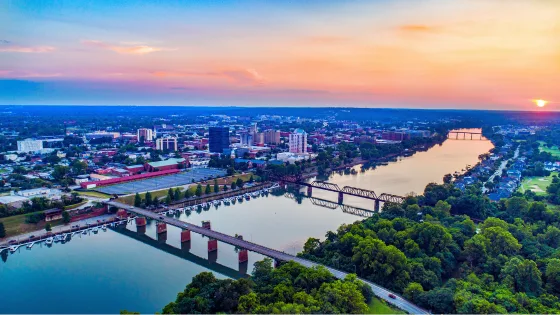
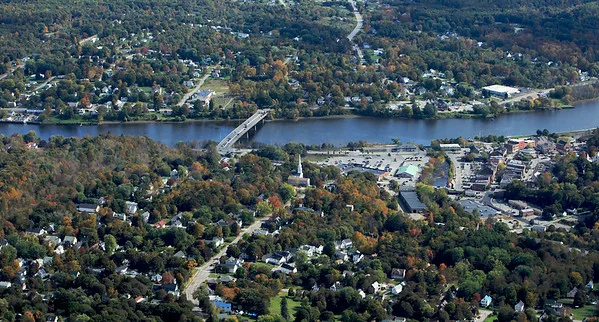
Kennebec County sits along one of Maine's most active river systems, and the Kennebec River has recorded ice jams that pushed water into riverside communities well beyond typical flood boundaries. That geography, combined with housing stock that often predates modern plumbing codes, keeps restoration crews busy year-round in Augusta, Waterville, and the smaller towns in between.
Property damage rarely stays contained. A slow supply line leak behind a wall becomes mold in the framing. A kitchen fire leaves soot residue in rooms that never saw flame. Fast, coordinated response limits how far the problem spreads.
Services available across Kennebec County include:
- Water Damage Restoration - extraction, structural drying, moisture mapping, and dehumidification after pipe failures, appliance leaks, and roof intrusion
- Flooded Basement Cleanup - pump-out, content removal, sanitizing, and drying for below-grade spaces
- Sewage Cleanup - containment, removal of contaminated materials, antimicrobial treatment, and safe disposal
- Fire Damage Restoration - board-up, debris removal, structural cleaning, and reconstruction
- Smoke Damage Restoration - soot removal, odor neutralization, HVAC cleaning, and contents care
- Mold Removal - containment barriers, HEPA filtration, affected material removal, and moisture source correction
Key benefits for local homeowners:
- 24/7 emergency response for sudden losses
- Direct coordination with insurance carriers
- One team from cleanup through reconstruction
Common Damage Restoration Issues in Kennebec County, Maine
Central Maine puts unusual stress on buildings. Deep frost, heavy snow loads, spring runoff, and humid summers each create their own failure points.
Leading Causes of Damage Locally
- Frozen and burst pipes - uninsulated lines in crawl spaces, attics, and older stone foundations
- Ice dams - meltwater backing under shingles and running down interior walls
- Snowmelt and spring runoff - saturated soil pushing water through foundation cracks into basements
- Sewer and septic backups - aging municipal lines in Augusta and Waterville plus rural septic systems overwhelmed by groundwater
- Sump pump failure - power outages during storms leave basements unprotected
- Heating equipment fires - woodstoves, pellet stoves, chimneys, and oil furnaces running hard from October through April
- Puff-backs - oil burner malfunctions coating entire homes in oily soot
Warning Signs Worth Acting On
- Musty odors in basements, closets, or near baseboards
- Staining or bubbling on ceilings below attics and bathrooms
- Warped hardwood, cupping laminate, or lifting vinyl
- Recurring condensation on windows and cold-water lines
- Gurgling drains or slow floor drains before a full backup
- Persistent smoke smell that returns on humid days
- Visible dark spotting on rim joists and sill plates
Mold colonies can begin forming within 24 to 48 hours of water exposure, which is why moisture problems in Kennebec County homes should never be left to air-dry on their own.
Neighborhoods We Serve in Kennebec County
Response covers the full county, from the state capital to lakeside towns and rural farm properties.
- Augusta - downtown, the East Side, Sand Hill, Riverside Drive, and Western Avenue corridors
- Waterville - South End, North End, and the Colby College area
- Winslow, Fairfield, and Oakland - riverfront and residential neighborhoods
- Gardiner, Hallowell, and Farmingdale - historic districts along the Kennebec River
- Winthrop, Monmouth, and Manchester - lakefront and camp properties
- Belgrade and the Belgrade Lakes region - seasonal and year-round homes
- Chelsea, Randolph, Pittston, and Litchfield
- China, Vassalboro, Sidney, and Albion
- Readfield, Mount Vernon, Wayne, and Fayette
- Clinton, Benton, and Windsor
Surrounding Somerset, Lincoln, and Sagadahoc county communities are also within reach for emergency calls.
Seasonal Damage Patterns in Kennebec County
Winter (December - February)
- Frozen and burst supply lines during extended subzero stretches
- Ice dam leaks into attics and exterior walls
- Chimney and woodstove fires during peak heating season
- Oil burner puff-backs spreading smoke residue through ductwork
Spring (March - May)
- Snowmelt and river ice jams driving basement flooding
- Groundwater infiltration through foundation cracks and hatchways
- Sewer and septic backups when systems take on excess water
- Mold appearing in spaces that stayed damp all winter
Summer (June - August)
- High humidity fueling mold growth in basements and crawl spaces
- Thunderstorms causing roof leaks and power outages that disable sump pumps
- Air conditioning condensate line overflows
- Camp and seasonal property leaks discovered after months unoccupied
Fall (September - November)
- Nor'easter and remnant tropical storm flooding
- Clogged gutters sending water against foundations
- First-use heating system failures and flue fires
- Early freezes catching outdoor spigots and unheated crawl spaces
Housing Characteristics & Restoration Considerations
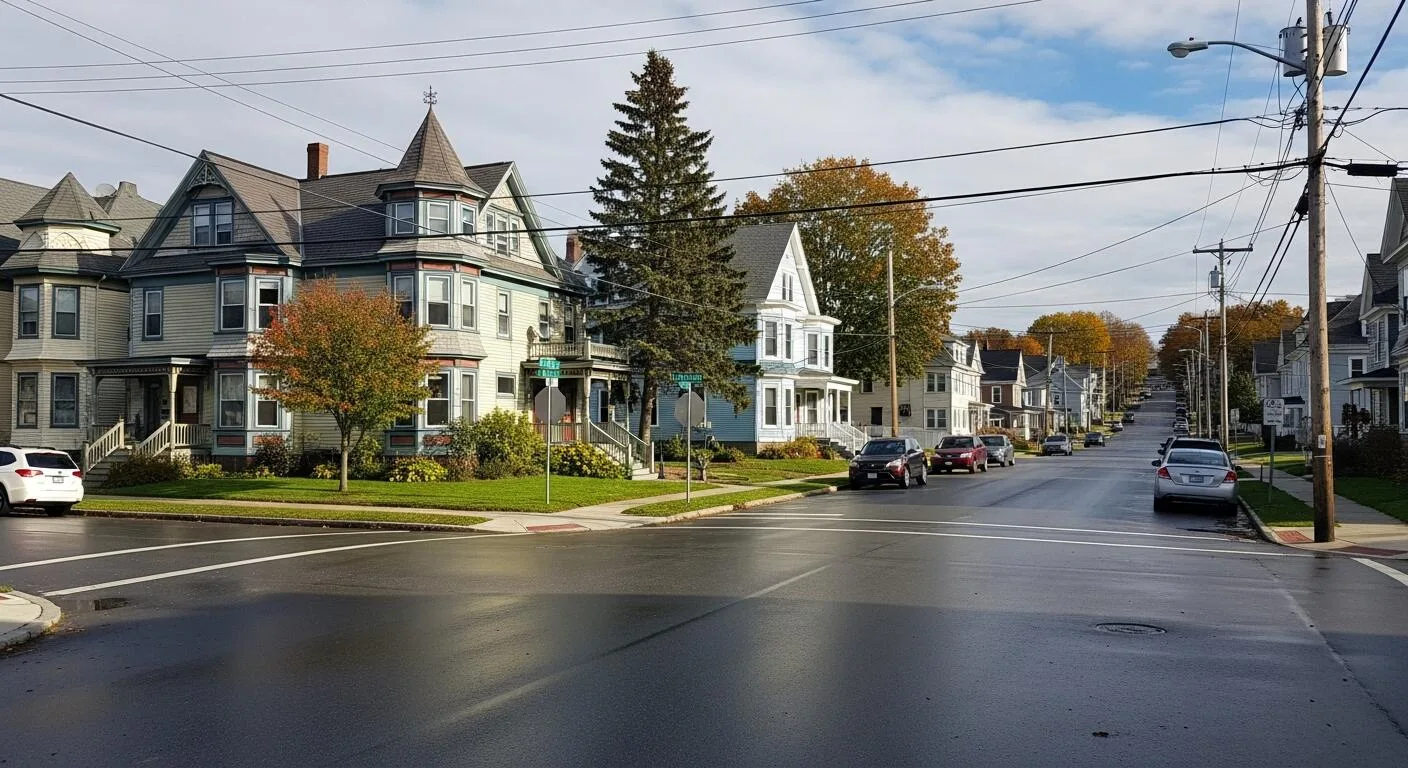
Kennebec County holds some of Maine's oldest continuously occupied housing. A large share of homes in Hallowell, Gardiner, Augusta, and Waterville date to the 1800s and early 1900s, sitting alongside mid-century capes and newer subdivisions in Manchester, Sidney, and China.
Construction Types and What They Mean
- Fieldstone and rubble foundations - porous, prone to seepage, and difficult to dry without targeted equipment
- Balloon-framed 19th-century homes - open wall cavities let water and smoke travel between floors quickly
- Plaster and lath walls - hold moisture longer than drywall and require careful drying to avoid crumbling
- Dirt-floor and low-clearance crawl spaces - persistent humidity sources feeding mold in the framing above
- Knob-and-tube or early wiring remnants - a fire risk in homes never fully rewired
- Oil-fired boilers and buried tanks - leak and puff-back sources requiring specialized cleanup
- Finished basements added later - carpet, paneling, and studs installed directly against damp concrete
How Restoration Adapts
- Moisture mapping with meters and thermal imaging before any demolition
- Selective removal that preserves original trim, flooring, and millwork where possible
- Negative-air containment when lead paint or asbestos-era materials are present
- Extended drying schedules for dense masonry and plaster assemblies
- Reconstruction that matches historic profiles and finishes
Environmental Conditions & Damage Implications
Central Maine's climate swings from humid summers near 80 percent relative humidity to winters that stay below freezing for weeks. Buildings expand, contract, and accumulate moisture in ways that show up as damage months later.
Local Conditions That Drive Restoration Work
- Annual precipitation - roughly 45 inches of rain plus 70 or more inches of snow, all of which eventually reaches the ground around foundations
- Glacial till and clay soils - slow drainage keeps hydrostatic pressure against basement walls after storms and thaw cycles
- High water tables near the Kennebec, Sebasticook, and Belgrade Lakes chain
- Deep frost line - frost heave cracks slabs and foundation walls, creating new water entry points each spring
- Private wells and septic systems in rural towns - saturated leach fields back up into basements
- Iron and mineral-rich groundwater - staining and corrosion that accelerate plumbing failures
- Tight, well-insulated modern builds - trapped indoor humidity and stale air when ventilation is undersized
Air Quality After a Loss
- Smoke particles and soot lodge in insulation, ductwork, and porous contents long after visible cleanup
- Mold spores circulate through forced hot air systems if ducts are not addressed
- Sewage exposure introduces bacteria requiring full removal of affected porous materials
- HEPA air scrubbing and thermal fogging restore breathable indoor conditions
Insurance Claims and the Restoration Process for Kennebec County Homeowners
Filing a claim after a flooded basement or house fire is often more stressful than the damage itself. Knowing what happens - and in what order - takes some of that weight off.
What the Process Looks Like
- Emergency call and dispatch - crews mobilize any hour, any day, across the county
- Safety assessment - power, structural stability, and contamination level are evaluated before work begins
- Documentation - photos, moisture readings, and a room-by-room inventory recorded for the carrier
- Mitigation - water extraction, board-up, containment, or pump-out to stop the loss from spreading
- Drying and cleaning - air movers, dehumidifiers, HEPA scrubbing, soot removal, and deodorization
- Adjuster coordination - scope and estimate submitted directly to your insurer
- Reconstruction - drywall, flooring, trim, paint, and finish work returning the home to pre-loss condition
What Local Experience Adds
- Familiarity with Augusta and Waterville municipal sewer behavior during heavy rain events
- Knowledge of which older neighborhoods carry lead paint and asbestos concerns requiring extra containment
- Working relationships with area building officials in Gardiner, Hallowell, Winthrop, and Oakland for permitting
- Understanding of seasonal camp properties around the Belgrade Lakes that sit unoccupied for months
- Experience documenting ice dam and frozen pipe claims the way Maine carriers expect to see them
Helpful Steps Before Crews Arrive
- Shut off water at the main valve if a pipe has failed
- Avoid entering standing water where electrical hazards may exist
- Stay out of sewage-affected areas entirely
- Photograph visible damage from a safe distance
- Locate your policy number and carrier contact information
Full-service means one team handles cleanup, repairs, and reconstruction - no juggling separate contractors while living through a displacement.