
Damage Restoration in Gardiner, ME
- Damage Restoration Services Overview
- Common Damage Restoration Issues in Gardiner, Maine
- Neighborhoods We Serve in Gardiner
- Seasonal Damage Patterns in Gardiner
- Housing Characteristics & Restoration Considerations
- Environmental Conditions & Damage Implications
- Emergency Response and Rebuild for Gardiner Homes and Businesses
Damage Restoration Services Overview
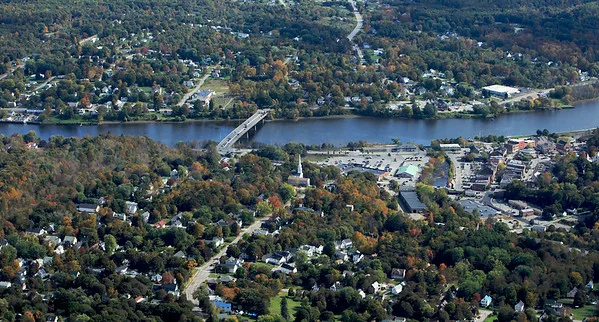
When water pours through a ceiling or smoke settles into every room, the fastest path back to normal starts with a trained crew and a clear plan. Property owners across Gardiner, Maine rely on certified restoration teams to stabilize damage, protect belongings, and rebuild what was lost.
Our services cover the full range of emergencies that strike homes and commercial buildings along the Kennebec River corridor:
- Water Damage Restoration - extraction, structural drying, moisture mapping, and documentation after burst pipes, appliance failures, and roof leaks
- Flooded Basement - pump-out, content removal, sanitizing, and dehumidification of below-grade spaces
- Sewage Cleanup - containment and disinfection of Category 3 contamination from backups and failed septic lines
- Fire Damage Restoration - emergency board-up, debris removal, structural cleaning, and full reconstruction
- Smoke Damage Restoration - soot removal from surfaces and contents, HVAC cleaning, and odor neutralization at the source
- Mold Removal - containment, HEPA filtration, affected material removal, and moisture correction
Benefits for Gardiner residents are practical: faster drying means fewer materials lost, proper containment protects indoor air quality, and detailed photo and moisture documentation supports insurance claims. One team manages every phase, from the first assessment through the final coat of paint.
Common Damage Restoration Issues in Gardiner, Maine
Gardiner sits where Cobbossee Stream meets the Kennebec River, and that low-lying geography shapes the damage patterns we respond to year after year. Older housing stock, cold winters, and heavy spring runoff combine to keep basements, attics, and crawl spaces at risk.
Frequent Causes
- Frozen and burst supply lines in unheated crawl spaces, garages, and porch walls
- Ice dams forcing meltwater under shingles and into upper-floor ceilings
- Groundwater rising against fieldstone and block foundations during snowmelt
- Sump pump failure or power loss during Nor'easters
- Sewer and septic backups when saturated soils overwhelm drainage capacity
- Chimney, woodstove, and space heater fires during long heating seasons
- Kitchen grease fires that push oily soot through the entire structure
Warning Signs Worth Acting On
- A musty, earthy odor in the basement or near baseboards
- Cupping hardwood, bubbling paint, or soft drywall low on a wall
- Efflorescence - white mineral crusting - on foundation walls
- Slow drains on the lowest level of the home, often the first hint of a sewer issue
- Dark staining on ceilings near exterior walls after a thaw
- Lingering smoke smell that returns on humid days, a sign residue remains in porous materials
Small signals rarely stay small. Moisture behind finished walls can support mold growth within a couple of days, and untreated soot becomes acidic and etches metal, glass, and finishes.
Neighborhoods We Serve in Gardiner
Our crews work throughout Gardiner and the surrounding Kennebec Valley communities, covering both dense historic districts and rural roads.
- Downtown Gardiner and Water Street - historic brick commercial blocks with shared walls and basement storage
- Highland Avenue and Brunswick Avenue corridors - mixed residential with a range of foundation types
- South Gardiner - riverside properties with older mill-era housing
- West Gardiner and Litchfield Road areas - rural homes on private wells and septic systems
- Libby Hill and surrounding hillside neighborhoods
We also respond across the region, including Farmingdale, Hallowell, Randolph, Pittston, Richmond, Augusta, Manchester, Winthrop, Readfield, Belgrade, Winslow, and Waterville. Familiarity with local building styles, municipal sewer layouts, and permitting helps us move quickly on both emergency mitigation and reconstruction.
Seasonal Damage Patterns in Gardiner
Damage in central Maine follows a predictable rhythm. Knowing what each season brings helps property owners prepare.
- December through February: Peak season for frozen pipes, ice dams, and heating-related fires. Woodstove and chimney incidents drive most smoke damage calls.
- March and April: Snowmelt plus rain saturates soils. Flooded basements, sump pump failures, and sewage backups spike as the Kennebec runs high.
- May and June: Hidden winter moisture surfaces as mold. Warming temperatures and closed-up houses accelerate growth in basements and crawl spaces.
- July and August: Humid air raises indoor moisture levels. Condensation on cold foundation walls, AC line leaks, and thunderstorm water intrusion are common.
- September and October: Nor'easter and remnant tropical systems bring wind-driven rain and roof leaks. First heating cycles reveal dust and residue issues in dormant systems.
- November: Early freezes catch unwinterized camps, seasonal properties, and outbuildings.
Because emergencies do not respect business hours, our team maintains 24/7 response for water, fire, smoke, and sewage calls throughout the year.
Housing Characteristics & Restoration Considerations
Gardiner's housing reflects its history as a river and mill town. A large share of homes predate 1940, with Victorians, farmhouses, capes, and multi-family conversions standing alongside postwar ranches and newer subdivisions on the outskirts.
What Older Construction Means for Restoration
- Fieldstone and rubble foundations allow steady groundwater seepage and hold moisture in mortar joints, complicating basement drying and mold control
- Balloon framing creates uninterrupted wall cavities that let smoke, soot, and fire travel between floors
- Plaster and lath absorbs water and odor deeply, often requiring injection drying or selective removal rather than surface cleaning
- Wood floors over unconditioned crawl spaces cup and crown quickly when humidity rises
- Cast iron and clay drain lines in older homes crack and root-intrude, raising sewage backup risk
- Knob-and-tube or updated-in-layers wiring can contribute to electrical fire risk in unrenovated areas
Newer Homes Have Their Own Profile
- Tighter building envelopes trap moisture and smoke odor without adequate ventilation
- Poured concrete basements with finished living space raise the stakes on any flooding event
- Engineered flooring and MDF trim swell permanently once wet and typically need replacement
Assessment always begins with construction type. The drying plan, containment strategy, and rebuild scope for a 1890s Water Street building look nothing like the approach for a 2005 ranch off Brunswick Avenue.
Environmental Conditions & Damage Implications
Gardiner's climate and soils create year-round moisture pressure on buildings. Cold winters, humid summers, and roughly 45 inches of annual precipitation keep drying and mold control central to almost every job.
Climate Factors
- Deep frost penetration stresses shallow plumbing and foundation drainage
- Freeze-thaw cycling opens cracks in masonry, mortar, and slab joints
- Summer dew points regularly push indoor relative humidity above the 60 percent threshold where mold thrives
- Long heating seasons increase combustion appliance use and fire exposure
Soil and Water Conditions
- Glacial till and marine clay soils near the Kennebec drain slowly, holding water against foundation walls
- Seasonal high water tables push moisture up through slabs and basement floors
- Rural properties on private wells and septic systems face contamination risk during flooding
- Hard water and mineral content leave deposits that complicate post-loss cleaning
Air Quality Implications
- Homes sealed for months circulate the same air, concentrating mold spores and smoke particulates
- Soot residue settles into HVAC systems and redistributes with every heating cycle
- Radon-mitigated basements need careful coordination during flood remediation
Every project includes moisture readings, humidity control, HEPA air scrubbing where warranted, and verification that materials have returned to dry standard before reconstruction begins.
Emergency Response and Rebuild for Gardiner Homes and Businesses
Restoration is not one service - it is a sequence, and gaps between phases cost time and money. Our team handles assessment, mitigation, remediation, and rebuild under one roof so nothing stalls between contractors.
How a Typical Project Moves
- Emergency call and dispatch - crews respond around the clock for water, fire, smoke, and sewage losses
- On-site assessment - moisture mapping, soot and residue evaluation, and safety hazard identification
- Stabilization - board-up, tarping, water extraction, and containment barriers to stop damage from spreading
- Content handling - salvageable belongings are inventoried, packed out, cleaned, and stored
- Structural drying or remediation - air movers, dehumidifiers, HEPA filtration, antimicrobial treatment, and controlled demolition as needed
- Deodorization - thermal fogging, hydroxyl or ozone treatment, and HVAC cleaning for smoke odor
- Verification - documented moisture readings and clearance checks before closing up walls
- Reconstruction - drywall, flooring, trim, paint, and finish work to return the property to pre-loss condition
What Sets Local Response Apart
- Crews stationed in the Kennebec Valley reach Gardiner addresses quickly, including during storms
- Familiarity with historic materials common downtown and in South Gardiner
- Direct communication with adjusters, plus photo and reading documentation for claims
- Commercial capacity for storefronts, offices, and multi-unit buildings that need to reopen fast
- Clear updates so owners always know the current phase and the next step
Whether the call involves a few inches in a basement, a sewage backup on a rural septic system, or a kitchen fire that filled a house with soot, the goal stays the same: stabilize fast, clean thoroughly, and rebuild well.





