Damage Restoration in Aroostook County, ME
- Damage Restoration Services Overview
- Common Damage Restoration Issues in Aroostook County, Maine
- Neighborhoods We Serve in Aroostook County
- Seasonal Damage Patterns in Aroostook County
- Housing Characteristics & Restoration Considerations
- Environmental Conditions & Damage Implications
- Working With Insurance and Staying Informed Through a County Restoration Project
Damage Restoration Services Overview
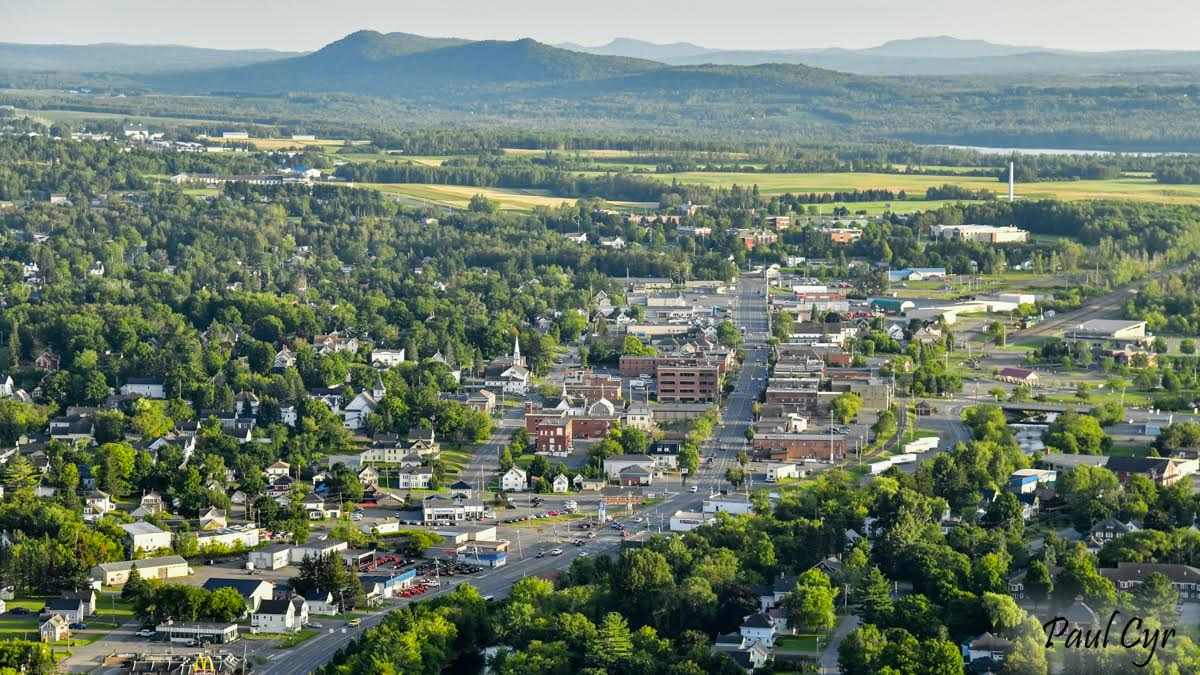
Aroostook County covers more land than Rhode Island and Connecticut combined, and stretches of it record more than 100 inches of annual snowfall. That volume of frozen water eventually becomes liquid water - and much of it finds its way into basements, crawl spaces, and wall cavities across The County.
Property damage in northern Maine rarely arrives politely. A pipe splits during a February cold snap in an unheated ell, a chimney fire scorches a farmhouse kitchen, or spring runoff pushes groundwater through a fieldstone foundation in Presque Isle. Each situation calls for a different response, and each benefits from trained technicians who follow IICRC-aligned procedures.
- Water Damage Restoration - extraction, structural drying, moisture mapping, and monitoring until materials return to dry standard
- Flooded Basement - pump-out, contents triage, dehumidification, and treatment of foundation moisture pathways
- Sewage Cleanup - containment of Category 3 contamination, removal of porous materials, antimicrobial application, and disinfection
- Fire Damage Restoration - debris removal, board-up, structural cleaning, and reconstruction of affected areas
- Smoke Damage Restoration - soot removal, thermal fogging, HEPA air scrubbing, and deodorization of framing and contents
- Mold Removal - assessment, negative-pressure containment, removal of colonized materials, and moisture source correction
The goal across all six services is the same: return the property to pre-loss condition while documenting every step for the property owner and insurer.
Common Damage Restoration Issues in Aroostook County, Maine
The County's climate produces a predictable set of restoration problems, though the timing shifts year to year with the depth of frost and the speed of the thaw.
Water and Basement Flooding Triggers
- Frozen and burst supply lines in seasonal camps, farm outbuildings, and unheated additions
- Ice dams along eaves that force meltwater beneath shingles and into ceilings
- Rapid snowmelt combined with frozen ground that cannot absorb runoff
- Sump pump failure during power outages caused by wind and ice storms
- Aroostook and St. John river rises affecting low-lying properties in Fort Kent, Van Buren, and Caribou
Sewage and Drainage Concerns
- Septic systems overwhelmed by saturated leach fields during spring thaw
- Floor drain backups in older municipal lines in Houlton and Presque Isle
- Frozen vent stacks that cause slow drainage and eventual overflow
Fire and Smoke Sources
- Wood stoves and pellet stoves used as primary heat through long heating seasons
- Creosote accumulation in chimneys and stovepipes
- Space heaters and overloaded circuits in older wiring systems
- Furnace puff-backs that spread oily soot through duct runs
Warning Signs Worth Acting On
- Musty odor in basements that intensifies after rain or thaw
- Staining or bubbling paint at ceiling perimeters
- Cupping hardwood, soft baseboard, or efflorescence on foundation walls
- Persistent smoke smell that returns when humidity rises
- Visible growth behind furniture placed against exterior walls
Neighborhoods We Serve in Aroostook County
Service extends across the full breadth of The County, from the Canadian border communities to the southern gateway towns.
- Central Aroostook - Presque Isle, Caribou, Mars Hill, Washburn, Fort Fairfield, Easton, and Mapleton
- St. John Valley - Fort Kent, Madawaska, Van Buren, Frenchville, Grand Isle, and St. Agatha
- Southern Aroostook - Houlton, Island Falls, Oakfield, Hodgdon, and Littleton
- Western and Northern Reaches - Ashland, Portage Lake, Eagle Lake, Allagash, and Sherman
- Surrounding Areas - Patten, Smyrna Mills, Bridgewater, and outlying unorganized townships
Long travel distances are part of the reality here. Crews stage equipment regionally so that drying gear, air scrubbers, and extraction units reach remote farmsteads and camp properties without extended delay.
Seasonal Damage Patterns in Aroostook County
- December through February - peak season for frozen and burst pipes, ice dam leaks, chimney fires, and furnace puff-backs. Vacant camps and second homes account for a large share of losses.
- March and April - snowmelt drives flooded basements, septic surcharges, sump pump overload, and sewage backups. Frozen ground channels water straight toward foundations.
- May and June - hidden winter water damage surfaces as mold growth once interior temperatures climb and humidity rises.
- July and August - thunderstorms bring roof and wind damage, while humid air fuels basement and crawl space mold in properties without dehumidification.
- September and October - heating systems restart, producing smoke damage from dirty burners and unswept flues. Heavy autumn rain tests gutters and grading.
- November - early freezes catch un-winterized plumbing, and the first hard cold snap frequently produces a wave of pipe failures.
Housing Characteristics & Restoration Considerations
Housing stock across Aroostook County skews older than the state average, with a large share of homes built before 1960 and many farmhouses dating to the 1800s. That age shapes nearly every restoration decision.
Construction Types Commonly Encountered
- Balloon-framed farmhouses where water and smoke travel vertically through open stud bays
- Fieldstone, rubble, and early poured concrete foundations that wick groundwater
- Connected barn-and-ell layouts that complicate containment and air control
- Post-war ranches and capes with finished basements and limited vapor barriers
- Manufactured and modular homes with skirted crawl spaces prone to freezing and standing water
- Newer energy-tight builds where trapped humidity accelerates mold if drying is incomplete
How Age Affects the Restoration Approach
- Plaster and lath hold moisture far longer than drywall and need extended monitoring
- Older insulation - including cellulose and blown fiberglass - typically requires removal after saturation
- Pre-1980 materials may contain asbestos or lead, calling for testing before demolition
- Knob-and-tube or early wiring demands electrical evaluation after water or fire exposure
- Original woodwork and floors often warrant specialty drying rather than replacement
- Basement finishes over stone walls trap moisture and frequently hide long-standing growth
Reconstruction in these homes may mean simple drywall and carpet replacement, or full rebuilding of rooms where framing, subfloor, and finishes were lost.
Environmental Conditions & Damage Implications
Northern Maine's environment is a restoration variable in its own right. Deep frost, glacial soils, and wide humidity swings all influence how fast damage spreads and how long drying takes.
Climate Factors
- Frost depth commonly exceeding four feet, stressing foundations and buried lines
- Sub-zero stretches that freeze plumbing in exterior walls and unheated spaces
- Sharp freeze-thaw cycling that opens cracks in mortar and slab joints
- Summer dew points high enough to sustain mold growth in unconditioned basements
Soil and Groundwater
- Glacial till and clay-heavy soils that shed water toward foundations rather than absorbing it
- Seasonally high water tables in valley and riverside locations
- Agricultural land use that increases surface runoff volume during heavy rain
- Rural well and septic systems requiring careful handling during sewage cleanup
Air Quality Effects
- Wood and pellet heat leaves fine particulate that clings to surfaces after any fire event
- Tightly sealed winter homes concentrate smoke odor and mold spores indoors
- HEPA air scrubbing and negative air machines carry a heavy load in these conditions
Because ambient conditions work against passive drying for much of the year, controlled dehumidification and continuous moisture readings do the heavy lifting on nearly every project.
Working With Insurance and Staying Informed Through a County Restoration Project
Distance and rural logistics make communication the single most important part of a restoration project in Aroostook County. Property owners deserve to know what is happening in their home even when crews are traveling between Houlton and Madawaska.
What Documentation Should Include
- Photographs of affected areas before any material is removed
- Moisture meter and thermal imaging readings recorded at each visit
- A written scope listing every material slated for drying, cleaning, or removal
- Daily drying logs showing humidity, temperature, and equipment placement
- Clearance or post-remediation verification results for mold and sewage work
A Typical Project Sequence
- Emergency response - stop the water source, secure the structure, and address immediate safety hazards
- Assessment - map moisture migration, classify contamination category, and identify hidden damage
- Mitigation - extract water, remove unsalvageable materials, and set containment where needed
- Drying and cleaning - run dehumidifiers, air movers, and HEPA scrubbers while cleaning soot or applying antimicrobials
- Verification - confirm materials have reached dry standard and odors or spore levels have been resolved
- Reconstruction - restore finishes, from drywall and flooring to full rebuilding of damaged rooms
Questions Worth Asking Any Restoration Provider
- Are technicians IICRC certified for water, fire, and mold work?
- Will you communicate directly with my insurance adjuster and share your documentation?
- What is the plan if hazardous materials are discovered in an older home?
- Who handles reconstruction once mitigation is complete?
- How will contents - clothing, documents, furniture - be handled and tracked?
Clear answers up front prevent surprises later, and a written scope shared with both homeowner and insurer keeps the entire recovery on the same page.