
Damage Restoration in Presque Isle, ME
- Damage Restoration Services Overview
- Common Damage Restoration Issues in Presque Isle, Maine
- Neighborhoods We Serve in Presque Isle
- Seasonal Damage Patterns in Presque Isle
- Housing Characteristics & Restoration Considerations
- Environmental Conditions & Damage Implications
- Frozen Pipes and Ice Dams: The Northern Maine Winter Risk
Damage Restoration Services Overview
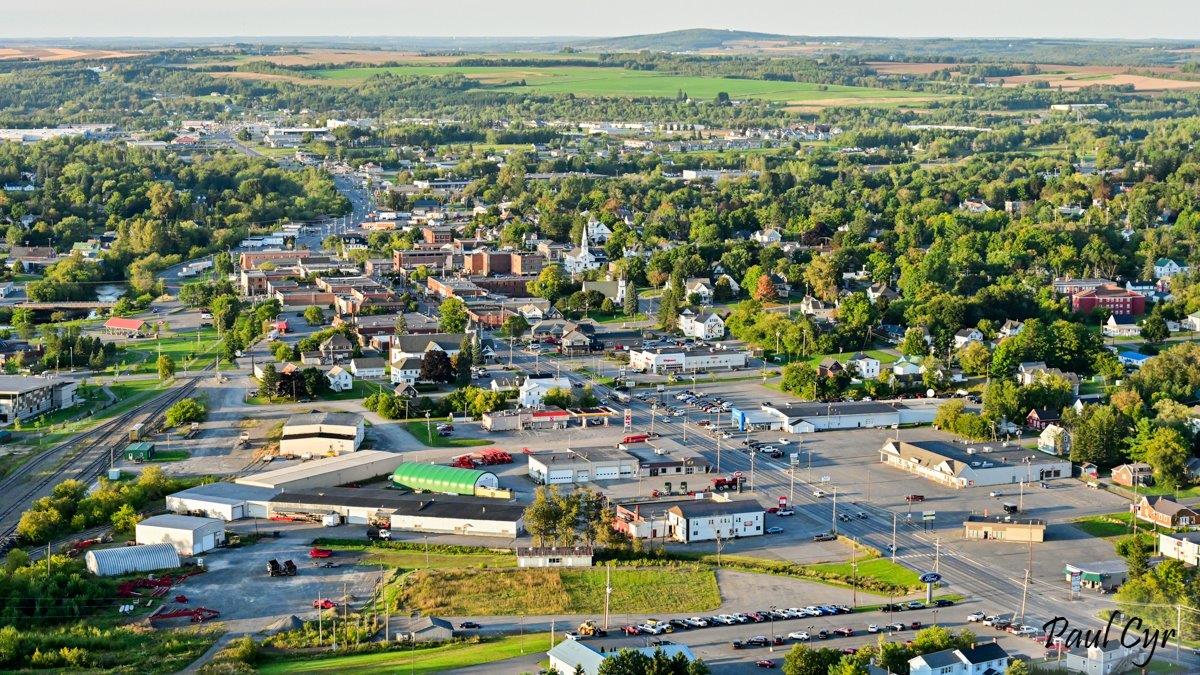
Water that sits for a weekend does not simply dry out on its own in Aroostook County. It wicks up drywall, saturates subfloor seams, and settles into insulation where it feeds mold colonies, rots framing, and corrodes fasteners for years after the visible puddle disappears. Fire and sewage losses follow the same pattern - acidic soot keeps etching metal and glass, and contaminated water leaves bacteria in porous materials long after cleanup crews leave.
Presque Isle property owners have access to a full range of restoration work under one roof:
- Water damage restoration - extraction, structural drying, moisture mapping, and documentation for insurance
- Flooded basement recovery - pump-out, foundation drying, and salvage of stored belongings
- Sewage cleanup - containment, removal of contaminated materials, and antimicrobial treatment
- Fire damage restoration - debris removal, structural stabilization, and reconstruction
- Smoke damage restoration - soot removal, odor neutralization, and HVAC decontamination
- Mold removal - containment barriers, HEPA filtration, and moisture-source correction
The benefit of a single restoration partner is continuity. One team handles assessment, mitigation, and rebuild, so nothing gets lost between contractors - and homeowners in Presque Isle are not left coordinating four different trades while their house sits open.
Common Damage Restoration Issues in Presque Isle, Maine
Northern Maine puts unusual stress on buildings. Deep frost, long heating seasons, and heavy spring runoff combine to create damage patterns that differ from coastal or southern parts of the state.
Local Causes We See Repeatedly
- Frozen and burst supply lines in crawl spaces, unheated additions, and camps left at low heat
- Snowmelt and ice-dam intrusion along eaves, valleys, and around chimneys
- Groundwater pressure against fieldstone and block foundations during April thaw
- Sump pump failure during power outages tied to winter storms
- Sewer backups where older laterals are compromised by root intrusion or frost heave
- Heating-related fires from wood stoves, oil furnaces, chimneys, and space heaters
- Wildfire and woodsmoke infiltration that pulls odor into insulation and ductwork
Warning Signs Worth Acting On
- Musty odor in a basement or closet that returns after airing out
- Staining or bubbling paint along ceilings below the roofline
- Efflorescence - white powdery residue - on foundation walls
- Floors that feel spongy near dishwashers, toilets, or washing machines
- Gurgling drains or slow floor drains before a full backup
- Soot film on window glass, light fixtures, or the tops of door casings
- Persistent smoke odor that strengthens when the furnace runs
Any one of these signals hidden moisture or contamination behind a finished surface. Early inspection keeps a targeted repair from turning into whole-room demolition.
Neighborhoods We Serve in Presque Isle
Response covers the full city and the surrounding Aroostook County communities that rely on Presque Isle as their service hub.
- Downtown Presque Isle and the Main Street corridor
- Neighborhoods near the University of Maine at Presque Isle and Northern Maine Community College
- Residential streets off State Street, Academy Street, and Chapman Road
- Properties near Presque Isle Stream and the Aroostook River floodplain
- Homes and farms along the Route 1 and Route 163 corridors
- The Presque Isle International Airport and adjacent commercial district
Service extends outward to Caribou, Fort Fairfield, Washburn, Mapleton, Chapman, Easton, Mars Hill, Ashland, Westfield, and the smaller plantations between them. Farmhouses, potato-storage buildings, apartment blocks, and downtown commercial spaces each present different drying and cleaning challenges, and crews arrive with equipment sized for the structure rather than a one-size approach.
Seasonal Damage Patterns in Presque Isle
Winter (December - March)
- Burst pipes during extended sub-zero stretches and after power outages
- Ice dams forcing meltwater under shingles into attics and top-floor ceilings
- Chimney, wood stove, and furnace fires at peak heating load
- Smoke damage from puffbacks in oil-fired systems
Spring (April - May)
- Flooded basements from snowmelt, saturated soil, and river rise
- Sewage backups when municipal and private lines run at capacity
- First mold growth in spaces that stayed damp through the thaw
Summer (June - August)
- Mold blooming in humid basements and unconditioned crawl spaces
- Storm-driven roof leaks and wind damage from thunderstorm cells
- Appliance and supply-line failures in seasonal or vacant properties
Fall (September - November)
- Wind and rain intrusion around aging windows and flashing
- Early freeze events splitting hose bibs and exposed lines
- Smoke odor as heating systems restart after months idle
Knowing the calendar helps property owners schedule prevention work - gutter clearing in October, pipe insulation before Thanksgiving, sump pump testing in March.
Housing Characteristics & Restoration Considerations
Much of Presque Isle's housing stock predates modern building science. That history shapes every restoration plan.
Common Construction Types
- Late-1800s and early-1900s farmhouses with plaster-and-lath walls, balloon framing, and fieldstone or rubble foundations
- Post-war capes and ranches with poured or block basements and limited insulation
- Mid-century to modern splits and colonials with finished basements used as living space
- Manufactured and modular homes on piers or slabs, common on rural lots
- Downtown mixed-use brick buildings with shared walls and stacked plumbing
How Age Affects the Work
- Plaster holds moisture differently than drywall - it can often be saved with controlled drying rather than demolition, but it needs monitoring.
- Balloon framing creates open wall cavities that let water travel between floors and let smoke odor migrate the full height of a house.
- Fieldstone foundations weep - drying a basement means addressing exterior grade and interior humidity together.
- Pre-1980 materials may contain asbestos or lead, so testing precedes demolition on older homes.
- Older cast-iron and clay drain lines raise the odds of sewage backup and require careful decontamination of adjacent framing.
- Knob-and-tube or dated wiring can complicate fire origin assessment and rebuild planning.
Restoration plans account for these realities from the first walkthrough, so scope and cost estimates hold up rather than expanding halfway through the job.
Environmental Conditions & Damage Implications
Aroostook County's climate and ground conditions drive most of what happens inside a damaged building.
Climate Factors
- Long, severe winters with frost depths that reach well below typical footing lines
- Heavy annual snowfall, producing large volumes of concentrated spring meltwater
- Humid summer stretches that push basement relative humidity into mold-friendly ranges
- Sharp freeze-thaw cycling that opens cracks in masonry, mortar, and slabs
Soil, Water, and Air
- Clay-heavy and glacial till soils drain slowly, holding water against foundation walls
- High seasonal water tables near Presque Isle Stream and the Aroostook River raise hydrostatic pressure on basements
- Agricultural surroundings mean runoff can carry organic material and fertilizer residue into flooded spaces
- Private wells and septic systems on rural properties add contamination risk when flooding occurs
- Wood-heat prevalence keeps particulate and creosote-related fire risk elevated through the cold months
What This Means for Restoration
Drying in a cold, dry winter climate behaves very differently than drying in August humidity. Crews adjust dehumidification strategy, air-mover placement, and containment based on outdoor conditions, indoor temperature, and material type. Category assessment matters too - snowmelt entering through a foundation crack is treated differently than a sewage backup, and both differ from a clean supply-line break. Moisture meters and thermal imaging confirm when a structure has genuinely reached dry standard rather than simply looking dry.
Frozen Pipes and Ice Dams: The Northern Maine Winter Risk
No single cause produces more emergency calls in Presque Isle than winter water. A pipe in an unheated wall can freeze overnight when temperatures drop below zero, then release dozens of gallons per minute once it thaws. Ice dams work more quietly - meltwater backs up under shingles, soaks attic insulation, and shows up as ceiling stains days later.
Why Presque Isle Properties Are Vulnerable
- Extended stretches of sub-zero temperatures with little midday relief
- Older homes with plumbing routed through exterior walls and unheated crawl spaces
- Attics with uneven insulation and air leaks that warm the roof deck
- Seasonal camps, rentals, and second homes left unoccupied for weeks
- Power outages that shut down heat and sump pumps at the worst moment
Prevention Steps Before the Deep Cold
- Insulate pipes in basements, crawl spaces, and against exterior walls
- Seal air leaks around rim joists, sill plates, and attic penetrations
- Add attic insulation and confirm soffit and ridge ventilation are clear
- Shut off and drain exterior hose bibs and irrigation lines
- Keep interior temperature at a steady minimum, even in unused rooms
- Locate and label the main water shutoff so anyone in the house can find it
- Install a battery backup or water alarm for basement sump systems
- Arrange for someone to check unoccupied properties during cold snaps
If a Pipe Lets Go
Shut the main valve, cut power to affected areas if it can be done safely, and start moving belongings to dry ground. Photograph everything before cleanup begins - insurers want that documentation. Then call for professional extraction. The 24-to-48-hour window before mold takes hold is the difference between drying a room and rebuilding it, and certified technicians serving Presque Isle and the surrounding Aroostook communities carry the extraction, dehumidification, and containment equipment to hold that line.





