Damage Restoration in Androscoggin County, ME
- Damage Restoration Services Overview
- Common Damage Restoration Issues in Androscoggin County, Maine
- Neighborhoods We Serve in Androscoggin County
- Seasonal Damage Patterns in Androscoggin County
- Housing Characteristics & Restoration Considerations
- Environmental Conditions & Damage Implications
- Emergency Response and Insurance Documentation for Androscoggin County Homeowners
Damage Restoration Services Overview
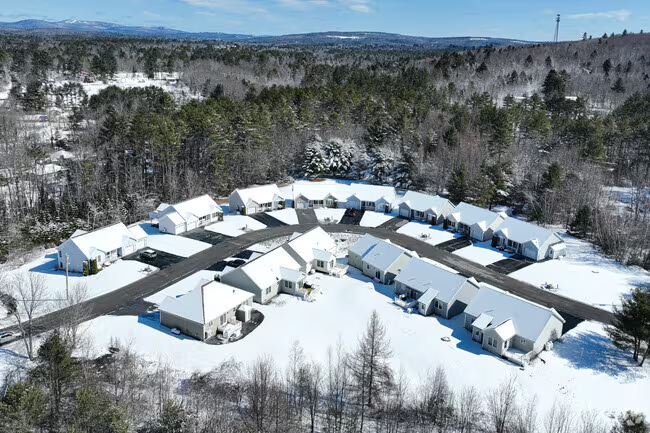
What happens in the first few hours after a pipe bursts, a chimney fire scorches a wall, or snowmelt pushes through a fieldstone foundation? Those early decisions often decide whether a home in Androscoggin County needs a quick dry-out or a full rebuild.
Restoration teams serving Lewiston, Auburn, and the surrounding towns handle the full spectrum of property emergencies, with crews available around the clock throughout Southern and Central Maine.
- Water Damage Restoration - extraction, structural drying, moisture mapping, and monitoring until materials return to normal readings.
- Flooded Basement Cleanup - pumping standing water, removing saturated storage, and drying slabs, joists, and sill plates.
- Sewage Cleanup - containment, removal of contaminated porous materials, and antimicrobial treatment of affected surfaces.
- Fire Damage Restoration - board-up, debris removal, soot cleaning, and coordination of structural repairs.
- Smoke Damage Restoration - odor counteracting, HVAC cleaning, and treatment of contents holding smoke residue.
- Mold Removal - containment barriers, HEPA filtration, removal of colonized materials, and moisture source correction.
Benefits for local property owners include limiting secondary damage, protecting indoor air quality, documenting losses for insurance claims, and getting families back into livable space sooner. Free estimates from local damage restoration companies make it easier to compare approaches before work begins.
Common Damage Restoration Issues in Androscoggin County, Maine
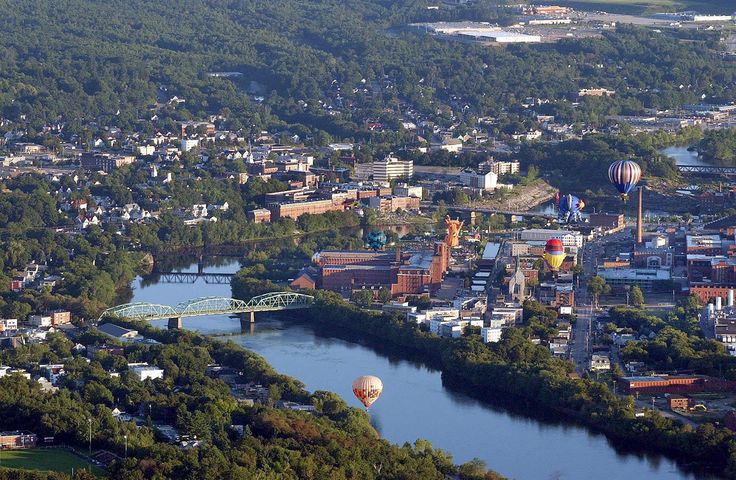
The Androscoggin River corridor, dense mill-era housing stock, and long freeze-thaw cycles create a distinct set of restoration problems across the county.
Frequent Causes of Damage
- Frozen and burst supply lines in uninsulated crawl spaces, attics, and exterior walls
- Ice dams on low-slope roofs pushing meltwater into ceilings and upper-floor walls
- Spring runoff and river-adjacent groundwater flooding rubble and fieldstone basements
- Failed sump pumps during heavy rain or power outages
- Backed-up municipal sewer laterals and septic systems in outlying towns
- Heating-season fires from woodstoves, pellet stoves, chimneys, and space heaters
- Puff-back events from oil-fired boilers coating interiors in oily soot
- Hidden mold behind plaster, in attics, and under carpeting after slow leaks
Warning Signs Worth Acting On
- Musty or earthy odors that intensify after rain or when heat cycles on
- Staining, bubbling paint, or chalky mineral lines on basement walls
- Cupping hardwood, springy subfloor, or separating baseboard trim
- Sewer gas smells near floor drains or gurgling fixtures
- Yellow-brown streaks above door frames after a smoke event
- Condensation on windows and rising humidity readings indoors
Small signals rarely stay small in a climate that swings from subzero cold to humid summer air.
Neighborhoods We Serve in Androscoggin County
Crews respond throughout the county's cities, mill villages, farm towns, and lakeside communities.
- Lewiston - Downtown, Tree Streets, Little Canada, Barkerville, and outer College Street neighborhoods
- Auburn - New Auburn, Lake Auburn area, Danville Corner, and Court Street corridor
- Lisbon and Lisbon Falls - riverfront homes and older mill housing
- Sabattus, Greene, Leeds, and Wales - rural properties on private wells and septic
- Turner, Livermore, Livermore Falls, and Minot - farmhouses and hillside homes
- Poland, Mechanic Falls, and Durham - camps, seasonal cottages, and year-round residences
Service also extends to bordering areas of Cumberland, Oxford, Kennebec, and Franklin counties, including properties near Taylor Pond, Sabattus Pond, and the Androscoggin River floodplain.
Seasonal Damage Patterns in Androscoggin County
- December through February: Frozen pipes, burst supply lines, ice dams, and heating-related fires peak. Woodstove and chimney fires bring soot and smoke odor into tightly sealed homes.
- March and April: Snowmelt plus rain saturates soil, flooding basements and overwhelming sump pumps. Sewer backups increase as groundwater infiltrates aging lines.
- May and June: Warming temperatures activate mold in materials that stayed damp all winter. Roof leaks from winter damage surface during spring storms.
- July and August: High humidity drives condensation, musty basements, and mold growth in crawl spaces. Thunderstorms bring lightning strikes and wind-driven rain intrusion.
- September and October: Remnant tropical systems and nor'easters cause storm flooding and tree damage. First furnace startups can trigger puff-backs and smoke residue.
- November: Freeze-thaw cycles crack foundations and unprotected hose bibs, setting up winter water losses.
Housing Characteristics & Restoration Considerations
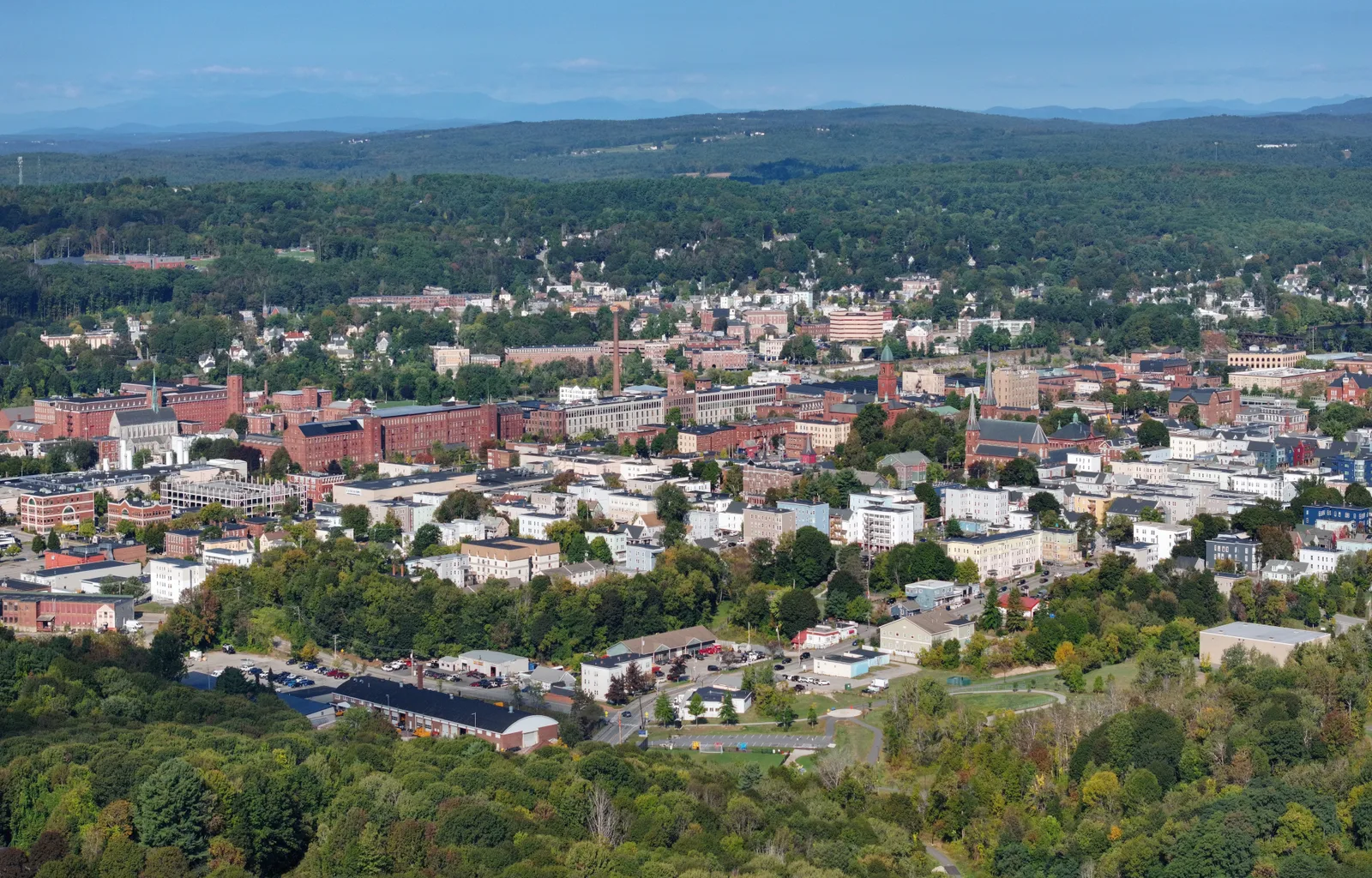
Androscoggin County holds some of Maine's oldest urban housing, much of it built during the textile boom, alongside postwar ranches and newer subdivisions in outlying towns.
Common Construction Types
- Multi-family tenement blocks in Lewiston's Tree Streets - balloon framing lets water and smoke travel vertically between floors and into wall cavities
- Victorian and Federal-era homes with plaster-on-lath walls that hold moisture and complicate drying
- Farmhouses with fieldstone or rubble foundations that weep groundwater year-round
- Postwar ranches and capes with finished basements, paneling, and carpeting vulnerable to flooding
- Camps and cottages on piers or shallow slabs near ponds and the river
How Age Affects Restoration Work
- Homes built before 1978 require lead-safe practices during demolition and cleaning.
- Pre-1980 flooring adhesives, insulation, and joint compound may contain asbestos, calling for testing before removal.
- Knob-and-tube or aging wiring must be evaluated after water and fire events.
- Oil-fired heating systems increase the likelihood of soot-heavy puff-back cleanup.
- Dense insulation and retrofitted air sealing trap humidity, raising mold risk after any water intrusion.
- Shared walls in duplexes and triple-deckers mean smoke odor and moisture often affect neighboring units.
Drying plans, containment, and rebuild sequencing are adjusted for each structure type rather than applied from a template.
Environmental Conditions & Damage Implications
Local climate and ground conditions shape how quickly damage spreads and how drying and remediation are approached.
Climate Factors
- Roughly 45 inches of annual precipitation plus 60-plus inches of snow feeds spring and storm flooding.
- Subzero winter lows drive pipe freezing and ice dam formation on older roofs.
- Humid summers push indoor relative humidity above the range where mold thrives, especially in basements.
- Sharp seasonal swings stress foundations, flashing, and window seals.
Soil, Water, and Air
- Glacial till and clay-heavy soils drain slowly, holding hydrostatic pressure against foundation walls.
- Sandy river deposits near the Androscoggin allow rapid groundwater rise during high-flow periods.
- Many rural homes rely on private wells and septic systems, which can be compromised during flooding and require disinfection.
- Well water with iron and manganese leaves staining that can mask or mimic water damage.
- Winter wood and pellet heating adds particulates indoors, compounding smoke residue after a fire.
- Radon is common in the region, so sealed basements need balanced ventilation during and after drying.
Restoration plans account for these conditions with dehumidification sized to local humidity loads, antimicrobial treatment where groundwater or sewage is involved, and HEPA filtration to protect indoor air.
Emergency Response and Insurance Documentation for Androscoggin County Homeowners
Speed and paperwork matter equally after a loss. Water spreads through porous materials within minutes, mold can begin colonizing within a day or two under Maine's summer humidity, and smoke residue becomes acidic and corrosive quickly.
What to Do Before Crews Arrive
- Make sure everyone is out of harm's way and stay clear of standing water near electrical panels or outlets.
- Shut off the water supply at the main valve if a pipe or appliance line failed.
- Avoid contact with sewage-affected areas entirely - contaminated water carries bacteria and viruses.
- Photograph and video every affected room, including contents, before moving anything.
- Move undamaged belongings to a dry area if it is safe to do so.
- Call for emergency service and notify your insurance carrier.
How the Restoration Process Typically Unfolds
- Inspection and scoping - moisture meters, thermal imaging, and air quality checks establish the extent of damage.
- Containment and safety - barriers, negative air machines, and utility shutoffs protect unaffected areas.
- Extraction or debris removal - water pumped out, soot and charred materials cleared, contaminated porous items discarded.
- Drying and cleaning - air movers, commercial dehumidifiers, HEPA vacuuming, and specialized soot sponges applied to surfaces.
- Treatment - antimicrobial application, odor counteracting, and thermal fogging or hydroxyl treatment where smoke lingers.
- Reconstruction - drywall, flooring, trim, paint, and cabinetry restored to pre-loss condition.
Working With Your Insurer
- Daily moisture logs and equipment records support drying claims.
- Itemized photo documentation of contents strengthens personal property reimbursement.
- Written scopes align with adjuster expectations and reduce delays.
- Direct communication between the restoration team and your adjuster keeps the file moving.
Free estimates are available from local providers serving Lewiston, Auburn, Lisbon, and the surrounding towns, with 24/7 emergency dispatch across Androscoggin County.