
Damage Restoration in Lewiston, ME
- Damage Restoration Services Overview
- Common Damage Restoration Issues in Lewiston, Maine
- Neighborhoods We Serve in Lewiston
- Seasonal Damage Patterns in Lewiston
- Housing Characteristics & Restoration Considerations
- Environmental Conditions & Damage Implications
- What to Expect During a Restoration Project in Lewiston
Damage Restoration Services Overview
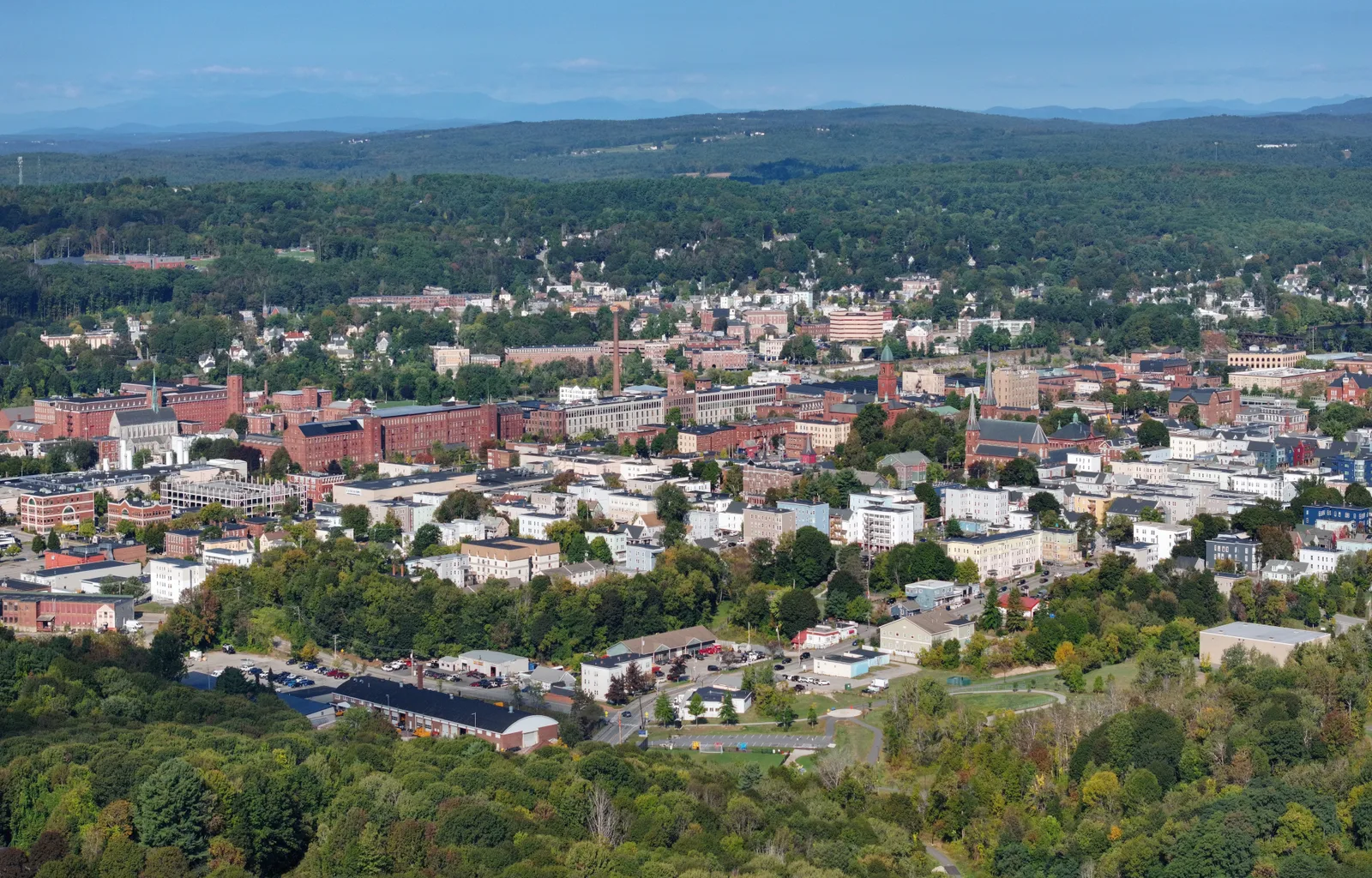
When a supply line lets go at 2 a.m. or smoke fills a kitchen in seconds, knowing a certified crew is already on the way changes everything. RestoPros of Southern Maine works from 555 Lincoln St in Lewiston, responding around the clock to property emergencies across Androscoggin County and Western Maine.
Every phase of recovery is handled under one roof, so homeowners and business owners are not juggling multiple contractors during a stressful week.
- Water Damage Restoration - extraction, structural drying, moisture mapping, and monitoring of walls, subfloors, and cavities
- Flooded Basement Cleanup - pump-out, contents removal, dehumidification, and treatment of foundation walls and slabs
- Sewage Cleanup - containment, removal of contaminated porous materials, antimicrobial application, and full sanitizing
- Fire Damage Restoration - board-up, debris removal, soot cleaning, structural evaluation, and rebuilding coordination
- Smoke Damage Restoration - surface cleaning, duct work, odor extraction, and clothing and upholstery restoration
- Mold Removal - assessment, containment barriers, HEPA filtration, and removal of affected materials
The benefit for Lewiston residents is speed and documentation. Fast drying limits secondary mold growth, and detailed moisture readings and photos support the insurance claim you will likely need to file.
Common Damage Restoration Issues in Lewiston, Maine
Lewiston's combination of older mill-era housing, a cold-weather climate, and clay-heavy soils creates predictable failure points. Most emergency calls trace back to a handful of recurring causes.
- Frozen and burst pipes in uninsulated crawlspaces, attic runs, and exterior walls of century-old duplexes
- Failed water heaters, washing machine hoses, and dishwasher supply lines that release water for hours before discovery
- Sump pump failure or power loss during spring melt, flooding fieldstone and block basements
- Sewer backups when heavy rain overwhelms older municipal lines or a lateral clogs with roots
- Ice dams forcing meltwater under shingles and into ceilings, insulation, and wall cavities
- Kitchen and heating-system fires, plus wood stove and chimney issues in homes heated through long winters
Warning signs deserve attention before they become emergencies:
- A musty odor in the basement or first-floor closets that never fully clears
- Staining, bubbling paint, or soft spots on ceilings below bathrooms and roof valleys
- White mineral crust or dark blotches on foundation walls
- Gurgling floor drains or slow-draining fixtures on the lowest level
- Lingering smoke odor that returns on humid days after a small fire
- Unexplained allergy symptoms that improve when occupants leave the property
Left alone, a small leak becomes a mold problem within days, and a minor sewage backup contaminates flooring, baseboard, and stored belongings that then require full replacement.
Neighborhoods We Serve in Lewiston
Crews cover the full city and the surrounding Androscoggin County communities, with response times measured in minutes for most addresses.
- Downtown and the Tree Streets - dense multi-family blocks where water travels between units quickly
- Little Canada and the riverfront mill district - older masonry buildings and converted commercial spaces
- Bates College area and College Street corridor - student rentals and converted single-family homes
- Sabattus Street, Lisbon Street, and East Lewiston - mixed residential and commercial properties
- Montello Heights, Webster Street, and No Name Pond areas - suburban homes with finished basements
- Outer Pond Road, Old Greene Road, and rural Lewiston - properties on private wells and septic systems
Service extends across the river to Auburn and outward to Greene, Sabattus, Lisbon, Turner, Poland, Brunswick, Topsham, Sanford, Biddeford, and Portland.
Seasonal Damage Patterns in Lewiston
Restoration demand in Lewiston follows the calendar closely, and knowing the pattern helps property owners prepare ahead of each risk window.
- December through February - peak season for frozen and burst pipes, ice dam leaks into ceilings, chimney and wood stove fires, and space heater incidents that leave smoke damage throughout a home
- March and April - snowmelt plus saturated ground drives flooded basements, sump pump overload, foundation seepage, and sewer backups when storm flow peaks
- May and June - hidden winter moisture surfaces as visible mold growth on framing, insulation, and basement contents
- July and August - humidity and thunderstorms bring roof leaks, condensation problems, air conditioning line failures, and rapid mold colonization in unconditioned spaces
- September and October - remnants of tropical systems and nor'easters cause wind-driven rain intrusion and power outages that disable sump pumps
- November - the first heating system startups reveal furnace puffbacks that spread oily soot across walls, ceilings, and fabrics
Emergency lines stay staffed every day of the year because these events rarely arrive during business hours.
Housing Characteristics & Restoration Considerations
Lewiston's housing stock skews old, and building age drives nearly every restoration decision made on site. A large share of homes predate 1940, including the multi-story wood-frame tenements and duplexes built for mill workers.
- Balloon-frame construction - open wall cavities let water and smoke travel from the basement to the attic, so drying and cleaning must extend well beyond the visible damage
- Fieldstone and rubble foundations - porous, irregular surfaces hold moisture and support mold, requiring targeted drying rather than surface wiping
- Plaster and lath walls - absorb water differently than drywall and often can be dried and saved with the right equipment
- Layered flooring - hardwood over subfloor over older linoleum traps moisture between layers where meters must be used to confirm dryness
- Finished basements - added in later decades over slabs with no vapor barrier, making them the most frequent mold discovery point
- Multi-family buildings - one unit's overflow becomes three units' problem, and shared stacks make sewage backups a building-wide event
- Older knob-and-tube or updated-in-stages wiring - a contributing factor in electrical fires and a safety consideration during demolition
Homes built after 1990 in outer neighborhoods present different challenges: tighter envelopes hold humidity, poly vapor barriers can trap water against sheathing, and engineered subfloors swell permanently once saturated. Crews adjust dehumidification strategy and material removal decisions based on what the structure actually is, not a one-size template.
Environmental Conditions & Damage Implications
The Androscoggin River valley climate sets up ideal conditions for moisture problems, with cold winters, wet springs, and humid summers all working against building materials.
- Annual precipitation near 45 inches plus 60 to 70 inches of snow - sustained loading on roofs, foundations, and drainage systems
- Deep frost penetration - frost-heaved foundations open cracks that admit groundwater each spring
- Marine clay and glacial till soils - drain slowly, holding water against basement walls and pushing hydrostatic pressure through slab joints and cracks
- Summer dew points in the 60s - basements sit near or below dew point, causing condensation on cool surfaces and mold on stored cardboard, fabric, and framing
- Wide seasonal humidity swings - wood movement opens gaps that let smoke odor and moisture migrate into new areas
- River-adjacent low-lying parcels - elevated groundwater tables that keep sump pumps cycling year-round
These conditions shape the work. Structural drying targets specific humidity and material moisture readings rather than a fixed number of days. Mold remediation includes finding and correcting the moisture source, because a cleaned surface in a damp basement regrows within weeks. After fire and smoke events, odor extraction and duct cleaning matter more in tightly sealed winter homes where soot particles recirculate. For rural properties on wells and septic systems, sewage cleanup includes evaluating whether the system itself failed and whether the well head was affected by surface flooding.
What to Expect During a Restoration Project in Lewiston
Certified technicians follow industry standards for water, fire, and mold work, and a clear process keeps a chaotic situation manageable. Here is how a typical Lewiston job unfolds.
- Emergency call and dispatch - lines are answered every hour of every day, with crews staged locally rather than dispatched from out of state
- Safety and source control - stopping the water, securing electrical hazards, or boarding up after a fire before any cleanup begins
- Assessment and documentation - moisture meters, thermal imaging, and photographs establish the affected area and category of water, whether clean, gray, or sewage-contaminated
- Containment - plastic barriers and negative air machines with HEPA filtration keep mold spores and soot from spreading into unaffected rooms
- Extraction and removal - standing water pumped out, unsalvageable porous materials removed, contents inventoried for cleaning or storage
- Drying and treatment - air movers and commercial dehumidifiers placed with daily readings logged until materials reach dry standard, followed by antimicrobial application where warranted
- Cleaning and odor work - soot removal, duct cleaning, carpet and upholstery cleaning, clothing restoration, and odor extraction
- Repair coordination - reinstalling drywall, flooring, trim, and paint so the space returns to pre-loss condition
Documentation matters as much as the equipment. Insurance adjusters want daily moisture logs, scope notes, and photo evidence, and providing that record keeps claims moving instead of stalling. Technicians also explain what is happening in plain language - which materials are being removed and why, what the equipment is doing, and what the readings mean.
Local knowledge shortens the process. A crew that has dried dozens of fieldstone basements in the Tree Streets and cleaned puffbacks in Montello Heights knows where hidden moisture hides in these specific building types, which is exactly where damage restarts if it is missed.





