Damage Restoration in Fauquier County, VA
- Damage Restoration Services Overview
- Common Damage Restoration Issues in Fauquier County, Virginia
- Neighborhoods We Serve in Fauquier County
- Seasonal Damage Patterns in Fauquier County
- Housing Characteristics & Restoration Considerations
- Environmental Conditions & Damage Implications
- Moisture Mapping and Advanced Drying Technology for Fauquier County Properties
Damage Restoration Services Overview
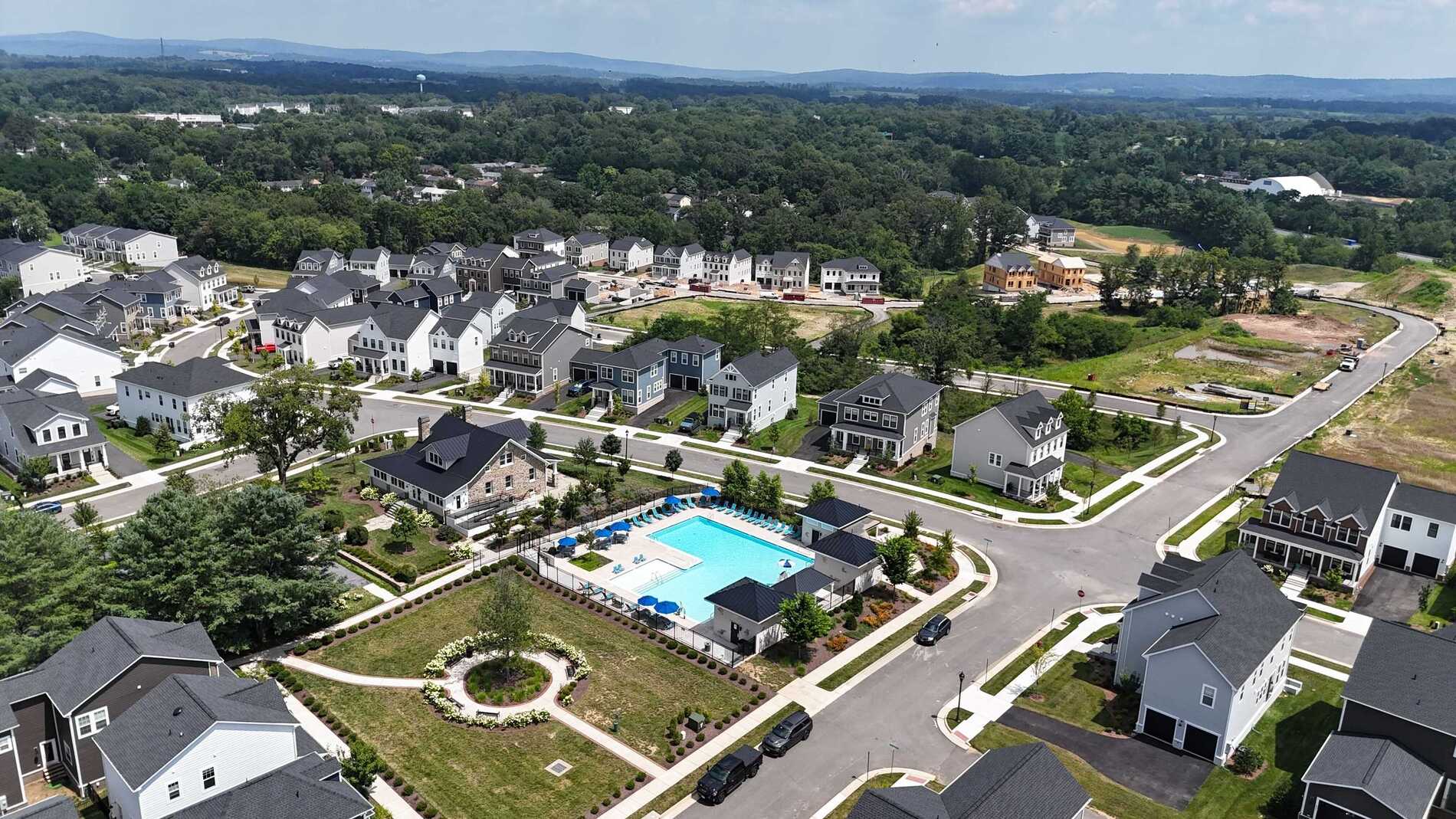
Fauquier County spans more than 650 square miles of rolling Piedmont farmland, yet a surprising share of its housing stock relies on private wells and septic systems - meaning a single power outage or pump failure can turn into a sewage backup before a homeowner ever notices standing water. That mix of rural infrastructure, historic buildings, and fast-growing subdivisions shapes the restoration needs across Warrenton, Bealeton, Marshall, and beyond.
Restoration teams serving the county handle a full range of property emergencies:
- Water Damage Restoration - extraction, moisture mapping, and structural drying after plumbing failures, appliance leaks, and roof intrusion
- Flooded Basement - removal of groundwater and storm runoff from below-grade living space, crawl spaces, and finished basements
- Sewage Cleanup - safe handling of Category 3 contaminated water from septic backups, main line failures, and lift station issues
- Fire Damage Restoration - stabilization, debris removal, soot cleaning, and coordination of structural repairs
- Smoke Damage Restoration - odor neutralization, HVAC decontamination, and content cleaning after wood stove, chimney, or kitchen fires
- Mold Removal - containment, air filtration, and removal of colonized materials with documented clearance
Acting quickly protects framing, drywall, flooring, and indoor air quality - and gives insurers the documentation they need to move a claim forward.
Common Damage Restoration Issues in Fauquier County, Virginia
Local geography drives much of the damage pattern here. Clay-heavy Piedmont soils drain slowly, storm cells stall against the Blue Ridge foothills, and older farmhouses often sit on rubble or fieldstone foundations that wick moisture year-round.
Frequent Causes of Loss
- Burst supply lines and failed water heaters - the highest-frequency source of residential water claims statewide
- Sump pump failure during multi-inch rain events along the Rappahannock and Cedar Run drainage areas
- Septic saturation and drain field backup after prolonged wet stretches
- Chimney, flue, and wood stove fires in rural homes that rely on supplemental heat
- Kitchen grease fires that push soot through return-air ductwork into every room
- Crawl space humidity feeding mold growth beneath subfloors
Warning Signs Worth a Phone Call
- Buckling or cupping hardwood near dishwashers, refrigerators, or laundry rooms
- Cabinet toe kicks that feel soft or show dark staining
- A musty smell that strengthens when the HVAC system cycles on
- Efflorescence or white powder on basement block walls
- Slow floor drains, gurgling toilets, or wet spots over the drain field
- Lingering smoke odor that returns on humid days after a small fire
Water inside wall cavities and beneath cabinets moves silently. Without moisture mapping in the first 24 hours, saturated assemblies get sealed up during repairs - and mold surfaces months later, after reconstruction is finished.
Neighborhoods We Serve in Fauquier County
Coverage extends across the county's towns, villages, and rural estate corridors, including:
- Warrenton - Old Town Warrenton, Warrenton Chase, Menlough, Brookside, and the Route 29 business corridor
- Northern Fauquier - Marshall, The Plains, Orlean, Hume, and Markham
- Southern Fauquier - Bealeton, Remington, Sumerduck, and Goldvein
- Eastern communities - Catlett, Calverton, Midland, and Broad Run
- Western foothills - Upperville, Rectortown, Delaplane, and Paris
Response also reaches neighboring Culpeper, Rappahannock, and Prince William county lines, along with horse farms and estate properties on long private drives where access, well systems, and outbuildings require extra planning. Commercial work covers Warrenton's retail centers, medical offices, wineries, schools, and agricultural operations - each with different priorities for containment, occupancy, and business continuity.
Seasonal Damage Patterns in Fauquier County
Winter (December - February)
- Frozen and burst pipes in crawl spaces, garages, and unheated additions
- Chimney and wood stove fires, plus space heater incidents
- Ice dam backup along low-slope roof sections and porch rooflines
Spring (March - May)
- Flooded basements from snowmelt combined with heavy Piedmont rainfall
- Septic and sewer backups as saturated soils stop absorbing effluent
- First mold complaints as temperatures rise over damp winter materials
Summer (June - August)
- Peak mold season - high dew points push crawl space and basement humidity past safe thresholds
- Storm damage, wind-driven rain, and lightning-related fires
- Air conditioning condensate line clogs that soak ceilings and closets
Fall (September - November)
- Tropical system remnants delivering flash flooding and roof intrusion
- Clogged gutters directing water against foundations
- Heating season startup fires and smoke odor from dusty furnaces and dirty flues
Housing Characteristics & Restoration Considerations
Fauquier County's building stock ranges from 18th and 19th century farmhouses in Old Town Warrenton, The Plains, and Upperville to 1990s-2020s subdivisions along the Route 29 and Route 17 corridors. That spread changes the restoration approach dramatically from one address to the next.
Older Homes and Historic Structures
- Plaster over wood lath dries far more slowly than drywall and needs targeted airflow rather than aggressive demolition
- Fieldstone, rubble, and unsealed block foundations allow constant vapor transfer into basements
- Balloon framing lets smoke and soot travel between floors through open wall cavities
- Knob-and-tube or updated-in-stages wiring requires careful assessment after fire or water exposure
- Original heart pine flooring and millwork often justify specialty drying over replacement
Newer Construction
- Finished basements with carpet, drywall, and built-ins raise the cost of any groundwater event
- Engineered wood and OSB subfloors delaminate quickly once saturated
- Tight building envelopes trap moisture and smoke odor, making HVAC cleaning a priority
- Multi-zone HVAC systems can distribute mold spores and soot through several levels within hours
Rural Property Factors
- Private wells may need disinfection and testing after flooding or sewage contamination
- Septic systems and drain fields must be evaluated before cleanup is considered complete
- Vented crawl spaces frequently benefit from encapsulation and dehumidification after drying
- Barns, guest cottages, and detached garages add square footage that insurers document separately
Environmental Conditions & Damage Implications
The county sits in a humid subtropical zone with roughly 40-plus inches of annual precipitation, hot muggy summers, and freeze-thaw winters. Those conditions influence every stage of restoration.
Climate and Moisture
- Summer dew points regularly exceed 65°F, so open windows add moisture instead of removing it - closed drying with commercial dehumidifiers is the reliable method
- Repeated freeze-thaw cycles crack foundation mortar and slab edges, creating new seepage paths each spring
- Stalled thunderstorms over the Blue Ridge foothills produce intense localized runoff toward Cedar Run, Licking Run, and the Rappahannock
Soils and Groundwater
- Clay-rich Piedmont soils shed water toward foundations rather than absorbing it, a leading contributor to flooded basements
- High seasonal water tables in low-lying areas push hydrostatic pressure against block walls
- Saturated ground limits septic absorption, increasing sewage backup risk during wet stretches
Air and Water Quality Factors
- Well water may require testing after flooding, especially where wellheads sit near drain fields or pasture
- Agricultural dust, pollen, and wood smoke already burden indoor air, so HEPA filtration matters after fire or mold work
- Aged smoke residue turns acidic in humid air and etches glass, metal, and appliance finishes if cleaning is delayed
- Mold spores common to wooded Piedmont settings colonize damp cellulose within 24 to 48 hours
Moisture Mapping and Advanced Drying Technology for Fauquier County Properties
The difference between a clean restoration and a callback a year later usually comes down to measurement. Documented moisture readings - not appearance - determine when a structure is genuinely dry, and that documentation also supports insurance claims.
Diagnostic Tools Used On Site
- Thermal imaging cameras to reveal temperature anomalies behind plaster, tile, and cabinetry
- Penetrating and non-penetrating moisture meters for readings in framing, subfloor, and masonry
- Thermo-hygrometers tracking grain depth and relative humidity in each drying chamber
- Borescopes for inspecting wall cavities and crawl spaces without unnecessary demolition
- Particle counters and air sampling to verify containment during mold and soot work
Equipment That Fits Local Building Types
- Low-grain refrigerant and desiccant dehumidifiers sized for damp basements and stone-walled cellars
- Injection drying systems and wall cavity ventilation that preserve historic plaster and hardwood
- Negative-air machines with HEPA filtration for sewage and mold containment
- Hydroxyl generators, thermal fogging, and ozone treatment for stubborn smoke odor
- Truck-mounted extraction units and portable pumps for rural properties with limited access
Typical Project Sequence
- Emergency contact and hazard assessment, including electrical and contamination category
- Water extraction or fire debris stabilization and site security
- Moisture mapping of every affected assembly, with baseline photo and reading documentation
- Controlled removal of unsalvageable materials under containment
- Equipment placement, daily monitoring, and adjustment until drying goals are met
- Cleaning, antimicrobial application, and odor treatment of structure and contents
- Final verification readings, clearance documentation, and handoff to reconstruction
SERVPRO of Culpeper & Fauquier Counties applies this process to residential and commercial losses countywide, with 24/7 availability for water, fire, smoke, sewage, and mold emergencies.