Damage Restoration in Augusta County, VA
- Damage Restoration Services Overview
- Common Damage Restoration Issues in Augusta County, Virginia
- Neighborhoods We Serve in Augusta County
- Seasonal Damage Patterns in Augusta County
- Housing Characteristics & Restoration Considerations
- Environmental Conditions & Damage Implications
- From Emergency Response to Rebuild: How Restoration Works in the Shenandoah Valley
Damage Restoration Services Overview
What happens in the first few hours after a pipe bursts, a storm pushes water under a basement door, or smoke settles into the plaster of a century-old farmhouse? Those early decisions often determine whether a property is dried and repaired - or gutted months later.
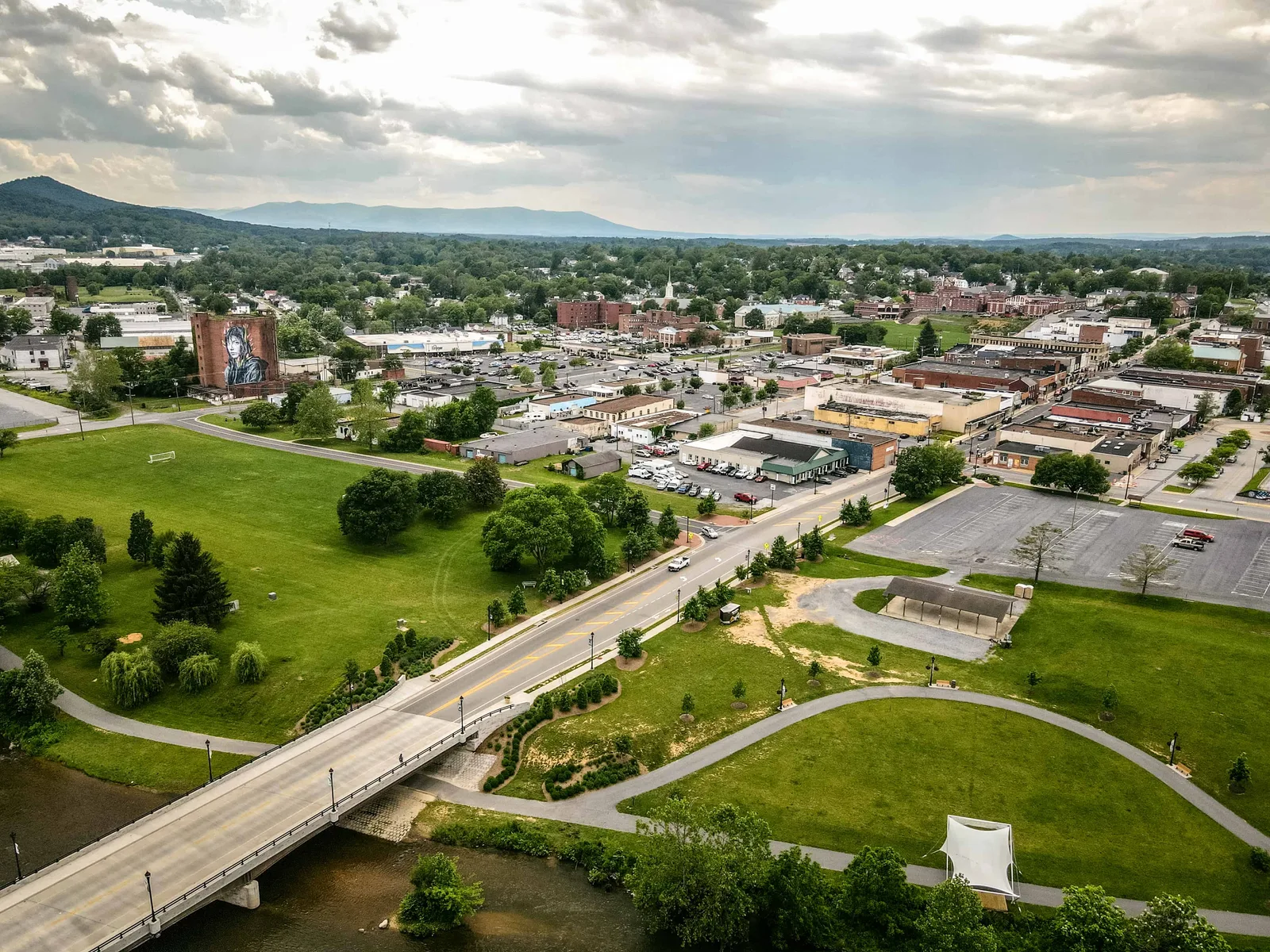
Augusta County properties range from historic homes near Staunton and Waynesboro to rural farmsteads with well water, septic systems, and outbuildings. Each type of structure responds differently to moisture, heat, and contamination, which is why restoration work here calls for more than a single approach.
- Water Damage Restoration - extraction, structural drying, and moisture mapping after supply line failures, appliance leaks, roof intrusion, and storm flooding.
- Flooded Basement Cleanup - pumping standing water, drying block and stone foundations, and addressing the source of groundwater entry.
- Sewage Cleanup - containment and sanitizing after septic backups, main line failures, and toilet overflows involving contaminated water.
- Fire Damage Restoration - debris removal, structural stabilization, contents handling, and rebuilding of damaged areas.
- Smoke Damage Restoration - soot removal, odor neutralization, and cleaning of surfaces far from the burn area.
- Mold Removal - containment, controlled removal of affected materials, and correction of the moisture source feeding growth.
The benefit for homeowners is continuity: one coordinated response covering assessment, mitigation, documentation for insurance, and reconstruction.
Common Damage Restoration Issues in Augusta County, Virginia
Sitting in the Shenandoah Valley between the Blue Ridge and Allegheny ranges, Augusta County sees heavy rainfall events, freeze-thaw cycles, and terrain that funnels runoff toward low-lying properties.
Frequent Causes of Damage
- Frozen and burst pipes in crawl spaces, unheated basements, and older additions during valley cold snaps
- Groundwater seepage through stone or block foundations after prolonged rain
- Septic system backups on rural properties when drain fields saturate
- Storm damage from remnants of tropical systems and summer thunderstorm downbursts
- Chimney, woodstove, and space heater fires in homes that rely on supplemental heat
- Hidden mold behind paneling, under carpet, and in attics with poor ventilation
Warning Signs Worth Acting On
- Musty odor in a basement or closed-off room, especially after humid weeks
- Efflorescence, white chalky residue, or bubbling paint on foundation walls
- Cupping hardwood, soft spots in subfloor, or stained ceiling tiles
- Slow drains or gurgling fixtures signaling a developing sewage issue
- Lingering smoke odor that returns on warm, humid days after a small fire
- Sagging insulation in crawl spaces, a common sign of long-term moisture
After severe weather, damage patterns are also read across the property - whether trees and debris fell mainly in one direction or show signs of rotation - because that pattern points to which roof planes, walls, and window openings need closer inspection for water intrusion.
Neighborhoods We Serve in Augusta County
Response covers the county's towns, unincorporated communities, and surrounding rural routes.
- Staunton and Waynesboro areas - historic districts, Victorian-era homes, and downtown mixed-use buildings
- Fishersville and Stuarts Draft - newer subdivisions, slab and basement construction
- Verona, Weyers Cave, and Mount Sidney - suburban and agricultural mix along the Route 11 corridor
- Craigsville, Deerfield, and Churchville - western mountain communities with well and septic systems
- Greenville, Middlebrook, and Steeles Tavern - farmsteads and older frame homes
- Grottoes, New Hope, and Swoope - properties near creeks and low-lying floodplain
Surrounding Rockingham, Rockbridge, and Highland County properties fall within the same service reach, including outbuildings, barns, rental units, and small commercial spaces.
Seasonal Damage Patterns in Augusta County
Winter (December - February)
- Burst supply lines in crawl spaces and exterior walls during hard freezes
- Ice dams pushing meltwater under shingles into ceilings
- Peak season for heating-related fire and smoke damage
Spring (March - May)
- Snowmelt and heavy rain saturating soil, driving flooded basement calls
- Septic backups where drain fields cannot absorb additional water
- Mold growth resuming as temperatures rise in damp spaces
Summer (June - August)
- Thunderstorm downbursts, wind-driven rain, and roof leaks
- Condensation and high humidity fueling attic and crawl space mold
- Air conditioning condensate line clogs causing ceiling and wall damage
Fall (September - November)
- Tropical system remnants producing sustained rainfall and creek flooding
- Clogged gutters redirecting water to foundations
- First fires of the season revealing neglected chimneys and flue problems
Housing Characteristics & Restoration Considerations
Augusta County's housing stock spans more than two centuries, and that range shapes every restoration plan. Staunton and Waynesboro contain substantial pre-1940 inventory, while Fishersville and Stuarts Draft added significant construction from the 1990s onward.
Construction Types Encountered
- Stone and rubble foundations - porous, absorbent, and slow to dry after basement flooding
- Balloon-framed walls - allow water and smoke to travel vertically between floors without visible signs
- Horsehair plaster and lath - holds moisture and soot, requiring careful cleaning rather than aggressive demolition
- Vented crawl spaces - common in rural homes and a frequent source of chronic mold
- Slab-on-grade ranches - trap moisture beneath flooring adhesives and tack strips
- Finished basements - carpet pad, drywall, and framing act as reservoirs after flooding
How This Affects the Work
- Moisture readings are taken in multiple materials, since old plaster and modern drywall dry at different rates.
- Drying equipment placement accounts for hidden cavities in balloon-framed and additions-heavy homes.
- Salvageable historic trim, flooring, and millwork is documented before any removal.
- Sewage cleanup in older homes includes checking cast iron and clay laterals for ongoing failure.
- Smoke odor treatment addresses porous materials such as plaster, brick, and unsealed wood framing.
Environmental Conditions & Damage Implications
Valley climate and geology influence how quickly damage develops and how long structures take to dry.
Climate and Humidity
- Humid summers keep indoor relative humidity high, supporting mold growth within days of a leak
- Annual rainfall in the 35 - 42 inch range, concentrated in spring and late summer
- Repeated freeze-thaw cycles that crack masonry, mortar joints, and exterior spigots
Soil and Groundwater
- Karst limestone terrain across much of the valley, producing sinkholes, springs, and unpredictable groundwater movement
- Clay-heavy soils in some areas that hold water against foundation walls
- High water tables near the South River, Middle River, and Christians Creek drainages
- Septic drain fields that lose absorption capacity during saturated periods, raising sewage backup risk
Air and Water Quality Factors
- Well water on rural properties, which affects sanitizing procedures after contaminated water events
- Seasonal pollen and agricultural dust that complicate post-fire air scrubbing
- Wood heat and outdoor burning contributing to soot accumulation in some homes
These conditions mean drying schedules run longer in karst-influenced basements, mold containment is a standard step rather than an afterthought, and post-restoration humidity control is built into the plan instead of left to the homeowner.
From Emergency Response to Rebuild: How Restoration Works in the Shenandoah Valley
Staunton and Augusta County properties present specialty restoration challenges shaped by historic neighborhoods, rural acreage, and mountain weather. A start-to-finish process keeps those variables from turning a manageable loss into a prolonged project.
The Restoration Sequence
- Emergency contact and dispatch - crews respond around the clock, including to properties on gravel roads and outlying routes.
- Safety and source control - shut off water, stabilize fire-damaged structure, isolate contaminated areas, and address electrical hazards.
- Assessment and documentation - moisture mapping, thermal imaging, soot and residue evaluation, and photo records for the insurance claim.
- Extraction and removal - pump standing water, remove unsalvageable materials, and dispose of sewage-contaminated porous items.
- Cleaning and sanitizing - antimicrobial application, soot removal from surfaces, contents cleaning, and odor neutralization.
- Structural drying - air movers, dehumidifiers, and daily moisture readings until materials reach documented dry standards.
- Mold containment and removal - negative air pressure, HEPA filtration, and controlled removal where growth is present.
- Reconstruction - drywall, flooring, trim, paint, and matching of historic details where the home calls for it.
What Single-Source Service Prevents
- Gaps between mitigation and rebuild that leave a home partially demolished
- Conflicting documentation that slows insurance approval
- Repeat mold growth caused by drying that stopped short of dry standard
- Odor returning months later because porous materials were cleaned only at the surface
- Homeowners coordinating separate plumbers, cleaners, and contractors during a stressful week
Whether the call involves a flooded basement in Verona, a septic backup outside Churchville, or smoke damage in a Staunton historic district home, the goal stays the same: stabilize quickly, dry thoroughly, and return the property to pre-loss condition with the character of the original construction intact.