
Damage Restoration in Fishersville, VA
- Damage Restoration Services Overview
- Common Damage Restoration Issues in Fishersville, Virginia
- Neighborhoods We Serve in Fishersville
- Seasonal Damage Patterns in Fishersville
- Housing Characteristics & Restoration Considerations
- Environmental Conditions & Damage Implications
- Emergency Response Timelines for Fishersville Properties
Damage Restoration Services Overview
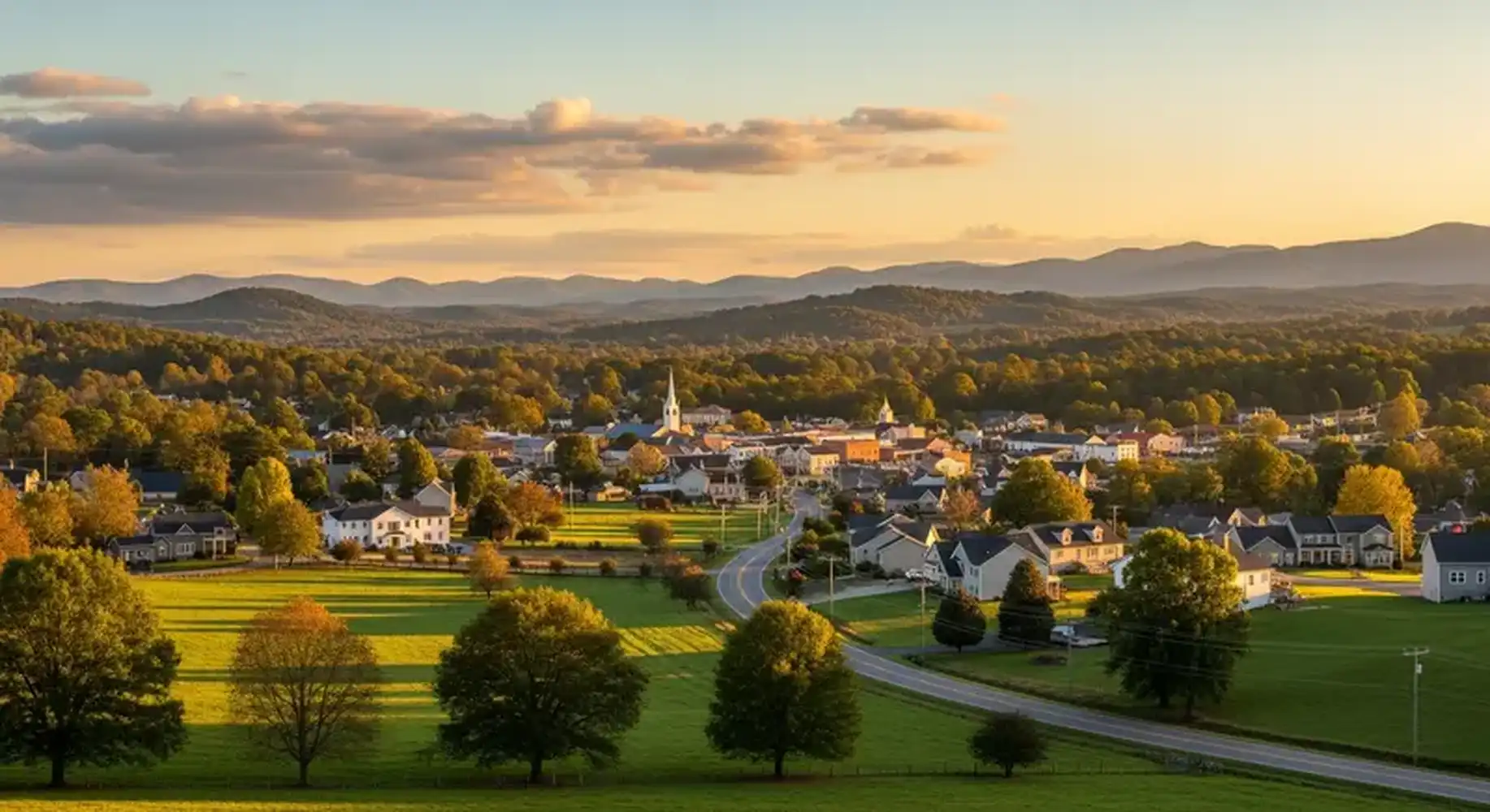
When water pours through a ceiling or smoke settles into every room, knowing that trained restoration crews are minutes away changes everything. Fishersville homeowners and business owners rely on a full spectrum of damage recovery work that moves from emergency stabilization through drying, cleaning and rebuilding.
Restoration providers serving Augusta County - including well-known names such as Jenkins Restorations, SERVPRO of Rockingham and Augusta Counties, ServiceMaster of Shenandoah Valley and Rainbow Restoration of Harrisonburg & Staunton - handle the following core services:
- Water Damage Restoration - extraction, structural drying and moisture mapping after burst pipes, appliance failures and roof leaks
- Flooded Basement Recovery - pumping standing water, drying foundation walls and salvaging stored belongings
- Sewage Cleanup - removal of contaminated material, antimicrobial treatment and safe disposal after backups
- Fire Damage Restoration - debris removal, structural cleaning, content pack-out and reconstruction
- Smoke Damage Restoration - soot removal from surfaces, HVAC cleaning and odor neutralization
- Mold Removal - containment, affected material removal and correction of the moisture source
The benefit for Fishersville property owners is straightforward: faster response limits secondary damage, protects indoor air quality and keeps repair scope from expanding while insurance documentation stays organized from the first day.
Common Damage Restoration Issues in Fishersville, Virginia
Fishersville sits in the Shenandoah Valley between Staunton and Waynesboro, where mountain runoff, clay soils and older housing stock create a predictable set of restoration problems.
Frequent Causes of Damage
- Heavy spring and summer thunderstorms that overwhelm gutters, downspouts and window wells
- Remnants of tropical systems tracking up the valley, saturating soil and pushing groundwater into basements
- Winter pipe freezes in crawl spaces, garages and unheated additions along Route 250 and Tinkling Spring Road
- Sump pump failure during power outages, a leading cause of flooded basement calls
- Septic system backups on rural parcels outside municipal sewer service
- Kitchen fires, wood stove sparks and chimney creosote buildup during heating season
- Slow supply line and water heater leaks that feed hidden mold colonies
Warning Signs Worth Acting On
- Musty odors in basements, crawl spaces or closets on exterior walls
- Efflorescence, chalky white deposits or dark staining on block foundation walls
- Cupping hardwood, bubbling paint or soft spots in subfloor near bathrooms
- Gurgling drains or slow floor drains that signal a developing sewage backup
- Persistent smoke odor that returns on humid days after a small fire
- Visible surface growth on drywall paper, framing lumber or stored cardboard
Any of these signals warrants an inspection with moisture meters and thermal imaging before cosmetic repairs begin, since covering damp material simply relocates the problem.
Neighborhoods We Serve in Fishersville
Coverage spans the full Fishersville area and the surrounding Augusta County communities that share the same weather patterns and infrastructure.
- Central Fishersville near Augusta Health and the Route 250 corridor
- Tinkling Spring and Jefferson Highway neighborhoods
- Ladd Road, Goose Creek and Windsor Springs area subdivisions
- Stuarts Draft, Waynesboro and Lyndhurst to the south and east
- Staunton, Verona and Fort Defiance to the north and west
- Crimora, New Hope, Weyers Cave and Mount Sidney
- Rural properties along Hermitage Road, Cattleman Road and Route 608
Crews familiar with local street layouts, well and septic systems, and Augusta County permitting can reach both in-town homes and outlying farms without delay, which matters most when standing water is still spreading.
Seasonal Damage Patterns in Fishersville
Each season brings a different mix of emergency calls across the valley.
- December through February - frozen and burst pipes dominate, along with heating-related fire and smoke damage from furnaces, space heaters and chimneys. Ice dams push meltwater under shingles.
- March through May - snowmelt combines with spring rain to saturate soil, producing the year's heaviest volume of flooded basement and groundwater seepage calls. Sump pumps run continuously and fail.
- June through August - severe thunderstorms bring wind-driven rain, roof damage and lightning strikes. High humidity accelerates mold growth in any structure that was not fully dried.
- September through November - tropical remnants and prolonged rain events cause flash flooding and sewer or septic backups. Heating systems restart, releasing dust and occasionally smoke into ductwork.
Year-Round Constants
- Appliance failures - washing machines, dishwashers and water heaters - happen in every month
- Crawl space moisture builds continuously in homes without vapor barriers
- Mold remediation demand peaks roughly two to three weeks after major storm events
Housing Characteristics & Restoration Considerations
Fishersville's housing mix ranges from mid-century farmhouses to subdivisions built during the growth around Augusta Health, and each construction era responds differently to water, fire and mold.
Older Homes and Farmhouses
- Stone or block foundations with unfinished basements that wick moisture through masonry
- Plaster and lath walls that hold water far longer than modern drywall
- Balloon framing that lets smoke and fire travel vertically between floors
- Original wood floors requiring specialized drying rather than replacement
- Knob-and-tube or updated-in-patches wiring that raises electrical fire risk
Homes Built in Recent Decades
- Finished basements with carpet, padding and drywall that must be removed quickly after flooding
- Vinyl siding and OSB sheathing that trap moisture behind wall cavities
- Engineered flooring and MDF trim that swell permanently once saturated
- Tight building envelopes that concentrate smoke odor and slow natural drying
- Attached garages where vehicle and storage fires spread into living space
Rural and Crawl Space Properties
- Septic systems vulnerable to saturation-driven backups requiring sewage cleanup protocols
- Vented crawl spaces that develop chronic mold on floor joists and insulation
- Well water systems that complicate flushing and sanitizing after contamination
Accurate restoration planning starts with identifying the building type, because drying a plaster farmhouse and drying a modern finished basement demand different equipment placement, timelines and containment strategies.
Environmental Conditions & Damage Implications
The Shenandoah Valley climate around Fishersville produces the exact conditions mold prefers - warm, humid summers paired with structures that stay damp long after visible water disappears.
Climate Factors
- Roughly 40 inches of annual precipitation, distributed across all four seasons
- Summer relative humidity that regularly exceeds 70 percent, slowing evaporation
- Freeze-thaw cycles that crack foundation mortar and open new water entry paths
- Winds funneled along the valley between the Blue Ridge and Allegheny ranges
Soil and Groundwater
- Clay-heavy and limestone-influenced soils that drain slowly and hold water against foundations
- Karst geology in parts of Augusta County, creating sinkholes and unpredictable groundwater movement
- High water tables near creeks and drainage swales that push moisture through basement slabs
- Hard water that leaves mineral scale, shortening the life of supply lines and water heaters
Air Quality Effects
- Pollen and agricultural dust that combine with soot residue after a fire, complicating cleaning
- Smoke particles that bond tightly to surfaces in humid air, requiring hydroxyl or ozone treatment
- Mold spores that circulate through HVAC systems when duct cleaning is skipped
- Contaminated floodwater carrying agricultural runoff, raising the biohazard level of basement flooding
These conditions explain why drying alone is rarely enough - humidity control, antimicrobial application and moisture-source correction determine whether damage returns.
Emergency Response Timelines for Fishersville Properties
The first several hours after water intrusion or fire decide how much of a Fishersville home can be saved. Restoration companies serving the Staunton-Waynesboro-Fishersville triangle maintain around-the-clock dispatch because damage does not pause overnight or on weekends.
Why Speed Changes Outcomes
- Drywall, insulation and cabinetry begin absorbing water immediately and lose structural integrity within a day
- Mold colonies can establish on damp organic material in as little as 24 to 48 hours under valley humidity
- Acidic soot etches glass, chrome fixtures and appliance finishes permanently if left in place
- Sewage contamination spreads across porous flooring quickly, expanding the removal zone
- Standing water in a basement threatens electrical panels, furnaces and water heaters
What a Rapid Response Looks Like
- Phone triage with safety guidance - shutting off water supply, avoiding contaminated areas, cutting power if safe
- On-site arrival with extraction units, air movers, dehumidifiers and moisture meters
- Containment and safety setup, including negative air machines for mold and sewage work
- Bulk water removal, followed by removal of unsalvageable carpet, padding and drywall
- Documentation with photos, moisture readings and inventory for the insurance claim
- Daily monitoring until materials reach dry standard, then cleaning, deodorizing and reconstruction
What Property Owners Can Do First
- Shut off the main water valve for supply line breaks
- Keep people and pets away from sewage-affected areas entirely
- Avoid running HVAC after a fire to prevent soot circulation
- Move undamaged furniture and documents to a dry room
- Photograph conditions before anything is moved or discarded
Fast, documented action keeps repairs contained and helps Fishersville families return to normal routines sooner.





