Damage Restoration in Bedford County, VA
- Damage Restoration Services Overview
- Common Damage Restoration Issues in Bedford County, Virginia
- Neighborhoods We Serve in Bedford County
- Seasonal Damage Patterns in Bedford County
- Housing Characteristics & Restoration Considerations
- Environmental Conditions & Damage Implications
- Storm Response and Emergency Restoration Along the Blue Ridge Corridor
Damage Restoration Services Overview
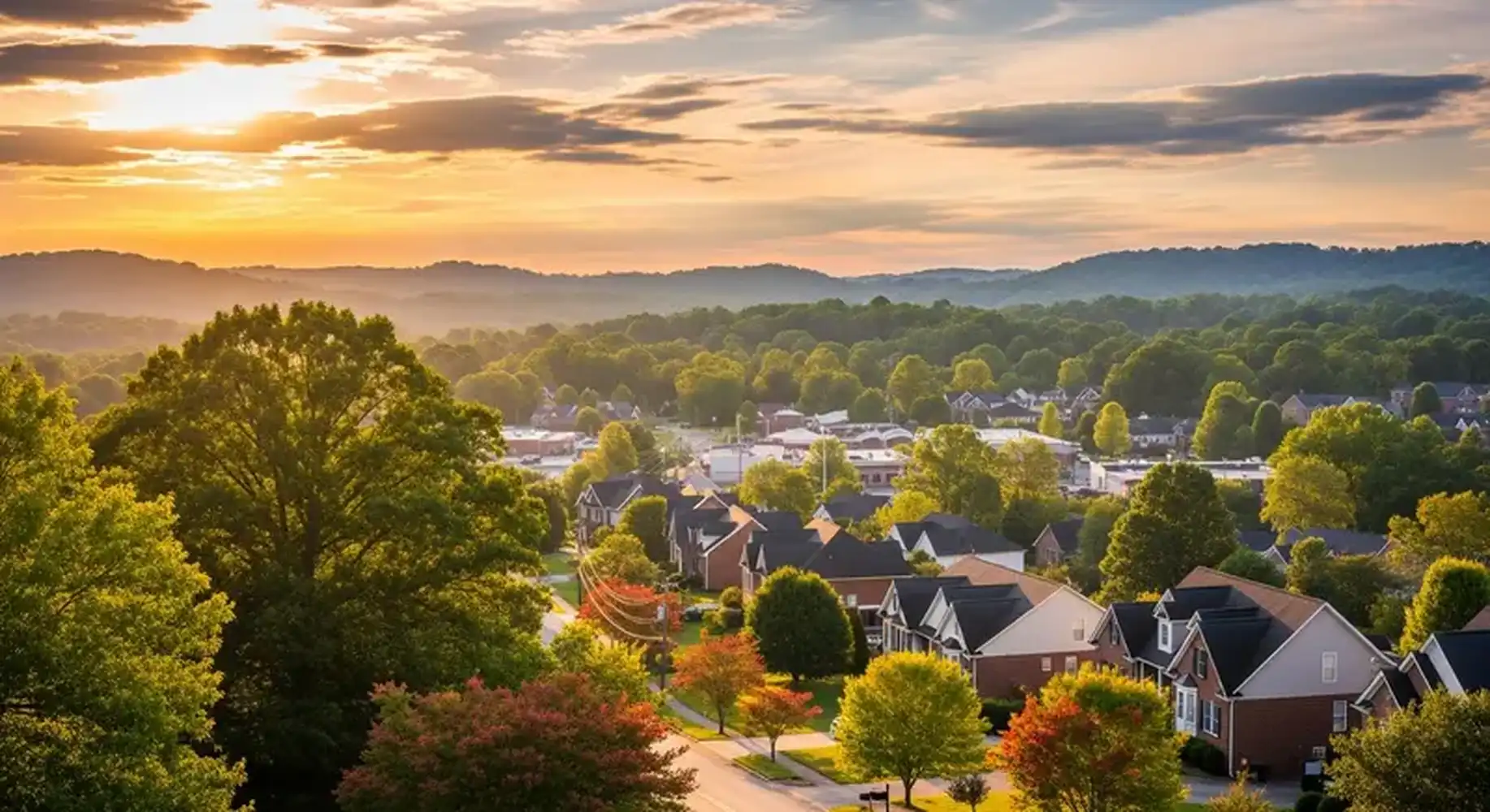
Bedford County sits between the Blue Ridge foothills and the Roanoke and James River valleys, a landscape that shapes nearly every restoration call in the area. Homes here range from century-old farmhouses on rural acreage to lakefront properties along Smith Mountain Lake and newer subdivisions near Forest and Big Island - each with its own vulnerabilities to water, fire, and mold.
Restoration work in this region covers a full spectrum of emergencies:
- Water Damage Restoration - burst supply lines, failed water heaters, roof leaks, and storm intrusion
- Flooded Basement cleanup - hillside runoff, sump pump failure, and hydrostatic pressure through block foundations
- Sewage Cleanup - septic backups, saturated drain fields, and municipal line surcharges
- Fire Damage Restoration - structural stabilization, debris removal, and content recovery
- Smoke Damage Restoration - soot removal, thermal fogging, and odor neutralization
- Mold Removal - containment, HEPA filtration, and moisture source correction
The benefit of coordinated restoration is simple: one team documents the loss, stops secondary damage, dries the structure, and rebuilds - reducing the chance that a small leak becomes a mold colony or a kitchen fire leaves permanent odor in the drywall.
Common Damage Restoration Issues in Bedford County, Virginia
Terrain and weather drive most losses here. Steep grades push runoff toward foundations, while rural properties depend on wells and septic systems that behave unpredictably during saturated conditions.
Frequent Causes of Loss
- Remnants of tropical systems and summer thunderstorms overwhelming gutters and window wells
- Frozen and split pipes in crawl spaces, garages, and unheated additions during January cold snaps
- Septic backups after heavy rain saturates drain fields on clay-heavy soils
- Fallen limbs from oaks and pines puncturing roofs during ice storms and derecho-style winds
- Chimney, woodstove, and space heater fires in older homes heated through cold months
- Crawl space humidity feeding mold on floor joists and subflooring
Warning Signs Worth Acting On
- Musty odor that intensifies when the HVAC system runs
- Cupping or darkening hardwood near exterior walls and doorways
- Efflorescence, chalky white staining, or damp streaks on basement block walls
- Gurgling drains or slow toilets - often an early septic distress signal
- Sooty film on light fixtures, ceilings, or air return grilles after a small fire
- Persistent smoke odor returning on humid days, indicating residue in porous materials
Waiting rarely helps. Water migrates through wall cavities within hours, and mold colonization typically begins inside the first day or two of unaddressed saturation.
Neighborhoods We Serve in Bedford County
Coverage extends across the county's towns, lake communities, and rural routes:
- Bedford - the historic downtown district, Longwood, and surrounding older neighborhoods
- Forest - including Boonsboro-adjacent subdivisions and newer residential developments
- Moneta and Smith Mountain Lake - waterfront homes, docks, and seasonal properties
- Huddleston, Goodview, and Montvale
- Big Island, Thaxton, and Stewartsville
- New London, Chamblissburg, and Coleman Falls
Service also reaches adjacent areas in Campbell, Franklin, Botetourt, and Amherst counties, plus the Lynchburg and Roanoke corridors along Route 460 and Route 122. Rural addresses along gravel roads and lake peninsulas receive the same response priority as in-town properties - equipment is staged for both.
Seasonal Damage Patterns in Bedford County
Winter (December - February)
- Pipe freezes and bursts during single-digit overnight lows
- Chimney and heating-appliance fires, with smoke damage spreading through ductwork
- Ice dams lifting shingles on older rooflines
Spring (March - May)
- Snowmelt and steady rain producing flooded basements and crawl spaces
- Septic systems struggling as water tables rise, triggering sewage cleanup calls
- Early mold growth as temperatures climb over saturated materials
Summer (June - August)
- Peak mold season - humidity above 60% in crawl spaces and basements
- Lightning strikes causing structure fires on ridgelines and open farmland
- Air conditioning condensate overflows soaking ceilings and closets
Fall (September - November)
- Tropical storm remnants delivering heavy, sustained rainfall
- Clogged gutters from leaf fall redirecting water against foundations
- Season's first heating use igniting dust and creosote, producing smoke odor complaints
Housing Characteristics & Restoration Considerations
Bedford County's housing stock spans well over a century of building practice, and the construction era largely determines how a property responds to water and fire.
Older Homes (pre-1960)
- Balloon framing that lets water and smoke travel vertically between floors
- Plaster over wood lath, which holds moisture far longer than modern drywall
- Fieldstone or unreinforced block foundations prone to seepage
- Potential asbestos-containing materials and lead paint requiring careful handling during demolition
- Original hardwood floors that often justify controlled drying rather than replacement
Mid-Century and Ranch Homes
- Vented crawl spaces that trap humidity and feed joist mold
- Finished basements with paneling and carpet that conceal slow leaks
- Cast iron and galvanized plumbing nearing the end of service life
Newer Construction and Lake Properties
- Tight building envelopes that hold moisture in when ventilation fails
- Engineered wood and OSB subfloors that swell quickly and irreversibly
- Seasonal Smith Mountain Lake homes where leaks run undetected for weeks
- Multi-level walkout basements requiring extended drying at the lowest elevation
Rural properties add another layer: private wells and septic systems mean sewage cleanup involves assessing the drain field, not just the interior. Long driveways and limited access also influence how drying and containment equipment is staged.
Environmental Conditions & Damage Implications
The county's humid subtropical climate produces hot, sticky summers and cold snaps that swing sharply within a single week - conditions that punish building materials.
Climate Factors
- Roughly 40 - 45 inches of annual precipitation, concentrated in spring and late summer
- Summer dew points that keep unconditioned crawl spaces near saturation
- Freeze-thaw cycling that widens foundation cracks year after year
- Elevation differences between the Peaks of Otter area and the lowlands, creating microclimates with distinct moisture loads
Soil and Water
- Clay-rich Piedmont soils that drain slowly and hold water against foundation walls
- Rocky, shallow soils near the Blue Ridge that shed runoff rapidly downhill
- Hard well water leaving mineral scale that accelerates supply line and appliance failures
- Fluctuating groundwater near creeks, the Otter River, and lake shorelines
Restoration Implications
- Drying plans must account for high ambient humidity - dehumidification often outweighs air movement alone
- Mold remediation requires correcting the moisture source, whether that means encapsulation, grading, or drainage work
- Smoke residue bonds more aggressively in humid conditions, making prompt cleaning of surfaces important
- Sewage events on clay soils spread laterally rather than percolating, expanding the contaminated footprint
- Pollen and wood smoke in the regional air supply mean HEPA filtration serves double duty during rebuild phases
Storm Response and Emergency Restoration Along the Blue Ridge Corridor
Bedford County's position at the base of the Blue Ridge makes it a collection point for weather that stalls against the mountains. A single evening of heavy rainfall can generate flooded basements in Forest, roof intrusion in Montvale, and septic backups in Goodview simultaneously - which is why round-the-clock emergency capacity matters more here than in flatter, drier regions.
What Happens in the First Hours
- Contact and triage - severity, safety hazards, and access details are gathered so the right crew and equipment are dispatched
- Site safety assessment - electrical hazards, structural instability, and contamination category are evaluated before entry
- Water extraction or fire stabilization - standing water is removed, or damaged structures are boarded and tarped against further weather
- Moisture mapping - thermal imaging and meters trace hidden migration into wall cavities, insulation, and subfloors
- Drying setup - air movers, dehumidifiers, and containment barriers are positioned and monitored daily
- Cleaning and remediation - soot removal, antimicrobial application, and mold containment as conditions require
- Reconstruction - drywall, flooring, trim, and finish work returning the property to pre-loss condition
Why Local Response Matters
- Crews familiar with Route 122 and 460 access issues during downed-tree events
- Knowledge of which lake-area roads flood first and how to reach isolated properties
- Experience with both municipal sewer in town and private septic systems countywide
- Documentation practices that align with what insurance adjusters serving central Virginia expect
- Understanding of historic building materials common in Bedford's older districts
Storm damage rarely stays contained to one category. A tree through the roof brings water, then mold; a lightning strike brings fire, then smoke and extinguishing water. Handling all of it under one coordinated plan keeps the timeline shorter and the outcome cleaner for property owners across the county.