
Damage Restoration in Bedford, VA
- Damage Restoration Services Overview
- Common Damage Restoration Issues in Bedford, Virginia
- Neighborhoods We Serve in Bedford
- Seasonal Damage Patterns in Bedford
- Housing Characteristics & Restoration Considerations
- Environmental Conditions & Damage Implications
- Advanced Drying and Odor Control Technology for Bedford Properties
Damage Restoration Services Overview
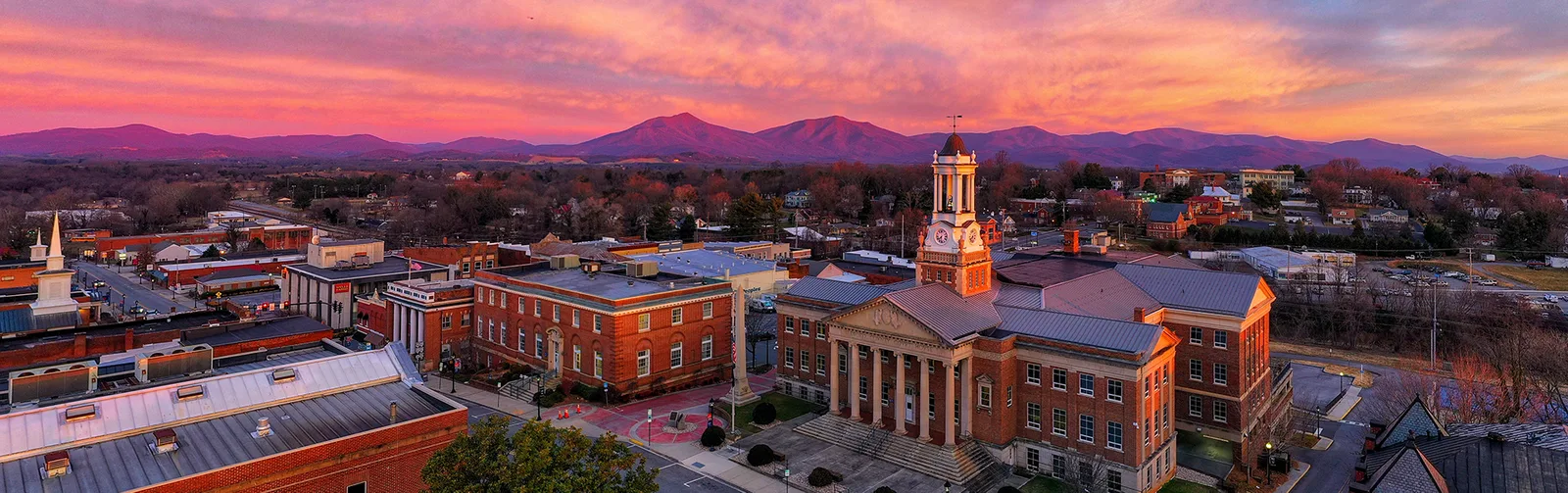
Few things upend daily life faster than water pouring through a ceiling, a basement filling during a Blue Ridge downpour, or the smell of smoke lingering after a kitchen fire. Property damage in Bedford, Virginia rarely arrives on a convenient schedule, and every hour of delay tends to widen the repair footprint.
Merit Restorations handles the full recovery process for homes and businesses across Bedford County, from the first emergency call through final reconstruction.
- Water damage restoration - extraction, structural drying, dehumidification, and moisture mapping behind walls and under flooring.
- Flooded basement cleanup - pump-out, content removal, sanitizing, and drying of block, poured concrete, and stone foundations.
- Sewage cleanup - containment of Category 3 contamination, removal of affected porous materials, and antimicrobial treatment.
- Fire damage restoration - emergency board-up, debris removal, structural stabilization, and interior rebuilding.
- Smoke damage restoration - soot removal from surfaces and HVAC systems, plus odor neutralization with hydroxyl and thermal fogging methods.
- Mold removal - containment barriers, HEPA filtration, source moisture correction, and clearance-ready remediation.
The benefit for Bedford property owners is simple: one certified team coordinating mitigation, cleaning, and repairs while communicating directly with your insurance carrier so the paperwork does not slow the work down.
Common Damage Restoration Issues in Bedford, Virginia
Bedford sits in the shadow of the Peaks of Otter, where terrain, humidity, and older housing stock combine to create predictable damage patterns. Summer thunderstorms roll off the Blue Ridge with heavy rainfall in short windows, overwhelming gutters, window wells, and hillside drainage.
Frequent Causes of Property Damage Locally
- Hillside and clay-heavy lots directing runoff toward foundation walls and basement egress windows.
- Frozen and burst supply lines in crawl spaces, unheated garages, and additions during January cold snaps.
- Aging cast iron and clay sewer laterals in older Bedford neighborhoods that crack, sag, or fill with tree roots.
- Sump pump failures during multi-day rain events or storm-related power outages.
- Wood stove, fireplace, and chimney fires in rural county homes that rely on supplemental heat.
- Kitchen grease fires and electrical faults in homes with original mid-century wiring.
Warning Signs Worth Acting On
- Musty or earthy odors in basements, closets, or near HVAC returns.
- Discolored rings on drywall, cupping hardwood, or tile that sounds hollow underfoot.
- Gurgling drains, slow floor drains, or sewage odor after heavy rain - early signs of a lateral problem.
- Persistent smoke odor that returns on humid days, indicating soot residue trapped in ductwork or insulation.
- Peeling paint, efflorescence on block walls, or condensation on crawl space vapor barriers.
- Increased allergy symptoms indoors, which often precede visible mold growth by weeks.
Neighborhoods We Serve in Bedford
Our crews cover the town of Bedford and the wider county, including lakeside communities, farm properties, and downtown commercial buildings.
- Downtown Bedford and the Centertown historic district
- Longwood and the neighborhoods surrounding Liberty High School
- Forest, Boonsboro, and the Route 221 corridor
- Smith Mountain Lake communities, including Moneta and Huddleston
- Montvale, Thaxton, and Goodview
- Big Island, Coleman Falls, and Sedalia
- Stewartsville, Chamblissburg, and New London
- Rural properties along US 460 and the Blue Ridge Parkway approaches
Lakefront homes near Smith Mountain Lake bring their own moisture challenges, from crawl space humidity to seasonal-use properties where a leak can run undetected for weeks. Farmhouses in the western county often have stone foundations and dirt-floor cellars that require different drying strategies than newer construction in Forest.
Seasonal Damage Patterns in Bedford
Restoration needs in Bedford shift with the calendar, and knowing what each season brings helps property owners prepare.
- December through February: Pipe freezes and bursts dominate. Ice damming on north-facing roofs pushes meltwater into attics and top-floor ceilings. Heating equipment, space heaters, and chimney use drive the year's highest fire and smoke damage volume.
- March through May: Spring thaw combined with saturated clay soil produces flooded basements and crawl space seepage. Mold growth accelerates as indoor temperatures climb while materials remain damp from winter.
- June through August: Afternoon thunderstorms bring wind-driven rain, roof leaks, and flash flooding. High humidity means mold can establish within a day or two of any water intrusion. Sewer backups increase when heavy rain infiltrates aging laterals.
- September through November: Remnants of tropical systems occasionally reach central Virginia with sustained rainfall. Falling leaves clog gutters and downspouts, redirecting water to foundations. Fireplace and wood stove season starts, raising smoke damage calls.
Water damage and mold remediation stay steady year-round in Bedford because indoor humidity and hidden plumbing leaks do not follow a season.
Housing Characteristics & Restoration Considerations
Bedford's housing mix spans nineteenth-century downtown residences, postwar bungalows, 1970s ranches, and newer subdivisions toward Forest and the lake. Each construction era changes how damage spreads and how restoration is approached.
Older Homes (pre-1960)
- Plaster over wood lath holds moisture longer than drywall and often requires targeted drying rather than removal.
- Stone and brick foundations wick groundwater, making flooded basement work as much about vapor control as extraction.
- Balloon framing creates open wall cavities that let smoke, soot, and fire travel between floors quickly.
- Original clay or cast iron sewer lines increase backup risk during storm events.
Mid-Century and Ranch-Style Homes
- Vented crawl spaces trap humid summer air, feeding mold under floor systems.
- Finished basements with paneling and carpet hide water damage until odors appear.
- Older ductwork spreads smoke residue and mold spores throughout the home when systems run during an event.
Newer Construction
- Tighter building envelopes hold moisture in when a leak occurs, shortening the window before mold begins.
- Engineered flooring and OSB subfloor swell permanently once saturated, often requiring replacement.
- Open floor plans allow smoke and soot to coat large volumes of finished space in a short time.
Our teams document material types and moisture readings throughout the structure so drying plans match the building, not a generic template.
Environmental Conditions & Damage Implications
Bedford's location in the Piedmont foothills near the Blue Ridge shapes nearly every restoration decision our technicians make.
- Humid subtropical climate: Summer relative humidity frequently sits above 70 percent, meaning open-window drying is ineffective and mechanical dehumidification is required for water and flood work.
- Annual rainfall around 42 inches: Concentrated in spring and summer storms, this volume regularly tests foundation drainage and sump systems.
- Clay-rich Piedmont soil: Poor percolation holds water against basement walls and produces hydrostatic pressure that pushes moisture through block joints and floor cracks.
- Sloped terrain: Hillside lots channel runoff toward downhill structures, a common cause of repeat basement flooding.
- Well water and septic systems: Many county properties rely on private systems, so sewage cleanup often involves septic overflow and drain field saturation rather than municipal backups.
- Seasonal pollen and wood smoke: Elevated particulate levels mean HVAC systems already carry a heavy load, and post-fire cleaning must include full duct treatment.
These conditions push mold growth timelines short. In a Bedford summer, damp drywall and carpet padding can support colonization within 24 to 48 hours, which is why containment and dehumidification start on the first visit rather than after demolition. Water chemistry from wells with high mineral content can also leave staining on surfaces that requires specialized cleaning agents rather than standard detergents.
Advanced Drying and Odor Control Technology for Bedford Properties
Restoration has moved well beyond fans and open windows. The equipment and methods used on a Bedford job site determine whether a structure dries completely or simply appears dry while moisture lingers in framing and subfloor.
Detection and Documentation
- Thermal imaging cameras identify cool, moisture-laden areas behind drywall and under flooring without demolition.
- Penetrating and non-penetrating moisture meters establish baseline readings in wood, plaster, and concrete.
- Thermo-hygrometers track temperature, relative humidity, and grain depression to confirm drying is progressing.
- Daily digital logs create an evidence trail insurers accept without dispute.
Structural Drying Equipment
- Low-grain refrigerant dehumidifiers pull moisture from air even in cool basements and crawl spaces.
- Desiccant units handle stone foundations and dense materials that resist conventional drying.
- Air movers positioned by airflow calculation rather than guesswork, sized to room volume and material type.
- Injectidry systems force air into wall cavities and under hardwood, saving flooring that would otherwise be torn out.
- Negative air machines with HEPA filtration maintain containment during mold and sewage work.
Smoke, Soot, and Microbial Treatment
- Source removal of charred materials and heavy soot deposits using dry sponge and HEPA vacuum methods.
- Surface cleaning matched to residue type - protein, wet smoke, or dry smoke each respond to different chemistry.
- Full HVAC and duct cleaning to stop recontamination once systems restart.
- Hydroxyl generators or ozone treatment for odor molecules embedded in porous materials.
- Thermal fogging in severe cases, followed by sealing of framing where odor persists.
Every phase is handled by IICRC-certified technicians, and our documentation supports your claim from mitigation through reconstruction. Contact Merit Restorations to schedule a visit and begin recovery on your Bedford property.





