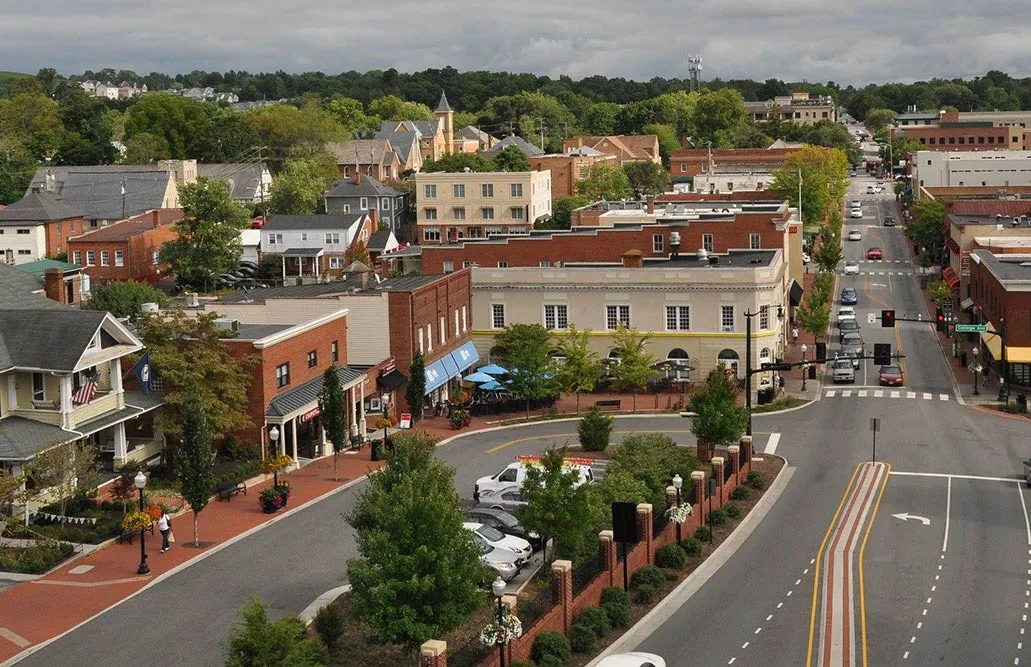
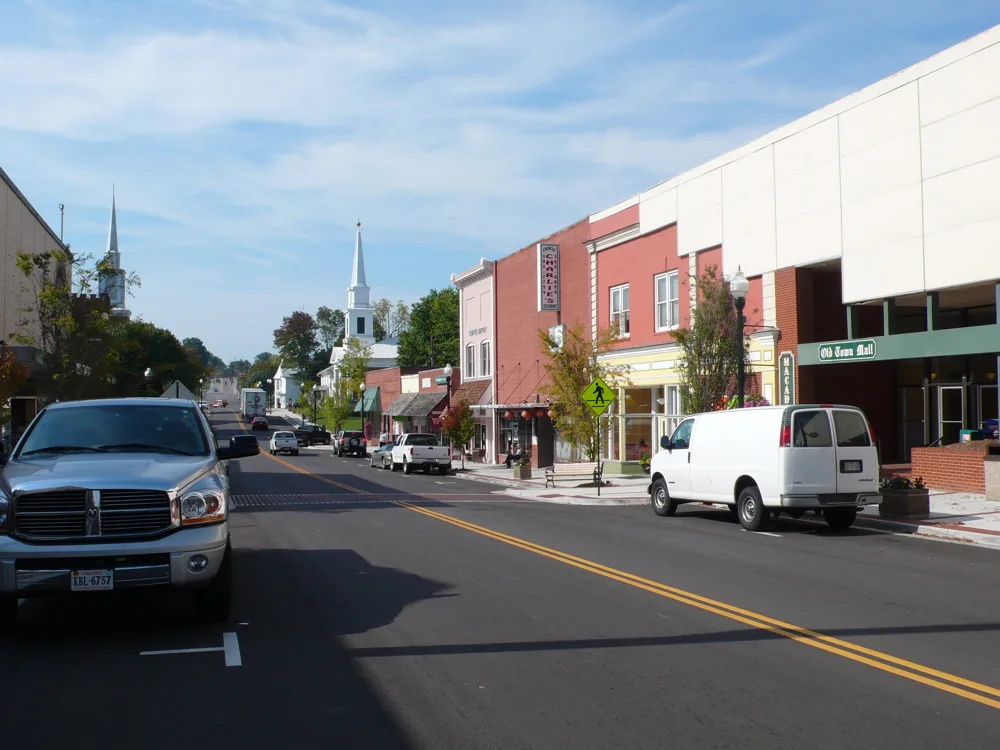
Damage Restoration in Montgomery County, VA
- Damage Restoration Services Overview
- Common Damage Restoration Issues in Montgomery County, Virginia
- Neighborhoods We Serve in Montgomery County
- Seasonal Damage Patterns in Montgomery County
- Housing Characteristics & Restoration Considerations
- Environmental Conditions & Damage Implications
- Insurance Documentation and the Claims Process in the New River Valley
Damage Restoration Services Overview
Standing in a basement with water over your ankles, or walking back into a house that smells like smoke, ranks among the worst days a property owner can have. Fast, organized help changes the outcome - both for your building materials and for your insurance claim.
Our teams serve homeowners, landlords, and business operators across Montgomery County, Virginia with round-the-clock emergency response and full reconstruction capability.
- Water Damage Restoration - extraction, structural drying, moisture mapping, and monitoring until materials return to dry standard
- Flooded Basement Cleanup - pump-out, contents triage, sump and drainage evaluation, dehumidification of below-grade spaces
- Sewage Cleanup - Category 3 water handling, contaminated material removal, antimicrobial treatment, and disinfection
- Fire Damage Restoration - board-up, debris removal, soot cleaning, structural stabilization, and rebuild
- Smoke Damage Restoration - odor neutralization, HVAC decontamination, thermal fogging, and content cleaning
- Mold Removal - containment, HEPA filtration, affected material removal, and moisture-source correction
Every job includes photo documentation, moisture readings, and direct communication with your adjuster. We work regularly with State Farm, USAA, Allstate, Nationwide, and other carriers writing policies throughout the New River Valley, so your paperwork moves as quickly as our equipment does.
Common Damage Restoration Issues in Montgomery County, Virginia
Montgomery County sits in the Ridge and Valley region, where limestone geology, steep drainage, and sharp temperature swings create a distinct set of property risks.
Frequent Causes of Loss
- Frozen and burst supply lines in unheated crawl spaces, garages, and exterior walls during January and February cold snaps
- Groundwater intrusion through block foundation walls after heavy rain on saturated clay soils
- Sump pump failure during multi-day rain events or power outages from mountain storms
- Sewer backups in older Blacksburg and Christiansburg neighborhoods with aging clay laterals and root intrusion
- Kitchen fires and chimney or wood stove fires in rural homes heating with solid fuel
- Hidden mold behind bathroom tile, under vinyl flooring, and in vented crawl spaces
- Water damage in student rentals near Virginia Tech left unoccupied over winter and summer breaks
Warning Signs Worth Acting On
- Musty odor that intensifies when the HVAC system runs
- Efflorescence, white chalky residue, or peeling paint on basement block walls
- Cupped, buckling, or discolored hardwood near exterior doors and plumbing walls
- Slow floor drains or gurgling toilets - often the first hint of a lateral line problem
- Persistent smoke odor after a small kitchen or appliance fire, indicating soot inside ductwork
- Condensation on crawl space ductwork or insulation sagging from the subfloor
Small signals rarely stay small. Moisture that sits beyond a couple of days shifts from a drying problem to a microbial one.
Neighborhoods We Serve in Montgomery County
Coverage spans the entire county, from campus-adjacent rentals to farmhouses along the New River.
- Blacksburg - downtown, Hethwood, Foxridge, Progress Street corridor, Toms Creek, Harding Avenue, and the Virginia Tech rental districts
- Christiansburg - Cambria, Falling Branch, Peppers Ferry corridor, Huckleberry area, and North Franklin Street
- Riner and Pilot - rural properties on well and septic systems
- Shawsville, Elliston, and Lafayette - Ellett Valley and Route 11/460 communities
- Prices Fork, Longshop-McCoy, and Belview - riverside and ridgeline homes
- Ironto, Plum Creek, and Merrimac - outlying residential pockets
We also respond to adjacent areas including Radford, Fairlawn, Dublin, and the Salem side of the I-81 corridor. Crews stage locally, which keeps drive times short when minutes decide whether drywall gets saved or cut.
Seasonal Damage Patterns in Montgomery County
- December through February - Pipe freezes lead the call volume. Crawl space supply lines, hose bibs, and vacant rental properties are the usual failure points. Heating-related fires and chimney fires peak alongside cold snaps.
- March through May - Snowmelt combined with spring rain saturates clay soil, pushing water through foundation cracks and window wells. Flooded basements and sump pump overload dominate.
- June through August - Humidity climbs and mold growth accelerates in crawl spaces, basements, and closed-up student housing. Severe thunderstorms cause roof leaks, lightning-related fires, and power outages that disable sump pumps.
- September through October - Tropical remnants tracking inland deliver heavy rainfall, overwhelming storm drains and triggering sewer backups in older lines.
- November - First hard freezes catch unwinterized properties. Wood stoves and fireplaces return to service, and creosote buildup from the prior season becomes a fire risk.
Smoke damage calls follow fire season patterns but appear year-round from cooking incidents, electrical faults, and space heaters.
Housing Characteristics & Restoration Considerations
Montgomery County's housing stock is unusually varied - post-war ranches, 1970s split-levels, dense student apartment complexes, new construction subdivisions, and farmhouses well over a century old.
How Construction Type Shapes the Work
- Vented crawl spaces - extremely common here and the single biggest driver of chronic mold. Drying requires containment, sub-floor dehumidification, and often vapor barrier replacement rather than surface treatment alone.
- Concrete block basements - porous CMU holds moisture inside the cores. Wall cavities usually need drilled drying ports rather than fans pointed at the surface.
- Pre-1980 homes - may contain asbestos-backed flooring or lead paint, requiring testing before demolition on fire and water losses.
- Plaster and lath walls in older Blacksburg and Cambria homes dry more slowly than drywall and stain differently after smoke exposure.
- Student rental multiplexes - shared plumbing stacks mean one failure affects several units, and vacancy periods let losses run undetected for days.
- Newer subdivisions - tight building envelopes trap moisture, so a small supply-line leak can saturate insulation before any visible sign appears.
- Rural properties on septic - backups introduce Category 3 contamination and require full removal of porous materials.
Restoration plans account for finish level too. Custom cabinetry, hardwood, and original trim get evaluated for restoration rather than automatic replacement, which protects both the character of the home and the claim value.
Environmental Conditions & Damage Implications
Local climate and geology directly influence how damage develops and how long drying takes.
- Humid subtropical climate with mountain modification - summer dew points regularly sit high enough that outside air cannot be used for drying. Closed-drying systems with commercial dehumidifiers are the standard approach.
- Annual precipitation exceeding 40 inches - much of it in intense summer thunderstorms that outpace gutter and grading capacity.
- Karst limestone geology - sinkholes, springs, and unpredictable subsurface water movement affect basements in the Ellett Valley, Prices Fork, and parts of Blacksburg. Water can enter foundations from directions that surprise homeowners.
- Heavy clay and silty loam soils - slow to drain, expand when wet, and press hydrostatic pressure against foundation walls.
- Steep terrain - hillside lots channel runoff toward downslope structures, and homes built into grades often have three sides of below-grade wall.
- Well water and septic in rural areas - contamination events require water testing and system evaluation after sewage cleanup.
- Wood heat and agricultural burning - contribute particulate that complicates smoke odor assessment in the fall and winter.
Because ambient humidity stays elevated much of the year, mold prevention is built into every water loss we handle. Antimicrobial application, continued moisture monitoring, and verification readings before rebuild are routine rather than add-on steps.
Insurance Documentation and the Claims Process in the New River Valley
Restoration outcomes often hinge less on equipment than on paperwork. A well-documented file gets approved faster and covers more of the actual scope.
What We Document on Every Loss
- Time-stamped photos and video of pre-mitigation conditions in every affected room
- Moisture meter readings and thermal imaging showing the full extent of migration, including behind walls
- Daily drying logs with temperature, relative humidity, and material readings
- Detailed inventory of removed materials with quantities and measurements
- Contents lists for items requiring cleaning, storage, or replacement
- Cause-of-loss notes that help establish coverage under your specific policy
How the Process Typically Unfolds
- Emergency call and dispatch - crews mobilize with extraction and stabilization equipment.
- Assessment and scope - we map moisture, identify contamination category, and photograph everything before touching a thing.
- Adjuster contact - we speak directly with your carrier, submit documentation in industry-standard estimating format, and answer scope questions on your behalf.
- Mitigation - extraction, controlled demolition, drying, and antimicrobial treatment proceed while the claim is reviewed.
- Verification - materials are confirmed dry against unaffected baseline readings before anything is closed up.
- Reconstruction - drywall, flooring, paint, cabinetry, and finish work return the property to pre-loss condition.
Montgomery County property owners frequently carry policies through State Farm, USAA, Allstate, and Nationwide, and each carrier has its own documentation preferences. Familiarity with those expectations shortens the approval cycle. For landlords managing Virginia Tech-area rentals, we also coordinate around tenant schedules and lease turnover dates so units come back online without unnecessary vacancy.