
Damage Restoration in Warrenton, VA
- Damage Restoration Services Overview
- Common Damage Restoration Issues in Warrenton, Virginia
- Neighborhoods We Serve in Warrenton
- Seasonal Damage Patterns in Warrenton
- Housing Characteristics & Restoration Considerations
- Environmental Conditions & Damage Implications
- Why No Single Playbook Fits Every Warrenton Property
Damage Restoration Services Overview
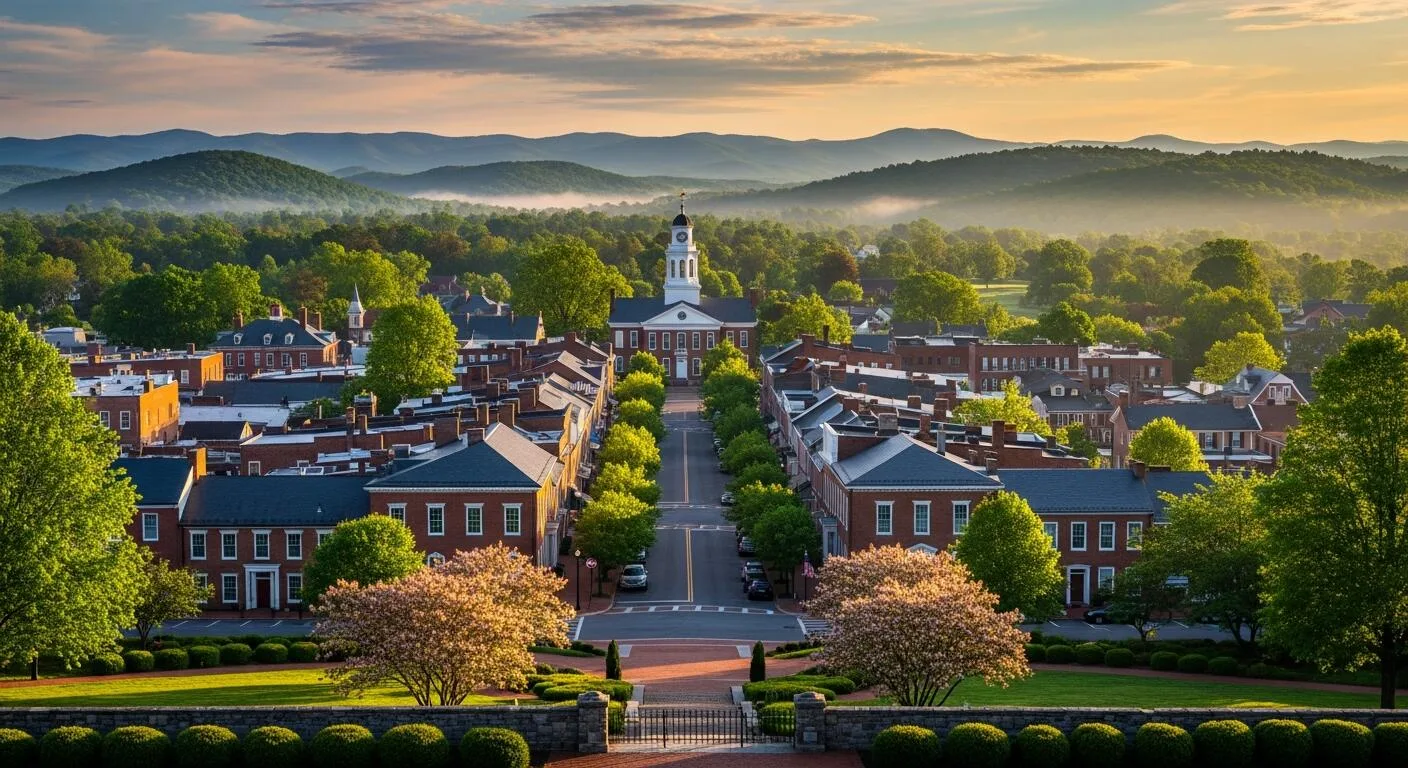
Property damage rarely announces itself. A supply line lets go behind a wall in an Old Town building, a water heater fails overnight in a finished basement, or a kitchen fire fills a home with smoke in minutes - and suddenly a Warrenton family is dealing with something they have never handled before.
Restoration work in Fauquier County covers a connected set of problems, and most losses touch more than one of them:
- Water damage restoration - extraction, structural drying, and moisture verification after burst pipes, appliance failures, and roof leaks
- Flooded basement response - pumping standing water, drying slabs and framing, and addressing the sump pump or grading issue behind the loss
- Sewage cleanup - containment, removal of contaminated porous materials, and antimicrobial treatment after septic backups and drain line failures
- Fire damage restoration - securing the structure, removing charred materials, and coordinating reconstruction
- Smoke damage restoration - soot removal from surfaces and contents, plus odor treatment in areas the flames never reached
- Mold removal - containment, controlled removal of affected materials, and correction of the moisture source
The benefit of a single operation handling mitigation through reconstruction is continuity. Documentation stays consistent for insurers, drying targets are verified rather than assumed, and homeowners are not left coordinating between four separate trades while their house sits open.
Common Damage Restoration Issues in Warrenton, Virginia
Warrenton's mix of building ages and utility systems produces a wide range of loss patterns. What causes damage in a 19th-century Old Town rowhouse looks nothing like what causes it on a well-and-septic property off Springs Road.
Frequent causes of loss
- Aging galvanized and copper supply lines in historic downtown structures
- Water heater and washing machine hose failures in finished basements
- Sump pump failure or power loss during summer thunderstorms
- Septic system saturation and backup on rural estates after heavy rain
- Foundation seepage where clay soils hold water against block walls
- Chimney, wood stove, and kitchen fires - more common in older homes and outbuildings
- Slow supply-line drips inside walls that feed mold for weeks before discovery
Warning signs worth acting on
- Musty odor in a basement or crawl space that persists after ventilation
- Cupping or darkening hardwood, especially near dishwashers and refrigerators
- Staining or bubbling paint on ceilings below bathrooms
- Gurgling drains or slow toilets, which often precede a sewage backup
- Cold, damp air near baseboards or a floor that feels soft underfoot
- Lingering smoke odor that returns on humid days after a small fire
Late-summer humidity across Northern Virginia keeps indoor moisture levels elevated, so a small unaddressed leak in July behaves very differently than the same leak in February. Mold growth accelerates when structures stay damp and interior air holds moisture, which is why drying verification matters more here than in drier climates.
Neighborhoods We Serve in Warrenton
Coverage spans the town and the surrounding Fauquier County countryside, including:
- Old Town Warrenton - the historic core along Main Street and Culpeper Street, with the region's oldest building stock
- Warrenton Chase and nearby newer subdivisions with finished basements and sump systems
- Menlough, Brookside, and Suffield Meadows areas north and east of town
- Academy Hill and Waterloo neighborhoods
- Vint Hill and the Route 29 corridor
- Rural properties toward New Baltimore, Broad Run, Casanova, Bealeton, Marshall, and The Plains
Horse-country estates on well water and septic systems receive the same response as in-town addresses, with documentation adjusted for private utilities. Response also extends to commercial buildings around the county seat, including offices, retail spaces, and professional buildings near the courthouse.
Seasonal Damage Patterns in Warrenton
Winter (December - February)
- Frozen and burst supply lines in crawl spaces, exterior walls, and unheated outbuildings
- Peak season for heating-related fires - furnaces, wood stoves, space heaters, and chimney flues
- Smoke and soot damage that spreads through closed-up homes with limited ventilation
Spring (March - May)
- Snowmelt and steady rain driving basement seepage and sump pump overload
- Septic drain fields saturating on rural parcels, leading to backups
- Mold appearing in spaces that stayed damp through winter
Summer (June - August)
- Late-afternoon thunderstorms producing flash flooding and power outages that disable sump pumps
- High humidity accelerating mold growth in basements, crawl spaces, and closets
- Air conditioning condensate line clogs releasing water into ceilings and attics
Fall (September - November)
- Tropical remnants pushing heavy rainfall into Fauquier County
- Clogged gutters and downspouts redirecting water toward foundations
- First heating cycles igniting dust and debris, causing smoke odor complaints and occasional fires
Housing Characteristics & Restoration Considerations
Warrenton's housing range is unusually wide for a town its size, and each building type demands a different approach.
Historic Old Town structures
- Plaster over wood lath, which holds moisture far longer than drywall and requires slower, monitored drying
- Original heart pine and oak flooring that often justifies drying in place rather than replacement
- Aging plumbing and undersized drain lines prone to sudden failure
- Balloon framing that lets water and smoke travel between floors through open wall cavities
- Shared walls in attached buildings, meaning one loss can affect a neighbor
Mid-century and later subdivisions
- Finished basements with carpet, pad, and drywall that absorb water quickly
- Sump pump and perimeter drain systems that need testing after every significant event
- Attached garages and utility rooms where water heaters sit above finished space
- Fiberglass batt insulation in walls that traps moisture against sheathing
Rural estates and outbuildings
- Well water systems - loss of power means loss of pressure, and pressure tank failures cause their own flooding
- Septic systems where a backup is treated as category three contamination from the outset
- Crawl spaces over bare or partially covered soil, a persistent mold source
- Barns, workshops, and detached garages with limited fire separation from stored fuel and equipment
Documentation changes with the property type. Private well and septic losses require notes on water source and contamination category that a municipal-supply loss simply does not need, and historic materials require moisture readings taken over a longer monitoring window before a structure is called dry.
Environmental Conditions & Damage Implications
Fauquier County sits in the Piedmont at the eastern edge of the Blue Ridge foothills, and its climate and soils shape how damage develops.
Climate
- Humid subtropical summers with dew points that keep indoor relative humidity high without dehumidification
- Cold snaps that drop well below freezing, exposing crawl space and exterior-wall plumbing
- Roughly forty inches of annual precipitation, concentrated in spring storms and late-summer convective events
- Remnant tropical systems in September and October delivering multi-inch rainfall totals
Soil and drainage
- Clay-heavy Piedmont soils drain slowly and hold hydrostatic pressure against foundation walls
- Rolling terrain channels runoff toward low-lying structures and walkout basements
- Rocky subsoil in parts of the county limits septic drain field capacity, raising backup risk after saturation
Implications for restoration
- Drying plans must account for ambient humidity - open windows are often counterproductive here
- Mold remediation requires correcting the moisture source, not just removing visible growth, since regional humidity will restart growth otherwise
- Well water losses need source testing before a drying category is assigned
- Smoke odor bonds more stubbornly to surfaces in humid conditions, making thermal fogging or hydroxyl treatment part of many fire jobs
- Crawl space encapsulation and grading corrections frequently accompany repeat-loss basements
Why No Single Playbook Fits Every Warrenton Property
The same square footage of water can call for three different responses depending on where in Fauquier County it lands. That is the practical reality of working in a town where an 18th-century courthouse district sits ten minutes from horse farms and twenty minutes from subdivisions built in the last decade.
How the approach adapts
- Identify the water source and category first. Clean supply water, storm intrusion, and septic backup each carry different handling requirements, and the answer changes what can be salvaged.
- Map the building's construction. Plaster and lath, balloon framing, block foundations, and slab-on-grade all move moisture differently, and equipment placement follows that map.
- Contain before removing. Sewage cleanup and mold removal both start with negative-pressure containment so contamination does not migrate into clean areas through HVAC returns or open stairwells.
- Dry to a verified standard. Moisture meters and daily readings determine when drying ends - not a fixed schedule.
- Address the cause. A sump pump without a battery backup, a drain field at capacity, or a downspout discharging at the foundation will produce the next loss if left alone.
- Reconstruct to match. In Old Town, that can mean sourcing trim profiles and finishes that suit a historic district rather than defaulting to stock materials.
Where custom solutions matter most
- Historic interiors where replacement is a last resort and drying in place preserves original material
- Finished basements where selective removal saves more than a full gut
- Rural properties needing coordination with septic contractors and well service before restoration can proceed
- Fire losses where smoke traveled far beyond the burn area and contents cleaning drives the timeline
- Repeat-moisture crawl spaces that need a drainage and vapor solution alongside remediation
Getting the assessment right at the front end is what keeps a Warrenton restoration from becoming two projects instead of one.





