
Damage Restoration in Brainerd, MN
- Damage Restoration Services Overview
- Common Damage Restoration Issues in Brainerd, Minnesota
- Neighborhoods We Serve in Brainerd
- Seasonal Damage Patterns in Brainerd
- Housing Characteristics & Restoration Considerations
- Environmental Conditions & Damage Implications
- Ice Dams, Frozen Pipes, and Winter Water Damage in the Lakes Area
Damage Restoration Services Overview
When water pours through a basement wall at 2 a.m. or smoke settles into every room after a kitchen fire, knowing a trained restoration crew is on the way changes everything. Brainerd homeowners and business owners face a specific mix of freeze-thaw cycles, lake-country humidity, and older housing stock that makes professional response worth having on speed dial.
Restoration work in the Lakes Area typically covers:
- Water Damage Restoration - extraction, structural drying, and moisture mapping after burst pipes, appliance failures, ice dams, or roof leaks.
- Flooded Basement Cleanup - pumping standing water, drying foundation walls, and salvaging finished lower levels.
- Sewage Cleanup - contaminated water removal, disinfection, and safe disposal of porous materials touched by Category 3 water.
- Fire Damage Restoration - debris removal, structural stabilization, soot cleaning, and content pack-out.
- Smoke Damage Restoration - odor neutralization, HVAC cleaning, and treatment of residue that travels far beyond the burn area.
- Mold Removal - containment, remediation, and correcting the moisture source that fed the growth.
The benefit is straightforward: faster drying means fewer materials thrown away, lower secondary damage, cleaner insurance documentation, and a home that smells and feels normal again.
Common Damage Restoration Issues in Brainerd, Minnesota
Crow Wing County's climate swings from deep subzero cold to humid summers, and that range drives most restoration calls in the area.
What Causes Damage Locally
- Frozen and burst supply lines in crawl spaces, exterior walls, and seasonal lake cabins left at low heat.
- Ice dams on older roofs with marginal attic insulation, pushing meltwater under shingles and into ceilings.
- Spring snowmelt and saturated sandy-loam soils that raise hydrostatic pressure against basement walls.
- Sump pump failures during storm-related power outages.
- Sewer backups when heavy rain overwhelms municipal lines or a floor drain surcharges.
- Wood stove, fireplace, and space heater fires during long heating seasons.
- Storm damage to roofing, siding, and gutters that later shows up as interior water staining.
Warning Signs Worth Acting On
- Musty odors in basements, closets, or near HVAC returns
- Efflorescence, chalky white residue, or bubbling paint on block foundation walls
- Cupping hardwood, soft spots in subfloor, or drywall that darkens near the baseboard
- Sooty film on window glass, lampshades, or vent covers after a small fire
- Smoke odor that returns on humid days even after surface cleaning
- Recurring allergy or respiratory symptoms that ease when you leave the house
Small leaks rarely stay small here. A slow drip behind a vanity can support mold growth within days once summer humidity climbs.
Neighborhoods We Serve in Brainerd
Coverage extends across Brainerd proper and the surrounding Lakes Area communities, including:
- Downtown Brainerd and the historic South Side neighborhoods near Gregory Park
- North Brainerd and the College Drive corridor near Central Lakes College
- Baxter, including the Excelsior Road and Highway 371 commercial districts
- Nisswa, Pequot Lakes, and Breezy Point
- East Gull Lake, Lake Shore, and Gull Lake shoreline properties
- Crosslake, Pine River, and Merrifield
- Deerwood, Ironton, Crosby, and the Cuyuna Lakes area
- Fort Ripley, Garrison, and rural Crow Wing County townships
Lakeshore cabins, year-round residences, resorts, and downtown commercial buildings each present different access and drying challenges, and crews familiar with the region plan equipment and staging accordingly.
Seasonal Damage Patterns in Brainerd
Winter (December - February)
- Frozen pipe breaks in unheated cabins, garages, and exterior walls
- Ice dam leaks along eaves and valleys
- Heating-related fire and smoke damage from wood stoves, chimneys, and portable heaters
Spring (March - May)
- Flooded basements from snowmelt and rising groundwater
- Sump pump overload and sewer backups during heavy rain
- Mold discovered after winter leaks go unnoticed behind finished walls
Summer (June - August)
- Severe thunderstorms, hail, and wind driving roof and siding water intrusion
- Peak mold growth season as indoor humidity climbs
- Sewage cleanup calls following flash flooding
Fall (September - November)
- Appliance and water heater failures ahead of the heating season
- Chimney and furnace startup fires producing widespread smoke residue
- Pre-winterization leaks at cabins being shut down for the season
Housing Characteristics & Restoration Considerations
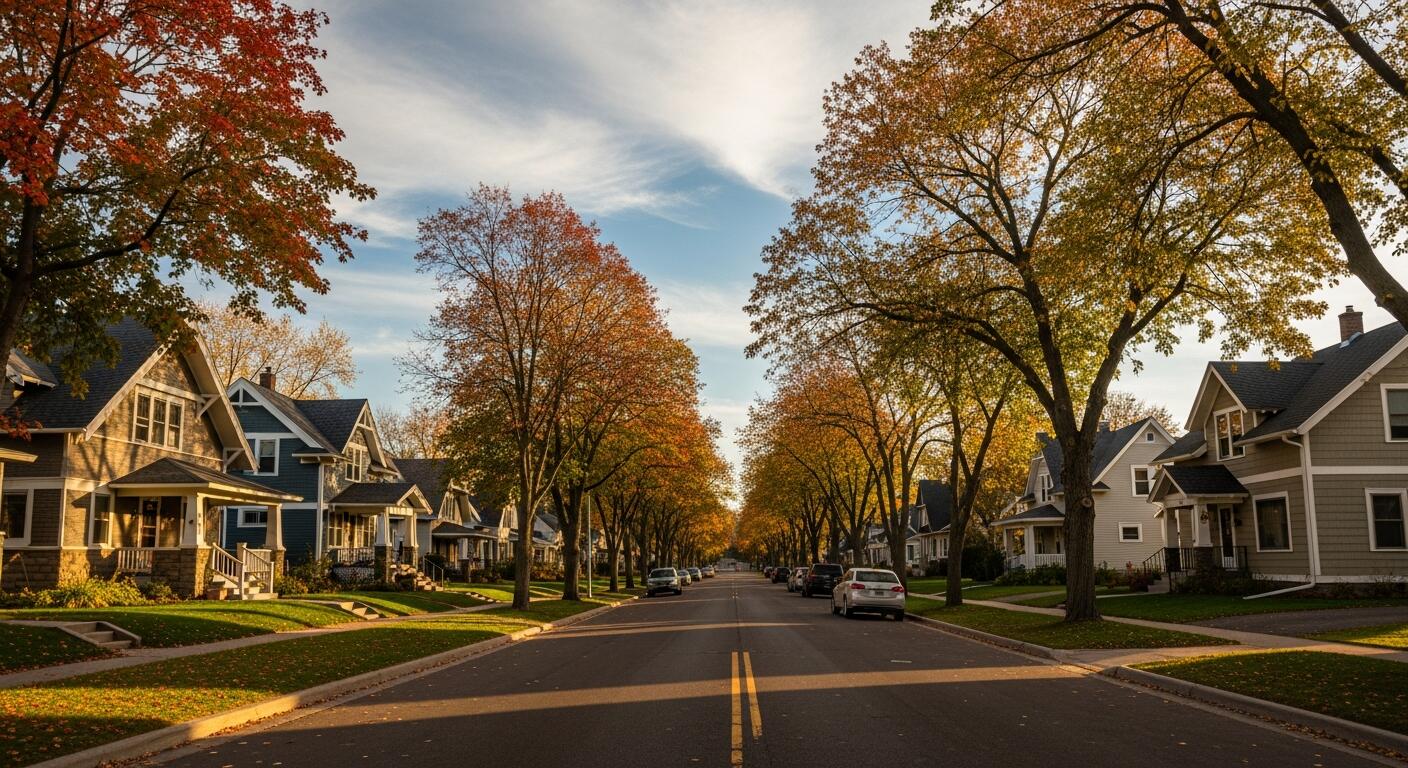
Brainerd's housing stock spans more than a century, and building age shapes nearly every restoration decision.
Common Construction Types
- Pre-1940 homes near downtown and the South Side - balloon framing, plaster and lath, stone or brick foundations, and knob-and-tube remnants.
- Mid-century ramblers and split-levels - concrete block basements, wood paneling, and original single-pane windows in some cases.
- 1990s to present builds in Baxter and Nisswa - poured foundations, engineered joists, and tighter building envelopes.
- Lake cabins and seasonal properties - crawl spaces, pier foundations, and plumbing vulnerable to seasonal shutdown.
How Age Affects the Work
- Cavity drying - balloon-framed walls let water and smoke travel between floors, so moisture meters and thermal imaging guide where drywall must open.
- Hazardous materials screening - older flooring adhesives, pipe wrap, and textured ceilings may require testing before demolition.
- Plaster versus drywall - plaster holds moisture longer and often needs extended dehumidification instead of removal.
- Finished basements - carpet pad, framed walls, and insulation below grade typically come out after sewage or prolonged flooding.
- Tight modern envelopes - newer homes trap smoke odor and humidity, making HVAC cleaning and controlled ventilation central to the job.
Environmental Conditions & Damage Implications
The physical setting around Brainerd - sandy glacial outwash soils, abundant surface water, and a wide temperature range - directly influences how damage develops and how drying is planned.
Climate and Humidity
- Roughly 27 inches of annual precipitation plus heavy seasonal snowfall
- Summer dew points that regularly push indoor relative humidity above mold-friendly thresholds
- Deep frost depth that stresses foundations and buried water lines
- Long heating seasons that dry interiors in winter, then reverse sharply in spring
Soil, Water, and Air Factors
- Sandy and gravelly soils drain quickly in most areas but leave perched water against foundations after heavy rain in clay pockets.
- High water tables near Gull Lake, the Mississippi River, and Cuyuna pit lakes raise seepage and sump demand.
- Private wells and septic systems in rural areas mean backups may involve septic effluent, requiring full disinfection protocols.
- Iron-rich groundwater can stain surfaces and complicate cleaning after basement flooding.
- Regional wildfire smoke during dry summers adds particulate load indoors and can amplify existing smoke odor issues.
Because outdoor air is often too humid to help in summer, effective drying relies on closed-system dehumidification rather than open windows and fans. Post-remediation moisture verification confirms the structure reached stable readings before rebuilding begins.
Ice Dams, Frozen Pipes, and Winter Water Damage in the Lakes Area
No single event generates more restoration calls in Brainerd than winter water intrusion. Subzero stretches, heavy snow loads, and homes that sit empty between weekend visits create ideal conditions for pipe failures and ice dam leaks that go undetected for days.
How Winter Water Damage Develops
- Attic heat loss melts snow on the upper roof while eaves stay frozen.
- Meltwater refreezes at the roof edge, building a ridge of ice.
- Water backs up under shingles and enters soffits, wall cavities, and ceilings.
- Insulation compresses, drywall stains, and moisture lingers in framing.
- Mold colonizes hidden cavities once temperatures rise in spring.
Steps to Reduce Winter Risk
- Keep thermostats above 55 degrees in seasonal cabins and unoccupied homes
- Open cabinet doors under sinks on exterior walls during cold snaps
- Shut off and drain outdoor spigots and irrigation lines before freeze-up
- Insulate and air-seal the attic floor to limit heat loss and ice buildup
- Clear gutters and downspouts before the first significant snowfall
- Install a battery backup sump pump ahead of storm season
- Arrange for someone to check unoccupied lake properties weekly
What Response Looks Like
- Emergency water extraction and source containment
- Thermal imaging to trace hidden moisture through wall and ceiling cavities
- Targeted removal of saturated insulation and unsalvageable materials
- Placement of air movers and dehumidifiers with daily moisture logging
- Antimicrobial application where standing water lingered
- Coordination with roofing, siding, and gutter contractors for exterior repairs
- Documentation and photo records prepared for the insurance claim
Acting within the first day or two after discovery usually determines whether a ceiling gets dried and repainted or fully rebuilt.





