
Damage Restoration in Opp, AL
- Damage Restoration Services Overview
- Common Damage Restoration Issues in Opp, Alabama
- Neighborhoods We Serve in Opp
- Seasonal Damage Patterns in Opp
- Housing Characteristics & Restoration Considerations
- Environmental Conditions & Damage Implications
- Storm Season Preparedness for Covington County Property Owners
Damage Restoration Services Overview
When water spreads across a floor or smoke settles into drywall, the clock starts immediately. In Opp, Alabama, humidity and warm temperatures accelerate secondary damage, which means a delay of even a few hours can turn a contained problem into a whole-structure project.
ServiceMaster by Reed's provides full-service residential and commercial restoration across Covington County, beginning every project with a free, on-site inspection and damage assessment. Our IICRC-certified technicians and project managers keep homeowners and business owners informed at each stage of recovery.
- Water Damage Restoration - extraction, thermal imaging, moisture mapping, and structural drying after pipe bursts, appliance failures, and storm intrusion.
- Flooded Basement Cleanup - pumping standing water from basements, crawl spaces, and slab-level utility rooms, then drying framing and subfloor cavities.
- Sewage Cleanup - removal of contaminated material, disinfection, and safe disposal following septic backups and drain line failures.
- Fire Damage Restoration - board-up, debris removal, contents cleaning, and structural repair.
- Smoke Damage Restoration - soot removal from surfaces and HVAC systems plus odor neutralization.
- Mold Removal - inspection, containment, remediation, and moisture-source correction.
Our Emergency Response Team answers calls 24 hours a day, 7 days a week, and we coordinate documentation directly with insurance carriers so property owners can focus on getting life back to normal.
Common Damage Restoration Issues in Opp, Alabama
Opp sits in south-central Alabama near the Conecuh River basin, where heavy rainfall, sandy-loam soils, and an extended warm season shape the kinds of losses we respond to most often.
Frequent Causes of Loss
- Gulf-driven thunderstorms and tropical remnants that overwhelm gutters, yard drainage, and low-lying foundations.
- Aging galvanized and polybutylene supply lines in older homes near downtown that split without warning.
- Septic system saturation during prolonged rain, pushing sewage back through floor drains and tubs.
- Water heater and washing machine hose failures in laundry rooms and utility closets.
- Kitchen grease fires, space heaters, and electrical faults in older wiring.
- Lightning strikes during summer storm season causing attic and roof fires.
- Condensate line clogs on hard-working central air systems that quietly soak ceilings and closets.
Warning Signs Property Owners Should Watch For
- Musty or earthy odors in crawl spaces, closets, or along exterior walls.
- Cupping hardwood, bubbling vinyl plank, or soft spots in subfloor.
- Brown ceiling rings that reappear after each rain event.
- Slow drains combined with gurgling toilets, an early indicator of a sewage backup.
- Yellow staining on walls or a lingering campfire smell weeks after a small fire.
- Visible dark speckling on baseboards, HVAC vents, or bathroom ceilings.
Any of these signs warrants an inspection before hidden moisture feeds mold growth behind finished surfaces.
Neighborhoods We Serve in Opp
Our crews respond throughout the city limits and the rural stretches of Covington County that surround it.
- Downtown Opp and the historic residential blocks near Main Street
- Neighborhoods along North Main, Hardin Street, and Cummings Avenue
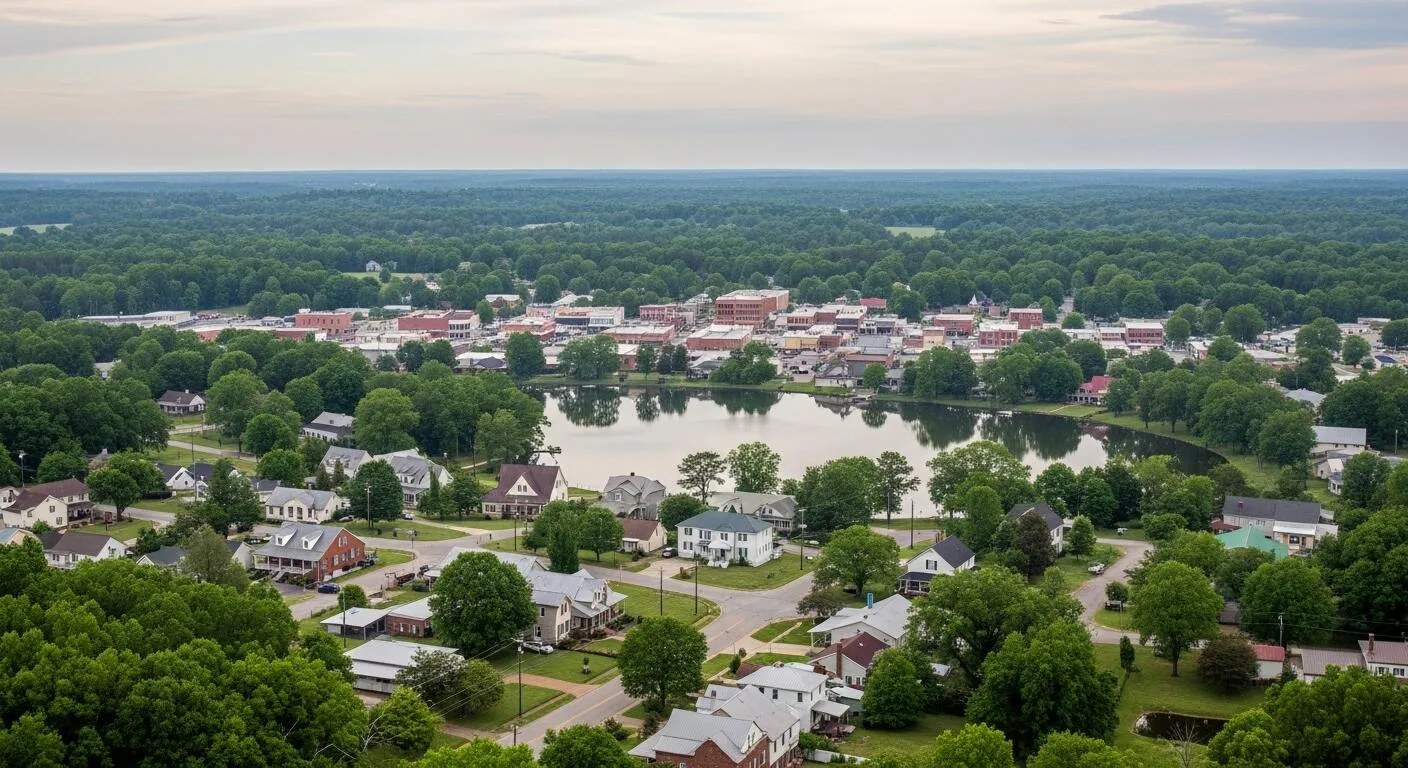
- Homes surrounding Lake Frank Jackson and the recreation area
- Properties along U.S. 331 and State Route 52 corridors
- Industrial park and commercial buildings on the city's north side
- Rural properties toward Onycha, Horn Hill, and Bluff Springs
- Nearby communities including Andalusia, Florala, Kinston, Elba, New Brockton, Samson, and Brantley
Because we already know the road network, the flood-prone low spots, and the local building stock, our response teams reach Opp addresses quickly and arrive with the right equipment for the property type.
Seasonal Damage Patterns in Opp
Restoration demand in Opp follows a predictable rhythm shaped by Gulf weather and heating and cooling cycles.
- Winter (December - February): Occasional hard freezes crack exposed pipes under raised floors and in unheated crawl spaces. Heating equipment, fireplaces, and portable heaters drive the year's highest volume of fire and smoke damage calls.
- Spring (March - May): Severe thunderstorm and tornado season brings roof breaches, wind-driven rain, and flooded basements and crawl spaces. Rising humidity restarts mold growth that stalled over winter.
- Summer (June - August): Peak mold season. Air conditioners run constantly, condensate lines clog, and lightning ignites attic fires. Saturated ground stresses septic fields, increasing sewage backups.
- Fall (September - November): Tropical systems moving inland from the Gulf produce the season's largest water losses. Cooler, drier air late in the season is ideal for structural drying and remediation projects.
Seasonal awareness lets homeowners schedule plumbing checks, gutter cleaning, dryer vent service, and HVAC maintenance ahead of the highest-risk months.
Housing Characteristics & Restoration Considerations
Opp's housing stock ranges from early-to-mid twentieth century mill-era cottages near downtown to brick ranch homes from the 1960s through 1980s and newer construction on the outskirts. Each era presents different restoration challenges.
Older Homes (pre-1980)
- Pier-and-beam foundations with vented crawl spaces that trap humidity and support mold colonies under the floor.
- Plaster, shiplap, and layered flooring that hold moisture far longer than modern materials.
- Original wiring and outdated panels that raise electrical fire risk.
- Possible asbestos-containing floor tile, mastic, or textured ceilings requiring careful handling during fire or water tear-out.
- Cast iron and clay sewer lines prone to root intrusion and backups.
Mid-Century and Newer Homes
- Slab-on-grade construction where water wicks into bottom plates, carpet pad, and drywall before it is visible.
- Manufactured and modular homes with belly board insulation that holds water and demands full removal.
- Tighter building envelopes and blown insulation that trap smoke odor and moisture in attics.
- Engineered flooring and MDF trim that swell permanently once saturated.
Basements are less common in this part of Alabama than crawl spaces and finished lower levels, but when they exist, they collect groundwater during heavy rain and require pumping, sanitizing, and controlled drying. We match drying equipment, containment methods, and cleaning agents to the construction type rather than applying a single approach to every home.
Environmental Conditions & Damage Implications
Opp's humid subtropical climate produces long, hot summers, mild winters, and generous annual rainfall - conditions that influence how quickly damage spreads and how restoration must be performed.
- High humidity: Outdoor dew points stay elevated much of the year, so simply opening windows does not dry a structure. Commercial dehumidification and controlled airflow are required to reach safe moisture content.
- Mold growth window: Warm temperatures and damp materials can allow colonization within a short period after water intrusion, making rapid extraction the single best defense.
- Sandy-loam and clay soils: Sandy topsoil drains quickly, but underlying clay layers hold water against foundations, feeding crawl space seepage and basement flooding.
- Septic prevalence: Many rural properties around Opp rely on septic systems; saturated drain fields lead to backups that require full biohazard protocols.
- Well and municipal water: Mineral content can leave residue on surfaces after flooding, requiring specific cleaning agents during restoration.
- Pine timber and agricultural land: Pollen, field dust, and smoke from controlled burns settle into HVAC systems, complicating post-fire air quality work.
These conditions also affect smoke damage. Humid air causes soot particles to bond more aggressively with painted surfaces and fabrics, so contents cleaning, HVAC decontamination, and odor treatment with appropriate technology matter as much as visible surface cleaning. We monitor moisture and humidity readings throughout each project and document them for insurance purposes.
Storm Season Preparedness for Covington County Property Owners
Opp sits roughly 60 miles inland from the Gulf, close enough that tropical systems still arrive with damaging rain and wind after landfall. Combined with a busy spring severe weather season, that geography makes preparation a practical necessity rather than an afterthought.
Before Storm Season
- Clear gutters and extend downspouts several feet away from the foundation.
- Inspect roof flashing, ridge vents, and soffits for gaps that let wind-driven rain enter attics.
- Confirm crawl space vents and vapor barriers are intact and grade slopes away from the home.
- Test sump pumps and backwater valves where installed, and keep a backup power source available.
- Photograph rooms and valuables, and store the images and your policy details in the cloud.
- Service HVAC systems, clear condensate lines, and clean dryer vents to reduce fire risk.
After a Storm or Water Event
- Shut off power to affected areas if water has reached outlets or panels.
- Treat all standing water near floor drains or toilets as contaminated until assessed.
- Avoid entering fire-damaged structures until they are inspected and secured.
- Document conditions with photos before moving or discarding anything.
- Call for a professional inspection promptly - drying that begins within hours often preserves flooring, cabinetry, and drywall.
Our familiarity with Covington County means we anticipate what local homes need: crawl space drying rather than basement-only strategies, septic-aware sewage protocols, and humidity control calibrated to Alabama's climate. Project managers coordinate directly with adjusters, provide moisture documentation, and stay in regular contact until the property is fully restored and the work meets your satisfaction.





