
Damage Restoration in Strasburg, VA
- Damage Restoration Services Overview
- Common Damage Restoration Issues in Strasburg, Virginia
- Neighborhoods We Serve in Strasburg
- Seasonal Damage Patterns in Strasburg
- Housing Characteristics & Restoration Considerations
- Environmental Conditions & Damage Implications
- Crawl Space and Basement Drying Standards for Shenandoah Valley Homes
Damage Restoration Services Overview
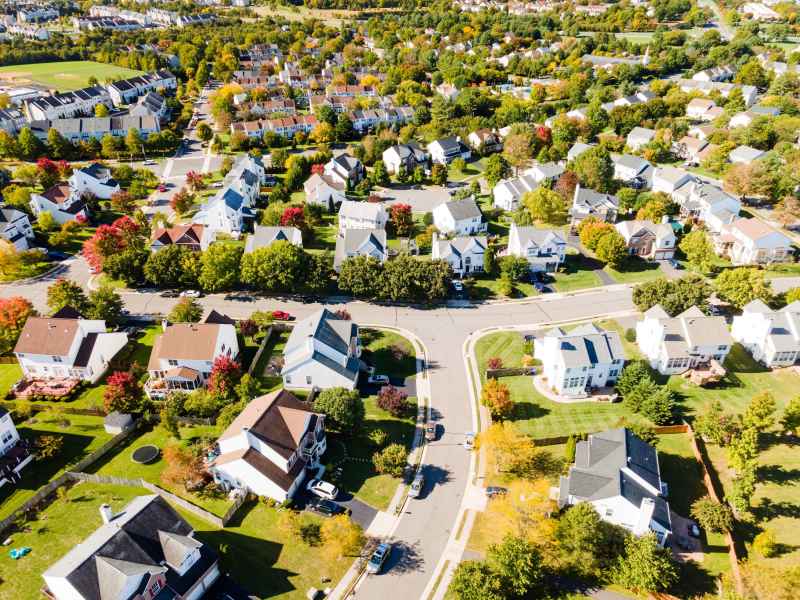
When water pours through a ceiling or smoke settles into every room, knowing a trained crew is already on the way changes everything. Strasburg property owners get 24/7 emergency response backed by IICRC-certified technicians, EPA Lead-Safe practices, and Virginia licensing.
Because we work as licensed general contractors, mitigation and rebuild happen under one roof - no hunting for a second company after the drying equipment comes out.
Services available across Strasburg and Shenandoah County
- Water Damage Restoration - burst pipes, supply line failures, appliance overflows, and roof leaks
- Flooded Basement Cleanup - extraction, structural drying, and content handling below grade
- Sewage Cleanup - septic backups and sanitary line failures handled as Category 3 contamination
- Fire Damage Restoration - board-up, debris removal, structural cleaning, and full reconstruction
- Smoke Damage Restoration - soot removal, thermal fogging, HVAC cleaning, and odor neutralization
- Mold Removal - containment, HEPA filtration, and removal of affected materials
Why local matters here
- Crews familiar with Strasburg construction, from Main Street-era homes to newer subdivisions
- Direct communication with your insurance carrier and documented moisture readings
- Family-owned operation with a short drive from Winchester and Front Royal
Common Damage Restoration Issues in Strasburg, Virginia
Strasburg's position in the northern Shenandoah Valley along the North Fork shapes the losses we respond to. Elevation changes, limestone geology, and a wide temperature swing between seasons all play a part.
Frequent causes of loss
- Burst supply lines during January and February cold snaps, especially in unheated crawl spaces and garages
- Basement flooding after heavy rain saturates yards that slope toward the foundation
- Crawl space leaks that go unnoticed for weeks until flooring feels soft and joists are saturated
- Septic and sewer backups when saturated drain fields cannot absorb additional volume
- Sump pump failures during storm-related power outages
- Kitchen and wood stove fires that spread smoke and soot far beyond the point of origin
Warning signs worth a phone call
- Musty odor in the basement, hallway closets, or near HVAC returns
- Staining or bubbling on drywall, baseboards, or ceiling seams
- Flooring that cups, crowns, or feels spongy underfoot
- Condensation on ductwork or foundation walls
- Persistent smoke odor that returns when humidity rises
- Gurgling drains or slow floor drains after storms
Small signs rarely stay small. Moisture behind a wall can support mold growth within a couple of days, and soot becomes more corrosive to metal and glass the longer it sits.
Neighborhoods We Serve in Strasburg
Our crews cover the town limits and the surrounding rural stretches of Shenandoah County.
- Downtown Strasburg and the historic Main Street corridor
- Neighborhoods near King Street, Holiday Street, and Massanutten Street
- Subdivisions off Old Valley Pike and Route 11
- Properties along the North Fork of the Shenandoah River
- Homes near Signal Knob and the Massanutten Mountain foothills
- Rural parcels along Route 55 toward Lebanon Church
- Surrounding communities including Toms Brook, Maurertown, Woodstock, Middletown, and Front Royal
Whether the property is a brick farmhouse outside town or a two-story home in a newer development, response includes the same documentation, moisture mapping, and rebuild capability. Commercial buildings, churches, rental properties, and small businesses along the Route 11 corridor are also part of our regular service area.
Seasonal Damage Patterns in Strasburg
Winter (December - February)
- Frozen and burst pipes in crawl spaces, attics, and exterior walls
- Ice dams pushing meltwater under shingles and into ceilings
- Heating equipment, chimney, and wood stove fires with heavy smoke spread
Spring (March - May)
- Snowmelt combined with rain overwhelming sump pumps and window wells
- Flooded basements from saturated soil and high groundwater
- Sewage and septic backups where drain fields stay waterlogged
Summer (June - August)
- Mold growth accelerating in humid basements and crawl spaces
- Thunderstorm wind damage, roof leaks, and lightning-related fires
- Condensation damage from oversized or poorly sealed AC systems
Fall (September - November)
- Remnants of tropical systems delivering several inches of rain in a day
- Clogged gutters directing water against foundations
- First-use furnace and fireplace incidents producing soot and odor
Housing Characteristics & Restoration Considerations
Strasburg's housing stock spans well over a century, and each era brings its own restoration challenges.
Older homes near downtown
- Plaster and lath walls that hold moisture longer than modern drywall
- Lead-based paint and asbestos-containing materials requiring EPA Lead-Safe procedures
- Balloon framing that lets water and smoke travel between floors through open wall cavities
- Stone or rubble foundations with fieldstone joints prone to seepage
- Original hardwood flooring that may be salvageable with specialty drying mats
Mid-century and 1970s - 1990s homes
- Finished basements with paneling, carpet pad, and framing that trap water
- Polybutylene or aging copper supply lines prone to sudden failure
- Vented crawl spaces where summer humidity condenses on cool surfaces
Newer subdivisions
- Engineered wood flooring and OSB subfloors that swell quickly and often require replacement
- Second-floor laundry rooms where a hose failure damages multiple levels
- Tight building envelopes that hold smoke odor and humidity without mechanical drying
Our approach adjusts to the construction. Drilling drying access in plaster differs from drying a modern wall assembly, and rebuild carpentry has to match existing trim profiles, floor heights, and finishes so the repair does not stand out.
Environmental Conditions & Damage Implications
Local climate and geology influence how quickly damage spreads and how long drying takes.
Climate factors
- Humid summers regularly push indoor relative humidity above the range where mold thrives
- Freeze-thaw cycles crack mortar joints and foundation parging, creating new water entry points
- Roughly 40 inches of annual precipitation, often arriving in concentrated storm events
Geology and soil
- Karst limestone terrain with sinkholes and fast-moving groundwater channels
- Clay-heavy soils that hold water against foundation walls after storms
- Rocky subsoil that complicates exterior drainage corrections
Water and air considerations
- Private wells and septic systems on many rural properties, raising contamination stakes during backups
- Hard water and mineral scale that stress supply lines, water heaters, and appliance connections
- Valley air stagnation that lets smoke odor linger indoors after a fire
- Seasonal pollen and agricultural dust that load HVAC systems already handling soot or mold spores
These conditions guide equipment decisions. Dehumidifier sizing, containment layout, negative air machine placement, and antimicrobial application all get calibrated to the actual readings we take on site rather than a generic formula.
Crawl Space and Basement Drying Standards for Shenandoah Valley Homes
Below-grade and crawl space losses are the most common calls we get in Strasburg - and the easiest to get wrong. Surface water disappears quickly, which creates a false sense that the problem is solved.
How a proper below-grade dry-out proceeds
- Safety and source control - power and gas evaluation, then stopping the water at its source
- Category and class determination - clean water, gray water, or sewage, following IICRC S500 guidance
- Extraction - truck-mounted or portable units, plus weighted extraction on carpet and pad
- Moisture mapping - meters and thermal imaging to trace migration into walls, insulation, and joists
- Controlled demolition - removing wet insulation, vapor barrier, drywall, and unsalvageable flooring
- Structural drying - air movers plus commercial dehumidification with daily readings logged
- Antimicrobial application - treating framing and subfloor to discourage regrowth
- Verification and rebuild - confirming dry standard before insulation, drywall, paint, and flooring go back
Sewage-specific protocols
- Full containment with negative air pressure and HEPA filtration
- Removal and disposal of porous materials contacted by contaminated water
- Technicians in appropriate PPE, with cleaning and disinfection of all hard surfaces
- Duct inspection when contaminated water reached floor registers
Mold remediation follow-through
- Containment barriers separating work areas from occupied space
- Source-based removal rather than surface treatment or fogging alone
- HEPA vacuuming and detailed cleaning of adjacent surfaces
- Recommendations for encapsulation, drainage, or dehumidification to address the underlying cause
Documentation matters as much as equipment. Photos, meter logs, and scope notes go to your adjuster so claim decisions rest on evidence, not guesswork.





