
Damage Restoration in Vinton, VA
- Damage Restoration Services Overview
- Common Damage Restoration Issues in Vinton, Virginia
- Neighborhoods We Serve in Vinton
- Seasonal Damage Patterns in Vinton
- Housing Characteristics & Restoration Considerations
- Environmental Conditions & Damage Implications
- What to Expect During a Restoration Project in Vinton
Damage Restoration Services Overview
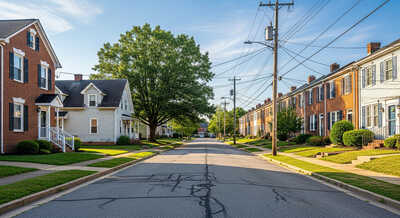
Few things upend daily life faster than water pouring across a finished basement floor or the smell of smoke lingering in every room after a kitchen fire. In Vinton, property damage rarely announces itself in advance, and the hours immediately following a loss shape how much of your home or business can be saved.
Restoration work covers a connected set of problems, and most losses involve more than one. A single storm event can mean standing water, contaminated backflow, and mold growth within days if drying stalls.
- Water Damage Restoration - extraction, structural drying, and moisture monitoring after pipe breaks, appliance failures, and roof leaks
- Flooded Basement - pumping, content removal, and drying of below-grade spaces along Wolf Creek and the Roanoke River corridor
- Sewage Cleanup - safe removal of contaminated material, antimicrobial treatment, and disposal following Category 3 protocols
- Fire Damage Restoration - debris removal, structural cleaning, and coordination of repairs after flame and heat damage
- Smoke Damage Restoration - soot removal from surfaces and HVAC systems, plus odor neutralization that reaches porous materials
- Mold Removal - containment, source correction, and remediation of hidden colonies in crawl spaces and wall cavities
The benefit for Vinton residents is straightforward: certified professionals with local response times, documented drying records for insurance, and one team managing the full path from emergency mitigation through reconstruction.
Common Damage Restoration Issues in Vinton, Virginia
Vinton sits in the Roanoke Valley, where ridgelines funnel rainfall downhill and older municipal infrastructure meets sloped residential lots. That combination produces recognizable, repeating damage patterns.
Local Causes We See Repeatedly
- Heavy summer thunderstorms overwhelming gutters and downspouts, pushing water against foundation walls
- Wolf Creek and Glade Creek rising after sustained rainfall, saturating soil near low-lying properties
- Sanitary sewer backups when combined stormwater volume exceeds line capacity
- Sump pump failures during power outages tied to mountain storm systems
- Frozen and burst supply lines in unheated crawl spaces during January cold snaps
- Kitchen grease fires and chimney or wood stove fires in older heated homes
- Crawl space humidity feeding mold under floor joists and subflooring
Warning Signs Worth Acting On
- Musty odors that intensify in humid weather or after running the HVAC system
- Efflorescence, white chalky residue, or dark staining on basement block walls
- Floor tiles lifting, baseboards swelling, or drywall softening near the slab
- Gurgling drains or slow floor drains, often the first sign of a sewer line problem
- Yellowish staining on ceilings and walls weeks after a small fire - a sign soot residue was never fully cleaned
- Unexplained allergy symptoms that improve when occupants leave the property
Catching any of these early usually means drying and cleaning rather than demolition and rebuild, which is the difference most homeowners care about.
Neighborhoods We Serve in Vinton
Response coverage spans the town limits and the surrounding eastern Roanoke County communities where many Vinton residents live and work.
- Downtown Vinton and the Pollard Street corridor
- East Vinton and neighborhoods off Washington Avenue
- Hardy Road and Feather Road areas
- Bonsack and the Route 460 corridor
- Stonebridge and Gus Nicks Boulevard neighborhoods
- Mount Pleasant and Riverdale
- Falling Creek, Chestnut Mountain, and Stewartsville Road properties
- Blue Ridge, Thaxton, and nearby Bedford County communities
Coverage extends to commercial properties along Vinyard Road and Hardy Road, churches, schools, and multi-tenant buildings throughout the town. Knowing which streets sit downhill from runoff and which subdivisions have older cast iron sewer laterals shapes how crews approach each call.
Seasonal Damage Patterns in Vinton
Damage in the Roanoke Valley follows a fairly predictable annual rhythm, and knowing what each season brings helps homeowners prepare rather than react.
- December through February - burst pipes in crawl spaces and exterior walls, ice dams on low-slope roofs, and heating-related fires from space heaters, fireplaces, and wood stoves. Smoke damage calls peak alongside heating season.
- March through May - snowmelt combined with spring rain saturates soil, driving flooded basement calls. Thawing ground shifts foundations and opens new seepage points.
- June through August - afternoon thunderstorms, flash flooding along creek beds, and sewage backups when systems surge. High humidity accelerates mold growth in any space that stays damp more than 48 hours.
- September through November - remnants of tropical systems tracking inland bring sustained rainfall and roof leaks. Clogged gutters filled with leaves redirect water into foundations. Early fireplace use without chimney inspection triggers fire calls.
Mold remediation requests cluster in late summer and early fall, typically tracing back to spring water events that were never properly dried.
Housing Characteristics & Restoration Considerations
Vinton's housing stock spans more than a century, and construction era dictates almost everything about how a restoration project unfolds.
Common Construction Types
- Pre-1940 homes near downtown - plaster and lath walls, balloon framing, dirt or partial crawl spaces, and original cast iron or clay sewer laterals
- Post-war ranches and Cape Cods (1945-1975) - block foundations, unfinished basements, galvanized supply lines prone to pinhole leaks
- 1980s-2000s subdivisions - finished basements with carpet and drywall, vinyl siding, and slab-on-grade sections
- Newer construction - tighter building envelopes that trap moisture and slow natural drying
How Age Affects Restoration
- Plaster holds moisture longer than drywall and needs different drying strategies plus longer monitoring periods.
- Balloon framing allows smoke and soot to travel vertically between floors, so smoke damage cleaning must extend well beyond the visible fire area.
- Homes built before 1980 may contain asbestos-bearing floor tile, mastic, or pipe wrap, requiring testing before demolition.
- Aging sewer laterals crack and allow root intrusion, which is why sewage cleanup in older Vinton neighborhoods often reveals an underlying line failure.
- Finished basements combine porous materials with below-grade moisture - the single most common source of mold removal calls in the area.
- Crawl spaces with exposed soil and no vapor barrier keep humidity elevated year-round, undermining structural drying above.
Environmental Conditions & Damage Implications
The physical setting of the Roanoke Valley works against fast drying and in favor of mold growth, which changes how restoration must be executed here.
Climate and Moisture
- Roughly 42 inches of annual rainfall, concentrated in intense summer storms
- Summer relative humidity frequently above 70 percent, slowing evaporation and requiring aggressive dehumidification
- Winter freeze-thaw cycles that crack foundation mortar and open seepage paths
- Temperature swings that drive condensation inside wall cavities and on cold water lines
Soil, Water, and Air Factors
- Clay-heavy Valley soils drain slowly and exert hydrostatic pressure against basement walls after prolonged rain
- Limestone bedrock in parts of the region creates unpredictable subsurface water movement
- Sloped terrain sends runoff toward downhill structures, concentrating water at specific foundation corners
- Hard water with mineral content accelerates corrosion in older galvanized and copper supply lines
- Valley topography can trap smoke and particulates during inversions, extending indoor air quality problems after a fire
Practically, this means drying equipment needs to run longer than manufacturer minimums, dehumidification capacity matters more than air mover count, and mold removal without correcting the moisture source will fail. Post-fire work in this climate also demands HEPA filtration and thermal fogging, because humid air helps soot odor re-embed in porous surfaces.
What to Expect During a Restoration Project in Vinton
The biggest frustration homeowners report is not the damage itself - it is not knowing what happens next, who is doing what, or how long equipment will sit in the living room. Clear communication solves most of that.
The Project Sequence
- Emergency call and dispatch - crews confirm safety concerns, shut off water or power if needed, and head to the property.
- Inspection and documentation - moisture meters and thermal imaging map the full extent of water migration, including areas behind walls and under flooring. Photos and readings are recorded from the start.
- Water extraction or debris removal - standing water is pumped out, or fire debris and unsalvageable materials are removed and inventoried.
- Contamination assessment - if sewage is involved, containment is established and Category 3 handling protocols apply to every affected material.
- Structural drying - air movers and dehumidifiers are placed based on calculated load, with daily moisture readings until materials reach dry standard.
- Cleaning and deodorization - soot removal, HVAC cleaning, antimicrobial application, and odor treatment appropriate to the material.
- Reconstruction - drywall, flooring, paint, trim, and any roofing or exterior repairs needed to close the envelope.
Transparency Along the Way
- A written scope explaining what is being removed, what is being dried in place, and why
- Daily moisture logs shared with you and your insurance adjuster
- Photo documentation before, during, and after each phase
- Direct communication with your carrier so you are not translating technical terms
- Free estimates and clear explanation of what falls inside and outside the claim
- Advance notice before equipment placement changes or crews return
Restoration goes better when the homeowner understands the plan. Ask questions at every stage - a reputable Vinton crew will welcome them.





