
Damage Restoration in Hollins, VA
- Damage Restoration Services Overview
- Common Damage Restoration Issues in Hollins, Virginia
- Neighborhoods We Serve in Hollins
- Seasonal Damage Patterns in Hollins
- Housing Characteristics & Restoration Considerations
- Environmental Conditions & Damage Implications
- Working With Insurance and Staying Informed Through Restoration in Hollins
Damage Restoration Services Overview
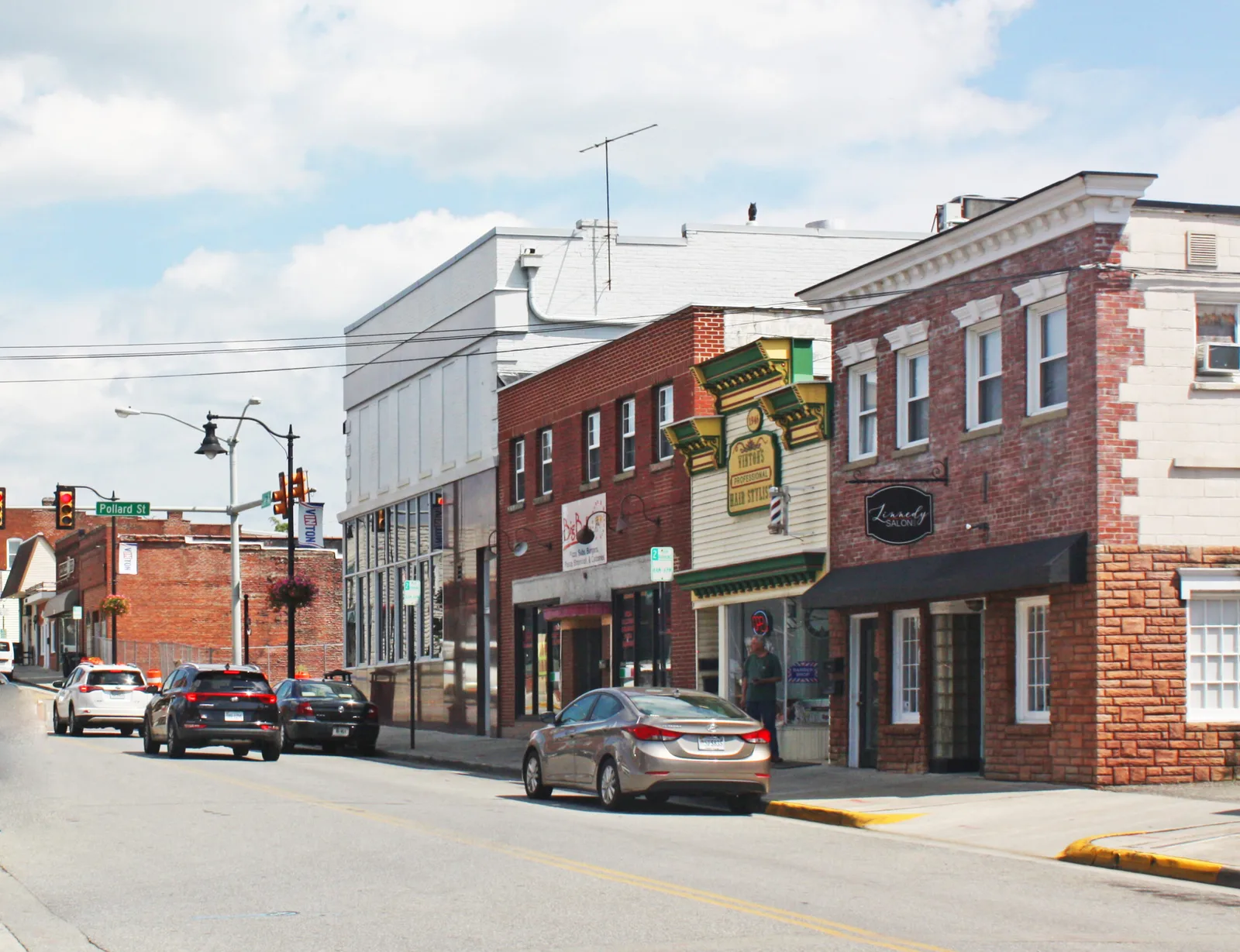
Hollins sits in the Roanoke Valley where Tinker Creek and Carvin Creek drain runoff from Tinker Mountain straight toward the neighborhoods below - which means many homes here handle stormwater from a watershed far larger than their own lot. That geography, paired with a mix of mid-century ranches and newer subdivisions, keeps restoration crews busy year-round.
Property owners in the 24019 area call on a full range of recovery services, each addressing a different kind of loss:
- Water Damage Restoration - extraction, structural drying, and moisture mapping after burst pipes, appliance failures, and roof leaks
- Flooded Basement cleanup - pumping standing water, drying slabs and framing, and salvaging stored belongings
- Sewage Cleanup - removal of contaminated material, disinfection, and deodorization after backups or septic failures
- Fire Damage Restoration - debris removal, structural repairs, and drying of water used by firefighters
- Smoke Damage Restoration - surface cleaning, soot removal, and odor neutralization in walls, ductwork, textiles, and contents
- Mold Removal - containment, remediation, and correction of the moisture source behind the growth
The benefit of addressing damage promptly is straightforward: contained losses stay smaller, materials are more often salvageable, and families return to normal routines sooner.
Common Damage Restoration Issues in Hollins, Virginia
Local terrain, older infrastructure, and Virginia's humid climate combine to produce a predictable set of problems across Hollins properties.
What Causes Damage Here
- Runoff from Tinker Mountain slopes overwhelming yard drainage and pushing water against foundation walls
- Tinker Creek and tributary backwater during heavy rain events and remnants of tropical systems
- Aging galvanized and copper supply lines in homes built before the 1980s
- Sump pump failures during power outages caused by summer thunderstorms
- Tree roots infiltrating older clay sewer laterals, leading to backups into basement floor drains
- Septic systems in less-developed pockets north of Plantation Road struggling in saturated clay soils
- Kitchen fires, chimney and wood stove fires, and electrical faults in dated panels
Warning Signs Worth Acting On
- Musty odors in a basement or crawl space that intensify after rain - a common precursor to hidden mold growth
- Efflorescence, chalky white staining, or dark tide lines along block foundation walls
- Gurgling floor drains or slow tub drainage, which often precede a sewage backup
- Cupping hardwood, soft baseboards, or bubbling paint that indicates water tracking behind finishes
- A lingering campfire or acrid smell weeks after a small fire, meaning smoke residue remains in porous materials and HVAC ducts
- Condensation on ductwork or windows during humid stretches, signaling elevated indoor moisture
Small clues matter. A crawl space that feels damp in June frequently becomes a mold remediation project by August if nothing changes.
Neighborhoods We Serve in Hollins
Coverage extends across Hollins and the surrounding northern Roanoke County communities, including:
- The Hollins University area and adjacent residential streets along Williamson Road
- Plantation Road and Friendship corridors
- Tinker Creek and Carvin Cove-adjacent properties
- Peters Creek and Airport Road neighborhoods
- North Lakes, Green Valley, and nearby subdivisions
- Cloverdale, Troutville, and Botetourt County properties just north on U.S. 220 and I-81
- Roanoke city neighborhoods bordering Hollins, plus Vinton and Blue Ridge
Proximity to I-81 and Route 11 allows crews to reach most of these areas quickly, which matters when standing water is spreading or soot is setting into finishes. Familiarity with local building stock, county permitting expectations, and common foundation styles shortens the gap between the first call and productive work on site.
Seasonal Damage Patterns in Hollins
Restoration needs shift noticeably through the year in the Roanoke Valley.
- December through February: Frozen and burst pipes in crawl spaces, unheated garages, and exterior walls. Peak season for heating-related fire damage from space heaters, fireplaces, and chimney flues - and for smoke damage from furnace puff-backs.
- March and April: Snowmelt combined with spring rain saturates clay soils, producing flooded basements and hydrostatic seepage through block walls.
- May and June: Rising humidity accelerates mold growth in crawl spaces, attics, and basements that never fully dried out from spring.
- July and August: Severe thunderstorms bring wind-driven rain, roof leaks, power outages that disable sump pumps, and lightning-related fires. Sewer surcharges and sewage backups follow intense downpours.
- September and October: Remnants of Atlantic tropical systems can dump several inches of rain over the valley in a day, triggering creek flooding and widespread water damage.
- November: Fireplace and wood stove season begins, along with the first hard freezes and early pipe failures.
Preparing ahead of each shift - servicing sump pumps in February, checking chimneys in October - prevents a large share of these calls.
Housing Characteristics & Restoration Considerations
Hollins housing spans several eras, and each construction style responds differently to water, smoke, and microbial growth.
Typical Construction in the Area
- 1950s-1970s brick ranches: Block foundations, vented crawl spaces, plaster or early drywall, and original cast iron or clay drain lines
- 1980s-1990s two-story homes: Full basements with finished rec rooms, vinyl or wood siding, and fiberglass batt insulation
- 2000s and newer subdivisions: Engineered floor trusses, larger open floor plans, and tighter building envelopes
- Rural and farmhouse properties north toward Botetourt County with stone foundations and septic systems
How That Affects Restoration Work
- Finished basements hold water in carpet pad, drywall, and framing cavities - drying often requires selective removal rather than surface treatment alone
- Crawl spaces with exposed earth and torn vapor barriers feed mold on floor joists and subfloor sheathing
- Plaster and lath in older homes absorb smoke odor deeply, requiring different cleaning agents than modern drywall
- Engineered lumber in newer homes loses strength quickly when saturated, so structural evaluation is part of the plan
- Tight modern envelopes trap smoke residues and humidity, making air scrubbing and ductwork cleaning more important
- Homes built before 1980 may contain asbestos-bearing floor tile or lead paint, which changes how demolition proceeds
Documenting what was removed, what was dried in place, and what remains to be rebuilt gives homeowners and adjusters a clear picture at every stage.
Environmental Conditions & Damage Implications
The valley's climate and soils shape nearly every restoration project in Hollins.
Climate and Moisture
- Roughly 40-plus inches of annual precipitation, with summer thunderstorms delivering intense short bursts
- Summer relative humidity that routinely sits above the 60 percent threshold where mold thrives indoors
- Winter freeze-thaw cycles that crack mortar joints, driveways, and foundation walls, creating new water entry paths
- Occasional remnants of tropical systems producing multi-inch rainfall totals over the Blue Ridge foothills
Soil and Water
- Clay-heavy and shallow-to-bedrock soils that drain slowly and press water against basement walls
- Sloped lots below Tinker Mountain that channel surface runoff toward downhill structures
- Karst limestone features in parts of the Roanoke Valley that create unpredictable groundwater behavior
- Hard water with mineral content that leaves scale in supply lines and water heaters, shortening component life
Air Quality Considerations
- Valley topography can trap smoke and particulates, slowing natural clearing after a fire
- High pollen loads in spring settle into HVAC systems already burdened by soot or mold spores
- Post-fire air often carries fine soot that migrates through return ducts into untouched rooms
Because of these conditions, drying targets in Hollins are set against local seasonal humidity rather than generic benchmarks, and dehumidification frequently continues after visible water is gone.
Working With Insurance and Staying Informed Through Restoration in Hollins
The technical work is only half of a restoration project. The other half is knowing what is happening in your home and why - especially when an insurance claim is involved.
How a Project Typically Unfolds
- Initial assessment: Technicians inspect the affected area, measure moisture in building materials, identify the source, and determine the category of water or the extent of smoke and soot spread.
- Written scope: Findings become a restoration plan describing what gets extracted, removed, cleaned, dried, or rebuilt.
- Stabilization: Emergency board-up, tarping, water extraction, or containment barriers stop the damage from spreading.
- Drying and cleaning: Air movers, dehumidifiers, HEPA air scrubbers, and specialized cleaning agents address structure and contents.
- Odor and microbial control: Smoke odor neutralization, antimicrobial application, and post-remediation verification.
- Reconstruction: Drywall, flooring, trim, paint, and structural repairs return the space to pre-loss condition.
What Clear Communication Looks Like
- Daily moisture readings shared with the homeowner, not just filed away
- Photo documentation of conditions before, during, and after each phase
- Plain-language explanations of why a material is being removed instead of dried
- Direct coordination with your adjuster, including itemized scopes and supporting documentation
- Advance notice before any change to the agreed scope of work
- A contents inventory when furniture, clothing, or personal items are cleaned off-site
Ask any contractor about state licensing, general liability coverage, and their record in Roanoke County before work begins. Established local presence matters when questions surface weeks later, and homeowners who understand the plan tend to make faster, more confident decisions about their property.





