
Damage Restoration in Stillwater, OK
- Damage Restoration Services Overview
- Common Damage Restoration Issues in Stillwater, Oklahoma
- Neighborhoods We Serve in Stillwater
- Seasonal Damage Patterns in Stillwater
- Housing Characteristics & Restoration Considerations
- Environmental Conditions & Damage Implications
- Storm Season Response and Full-Cycle Restoration for Stillwater Properties
Damage Restoration Services Overview
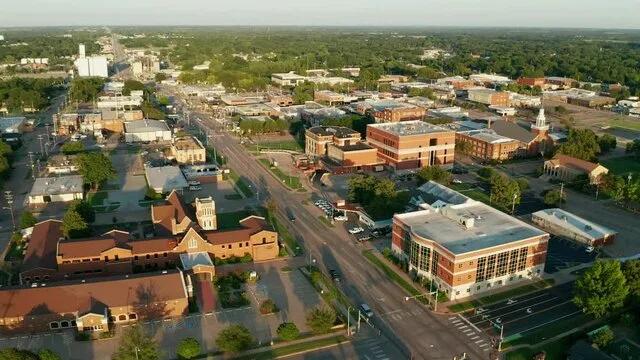
What would you do if you walked into your Stillwater home tomorrow morning and found two inches of standing water across the kitchen floor - or the acrid smell of smoke clinging to every wall? Property damage rarely announces itself in advance, and the hours immediately following an incident shape how much of your building and belongings can be saved.
Restoration in Payne County covers a connected set of specialties, each addressing a different form of loss:
- Water Damage Restoration - extraction, structural drying, and moisture mapping after supply line breaks, roof leaks, or appliance failures
- Flooded Basement - pump-out, below-grade dehumidification, and treatment of saturated framing and flooring
- Sewage Cleanup - removal of contaminated material, antimicrobial application, and safe disposal after backups
- Fire Damage Restoration - debris removal, structural stabilization, and cleaning of charred surfaces
- Smoke Damage Restoration - soot removal from walls, ductwork, textiles, and hard-to-reach cavities plus odor neutralization
- Mold Removal - containment, affected material removal, and correction of the moisture source feeding growth
The benefit to Stillwater property owners is simple: faster stabilization means fewer materials thrown in the dumpster, lower secondary damage risk, and a shorter path back to normal life for families, rental tenants, and business operators alike. Emergency response is available around the clock because water and smoke do not keep business hours.
Common Damage Restoration Issues in Stillwater, Oklahoma
Stillwater sits in a stretch of north-central Oklahoma where storm systems, temperature swings, and aging infrastructure combine to create predictable damage patterns. Local losses tend to cluster around a handful of causes.
- Severe thunderstorms and hail - wind-driven rain forces water past shingles, ridge vents, and window flashing into attics and upper ceilings
- Flash flooding - heavy downpours overwhelm yard drainage near Boomer Creek, Stillwater Creek, and low-lying streets, pushing water into basements and crawl spaces
- Frozen and burst pipes - unheated garages, exterior hose bibs, and pipes in uninsulated crawl spaces fail during hard freezes
- Sewer and septic backups - grease, tree roots, and heavy rain infiltration cause line surcharges in older neighborhoods and rural septic properties
- Grass and wildfire smoke - dry, windy stretches spread grass fires quickly, sending ash and soot into homes even when flames never reach the structure
- Kitchen and electrical fires - a leading cause of residential fire loss in rentals and student housing
- Hidden mold growth - humid summers keep enclosed cavities damp long after a leak seems dry
Warning signs worth acting on include musty odors near baseboards, cupped or buckling wood flooring, ceiling stains that grow after rain, gurgling floor drains, unexplained spikes in water usage, and a lingering smoky smell that returns whenever the HVAC system runs.
Neighborhoods We Serve in Stillwater
Coverage extends across the city and into the surrounding Payne, Logan, and Noble County communities.
- Downtown Stillwater and the historic districts near Duncan and Husband streets
- Campus-adjacent rentals and multi-family housing around Oklahoma State University
- West Stillwater subdivisions along Western Road and Sangre Road
- North side neighborhoods near Lakeview Road and Boomer Lake
- South Stillwater areas off Perkins Road and 32nd Avenue
- Country Club, Fairways, and established mid-century additions
- Rural acreage properties on county roads outside city limits
Nearby communities receive the same emergency response, including Perkins, Perry, Guthrie, Morrison, Ponca City, Langston, Crescent, Mulhall, Orlando, Marland, Red Rock, Meridian, Seward, Sumner, Lovell, Ceres, Navina, and Cedar Valley. Whether the call comes from a campus duplex or a farmhouse twenty miles out, crews arrive with extraction, drying, and cleaning equipment ready to deploy.
Seasonal Damage Patterns in Stillwater
Each season brings its own restoration workload across north-central Oklahoma.
- December through February - freeze-thaw cycles burst supply lines and split outdoor spigots; space heaters and fireplace use drive winter fire and smoke damage calls
- March through May - peak severe weather season with hail, tornado-force winds, and torrential rain producing roof leaks, flooded basements, and storm-related water damage; dry, windy March days also raise grass fire and ash intrusion risk
- June through August - high humidity and heavy air conditioning use create condensation problems, clogged condensate lines, and rapid mold growth in attics, closets, and crawl spaces
- September through October - remnant tropical moisture and slow-moving storms overwhelm sewer lines and yard drains, triggering sewage cleanup calls
- November - first freezes catch unwinterized plumbing; holiday cooking and heating system startups increase kitchen fire and furnace puff-back incidents
Mold remediation requests trail water events by roughly two to four weeks, which is why post-storm inspections matter even when a home appears dry on the surface.
Housing Characteristics & Restoration Considerations
Stillwater's housing stock spans more than a century of construction styles, and each type reacts differently to water, fire, and microbial growth.
- Pre-1950 bungalows and craftsman homes - plaster over wood lath, balloon framing, and original cast iron drain lines; smoke travels vertically through open wall cavities and old drain stacks corrode into backup risks
- 1950s-1970s ranch homes - slab-on-grade construction where under-slab leaks surface as warm spots or unexplained water usage, plus galvanized supply lines nearing end of life
- 1980s-2000s subdivisions - crawl spaces and partial basements prone to seepage, with drywall and engineered flooring that absorb moisture quickly
- Newer builds west and south of town - tight envelopes and spray-applied insulation that trap humidity when a leak occurs, concentrating mold risk in wall cavities
- Student rentals and duplexes near campus - shared plumbing walls, high occupancy turnover, and delayed leak reporting that allow small failures to spread between units
- Manufactured and rural homes - pier foundations, belly wrap insulation that holds water, and septic systems requiring specialized sewage cleanup methods
These differences shape the restoration plan. Plaster walls may be dried in place with injection systems rather than demolished. Slab foundations call for thermal imaging and moisture meters before any flooring is lifted. Crawl spaces need containment and ventilation before mold removal begins. Documenting original materials also matters when replacing trim, hardwood, and cabinetry in older Stillwater homes where matching finishes takes extra care.
Environmental Conditions & Damage Implications
Local climate and ground conditions influence how quickly damage develops and how drying is approached.
- Humid subtropical climate - warm, moisture-heavy summers push indoor relative humidity high enough for mold colonies to establish within a couple of days of a leak
- Expansive clay soils - Payne County clay swells and shrinks with rainfall, stressing foundation walls and creating cracks that channel water into basements and crawl spaces
- Poor soil drainage - dense clay sheds water slowly, so downpours pool against foundations rather than percolating away
- Hard, mineral-rich water - scale buildup accelerates wear on water heaters, valves, and supply lines, contributing to sudden failures
- Wind and dust - open prairie conditions carry soot, ash, and particulate into attics and HVAC systems during regional grass fires
- Wide temperature swings - rapid shifts stress plumbing joints and cause condensation on ductwork and cold-water lines
These realities affect method selection. Drying equipment must overcome ambient humidity, so dehumidification runs alongside air movement rather than relying on ventilation. Clay soil pressure means basement restoration includes evaluating exterior grading and gutter discharge, not just removing water. After smoke events, duct cleaning and HVAC filtration matter because fine ash recirculates long after visible soot is wiped away. Air quality monitoring and post-remediation verification confirm that mold spore counts and particulate levels return to normal ranges before reconstruction starts.
Storm Season Response and Full-Cycle Restoration for Stillwater Properties
Spring storms across north-central Oklahoma can generate dozens of simultaneous losses in a single night - hail-punctured roofs on the north side, flooded basements near the creeks, and downed lines sparking structure fires. A single provider handling the entire process keeps a chaotic situation manageable.
A start-to-finish restoration typically follows this sequence:
- Emergency contact and dispatch - crews respond around the clock, gathering details on the damage source and safety concerns before arrival
- Assessment and documentation - moisture mapping, thermal imaging, soot and char evaluation, and photographic records prepared for the insurance claim
- Stabilization - board-up, roof tarping, and shutoff of active water sources to prevent further loss
- Water extraction and pump-out - truck-mounted units and submersible pumps clear standing water from basements and living areas
- Contaminated material removal - saturated carpet pad, insulation, sewage-affected drywall, and unsalvageable contents removed under proper containment
- Structural drying - air movers and dehumidifiers positioned and monitored daily until materials reach dry standard
- Cleaning and deodorization - soot removal, antimicrobial treatment, duct cleaning, and odor neutralization throughout affected spaces
- Contents handling - furniture, appliances, documents, and keepsakes cleaned on site or moved to secure storage for off-site restoration
- Mold remediation - containment barriers, negative air, affected material removal, and verification of results
- Reconstruction - drywall, flooring, paint, trim, and cabinetry returned to pre-loss condition
Keeping every phase under one team avoids the gaps that occur when separate contractors hand off work. It also means one point of contact for adjusters, one documentation file, and one crew accountable for the finished result - whether the property is a campus rental, a downtown storefront, or a farmhouse outside Perkins.





