Damage Restoration in Payette County, ID
- Damage Restoration Services Overview
- Common Damage Restoration Issues in Payette County, Idaho
- Neighborhoods We Serve in Payette County
- Seasonal Damage Patterns in Payette County
- Housing Characteristics & Restoration Considerations
- Environmental Conditions & Damage Implications
- Irrigation Season, Canal Systems, and Basement Water in Payette County
Damage Restoration Services Overview
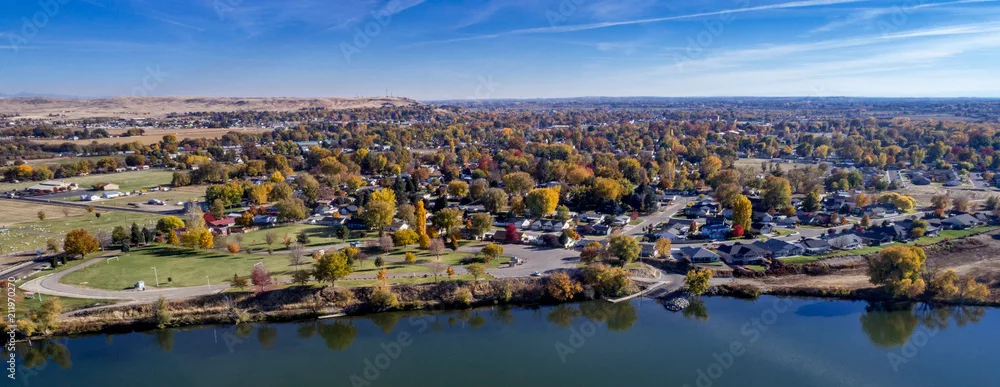
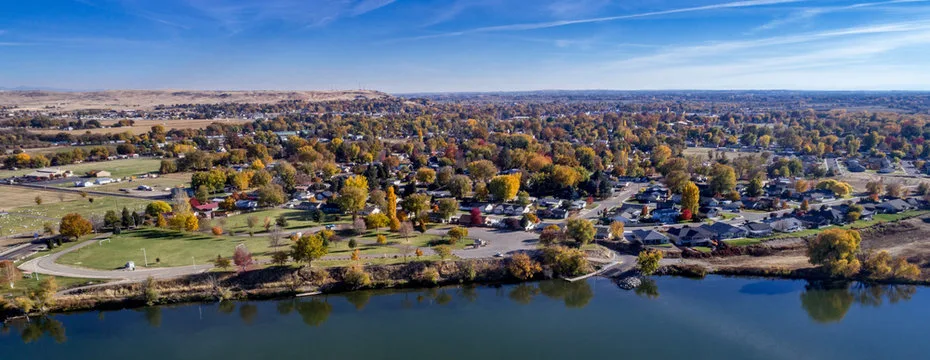
Payette County sits at the confluence of two major rivers - the Payette and the Snake - meaning nearly every community in the county is within a few miles of moving water. That geography shapes the kind of property damage local families deal with year after year, from spring snowmelt seeping into basements to summer thunderstorms overwhelming older roofs and gutters.
Restoration work in this part of the Treasure Valley covers a wide span of emergencies:
- Water damage restoration - extraction, structural drying, and moisture mapping after leaks, storms, and appliance failures
- Flooded basement cleanup - pump-out, contents handling, and drying of below-grade spaces in Payette, Fruitland, and New Plymouth homes
- Sewage cleanup - safe removal of Category 3 contamination from backed-up mains, failed septic systems, and floor drain overflows
- Fire damage restoration - stabilization, debris removal, and reconstruction of damaged framing and finishes
- Smoke damage restoration - odor neutralization, soot removal, and HVAC decontamination, including wildfire smoke intrusion
- Mold removal - containment, affected material removal, and correction of the moisture source behind growth
Fast response matters. Water spreads through subfloors and wall cavities within hours, soot becomes acidic and etches surfaces, and mold colonies establish quickly in humid crawl spaces. IICRC-certified technicians document conditions, work with insurance adjusters, and return properties to a dry, clean, healthy state.
Common Damage Restoration Issues in Payette County, Idaho
Local damage patterns follow the river corridors, the irrigation calendar, and the temperature swings typical of southwestern Idaho.
What Causes Most Losses Here
- Spring snowmelt flooding along the Payette and Snake River corridors, pushing groundwater into basements and crawl spaces
- Summer thunderstorms and hail that drive water through roof penetrations, flashing, and older shingles
- Hard freeze burst pipes in uninsulated crawl spaces, garages, and exterior walls of pre-1980 homes
- Irrigation canal and lateral overflow near agricultural parcels in Fruitland and New Plymouth
- Septic system failure and sewer backups during saturated soil conditions
- Wildfire and range fire smoke drifting in from the Owyhee and Boise foothills during late summer
- Kitchen and electrical fires in homes with dated wiring and older appliances
Warning Signs Worth Acting On
- Musty odors in a basement or crawl space that intensify after irrigation season begins
- Efflorescence - white chalky residue - on concrete foundation walls
- Cupping hardwood, bubbling paint, or soft drywall near baseboards
- Slow floor drains or gurgling toilets, often the first hint of a main line problem
- Persistent smoke odor that returns when the furnace or A/C cycles on
- Dark staining around ceiling penetrations after a hailstorm
Small signals become large claims quickly. A hairline supply line leak behind a vanity can saturate a subfloor for weeks before anyone notices the warped flooring above it.
Neighborhoods We Serve in Payette County
Coverage extends across the county and into the neighboring Treasure Valley and Owyhee County communities.
- Payette - downtown historic district, riverfront properties near the Payette-Snake confluence, and surrounding residential streets
- Fruitland - newer subdivisions along the Highway 95 corridor and older farmsteads on irrigated acreage
- New Plymouth - the Village and adjacent rural properties on well and septic systems
- Rural Payette County - Big Bend, Falk's Store, and agricultural parcels along the river bottoms
Nearby service areas include Parma, Wilder, Homedale, Marsing, Ontario and Nyssa across the Oregon line, plus Weiser to the north and Caldwell and Nampa to the southeast. Response teams staged across this territory reach most Payette County addresses quickly - which matters when standing water or sewage is spreading by the hour.
Seasonal Damage Patterns in Payette County
Winter (December - February)
- Burst pipe water damage during hard freeze events, especially in crawl spaces and exterior walls
- Ice dam backups on low-slope roofs
- Heating-related fire and smoke damage from furnaces, woodstoves, and space heaters
Spring (March - May)
- Snowmelt raises river and groundwater levels along the Payette and Snake corridors
- Flooded basements and saturated crawl spaces follow within days
- Irrigation season opens, adding sustained subsurface moisture
- Mold growth begins appearing in previously wet materials
Summer (June - August)
- Thunderstorm, hail, and wind-driven roof leaks
- Flash flooding and storm drain overflow in low-lying neighborhoods
- Wildfire smoke damage requiring HVAC cleaning and odor treatment
- Sewage backups when heavy rain overloads lines and septic fields
Fall (September - November)
- Late-season fire risk from range and stubble burns
- Mold discovered during heating season startup as homes close up
- Pre-freeze plumbing failures in unwinterized outbuildings
Housing Characteristics & Restoration Considerations
Payette County housing stock is a mix of century-old farmhouses, mid-century ranch homes, manufactured housing on rural acreage, and newer subdivision construction built during the Treasure Valley's growth years.
How Local Construction Shapes Restoration
- Pre-1950 farmhouses - board subfloors, lath-and-plaster walls, and stone or hollow-block foundations that wick moisture; drying takes longer and often requires cavity injection systems
- Unfinished and partially finished basements - common in older Payette and New Plymouth homes; porous concrete and cold joints are frequent water entry points
- Vented crawl spaces - widespread throughout the county and a leading location for hidden mold growth on joists and subfloor sheathing
- Mid-century ranch homes - galvanized or early copper supply lines prone to pinhole leaks and freeze rupture
- Manufactured homes - belly wrap traps water beneath the floor, hiding damage until flooring fails
- Newer builds - engineered wood products, OSB sheathing, and tighter envelopes that hold humidity and swell permanently when saturated
Practical Implications
- Older homes may contain asbestos-bearing flooring, mastic, or plaster - testing precedes demolition after fire or water loss
- Knob-and-tube or aluminum wiring raises electrical safety concerns during fire damage assessment
- Homes on private septic need contamination handling that differs from municipal sewer backups
- Log, brick, and stucco exteriors each demand different smoke and soot cleaning methods
Documenting original materials and construction sequence supports accurate scoping and a rebuild that matches what was there before.
Environmental Conditions & Damage Implications
Payette County's high desert climate averages roughly 10 to 12 inches of annual precipitation, with hot dry summers and cold wet winters. That combination creates conditions restoration crews plan around specifically.
Climate and Moisture
- Low summer humidity speeds drying but causes rapid shrinkage in wet wood, leading to cracked drywall and split trim if drying is rushed
- Winter inversions trap humidity and smoke particulates, extending odor problems indoors
- Wide day-night temperature swings drive condensation in crawl spaces and unheated basements
Soil and Groundwater
- River bottom silt loam and alluvial soils hold water against foundations after snowmelt
- Shallow groundwater tables near the Payette and Snake rivers push hydrostatic pressure into basement slabs
- Irrigation canals and laterals raise subsurface moisture from April through October
- Expansive clay pockets contribute to foundation cracking - a common water entry path
Water and Air Quality Factors
- Hard, mineral-heavy water accelerates corrosion in water heaters and supply fittings
- Agricultural dust and field chemicals can mix with floodwater, changing contamination classification
- Wildfire seasons load indoor air and duct systems with fine soot requiring HEPA filtration
- Livestock and septic proximity means rural flood water is often treated as contaminated by default
These realities affect equipment selection, dehumidification targets, containment design, and whether materials are salvageable or removed.
Irrigation Season, Canal Systems, and Basement Water in Payette County
Few things distinguish Payette County restoration work from suburban Boise jobs more than the irrigation network. Canals, laterals, and gravity ditches thread through Fruitland, New Plymouth, and the Payette river bottoms, delivering water from spring through early fall. When those systems run full, the water table beneath nearby homes rises with them.
Why This Matters for Property Owners
- Basements that stay dry all winter can begin seeping within days of headgates opening
- Crawl space humidity climbs steadily through summer, feeding mold on joists and insulation
- Sump pumps that handled snowmelt may run continuously and fail from overuse
- Ditch breaks and check structure failures can flood a property with silt-laden water in minutes
- Floodwater from agricultural channels frequently carries fertilizer, manure, and organic debris
A Sound Response Sequence
- Safety and source control - power isolation, contact with the irrigation district if a canal is involved, and stopping active intrusion
- Water classification - determining whether the loss is clean, gray, or contaminated, which drives all downstream decisions
- Extraction and removal - pumping standing water, removing silt, and taking out unsalvageable carpet, pad, and lower drywall
- Antimicrobial application - treating framing, slabs, and remaining surfaces where contamination reached
- Structural drying - air movers and dehumidifiers sized to the space, with daily moisture readings logged
- Clearance and rebuild - verifying dry standards before insulation, drywall, flooring, and trim go back
Reducing Risk Before Next Season
- Install a battery backup or secondary sump pump before April
- Seal foundation cracks and cold joints during the dry months
- Add a crawl space vapor barrier and monitor humidity through summer
- Grade soil away from the foundation and keep downspouts discharging well clear
- Know where your property's ditch rights and check structures are located
Documentation from a certified crew also strengthens insurance claims, since flood, sewage, and sudden-discharge losses are handled very differently by carriers.