Damage Restoration in Bingham County, ID
- Damage Restoration Services Overview
- Common Damage Restoration Issues in Bingham County, Idaho
- Neighborhoods We Serve in Bingham County
- Seasonal Damage Patterns in Bingham County
- Housing Characteristics & Restoration Considerations
- Environmental Conditions & Damage Implications
- What to Expect: Timeline, Documentation, and Insurance in Bingham County
Damage Restoration Services Overview
When water pours through a ceiling or smoke settles into every room, the fastest relief comes from knowing a trained crew is already on the way. Professional restoration turns a chaotic situation into a documented, measurable process with a clear end point.
Homeowners and business owners across Bingham County rely on a full range of emergency and rebuild services:
- Water Damage Restoration - extraction, structural drying, and moisture mapping after burst pipes, appliance failures, and roof leaks
- Flooded Basement cleanup - pumping standing water, removing saturated materials, and drying foundation walls and slabs
- Sewage Cleanup - containment, removal of contaminated porous materials, and antimicrobial treatment of affected surfaces
- Fire Damage Restoration - board-up, debris removal, soot cleaning, and coordinated reconstruction
- Smoke Damage Restoration - odor neutralization, HVAC cleaning, and treatment of surfaces the flames never touched
- Mold Removal - containment, HEPA filtration, controlled removal, and correction of the moisture source
The benefits stack up quickly for Bingham County property owners:
- Same-day emergency extraction to stop damage from spreading
- Structural drying that typically runs 3-5 days with commercial dehumidifiers and air movers
- Daily moisture readings that verify progress instead of guessing
- A timeline given upfront, with daily updates through completion
- Photo and moisture documentation shared directly with your insurance adjuster
Common Damage Restoration Issues in Bingham County, Idaho
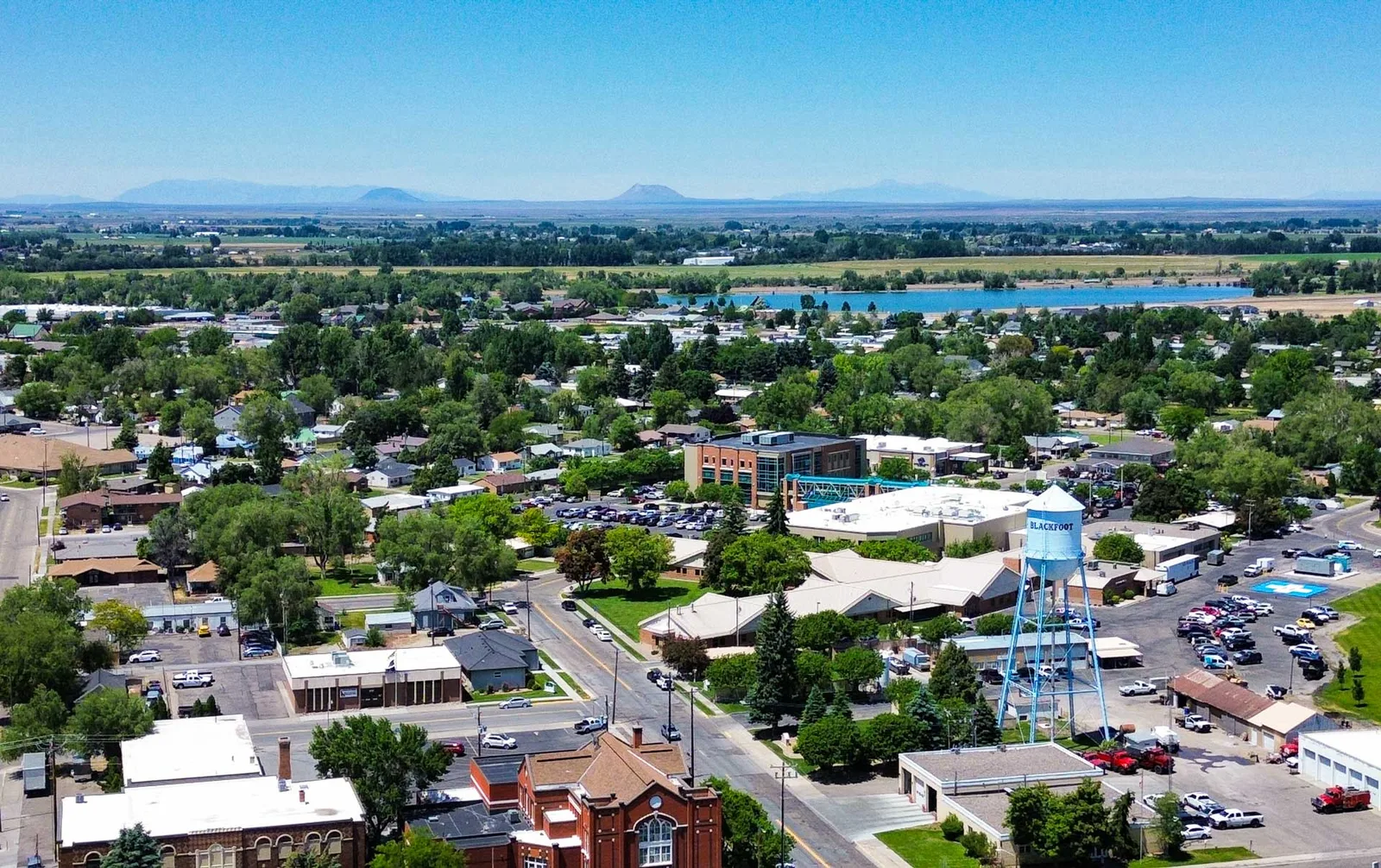
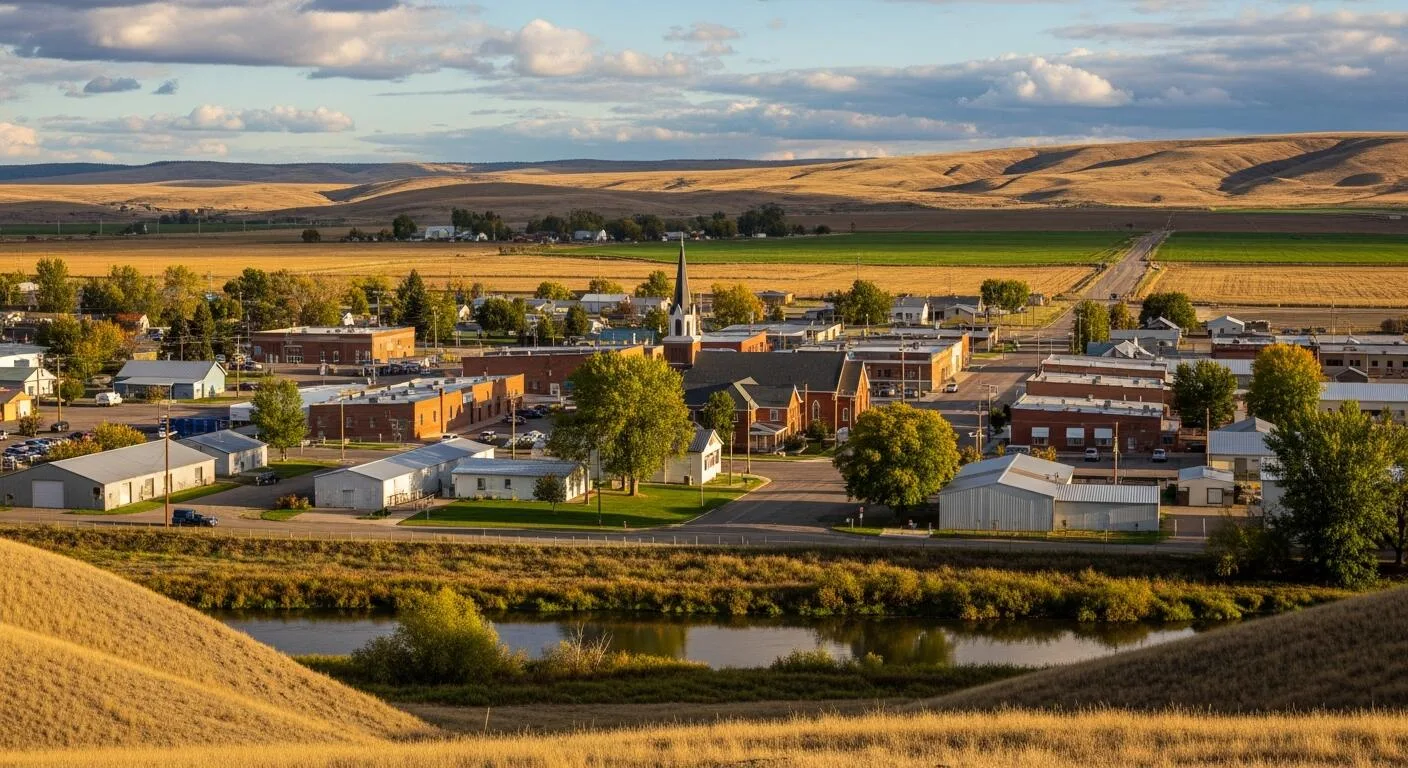
Bingham County sits on the Snake River Plain, where hard winters, irrigation canals, and older housing stock combine to produce predictable loss patterns. Blackfoot, Shelley, Aberdeen, and the surrounding farm country all see the same recurring problems.
Frequent Causes of Damage
- Frozen and burst pipes in unheated crawl spaces, garages, and exterior walls during January and February cold snaps
- Spring snowmelt and canal season pushing groundwater against basement walls and through window wells
- Sump pump failures during power outages, leading to flooded basements overnight
- Sewer and septic backups from root intrusion in older clay laterals or saturated drain fields on rural properties
- Water heater and washing machine hose failures - the single most common year-round claim
- Wood stove, furnace, and kitchen fires during heating season, plus grass and stubble fires near agricultural fields
- Hidden mold behind finished basement walls, under vinyl flooring, and in poorly ventilated bathrooms
Warning Signs Worth Acting On
- Musty or earthy odors in basements and crawl spaces, strongest after rain or irrigation
- Bubbling paint, cupping hardwood, or soft drywall along baseboards
- Efflorescence - white mineral crusting - on concrete foundation walls
- Gurgling floor drains or slow toilets, both early signs of a sewer line problem
- Smoke odor that returns on warm, humid days after a small kitchen or furnace fire
- Unexplained allergy symptoms that improve when you leave the house
Neighborhoods We Serve in Bingham County
Coverage spans the county's cities, farm communities, and rural addresses on the Snake River Plain.
- Blackfoot - downtown, Fort Hall Avenue corridor, Airport Road area, and established neighborhoods near Jensen Grove
- Shelley - residential streets and outlying acreages toward the Snake River
- Aberdeen and American Falls Reservoir side of the county
- Firth, Basalt, and Springfield - small-town and farmstead properties
- Fort Hall and surrounding reservation-area communities
- Moreland, Riverside, Rockford, Groveland, and Thomas - agricultural neighborhoods with canal proximity
- Wapello, Pingree, and Atomic City corridor properties
Crews also respond into neighboring Bonneville, Power, and Bannock counties, including Idaho Falls, Ammon, and Pocatello, which keeps equipment and manpower close when a large storm or freeze event hits several towns at once.
Seasonal Damage Patterns in Bingham County
Winter (December - February)
- Peak season for frozen pipe breaks and resulting water damage
- Ice dams forcing meltwater under shingles and into ceilings
- Highest fire and smoke damage volume from wood stoves, space heaters, and furnaces
Spring (March - May)
- Snowmelt and rising groundwater drive flooded basement calls
- Canal and irrigation start-up raises water tables near fields
- Mold growth accelerates as temperatures rise in still-damp basements
Summer (June - August)
- Appliance and supply line failures continue at a steady pace
- Septic and sewer backups increase with heavy household use and saturated drain fields
- Grass, stubble, and outbuilding fires near agricultural land
Fall (September - November)
- First hard freezes catch unwinterized hose bibs and crawl space lines
- Furnace start-up releases dust and puff-back soot into living spaces
- Ideal window for mold inspection and crawl space drying before winter
Housing Characteristics & Restoration Considerations
Bingham County housing is a mix of pre-1950 farmhouses, mid-century Blackfoot and Shelley neighborhoods, manufactured homes on rural parcels, and newer subdivision construction. Each type changes how a restoration is planned.
Older Homes (pre-1970)
- Cinder block or poured foundations with minimal exterior waterproofing, prone to seepage during snowmelt
- Lath and plaster walls that hold moisture longer than drywall and require careful drying
- Clay or cast iron sewer laterals vulnerable to root intrusion and collapse
- Possible asbestos-containing floor tile, mastic, or pipe wrap requiring testing before demolition
- Balloon framing that lets water and smoke travel between floors through open wall cavities
Mid-Century and Manufactured Homes
- Vented crawl spaces where insulation traps moisture and supports mold growth
- Low-clearance underbellies on manufactured homes that hide plumbing leaks for weeks
- Original ductwork that spreads smoke odor and soot through the whole house
Newer Construction
- Finished basements with carpet, pad, and framed walls that must be opened for drying
- Tight building envelopes that hold humidity and odor unless mechanically dried
- Engineered flooring and MDF trim that swell quickly and rarely survive prolonged wetting
Across all types, drying is verified with daily moisture readings rather than assumed complete, and any rebuild scope - drywall, flooring, cabinetry, paint - is quoted with a timeline before work begins.
Environmental Conditions & Damage Implications
The high desert climate here is deceptive. Low outdoor humidity helps drying, but the same conditions mask trapped moisture inside walls and under floors.
Climate and Air
- Cold winters with sustained sub-freezing stretches, the primary driver of pipe failures
- Dry summers with wide day-night temperature swings that push condensation into cool basements
- Seasonal agricultural dust and regional wildfire smoke that load HVAC filters and complicate post-fire odor work
- Inversions in the Snake River Plain that hold smoke and particulates near ground level
Water and Soil
- Hard, mineral-rich groundwater that leaves scale on surfaces and stains porous materials after a loss
- Shallow water tables in irrigated areas, raising hydrostatic pressure on foundation walls
- Volcanic and alluvial soils over basalt that drain unevenly, concentrating water along foundations
- Rural septic systems on tight or saturated soils, increasing backup risk
What This Means for Restoration
- Sewage and irrigation water is treated as contaminated - porous materials come out rather than being dried in place
- Mold Removal work pairs containment with correcting the moisture source, whether that is grading, a sump pump, or a crawl space vapor barrier
- Smoke Damage Restoration includes duct cleaning and filtration because dust and soot bind together in dry air
- Drying plans account for cold-weather conditions, using dehumidification rather than open windows
What to Expect: Timeline, Documentation, and Insurance in Bingham County
Most of the stress after a loss comes from not knowing how long it will take or who pays. Both questions get answered early.
Typical Sequence
- Same-day emergency response - water extraction, sewage containment, or fire board-up on the day you call
- Assessment and documentation - photos, moisture mapping, and category of water determined before equipment is set
- Removal of unsalvageable materials - saturated carpet pad, contaminated drywall, charred debris
- Structural drying - commercial dehumidifiers and air movers, typically 3-5 days, verified by daily moisture readings
- Cleaning and treatment - antimicrobial application, soot removal, odor neutralization, HEPA filtration
- Repairs and rebuild - drywall, flooring, trim, and paint, adding days to weeks depending on scope
Insurance Realities
- Sudden and accidental events - burst pipes, appliance failures, water heater ruptures - are covered under most homeowners policies
- Gradual leaks and deferred maintenance are generally excluded
- Outside flood water requires separate flood insurance, which matters near canals and the Snake River
- Documentation with photos and moisture readings is provided to your adjuster, and billing is handled directly with the carrier
- Free estimates are provided before work begins
Cost Drivers
- Category of water - clean, gray, or sewage
- Square footage and number of levels affected
- How quickly drying starts after the loss
- Whether mold has taken hold or materials sat wet
Single-room clean water losses sit at the low end of the range. Whole-floor flooding, sewage backups, and damage that went untreated for days climb substantially. You get the timeline upfront and daily progress updates until the job closes out.