Damage Restoration in Park County, WY
- Damage Restoration Services Overview
- Common Damage Restoration Issues in Park County, Wyoming
- Neighborhoods We Serve in Park County
- Seasonal Damage Patterns in Park County
- Housing Characteristics & Restoration Considerations
- Environmental Conditions & Damage Implications
- Protecting Seasonal Cabins and Vacation Properties Near Yellowstone
Damage Restoration Services Overview
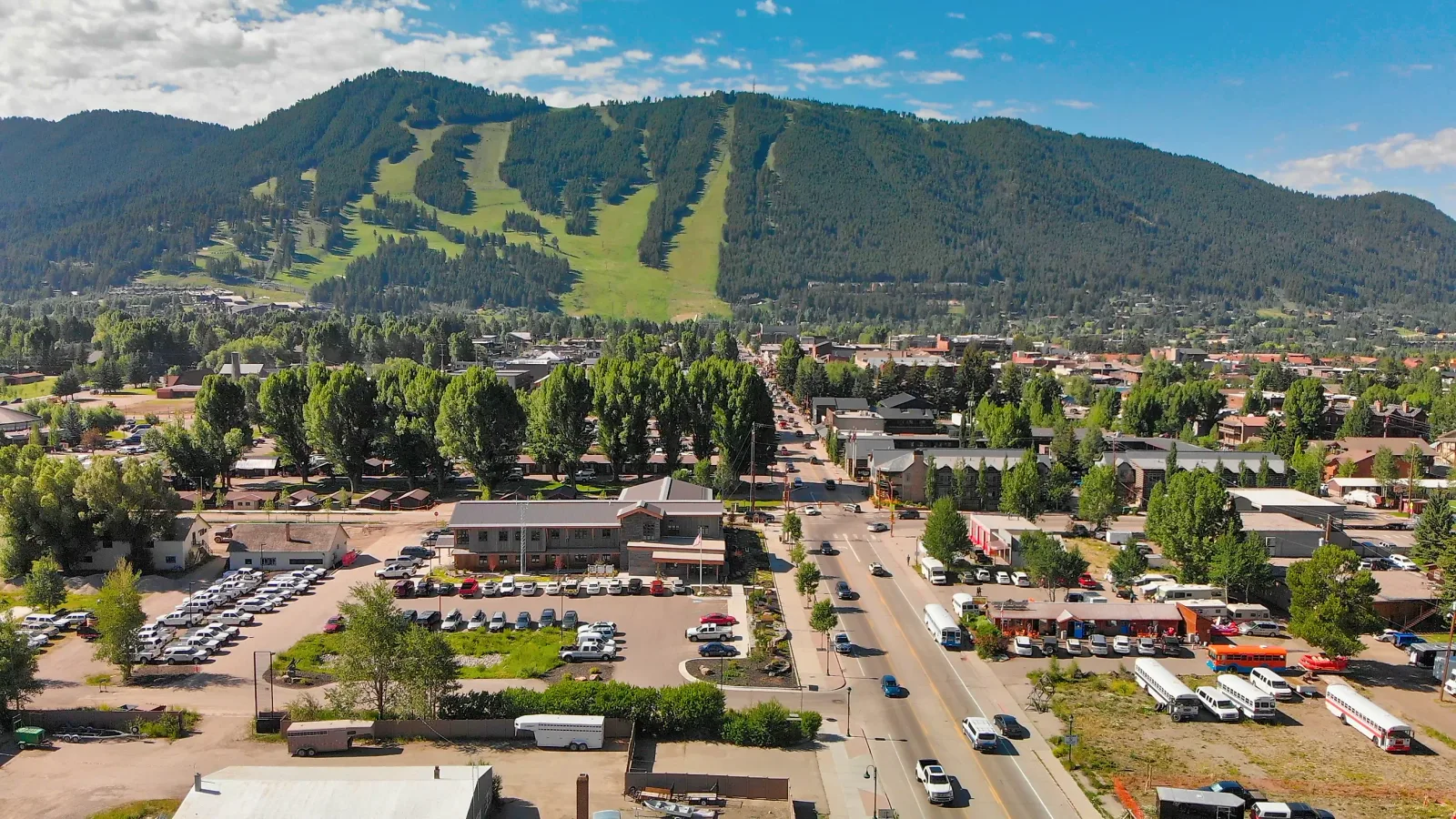
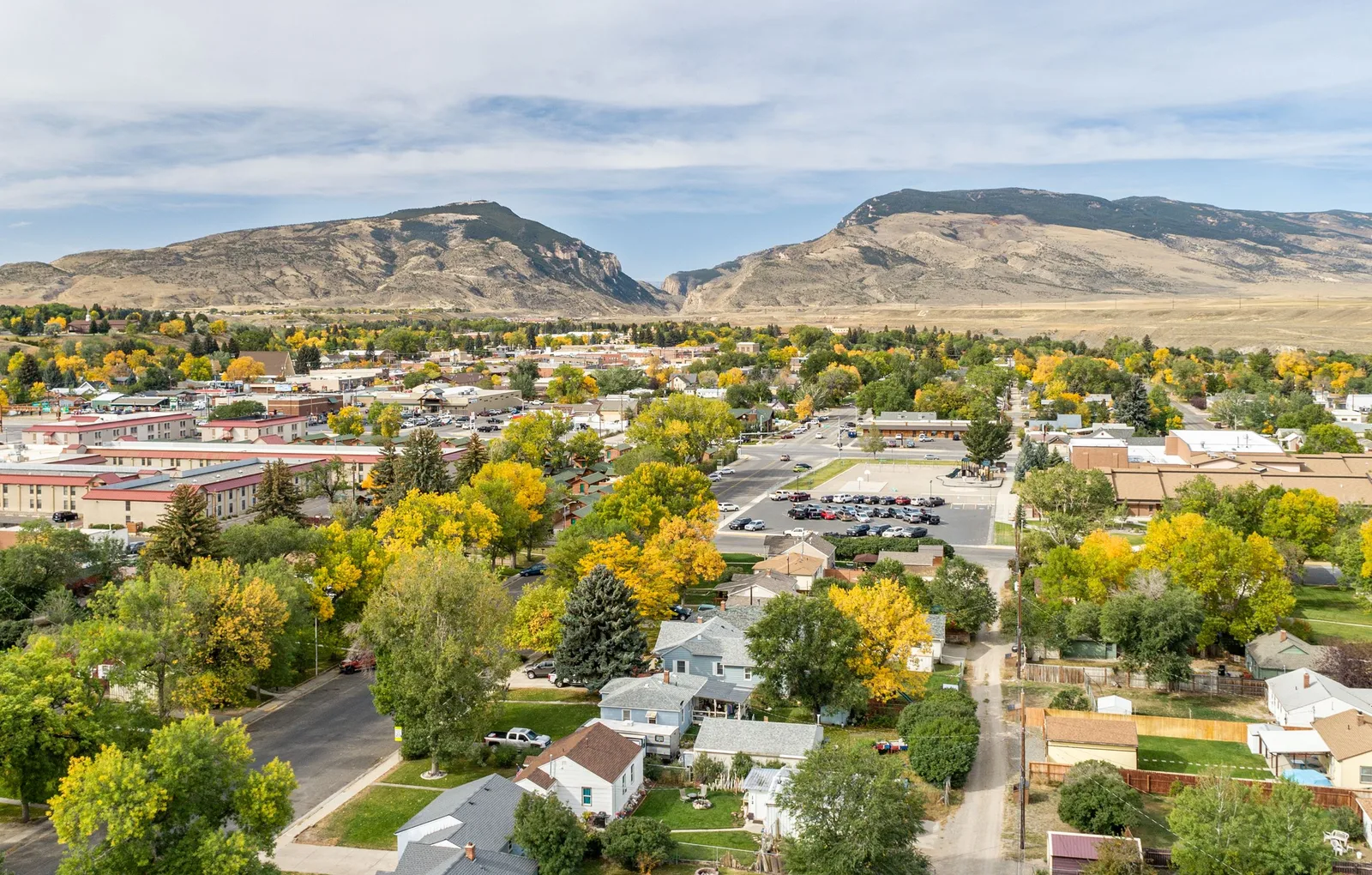
Park County sits between the high desert of the Bighorn Basin and the eastern edge of Yellowstone, and that geography shapes nearly every restoration job here. Homes in Cody, Powell, and Meeteetse contend with deep winter freezes, spring runoff off the Absarokas, wildfire smoke in late summer, and wind that drives moisture into places it was never meant to go.
Our certified crews handle the full range of property emergencies for Park County residents and business owners:
- Water damage restoration - burst supply lines, failed water heaters, ice dam leaks, and appliance overflows
- Flooded basement cleanup - snowmelt intrusion, sump pump failure, and foundation seepage
- Sewage cleanup - septic backups, main line blockages, and Category 3 contamination
- Fire damage restoration - board-up, debris removal, structural cleaning, and content recovery
- Smoke damage restoration - soot removal, HVAC decontamination, and odor elimination
- Mold removal - inspection, containment, remediation, and moisture source correction
Handling all six under one roof means no waiting on a second contractor while damage spreads. Technicians are IICRC certified, fully licensed and insured, and trained to document conditions thoroughly for your insurance carrier - so the claim moves as fast as the drying does.
Common Damage Restoration Issues in Park County, Wyoming
The problems we respond to most in Park County trace back to elevation, temperature swings, and the way older Basin housing stock was built. Recognizing the early warning signs saves both structure and money.
Frequent Causes of Damage
- Frozen and burst pipes - unheated crawl spaces, exterior walls, and vacation properties left unoccupied through January and February
- Snowmelt and runoff flooding - rapid spring warm-ups sending water toward foundations along the Shoshone River corridor
- Ice dams - freeze-thaw cycles pushing meltwater under shingles and into ceilings
- Septic and sewer backups - rural systems on acreage properties around Wapiti, Clark, and Garland where frost depth stresses lateral lines
- Heating-related fires - wood stoves, pellet stoves, and chimney creosote buildup during long heating seasons
- Wildfire smoke infiltration - regional smoke drawn in through HVAC systems and leaky building envelopes
- Hidden mold - tightly sealed, well-insulated homes trapping humidity with limited ventilation
Warning Signs Worth Acting On
- Musty or earthy odors that intensify when the furnace runs
- Staining, bubbling paint, or soft drywall near baseboards and window wells
- Cupping or darkening hardwood and vinyl plank flooring
- Slow drains, gurgling fixtures, or sewage odor in a basement floor drain
- Persistent smoke smell weeks after a small kitchen or stove fire
- Condensation on interior window glass during cold snaps
Any one of these signals moisture or contamination that a moisture meter and thermal camera can confirm before demolition begins.
Neighborhoods We Serve in Park County
Our response area covers the full county, from the Bighorn Basin farmland to the mountain properties near the Yellowstone gateway.
- Cody - downtown, Sunset, Beacon Hill, Stampede Park, and the Sheridan Avenue business corridor
- Powell - in-town residential blocks, Northwest College area, and surrounding irrigated farmland
- Meeteetse - historic downtown structures and outlying ranch properties
- Wapiti and the North Fork - cabins, lodges, and seasonal residences along the highway to Yellowstone's East Entrance
- Clark and the Clarks Fork Valley - remote acreage homes on well and septic systems
- Ralston, Garland, and Willwood - agricultural properties and outbuildings
- South Fork and Southfork Road corridor - riverside and rural residences
Rural addresses and long driveways are part of the job here. Crews arrive with equipment sized for properties that may sit miles from the nearest hydrant or municipal sewer connection.
Seasonal Damage Patterns in Park County
Restoration needs in Park County follow a predictable annual rhythm. Knowing what season brings prepares homeowners to act before small problems escalate.
- December through February - peak frozen pipe season. Subzero nights and Chinook-driven temperature swings crack supply lines in crawl spaces and exterior walls. Heating appliance and chimney fires cluster here as well.
- March and April - snowmelt runoff drives flooded basements, window well intrusion, and sump pump overload. Frost-heaved septic lines begin backing up.
- May and June - Shoshone and Clarks Fork high water, plus thunderstorm downpours that overwhelm gutters and grading. Mold growth begins in spaces wet from spring flooding.
- July and August - regional wildfire smoke infiltration, lightning-caused structure fires, and hail or wind damage that opens the roof to water.
- September and October - early freeze events on unwinterized cabins and irrigation lines. Ideal window for mold inspection before homes are closed up.
- November - first hard freezes plus heavy furnace and wood stove use, restarting the fire and frozen pipe cycle.
Housing Characteristics & Restoration Considerations
Park County housing spans more than a century of building practice, and each era responds differently to water, smoke, and microbial growth.
Common Construction Types
- Pre-1950 homes in Cody, Powell, and Meeteetse - lath and plaster walls, minimal insulation, stone or block foundations, and original cast iron or galvanized plumbing prone to failure
- Mid-century ranch homes - full or partial basements with finished rec rooms, where carpet and paneling trap water and hide mold
- Log and timber-frame cabins - North Fork and South Fork properties where smoke odor penetrates porous wood and drying requires specialized approaches
- Manufactured and modular homes - vulnerable belly board saturation and skirted crawl spaces with poor airflow
- Newer high-efficiency builds - tight envelopes and spray foam that hold humidity in and let a small leak grow mold quietly
How This Shapes the Work
- Plaster requires different drying strategies and cavity ventilation than modern drywall
- Homes built before 1980 may contain asbestos or lead paint, calling for testing before demolition
- Finished basements need selective removal of insulation, base trim, and subfloor rather than blanket tear-out
- Rural septic systems mean sewage cleanup includes assessing the leach field and disinfecting affected soil interfaces
- Log interiors often need soda or media blasting plus sealing to fully clear soot and odor
Environmental Conditions & Damage Implications
Park County's climate is semi-arid at Basin elevations and alpine as you move west - a combination that produces some counterintuitive restoration challenges.
Climate and Air
- Low ambient humidity speeds evaporation but can cause rapid, uneven drying that warps wood flooring and trim if not controlled
- Wide daily temperature swings drive condensation inside wall cavities and on cold-side sheathing
- Summer wildfire smoke from regional fires loads HVAC filters and settles fine particulate on horizontal surfaces indoors
- High winds off the Absarokas force rain and snow into soffits, ridge vents, and around window flashing
Water and Soil
- Hard, mineral-rich groundwater accelerates scale buildup and pinhole leaks in older supply lines
- Alkaline Basin soils with clay content expand and contract, stressing foundations and creating seepage paths
- Gravel river terraces near the Shoshone allow fast subsurface water movement toward basements during runoff
- Deep seasonal frost pushes on buried sewer and septic laterals, causing offsets and backups
What That Means for Restoration
Drying plans are built around dew point readings and material moisture content, not a fixed schedule. Mold remediation always includes correcting the moisture source - grading, ventilation, or vapor barriers - because dry air alone will not stop recurrence in a home with an active water path. Smoke work includes duct cleaning and filtration upgrades, since infiltrated particulate settles repeatedly if the system is not addressed.
Protecting Seasonal Cabins and Vacation Properties Near Yellowstone
A large share of Park County property sits empty for months at a time - cabins along the North Fork toward the East Entrance, guest lodges in Wapiti, ranch houses in Clark, and second homes owned by out-of-state families. Unoccupied buildings are where the most expensive damage happens, because a leak that would be caught in minutes at an occupied home runs for weeks.
The Problem
- A burst line can release thousands of gallons before anyone notices
- Wind-driven snow enters through failed flashing and melts into ceilings
- Rodent intrusion damages insulation and contaminates crawl spaces
- Closed-up buildings with no air movement grow mold across entire wall assemblies
- Septic systems dormant all winter back up on the first heavy use of the season
How We Approach It
- Rapid assessment on arrival - thermal imaging and moisture meters map the full extent of migration, including water that traveled behind log walls or under subfloor
- Extraction and stabilization - standing water removed, utilities secured, and the structure protected from further weather intrusion
- Controlled drying - dehumidifiers and air movers positioned for the building's specific materials, with daily readings logged
- Contamination handling - sewage or rodent-affected areas treated as Category 3, with containment, removal of porous materials, and antimicrobial application
- Mold remediation where needed - negative air containment, HEPA filtration, and removal of colonized materials
- Reconstruction - matching finishes on historic and log interiors so repairs are not obvious
The Benefit
Detailed photo and moisture documentation goes to your insurer whether you are in Cody or another state entirely. Absentee owners get status updates, and the property is dried and rebuilt before the next season opens - not patched over for the problem to return.