
Damage Restoration in Powell, WY
- Damage Restoration Services Overview
- Common Damage Restoration Issues in Powell, Wyoming
- Neighborhoods We Serve in Powell
- Seasonal Damage Patterns in Powell
- Housing Characteristics & Restoration Considerations
- Environmental Conditions & Damage Implications
- Working With Powell's Canal System, Septic Fields, and Insurance Timelines
Damage Restoration Services Overview
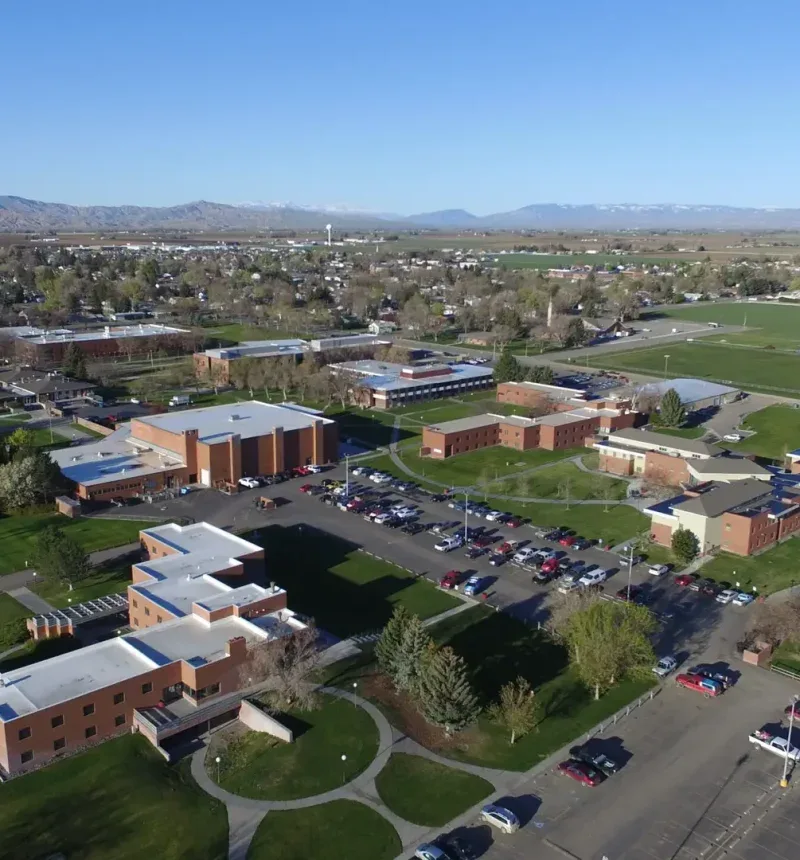
Powell sits in one of the driest corners of Wyoming - the Big Horn Basin averages only about six to eight inches of precipitation a year - yet water damage remains the single most common restoration call in Park County. The reason is simple: nearly everything green in Powell is irrigated, and the canal system that made the Shoshone Reclamation Project possible also keeps groundwater levels high beneath thousands of homes.
Restoration work here covers a wide range of emergencies, and most properties eventually need at least one of them:
- Water damage restoration - burst supply lines, failed water heaters, ice-dam leaks, and appliance overflows
- Flooded basement recovery - seepage through foundation walls, sump failures, and irrigation-season groundwater pressure
- Sewage cleanup - backed-up floor drains, failed septic systems on acreage properties, and main line blockages
- Fire damage restoration - structural cleaning, soot removal, contents recovery, and odor neutralization
- Smoke damage restoration - treating surfaces and HVAC systems affected by puff-backs, kitchen fires, and regional wildfire smoke
- Mold removal - containment and remediation where moisture sat undetected behind walls or beneath flooring
The benefit of fast, certified response is measurable: quicker drying preserves framing, subfloors, cabinetry, and personal belongings, and it keeps a straightforward water loss from becoming a mold remediation project weeks later.
Common Damage Restoration Issues in Powell, Wyoming
Powell's combination of extreme temperature swings, irrigated agriculture, and older homestead-era housing creates a distinct pattern of property damage.
Local Causes We Respond To Most
- Frozen and burst pipes - January lows regularly drop below zero, and pipes in uninsulated crawlspaces, garages, and exterior walls split when temperatures rebound
- Canal and irrigation season saturation - once water runs in the Shoshone Irrigation District ditches, soil around foundations stays wet for months
- Rapid spring runoff - snowmelt off Heart Mountain and the Beartooth front pushes groundwater up into basements and window wells
- Aging sewer laterals - clay and cast-iron lines under older Powell streets crack, root-invade, and back up into floor drains
- Wood stove, furnace, and kitchen fires - common in rural Park County properties that rely on supplemental heat through long winters
- Wildfire smoke intrusion - late-summer smoke from regional fires infiltrates attics, ductwork, and soft furnishings
Warning Signs Worth Acting On
- Efflorescence - white chalky residue - on basement block walls
- Musty odor that intensifies when the furnace or swamp cooler runs
- Sewer gas smell near floor drains or a slow-draining basement fixture
- Buckled baseboards, cupped hardwood, or tile that sounds hollow underfoot
- Soot filming on light fixtures, register covers, or the top of door casings
- Condensation on ductwork or persistent window sweating in winter
Catching any of these early usually means drying rather than demolition.
Neighborhoods We Serve in Powell
Restoration crews cover the city and the surrounding agricultural communities across Park and Big Horn counties.
- Downtown Powell and the Bent Street corridor - older commercial buildings with basements and shared party walls
- Northwest College area and adjacent rental housing - multi-unit properties where a single loss affects several tenants
- Absaroka, Division, and Gilbert Street neighborhoods - established homes with mature trees and older sewer laterals
- Homesteader Park area and newer east-side subdivisions
- Ralston, Garland, and Willwood - farm and acreage properties on septic systems
- Heart Mountain, Elk Basin, and Clark - rural homes with well water and long response distances
- Cody, Byron, Deaver, Frannie, Lovell, and Greybull - regional service across the Big Horn Basin
Knowing which streets sit on high water tables and which have known sewer main issues shapes how each job is scoped from the first phone call.
Seasonal Damage Patterns in Powell
Damage types in Powell follow the calendar closely, and planning maintenance around them prevents most emergency calls.
- December through February - peak frozen pipe season. Burst supply lines, split hose bibs, and heating-appliance fires drive water damage restoration and fire damage restoration calls. Furnace puff-backs spread soot through entire homes.
- March and April - thaw cycles and snowmelt saturate soil. Flooded basement calls climb as groundwater rises and sump pumps run continuously.
- May through July - irrigation water fills the canals. Persistent lateral seepage, crawlspace moisture, and sewage backups from saturated septic drainfields become common.
- July and August - hot, dry conditions raise wildfire and grass fire risk. Smoke damage restoration requests spike when regional smoke settles into the basin.
- September and October - hidden summer moisture surfaces as mold growth once homes close up and ventilation drops.
- November - the first hard freezes catch unwinterized outbuildings, sprinkler systems, and vacant properties.
Mold removal work, unlike the others, has no true off-season - it simply trails whatever moisture event came before it by two to six weeks.
Housing Characteristics & Restoration Considerations
Powell's housing stock traces back to the 1908 Reclamation homesteads, and a large share of homes predate 1970 - a fact that changes almost every restoration decision made on site.
Construction Types Found Across Powell
- Homestead-era farmhouses - balloon framing that lets water and smoke travel vertically inside wall cavities without visible signs
- Post-war bungalows and ranches - poured concrete or block basements, often with original floor drains and cast-iron waste lines
- Mid-century homes with plaster and lath - slow to release moisture and prone to hidden mold behind finished surfaces
- Manufactured and modular homes - common on rural acreage, with vulnerable belly wrap insulation that traps water beneath the floor
- Newer subdivision builds - tighter envelopes that dry slowly and hold smoke odor in insulation and ductwork
How Age Affects the Work
- Pre-1980 materials may contain asbestos or lead paint, requiring testing before any demolition during water or fire restoration
- Original clay sewer laterals raise the likelihood of Category 3 sewage losses that demand full containment and antimicrobial treatment
- Uninsulated crawlspaces with exposed dirt floors need vapor barriers installed as part of long-term mold prevention
- Knob-and-tube or aluminum wiring found during fire restoration often means coordinating with electricians before rebuild
- Finished basements with paneling and carpet over concrete conceal moisture until odors appear
Documenting these conditions thoroughly also helps insurance adjusters approve the correct scope the first time.
Environmental Conditions & Damage Implications
The Big Horn Basin's semi-arid, high-alkalinity environment produces restoration challenges that differ sharply from wetter parts of the country.
Climate
- Roughly 6 to 8 inches of annual precipitation with very low ambient humidity most of the year
- Elevation near 4,365 feet, which lowers air density and affects dehumidifier and air mover performance
- Winter lows well below zero paired with summer highs in the 90s - a swing that stresses pipes, seals, and foundations
Soil and Water
- Alkaline, bentonite-influenced clay soils that expand when wet and shrink when dry, cracking foundation walls and slabs
- High seasonal water tables driven by canal delivery rather than rainfall
- Hard, mineral-rich water that scales fixtures and shortens the life of water heaters and supply lines
- Gypsum and salt content in soil that leaves mineral staining on concrete after seepage events
Air Quality
- Summer wildfire smoke and agricultural dust that load HVAC filters and settle into attic insulation
- Winter inversions in the basin that trap woodsmoke and combustion byproducts near ground level
The practical effect: dry outdoor air helps structural drying but can also mask trapped moisture inside walls and under slabs. Moisture meters and thermal imaging - not surface feel - determine when a structure is genuinely dry, which is why documented daily readings matter on every water, sewage, and mold project.
Working With Powell's Canal System, Septic Fields, and Insurance Timelines
Few things separate a local restoration crew from an out-of-area contractor faster than understanding how the Shoshone Irrigation District shapes water losses in Powell.
Why Canal Season Changes the Approach
From roughly May through September, water moves through laterals and ditches that run alongside neighborhoods in Powell, Ralston, Garland, and Willwood. Hydrostatic pressure against basement walls climbs during this window, and a home that stayed dry all winter can seep the week irrigation starts.
- Drying a basement without addressing exterior grade or window well drainage often leads to a repeat loss the following season
- Sump pump discharge lines need to terminate well away from the foundation, not into a saturated side yard
- Interior drain tile and vapor barriers are frequently the right long-term answer for older block foundations
Septic Systems on Acreage Properties
Rural homes around Heart Mountain, Clark, and Elk Basin rely on septic tanks and drainfields that struggle when soils are already saturated. Sewage backups in these settings are treated as Category 3 contamination from the outset.
- Isolate and contain the affected area with negative air pressure
- Extract contaminated water and remove porous materials that cannot be sanitized
- Clean and apply EPA-registered antimicrobials to all remaining surfaces
- Dry the structure to documented moisture goals with monitoring throughout
- Verify conditions before any reconstruction begins
Coordinating With Your Carrier
Park County claims move faster when photos, moisture logs, and scope notes are organized from day one. Local crews familiar with regional adjusters, IICRC standards, and typical Powell construction can document a fire, smoke, water, or mold loss in the format carriers expect - reducing back-and-forth while your household waits to get back to normal.





