Damage Restoration in Laramie County, WY
- Damage Restoration Services Overview
- Common Damage Restoration Issues in Laramie County, Wyoming
- Neighborhoods We Serve in Laramie County
- Seasonal Damage Patterns in Laramie County
- Housing Characteristics & Restoration Considerations
- Environmental Conditions & Damage Implications
- Emergency Response Timing and Insurance Documentation in Laramie County
Damage Restoration Services Overview
Water that sits for a weekend rarely stays a water problem. Within days it becomes swollen subfloor, delaminated drywall, corroded ductwork, and colonies of mold behind baseboards - repairs that cost far more than the original extraction would have. The same pattern holds after fire: acidic soot keeps etching metal, glass, and finishes long after the flames are out, and smoke odor bonds permanently to porous materials that could have been salvaged with prompt treatment.
Laramie County property owners have access to a full range of restoration disciplines, each addressing a different failure point in the recovery process:
- Water damage restoration - extraction, structural drying, moisture mapping, and controlled dehumidification
- Flooded basement recovery - sump failure response, foundation seepage drying, and contents handling below grade
- Sewage cleanup - Category 3 containment, removal of porous materials, and antimicrobial treatment
- Fire damage restoration - board-up, debris removal, structural cleaning, and content pack-out
- Smoke damage restoration - soot removal, thermal fogging, HVAC decontamination, and odor neutralization
- Mold removal - containment, HEPA filtration, affected material removal, and humidity correction
Key benefits for homeowners across Cheyenne, Pine Bluffs, Burns, and the county's rural corridors include documented drying logs for insurance carriers, reduced secondary damage, preserved indoor air quality, and a faster return to normal use of the property.
Common Damage Restoration Issues in Laramie County, Wyoming
High-plains conditions at roughly 6,000 feet create a distinct damage profile. Deep freezes, rapid thaws, wind-driven precipitation, and dry summers each produce their own emergencies.
Leading Causes of Loss
- Frozen and burst supply lines in crawl spaces, garages, and exterior walls during sub-zero cold snaps
- Snowmelt and spring runoff pushing groundwater against foundations and into basement window wells
- Sump pump failure during power outages tied to high-wind events
- Sewer backups when saturated ground or aging clay laterals overwhelm drainage on older Cheyenne streets
- Heating-season fires from wood stoves, space heaters, and overloaded circuits in older homes
- Wildland smoke intrusion from regional grass and forest fires drawn in through HVAC systems
- Hidden mold behind finished basement walls where vapor barriers trap moisture
Warning Signs Worth Acting On
- Musty odor that intensifies when the furnace or AC cycles on
- Efflorescence, white powdery streaks, or blistering paint on foundation walls
- Cupping, gapping, or soft spots in hardwood and laminate flooring
- Slow floor drains, gurgling toilets, or sewage odor in the basement
- Yellow-brown staining on ceilings after wind-driven rain or ice damming
- Lingering campfire smell in closets and upholstery weeks after a small kitchen fire
- Unexplained allergy or asthma flare-ups affecting one household member more than others
Neighborhoods We Serve in Laramie County
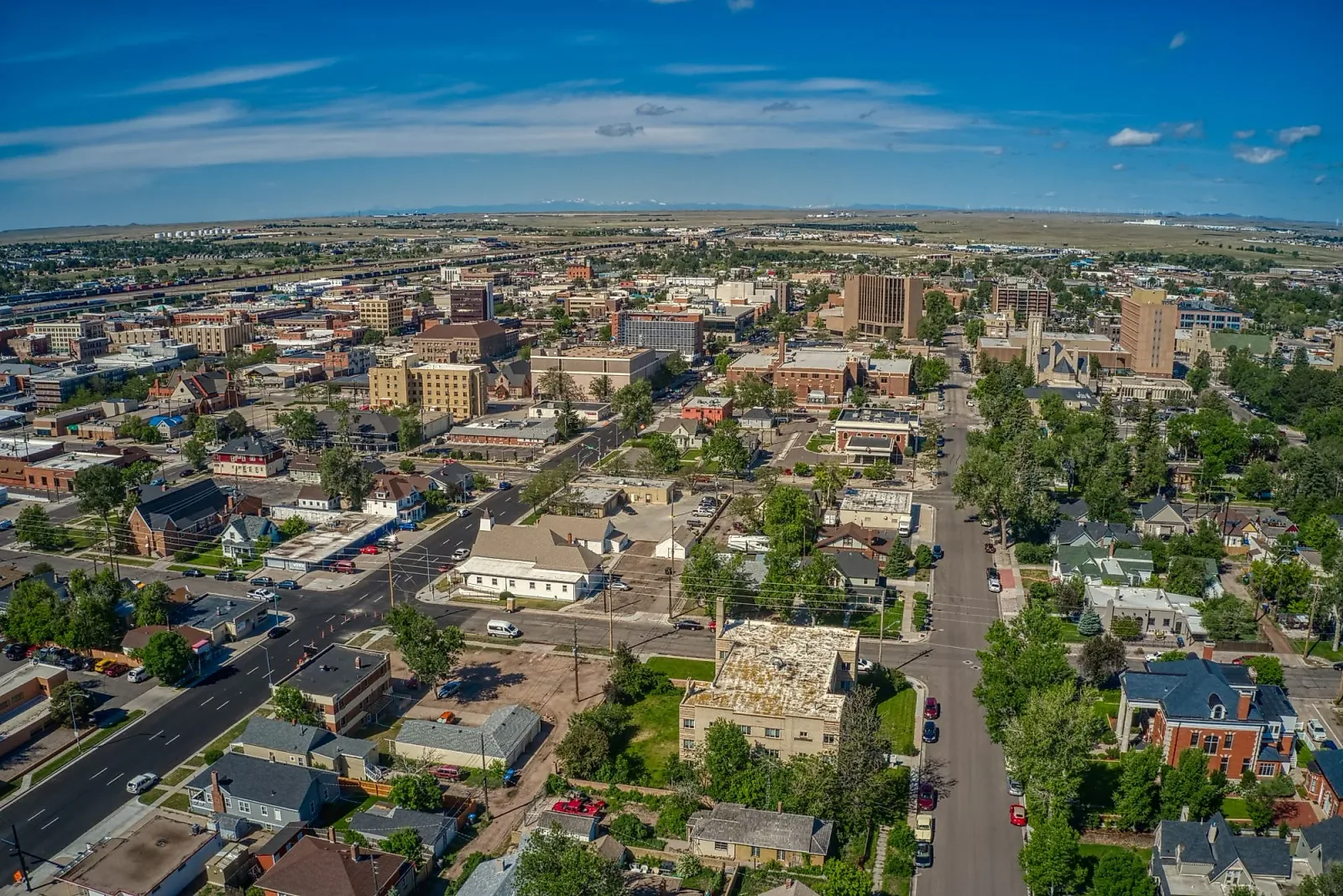
Coverage extends across the county's urban core, its bedroom communities, and the ranchland stretching to the Nebraska and Colorado lines.
- Cheyenne - Downtown and the Rainsford Historic District, Sun Valley, Cole Addition, Indian Hills, Saddle Ridge, Pointe Frontier, Buffalo Ridge, and Avenues neighborhoods
- Unincorporated suburbs - The Ranchettes, Fox Farm-College, South Greeley, North Range, and Antelope Hills
- Eastern county towns - Pine Bluffs, Burns, Albin, and Carpenter
- Rural corridors - Hillsdale, Egbert, Granite Canon, Horse Creek, Federal, and properties along I-80, I-25, and US-30
- Institutional and base-adjacent housing near F.E. Warren Air Force Base
Crews also coordinate with restoration partners serving Laramie and Albany County to the west, so properties along the Happy Jack and Vedauwoo corridors are not left waiting on a response from out of region.
Seasonal Damage Patterns in Laramie County
Winter (December - February)
- Burst pipes during extended sub-zero stretches and wind-chill events
- Ice dams pushing meltwater under shingles into ceilings and wall cavities
- Peak season for furnace, chimney, and space-heater fires with heavy smoke residue
Spring (March - May)
- Heavy wet snow followed by fast melt - the busiest window for flooded basements
- Sump pump overload and sewer backups as saturated soils surcharge lines
- Mold growth beginning in materials that stayed damp through winter
Summer (June - August)
- Hail and severe thunderstorm roof breaches leading to interior water damage
- Regional wildfire smoke infiltrating homes and requiring HVAC and contents cleaning
- Lightning strikes and grill or outbuilding fires
Fall (September - November)
- Failed hose bib and irrigation line winterization causing early freeze breaks
- Mold discovery during pre-winter basement cleanouts
- First-use furnace and flue fires producing puffback soot throughout ductwork
Housing Characteristics & Restoration Considerations
Laramie County housing spans more than a century of building practice, and each era responds differently to water, smoke, and microbial growth.
Pre-1950 Homes
- Common in Cheyenne's older Avenues and Rainsford areas - brick, stone foundations, and lath-and-plaster walls
- Plaster holds moisture longer than drywall and requires extended drying with targeted airflow
- Cast iron and clay sewer laterals are prone to root intrusion and backups
- Balloon framing lets smoke and odor travel between floors through open wall cavities
- Potential asbestos and lead paint require testing before demolition
1960s - 1990s Ranch and Split-Level Stock
- Poured concrete basements, often finished with paneling or carpet directly over slab
- Plastic vapor barriers behind finished walls frequently trap moisture and hide mold
- Original galvanized or polybutylene plumbing sections still cause sudden failures
- Ducted forced-air systems distribute soot and spores quickly if not isolated early
Newer Construction and Manufactured Housing
- Tighter envelopes hold humidity in - dehumidification matters as much as extraction
- Engineered wood I-joists and OSB subfloor lose structural integrity faster when saturated
- Manufactured homes on the county's rural parcels have belly wrap that holds standing water beneath the floor and must be opened and dried
- Deep, walkout, and daylight basements common in newer subdivisions concentrate flood loss below grade
Environmental Conditions & Damage Implications
Climate and Elevation
- Semi-arid air at high elevation speeds evaporation but masks moisture trapped in wall cavities and under flooring
- Dramatic daily temperature swings drive condensation inside exterior walls and crawl spaces
- Sustained winds regularly exceeding 40 mph push rain and snow horizontally into siding joints, vents, and window flashing
- Roughly 60 inches of annual snowfall in parts of the county concentrates moisture load into a short melt window
Soil and Groundwater
- Clay-rich and expansive soils swell when wet, creating hydrostatic pressure and foundation cracks
- Shallow perched water tables after runoff feed seepage through cove joints and floor cracks
- Slow-draining soils extend the time water stays against foundation walls, prolonging basement drying
Air and Water Quality
- Hard, mineral-heavy water accelerates corrosion in water heaters and supply lines, a frequent source of sudden leaks
- Seasonal wildfire smoke and blowing dust load HVAC filters and complicate post-fire odor work
- Low ambient humidity can cause dried soot to become airborne easily, making containment and HEPA filtration necessary before cleaning
- Rural properties on septic systems face different sewage cleanup protocols than homes on municipal sewer
These conditions shape equipment choices - desiccant dehumidifiers for cold-weather drying, negative air machines for mold and soot containment, and moisture meters calibrated for masonry and dense plaster.
Emergency Response Timing and Insurance Documentation in Laramie County
Distance and weather define emergency response on the high plains. A property near Albin or Carpenter sits far from Cheyenne, and a January storm that closes I-80 changes everything about how quickly help arrives. That reality makes the first hour of homeowner action genuinely consequential.
What to Do Before Crews Arrive
- Shut off the water main or gas supply if the source is plumbing or fire related
- Cut power to affected areas at the breaker - never wade into standing water with live circuits
- Photograph and video everything before moving a single item
- Move undamaged contents to a dry, heated area of the home
- Avoid contact with sewage-contaminated water entirely and keep children and pets out of the space
- Do not run the HVAC system after a fire or suspected mold discovery
- Open the claim with your insurer and record the claim number and adjuster contact
Documentation That Supports a Claim
- Daily moisture readings from affected materials, logged and dated
- Psychrometric records showing temperature, relative humidity, and grain depth during drying
- Equipment placement diagrams and run-time logs for air movers and dehumidifiers
- Photo documentation before, during, and after each phase of the work
- Written scope tied to industry standards for water categories and mold containment levels
- Itemized inventory for pack-out contents after fire and smoke losses
Working With Local Adjusters
Carriers reviewing Laramie County claims regularly question whether a basement loss stems from groundwater, sewer backup, or a burst supply line - three causes with three different coverage outcomes. Restoration teams that identify and document the source correctly at the outset save homeowners from disputed claims later. Ask any provider whether they supply drying logs, whether they can bill the carrier directly, and how they handle supplemental scope when hidden damage surfaces behind walls.