
Damage Restoration in Cody, WY
- Damage Restoration Services Overview
- Common Damage Restoration Issues in Cody, Wyoming
- Neighborhoods We Serve in Cody
- Seasonal Damage Patterns in Cody
- Housing Characteristics & Restoration Considerations
- Environmental Conditions & Damage Implications
- Wind Events, Storm Debris, and What Comes Next for Cody Homes
Damage Restoration Services Overview
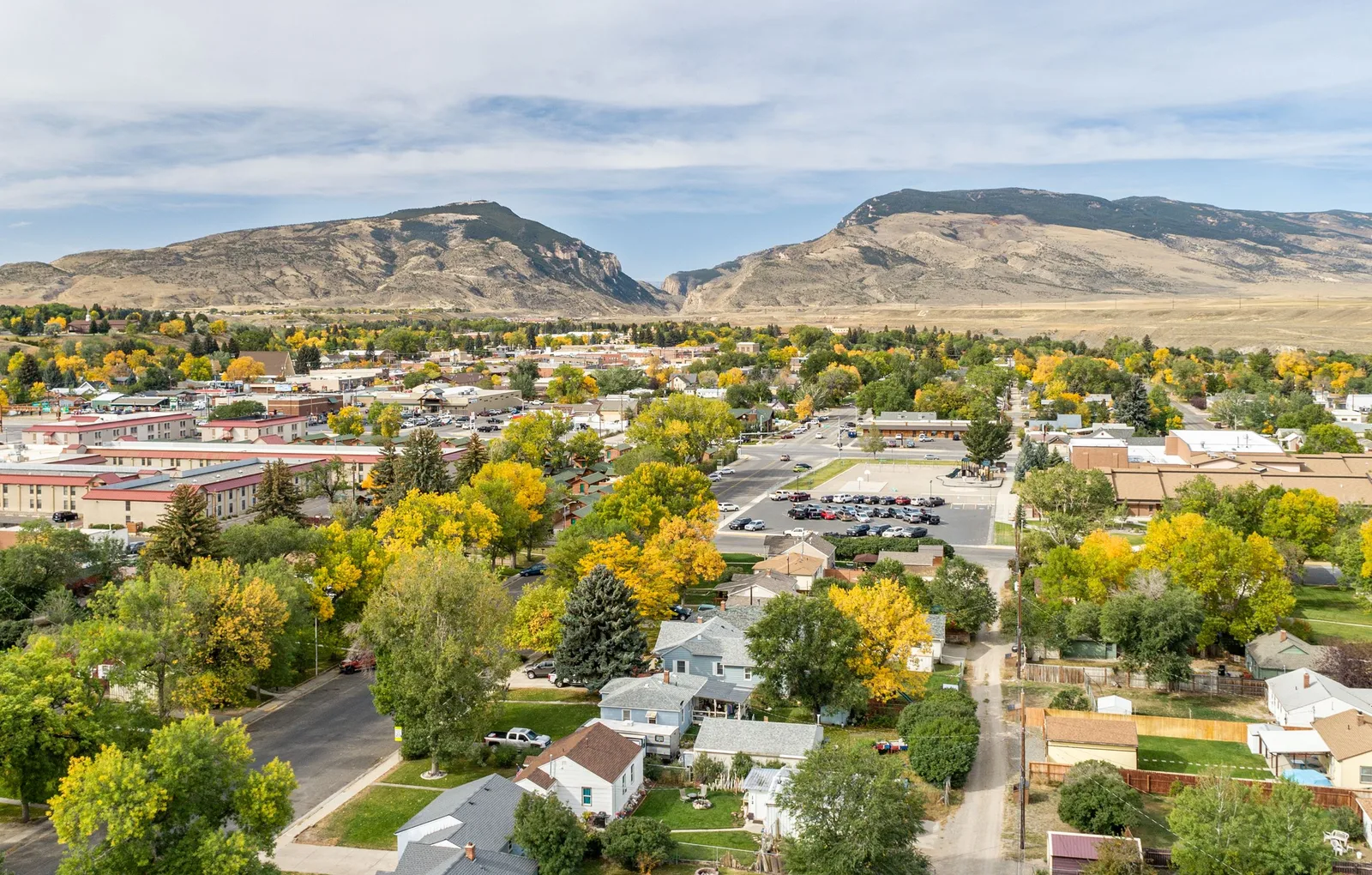
You come home from a weekend at the North Fork, open the door, and hear water running where no water should be. A supply line behind the washing machine let go sometime Friday night, and now the basement carpet squelches under your boots. Situations like this unfold across Cody every week - sometimes from plumbing, sometimes from wind-driven rain, sometimes from a chimney fire that fills the house with acrid smoke.
Restoration work in Park County covers a broad range of emergencies, and each one demands a different set of equipment, chemistry, and documentation:
- Water damage restoration - extraction, structural drying, and moisture mapping after pipe breaks, appliance failures, and roof leaks
- Flooded basement recovery - sump pump failures, foundation seepage, and spring runoff intrusion along the Shoshone corridor
- Sewage cleanup - safe removal of Category 3 contamination from backed-up mains, failed septic systems, and floor drain overflows
- Fire damage restoration - structural stabilization, debris removal, and rebuilding after wood stove, electrical, and wildfire-related losses
- Smoke damage restoration - soot removal from framing and contents, thermal fogging, and odor neutralization
- Mold removal - containment, HEPA filtration, and removal of colonized materials in crawl spaces and finished basements
Acting quickly protects framing, drywall, flooring, and belongings - and keeps a manageable water loss from becoming a mold remediation project weeks later.
Common Damage Restoration Issues in Cody, Wyoming
Cody's high desert setting at roughly 5,000 feet creates a distinct mix of hazards. Dry air masks moisture problems for a while, then temperature swings and heavy wind events expose every weak point in a building envelope.
Local Causes We See Repeatedly
- Extreme wind events - Cody's chinook and canyon winds regularly strip shingles, topple trees onto rooflines, and drive debris through windows, opening the structure to rain and snowmelt
- Freeze-thaw pipe failures - unheated crawl spaces, garage walls, and exterior hose bibs burst during January and February cold snaps
- Ice dams - meltwater backs under shingles on north-facing slopes and soaks ceiling cavities
- Sewer and septic backups - older clay laterals, root intrusion, and saturated drain fields push contaminated water into basements
- Heating-season fires - wood stoves, pellet stoves, creosote-lined chimneys, and space heaters account for a large share of residential fire calls
- Wildfire smoke infiltration - regional smoke pulls fine particulate into attics and ductwork even when flames never approach town
Warning Signs Worth Investigating
- Musty odor in a finished basement or along baseboards
- Tape seams lifting or nail pops appearing on ceilings below bathrooms
- Efflorescence, chalky white staining, or bubbling paint on foundation walls
- Gurgling floor drains or slow tub drainage after heavy runoff
- Yellow-brown staining around light fixtures and ceiling fans
- Soot film on window glass or a smoke smell that returns on humid days
Debris piles and broken trees after a major wind event often hide roof punctures that only reveal themselves during the next storm.
Neighborhoods We Serve in Cody
Crews respond throughout the city and the surrounding Park County countryside, adapting methods to each area's housing stock and utility setup.
- Downtown and the Sheridan Avenue historic district - older masonry and balloon-framed buildings with legacy plumbing
- West Cody and the Yellowstone Highway corridor - motels, rentals, and mixed residential near the Shoshone River
- Sunset and Beacon Hill areas - mid-century homes with full basements
- Cody Heights and East Cody - newer subdivisions on well and septic in places
- Southfork and North Fork valleys - rural properties, cabins, and log homes
- Wapiti, Powell, Ralston, Garland, Meeteetse, and Clark - outlying communities where response includes generator power and portable drying equipment
Rural addresses along the Greybull Highway and Belfry Road are served as well, including properties without municipal sewer where septic backups require specialized handling.
Seasonal Damage Patterns in Cody
Each season brings a predictable set of restoration calls across the Bighorn Basin.
- December through February - frozen and burst supply lines, ice dam leaks, chimney and wood stove fires, furnace puffbacks that coat interiors in soot
- March and April - snowmelt and thawing ground drive foundation seepage and flooded basements; sump pumps fail under sustained load
- May and June - Shoshone River runoff peaks, crawl space humidity climbs, and mold growth begins in materials wetted during winter
- July and August - thunderstorm downbursts and extreme wind tear roofing loose; regional wildfire smoke settles into attics and HVAC systems
- September and October - first heating-system startups produce smoke and puffback losses; sewer backups follow heavy autumn rain
- November - hard freezes catch unwinterized cabins, seasonal homes, and vacant rentals with unprotected plumbing
Homeowners who schedule chimney inspections in early fall and test sump pumps before March avoid a large share of these losses.
Housing Characteristics & Restoration Considerations
Cody's building stock spans more than a century, from turn-of-the-century downtown structures to subdivisions built in the past decade. Age and construction method shape every restoration plan.
Common Construction Types
- Early 1900s wood frame and brick homes near downtown - lath and plaster walls, knob-and-tube remnants, minimal insulation, and cast iron or clay drain lines
- Post-war ranch homes - block or poured foundations, finished basements added later without proper vapor barriers
- Log and timber homes in the Southfork and Wapiti areas - porous wood that absorbs both water and smoke odor deeply
- Manufactured and modular housing - skirted crawl spaces prone to trapped moisture and rodent-related sanitation issues
- Newer stick-built subdivisions - tighter envelopes that hold humidity and spread smoke odor through shared ductwork
How This Affects the Work
- Plaster dries far more slowly than drywall and often requires injection drying rather than removal
- Log walls need controlled surface cleaning and sealing to lock in residual smoke odor
- Older homes may contain asbestos-bearing flooring, mastic, or pipe wrap that must be tested before demolition
- Finished basements with paneling over furring strips hide moisture and mold behind intact-looking walls
- Vented crawl spaces in the high desert dry quickly in summer but stay damp under insulation and plastic sheeting
- Cast iron and clay laterals are more likely to fail, making sewage cleanup a recurring concern in older neighborhoods
Environmental Conditions & Damage Implications
Cody sits in a semi-arid basin with roughly 10 inches of annual precipitation, strong solar exposure, and dramatic daily temperature swings. Those conditions cut both ways for restoration.
Climate and Air
- Low ambient humidity speeds structural drying when dehumidifiers and air movers are placed correctly
- Wide temperature swings cause condensation inside wall cavities and on cold basement slabs
- Summer wildfire smoke raises particulate levels and loads HVAC filters with fine soot
- Persistent wind carries dust and ash into attics through soffit vents and damaged roof decking
Water and Soil
- Hard, mineral-rich water leaves scale that accelerates corrosion in older supply lines and water heaters
- Clay-heavy and alkaline basin soils expand when saturated, pressing against foundation walls and opening cracks
- Poor natural drainage in some subdivisions channels irrigation and snowmelt toward basement window wells
- Irrigation canals and ditches raise seasonal groundwater in low-lying areas near the river
What It Means for Restoration
- Mold rarely spreads across open surfaces here - it hides in enclosed cavities where moisture cannot escape
- Moisture meters and thermal imaging matter more than visual inspection, because dry surfaces can conceal wet framing
- Smoke odor lingers in log, plaster, and blown-in insulation and requires source removal rather than masking
- Sewage-contaminated soil and gravel under slabs must be removed, not simply disinfected
Wind Events, Storm Debris, and What Comes Next for Cody Homes
Cody's wind is legendary for good reason. After a major event, residents describe streets lined with debris, uprooted trees, and broken branches in every direction. What follows the cleanup is often less visible: a roof that lost a section of shingles, a soffit torn open, a window frame racked just enough to let water in during the next storm.
The Sequence After a Severe Wind or Storm Event
- Safety assessment - check for downed lines, compromised roof structures, and leaning trees before entering
- Emergency tarping and board-up - cover breached roofing and openings to stop further water intrusion
- Moisture inspection - scan attics, ceilings, and top-floor walls with meters and thermal cameras
- Water extraction and drying - place equipment before wet insulation compresses and framing absorbs moisture
- Debris and contents handling - separate salvageable items, inventory losses, and photograph everything for the claim
- Mold prevention - apply antimicrobial treatment to affected cavities once materials reach dry standard
- Reconstruction - repair roofing, siding, drywall, and finishes to match the original
Why Local Knowledge Changes the Outcome
- Familiarity with Park County building patterns means crews know where wind damage typically hides on Cody rooflines
- Understanding of area utilities helps distinguish municipal sewer backups from private septic failures
- Experience with log homes, historic downtown buildings, and rural cabins guides material-specific drying and cleaning choices
- Working relationships with area contractors, electricians, and plumbers shorten the gap between mitigation and rebuild
- Awareness of runoff timing on the Shoshone helps homeowners prepare basements before the water table rises
Cody has several established restoration and construction firms serving the area, and the BBB maintains a directory of fire and water damage providers near town. Whichever crew responds, the priority is the same: stop the source, dry the structure thoroughly, and document the loss so nothing gets missed.





