
Damage Restoration in Lake of the Woods, VA
- Damage Restoration Services Overview
- Common Damage Restoration Issues in Lake of the Woods, Virginia
- Neighborhoods We Serve in Lake of the Woods
- Seasonal Damage Patterns in Lake of the Woods
- Housing Characteristics & Restoration Considerations
- Environmental Conditions & Damage Implications
- From Emergency Call to Final Walkthrough: What Restoration Looks Like at Lake of the Woods
Damage Restoration Services Overview
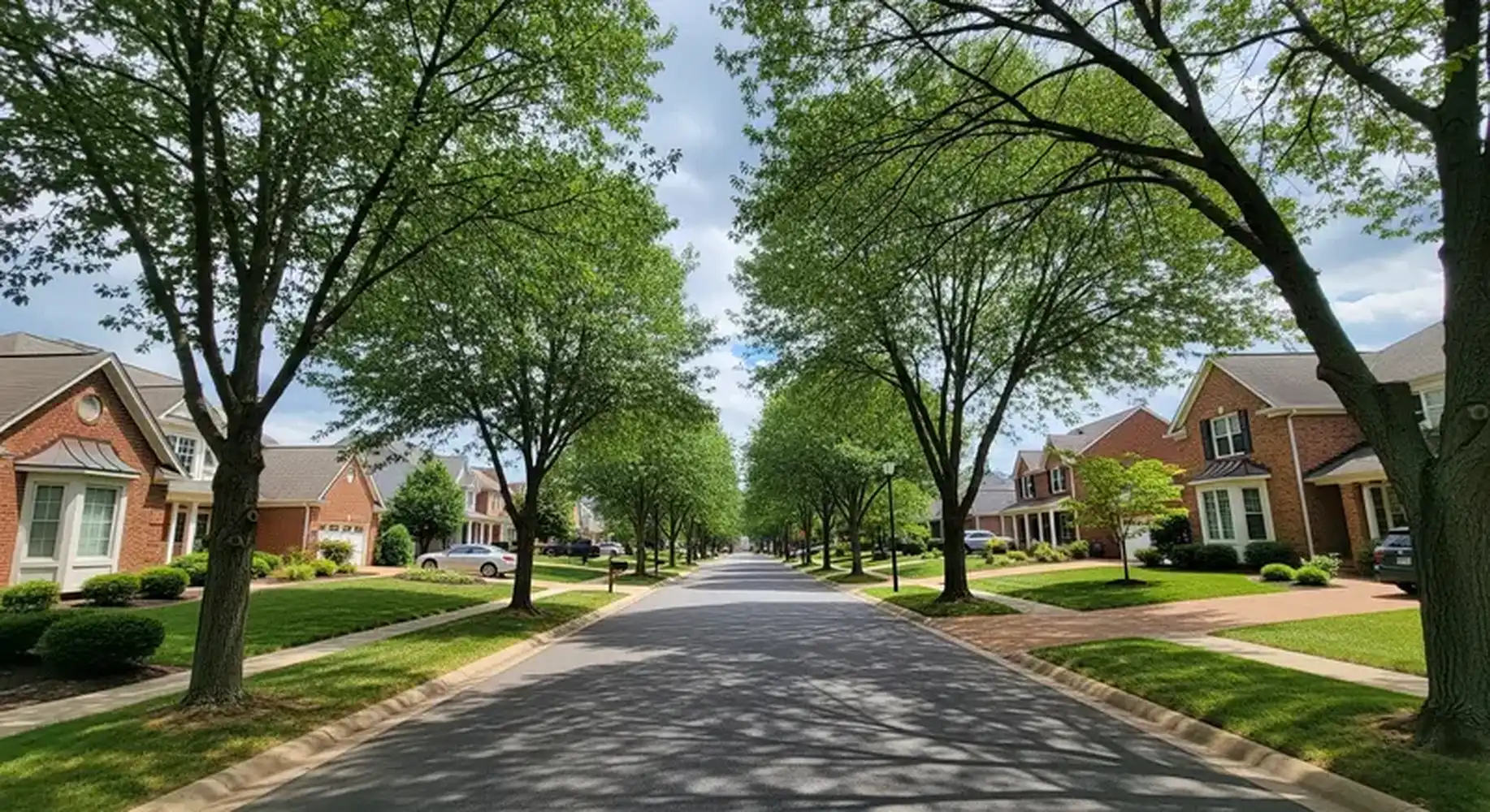
When water pushes through a basement wall or smoke settles into every room of a lakeside home, the first hour matters more than most homeowners realize. Professional restoration turns a chaotic situation into a managed process - documented, dried, cleaned and rebuilt by IICRC-certified specialists who work in Lake of the Woods every week.
Around-the-clock response covers the full range of property emergencies faced by residents of this gated Orange County community:
- Water damage restoration - burst supply lines, failed water heaters, roof leaks and appliance overflows extracted and dried with commercial equipment.
- Flooded basement recovery - sump pump failures, hydrostatic seepage and storm runoff removed before framing and finishes are lost.
- Sewage cleanup - septic backups and drain line failures handled as Category 3 contamination with full disinfection.
- Fire damage restoration - structural stabilization, debris removal, soot cleaning and reconstruction after kitchen, chimney or electrical fires.
- Smoke damage restoration - odor neutralization, HVAC cleaning and surface treatment for homes touched by smoke without direct flame.
- Mold removal - containment, HEPA filtration and safe removal of colonized materials in crawl spaces, baths and basements.
The benefit is straightforward: less demolition, lower loss of contents, cleaner insurance documentation and a home that feels normal again.
Common Damage Restoration Issues in Lake of the Woods, Virginia
Life beside a 550-acre main lake and a smaller fishing lake brings a set of property risks that differ from inland Fredericksburg or Culpeper neighborhoods. Elevated humidity, mature tree canopy and clay-heavy soils all push moisture toward homes.
Frequent Causes of Loss
- Sump pump failures during Rapidan River basin storm events and spring runoff
- Frozen and burst pipes in crawl spaces, garages and seasonal or second homes left unheated
- Septic system saturation and backups when saturated clay soil prevents drain field absorption
- Roof and gutter overflow from oak, pine and poplar debris directing water against foundations
- Chimney and wood stove fires during long heating seasons
- Kitchen grease fires that leave heavy protein smoke residue throughout open floor plans
- Hidden mold behind vinyl wallpaper, under LVP flooring and along basement sill plates
Warning Signs Worth Acting On
- A musty odor in the lower level that intensifies after rain or in July humidity
- Cupping, crowning or dark seams in hardwood or laminate flooring
- Efflorescence - white chalky mineral staining - on block or poured foundation walls
- Gurgling drains or slow toilets, often the first hint of septic distress
- Soot filming on window glass, lampshades or return air vents after any fire event
- Unexplained allergy symptoms that ease when family members leave the house
Catching these early usually means drying and cleaning rather than tearing out cabinetry, subfloor and drywall.
Neighborhoods We Serve in Lake of the Woods
Crews respond throughout the LOW community and the surrounding Orange, Spotsylvania and Culpeper County corridor.
- Waterfront and lakefront sections along the main lake, including docks, boathouses and walkout basements
- Interior fairway homes bordering the golf course and clubhouse area
- Properties near the Fareways, the Woods Center and the equestrian center
- Homes along Lakeview Parkway, Confederate Circle and the outer ring streets
- Second lake and Keaton's Lake area residences
Service extends beyond the gates to Locust Grove, Wilderness, Flat Run, Unionville, Rhoadesville, Orange, Lake Anna's northern shore and the Route 3 corridor toward Chancellorsville and Fredericksburg. Familiarity with the gate access process, community association requirements and local septic and well systems keeps mobilization fast when a call comes in at 2 a.m.
Seasonal Damage Patterns in Lake of the Woods
Winter (December - February)
- Frozen pipe ruptures in unheated crawl spaces, garages and vacant vacation homes
- Peak fire and smoke damage from fireplaces, wood stoves, space heaters and chimney creosote
- Ice dam leakage at roof eaves after snow followed by freeze-thaw cycles
Spring (March - May)
- Highest volume of flooded basements as snowmelt and heavy rain saturate clay soils
- Septic drain field failures and sewage backups during prolonged wet stretches
- First mold growth appears in areas that stayed damp through winter
Summer (June - August)
- Mold removal calls peak with dew points in the 70s and heavy air conditioning condensation
- Thunderstorm and remnant tropical system flooding, plus lightning-related electrical fires
- Power outages disable sump pumps at exactly the wrong moment
Fall (September - November)
- Clogged gutters from oak and pine debris redirect water into foundations
- Hurricane remnants track up the Rapidan and Rappahannock basins
- Heating system startup produces puff-back soot and smoke odor complaints
Housing Characteristics & Restoration Considerations
Lake of the Woods developed largely from the late 1960s onward, producing a housing stock that spans five decades of construction methods. That variety shapes every restoration plan.
Common Construction Types
- 1970s and 1980s ranches and split-levels - block foundations, original galvanized or early copper plumbing, and limited crawl space vapor barriers
- 1990s and 2000s two-story colonials - poured walkout basements, finished lower levels and higher-value contents at risk during flooding
- Recent custom lakefront builds - open floor plans that allow smoke and odor to travel freely, plus engineered flooring sensitive to moisture
- Cottages and converted weekend homes - intermittent occupancy, meaning leaks run undetected for days or weeks
How That Affects Restoration Work
- Older block foundations wick moisture laterally, so drying plans include cavity ventilation and wall-base drilling rather than surface air movement alone.
- Finished basements with carpet pad, drywall and built-ins require controlled removal at flood cut lines to save what can be salvaged.
- Homes on private septic need sewage cleanup coordinated with pumping and drain field evaluation, not just interior sanitizing.
- Knob-and-tube-era wiring is rare here, but aluminum branch wiring in some late-1970s homes influences fire cause analysis and rebuild scope.
- Cathedral ceilings and open lofts demand whole-structure smoke deodorization plus HVAC duct cleaning.
- Crawl space homes benefit from encapsulation and dehumidification as part of mold removal, preventing repeat growth.
Environmental Conditions & Damage Implications
The Piedmont climate around Locust Grove combines roughly 44 inches of annual rainfall with hot, humid summers and a freeze-thaw winter - conditions that accelerate nearly every category of property damage.
Soil and Groundwater
- Red clay and clay loam soils drain slowly, holding water against foundation walls after storms
- Seasonal high water tables near the lakes increase hydrostatic pressure on basement slabs and cove joints
- Clay shrink-swell cycles open hairline foundation cracks that become seepage paths
- Saturated soils reduce septic drain field capacity, raising backup risk
Air and Humidity
- Summer relative humidity regularly exceeds 70 percent, keeping indoor materials above the moisture threshold mold needs
- Heavy tree cover shades roofs and siding, slowing evaporation and encouraging surface growth
- Pollen and organic dust settle in ductwork, feeding mold colonies and worsening smoke odor retention
- Wood smoke from fireplaces contributes fine particulate that clings to textiles and painted surfaces
Water Quality Factors
- Community and well water systems can leave mineral scale that stresses supply lines and water heaters
- Lake proximity means storm surge and wind-driven rain reach docks, boathouses and lower-level entries
Restoration plans account for these realities by combining aggressive dehumidification, antimicrobial application, moisture mapping and long-term prevention recommendations such as grading corrections, downspout extensions and battery backup sump pumps.
From Emergency Call to Final Walkthrough: What Restoration Looks Like at Lake of the Woods
Property emergencies here rarely happen at a convenient hour, and the gated setting adds a wrinkle - crews need to reach the front gate, verify access and get equipment on site fast. A structured, start-to-finish process removes that uncertainty.
The Full Sequence
- Emergency dispatch - a live call, gate access coordinated, and a truck routed from the Route 3 corridor.
- Safety and source control - electrical hazards addressed, water shut off, structural risks flagged after fire events.
- Inspection and moisture mapping - thermal imaging and penetrating meters locate water behind walls, under LVP and inside crawl spaces.
- Extraction and debris removal - truck-mounted extraction for standing water, controlled demolition of unsalvageable materials, sewage handled as contaminated waste.
- Cleaning and decontamination - antimicrobial treatment, HEPA vacuuming, soot removal by residue type, ultrasonic contents cleaning where appropriate.
- Structural drying - air movers and LGR dehumidifiers running with daily moisture readings until materials hit dry standard.
- Odor neutralization - thermal fogging, hydroxyl or ozone treatment and duct cleaning for smoke damage.
- Mold containment and clearance - negative air, sealed work areas and third-party testing when needed.
- Reconstruction - drywall, trim, flooring, paint and cabinetry returning the space to pre-loss condition.
- Documentation and walkthrough - photo logs, moisture records and itemized scope submitted directly to the insurance carrier.
Why One Team Start to Finish Matters
- No gap between mitigation and rebuild where mold can take hold
- A single point of contact for adjusters, association requirements and contractors
- Consistent documentation that supports the claim from first photo to final invoice
- Prevention guidance built into the rebuild - better drainage, backup pumps, crawl space encapsulation
Homeowners across LOW, Locust Grove and the Wilderness area reach certified technicians any hour at (844) 725-6298.





