
Damage Restoration in Okmulgee, OK
- Damage Restoration Services Overview
- Common Damage Restoration Issues in Okmulgee, Oklahoma
- Neighborhoods We Serve in Okmulgee
- Seasonal Damage Patterns in Okmulgee
- Seasonal Damage Patterns in Okmulgee
- Housing Characteristics & Restoration Considerations
- Environmental Conditions & Damage Implications
- Storm-Driven Losses: What to Do in the First 24 Hours in Okmulgee
Damage Restoration Services Overview
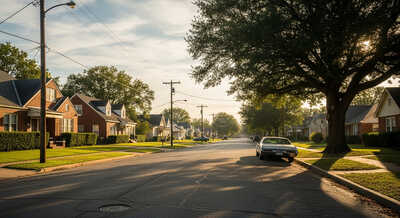
A spring storm rolls across Okmulgee County after midnight. By sunrise, wind-driven rain has found a lifted shingle, water is tracking down an interior wall, and the basement stairs are standing in three inches of murky water.
That single event can trigger several restoration needs at once - structural drying, contaminated water cleanup, and mold prevention within days.
Okmulgee homeowners and business owners rely on a full range of restoration work:
- Water Damage Restoration - extraction, structural drying, moisture mapping, and repair of saturated framing, drywall, and flooring
- Flooded Basement Cleanup - pumping standing water, drying below-grade walls, and addressing the entry point that let water in
- Sewage Cleanup - removal of Category 3 black water, disinfection, and safe disposal of porous materials
- Fire Damage Restoration - board-up, debris removal, soot cleanup, and rebuilding of charred structural elements
- Smoke Damage Restoration - odor neutralization, HVAC cleaning, and treatment of surfaces holding acidic residue
- Mold Removal - containment, HEPA filtration, antimicrobial treatment, and removal of colonized materials
The benefit of handling these under one roof is speed. Soaked materials can begin growing mold within 24 to 48 hours, so extraction, drying, and documentation need to move together - not in separate stages weeks apart.
Common Damage Restoration Issues in Okmulgee, Oklahoma
Okmulgee sits in a corridor shaped by the Dry Line and the broader Tornado Alley pattern. Hail, straight-line winds, and heavy convective rainfall are regular visitors, and they drive most of the property loss calls in the area.
Local Causes of Damage
- Hail-punctured or wind-lifted roofing that allows rain into attics and wall cavities
- Flash flooding along Deep Fork River drainages and low-lying county roads
- Municipal sewer surcharge during heavy rain, pushing waste back through floor drains
- Older cast iron and clay lateral lines cracking under shifting clay soils
- Frozen and burst supply lines during January and February cold snaps
- Lightning strikes and electrical fires during severe thunderstorm outbreaks
- Space heater and wood stove fires in older homes without updated wiring
Warning Signs Worth Acting On
- Ceiling stains that darken or spread after each rain event
- A musty smell in a crawlspace, closet, or basement that never fully clears
- Cupping or buckling hardwood, or vinyl plank that lifts at the seams
- Gurgling drains or slow toilets that signal a compromised sewer line
- Persistent smoke odor that returns when the HVAC system cycles on
- Efflorescence, chalky white residue, or blistering paint on foundation walls
- Visible mold at baseboards, behind furniture, or around window frames
Damage rarely stays isolated. A roof breach becomes a mold problem, and a sewer backup becomes a subfloor replacement if drying is delayed.
Neighborhoods We Serve in Okmulgee
Coverage extends across the City of Okmulgee and throughout Okmulgee County, including outlying rural properties on well and septic systems.
- Downtown Okmulgee and the historic district near the Creek Council House
- Neighborhoods surrounding Okmulgee Lake and Dripping Springs
- Residential areas near OSU Institute of Technology
- North Okmulgee and the corridors along US-75 and OK-56
- Morris, Beggs, Henryetta, Dewar, and Preston
- Schulter, Hoffman, Grayson, and Okmulgee County rural routes
- Surrounding communities in Creek, McIntosh, and Muskogee counties
Rural calls often involve septic-related sewage cleanup and well water contamination after flooding, while in-town properties more frequently deal with municipal sewer backups and basement seepage. Response crews are staged to reach both, including after-hours emergency tarping following hail and tornado events.
Seasonal Damage Patterns in Okmulgee
Seasonal Damage Patterns in Okmulgee
Restoration demand in Okmulgee follows a predictable weather rhythm. Knowing the pattern helps homeowners prepare before the calls stack up.
- March through June - peak severe weather. Hail, tornadoes, and torrential rain drive roof leaks, flooded basements, and emergency tarping requests. Sewer backups spike during sustained downpours.
- June through August - heat and humidity accelerate mold growth in attics, crawlspaces, and any space that stayed damp after spring storms. Air conditioning condensate line clogs cause hidden ceiling and closet water damage.
- September through October - secondary storm season brings another round of wind and hail. This is also when unresolved summer moisture surfaces as visible mold.
- November through December - heating season begins. Furnace startups, fireplaces, and holiday cooking increase fire and smoke damage calls.
- January through February - hard freezes burst supply lines in unheated crawlspaces, garages, and vacant properties. Thawing produces sudden, high-volume water losses.
Late winter into early spring is the smart window for preventive work - sealing foundation cracks, checking sump pumps, and inspecting the roof before hail season returns.
Housing Characteristics & Restoration Considerations
Okmulgee's housing stock skews older than the national average, with a large share of homes built between the 1920s and 1970s during the oil and glass manufacturing eras. That age shapes nearly every restoration decision.
Common Construction Types
- Early-century wood frame homes with plaster-and-lath walls and original hardwood over plank subfloors
- Post-war ranch homes on shallow crawlspaces or slab-on-grade foundations
- Brick veneer homes with concrete block or poured foundations and partial basements
- Rural manufactured and modular homes with skirted underbellies vulnerable to flood intrusion
- Downtown commercial buildings with masonry walls, flat or low-slope roofs, and basement levels
How Age Affects the Work
- Plaster and lath hold moisture far longer than modern drywall and often need targeted drying rather than immediate removal
- Homes built before 1980 may contain asbestos-bearing flooring, mastic, or insulation requiring careful handling during demolition
- Original knob-and-tube or aluminum wiring raises fire risk and complicates post-loss electrical clearance
- Cast iron and clay sewer laterals in older neighborhoods crack and root-intrude, leading to repeat sewage backups
- Crawlspaces without vapor barriers trap humidity and become recurring mold sources
- Older brick chimneys and unlined flues contribute to smoke intrusion and chimney fires
Restoration in these homes means balancing preservation of original materials against contamination limits - especially after sewage or fire events where porous materials cannot be salvaged.
Environmental Conditions & Damage Implications
Okmulgee's environment works against drying and in favor of microbial growth for much of the year. Understanding the local conditions explains why aggressive drying matters here.
Climate and Humidity
- Humid subtropical climate with summer dew points that regularly sit in the uncomfortable range
- Annual rainfall well above the national average, concentrated in spring and fall
- Wide temperature swings that drive condensation inside wall cavities and attics
- High indoor humidity that stalls evaporation unless dehumidification is properly sized
Soil and Drainage
- Expansive clay soils that swell when wet and shrink in drought, cracking foundations and basement walls
- Slow-percolating soil that holds water against footings after heavy rain
- Low-lying parcels near Deep Fork River tributaries prone to flash flooding
- Poor grading around older homes that channels roof runoff toward the foundation
Air and Water Quality Factors
- Regional pollen and dust that combine with fire soot to worsen indoor air quality after a loss
- Rural well systems at risk of contamination when floodwater reaches the wellhead
- Septic systems that surcharge in saturated clay, creating sewage exposure in yards and crawlspaces
- Wildfire and grass fire smoke during dry, windy stretches that infiltrates through HVAC intakes
These conditions mean containment, HEPA filtration, and antimicrobial treatment are not optional add-ons in Okmulgee - they are part of doing the job correctly.
Storm-Driven Losses: What to Do in the First 24 Hours in Okmulgee
Hail and high wind rarely cause only roof damage. Once the envelope is breached, water follows - and the clock on mold starts immediately.
Immediate Safety Steps
- Cut power to wet areas. If the breaker panel is in a dry, safe location, shut off power to flooded rooms. Never stand in water to reach a panel.
- Stop the source if it is safe. Close the main water shutoff for a failed pipe or appliance. Leave roof and window coverings to crews with proper equipment.
- Stay clear of damaged structures. Sagging ceilings, compromised framing, and water near electrical panels are not worth the risk. People first, property second.
- Document before cleanup begins. Photograph and video every room, including 360-degree coverage, before moving contents or discarding anything.
- Call for emergency response. Tarping, board-up, and extraction started early dramatically reduce the scope of rebuild work.
What Restoration Looks Like After the Storm
- Emergency mitigation - tarping damaged roof sections, boarding openings, and pumping standing water from basements
- Moisture mapping - thermal imaging and meters locate water inside wall cavities, under flooring, and above ceilings
- Controlled drying - air movers and dehumidifiers sized to the space, monitored daily until materials reach dry standard
- Cleaning and sanitizing - antimicrobial application, HEPA filtration, and removal of unsalvageable porous materials where contamination requires it
- Soot and odor treatment - for losses involving fire or lightning strikes, including HVAC cleaning and thermal fogging
- Documentation and rebuild - detailed loss records shared directly with your insurance carrier, followed by reconstruction
Working with a crew that handles both the mitigation and the insurance documentation keeps the process moving and reduces the gap between drying and rebuild - the gap where mold usually takes hold.





