
Damage Restoration in Osceola, AR
- Damage Restoration Services Overview
- Common Damage Restoration Issues in Osceola, Arkansas
- Neighborhoods We Serve in Osceola
- Seasonal Damage Patterns in Osceola
- Seasonal Damage Patterns in Osceola
- Housing Characteristics & Restoration Considerations
- Environmental Conditions & Damage Implications
- Flood Zones, Levees, and Sewer Backups Along the Mississippi River
Damage Restoration Services Overview
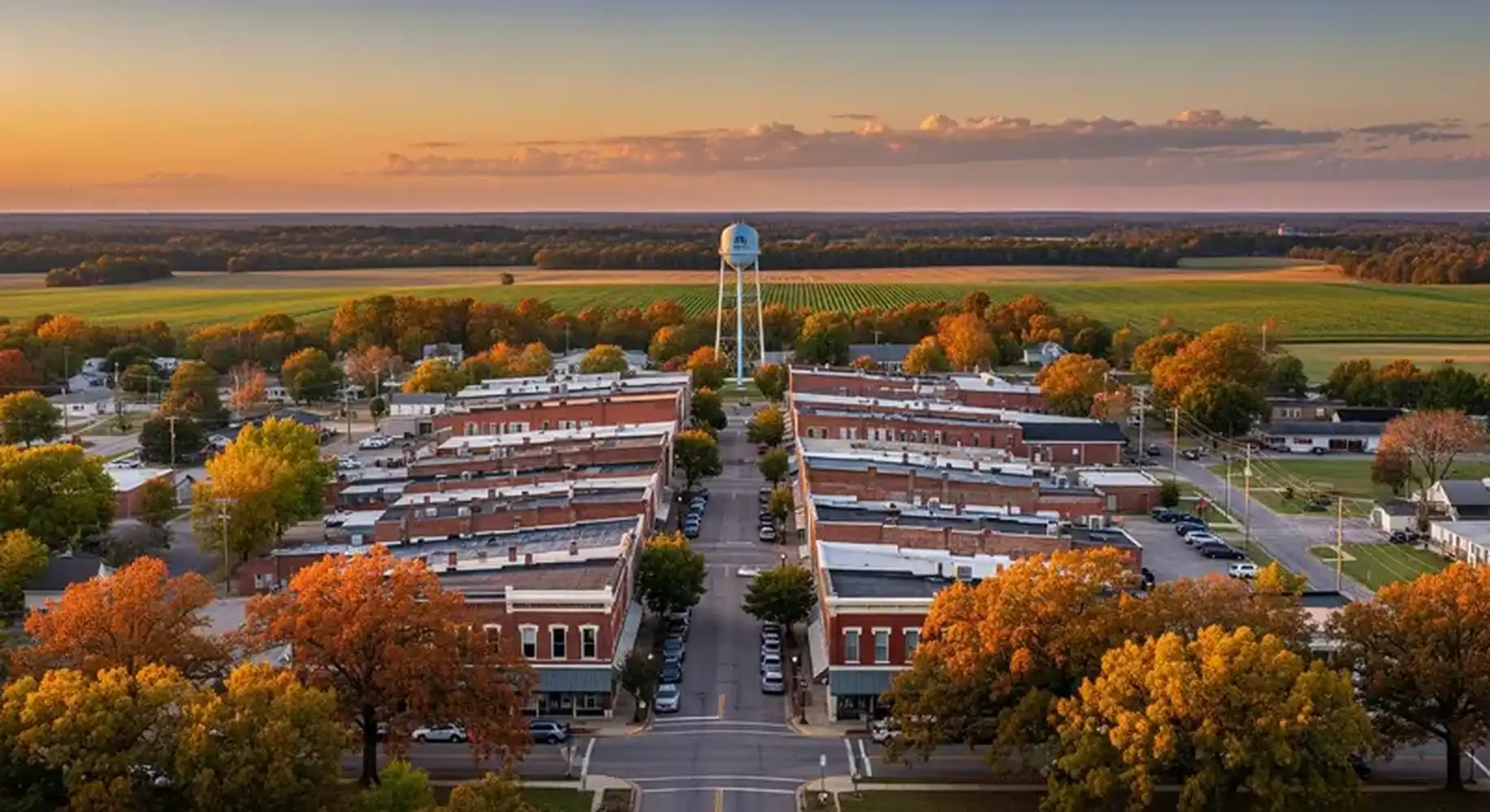
When water pours through a ceiling or smoke settles into every room, having trained restoration professionals on the way changes everything. Osceola homeowners and business owners get a clear plan, proper equipment, and a path back to normal instead of guesswork.
Our restoration work covers the full range of property emergencies that hit Mississippi County properties:
- Water Damage Restoration - extraction, structural drying, and moisture mapping after pipe breaks, appliance failures, and roof leaks
- Flooded Basement - pump-outs, sump system evaluation, and drying of below-grade spaces where Delta groundwater pushes in
- Sewage Cleanup - removal of contaminated material, disinfection, and safe disposal after backups and septic overflows
- Fire Damage Restoration - debris removal, board-up, structural cleaning, and content recovery
- Smoke Damage Restoration - soot removal from walls and HVAC systems plus deodorization of fabrics and porous surfaces
- Mold Removal - containment, removal of affected materials, and treatment of surrounding surfaces
Benefits Osceola residents see from professional handling include:
- Faster drying that limits secondary damage to framing, subfloor, and drywall
- Documentation that supports insurance claims
- Reduced risk of hidden mold behind baseboards and inside wall cavities
- One coordinated crew from cleanup through reconstruction
Common Damage Restoration Issues in Osceola, Arkansas
Osceola sits in the Arkansas Delta, close to the Mississippi River, with flat terrain, heavy clay-and-silt soils, and a high water table. Those conditions shape the damage we see most.
Local Causes We Respond To
- Slow-draining yards that hold rainwater against foundations after Delta downpours
- Storm and tornado activity during spring, tearing shingles loose and opening roofs to water intrusion
- Aging cast iron and clay sewer lines in older parts of town, prone to root intrusion and backups
- Frozen or burst supply lines during January cold snaps in crawl spaces and unheated utility rooms
- Space heaters, fryers, and electrical faults that trigger kitchen and garage fires
- High summer humidity feeding mold behind vinyl wallpaper, under carpet pad, and in closets
Warning Signs Worth Acting On
- Musty smell that returns when the air conditioner runs
- Baseboards that feel soft or show a dark line near the floor
- Gurgling drains or a floor drain that backs up when the washer empties
- Cupping hardwood or bubbling vinyl plank
- Soot film reappearing on walls weeks after a small fire
- Condensation on ductwork or standing water in a crawl space
Acting within the first day or two after water intrusion keeps a drying job from becoming a demolition job.
Neighborhoods We Serve in Osceola
Crews respond throughout Osceola and the surrounding Mississippi County communities, from riverside properties to newer subdivisions on the west side of town.
- Downtown Osceola and the historic Hale Avenue corridor
- Neighborhoods near Osceola High School and the city park district
- Residential streets off Keiser Avenue and West Semmes Avenue
- Homes along Highway 61 and the Highway 140 corridor
- Rural properties toward the Mississippi River levee and Sans Souci area
- Industrial and commercial sites near the steel mill corridor and Port of Osceola
We also serve nearby communities including Luxora, Keiser, Wilson, Victoria, Joiner, Bassett, Blytheville, Dyess, and Burdette. Whether the call comes from a century-old downtown building or a slab-on-grade home built in the last two decades, the response starts with an on-site inspection and moisture reading.
Seasonal Damage Patterns in Osceola
Seasonal Damage Patterns in Osceola
Damage in northeast Arkansas follows a fairly predictable rhythm through the year.
- December through February - Freeze-thaw cycles burst pipes in crawl spaces, garages, and vacant buildings. Heating equipment, fireplaces, and space heaters push fire and smoke damage calls to their annual peak.
- March through May - Severe thunderstorms, hail, and tornado risk bring wind-driven rain, roof leaks, and flooded basements. Saturated ground and rising creeks overload sewer laterals, producing backups.
- June through August - Heat and humidity above 80 percent create ideal mold conditions. Air conditioner condensate line clogs, water heater failures, and washing machine hose ruptures are frequent triggers. Lightning strikes cause attic fires.
- September through November - Remnants of Gulf tropical systems drop heavy rain on already flat drainage. Leaf-clogged gutters send water down foundation walls, and the first furnace startup releases smoke odors from dusty systems.
Seasonal habits that reduce risk:
- Insulate exposed pipes before the first hard freeze
- Test sump pumps and backup batteries every spring
- Clear gutters and extend downspouts away from the slab in fall
- Service HVAC and flush condensate lines before summer
Housing Characteristics & Restoration Considerations
Osceola's housing stock blends early-to-mid 20th century homes near the historic core with post-1970s ranch construction and newer builds tied to the region's steel industry growth.
Construction Types and What They Mean
- Pre-1950 wood-frame homes - plaster walls, shiplap sheathing, and pier-and-beam crawl spaces that trap moisture and hide water damage until floors sag
- 1960s-1980s ranch homes - slab-on-grade with carpet over concrete, where wicking moisture shows up as odor and pad staining before anything else
- Modern subdivisions - engineered joists and OSB that lose strength quickly when saturated, requiring fast structural drying
- Manufactured and modular housing - common in surrounding rural areas, with belly wrap that holds water and demands specialized drying access
- Older commercial buildings downtown - masonry walls, flat roofs, and shared party walls that spread smoke and water between units
Restoration Implications
- Full basements are less common here than crawl spaces, so crawl space flooding and encapsulation repair are frequent needs
- Homes built before the late 1970s may contain asbestos-bearing floor tile or lead paint, requiring careful handling during fire and water demolition
- Cellulose and older fiberglass insulation must come out after sewage contact rather than being dried in place
- Plaster and lath dry far slower than drywall, calling for extended dehumidification
- Ductwork in crawl spaces collects soot and mold spores and often needs cleaning after any smoke or humidity event
Environmental Conditions & Damage Implications
The Delta environment around Osceola directly influences how quickly damage spreads and how drying has to be handled.
Climate
- Humid subtropical pattern with long, hot summers and average annual rainfall near 50 inches
- Relative humidity often stays high overnight, slowing natural evaporation and requiring mechanical dehumidification
- Winter cold snaps arrive suddenly, catching uninsulated plumbing off guard
Soil and Groundwater
- Rich alluvial silt and clay soils drain slowly and hold water against foundations
- Flat topography near the Mississippi River means little natural runoff and a shallow water table
- Clay expansion and contraction stresses slabs and foundation walls, opening cracks that let water in
- Agricultural runoff and field drainage can carry contaminants into standing floodwater
Air and Water Quality Factors
- Seasonal pollen, farm dust, and field burning smoke already load indoor air, so soot and mold spores compound respiratory irritation
- Floodwater from the river or backed-up sewer lines is treated as contaminated Category 3 water and handled with containment, protective equipment, and antimicrobial treatment
- Hard water in some area supply lines accelerates water heater and appliance failure
Because ambient humidity works against drying for much of the year, our crews rely on sealed containment, low-grain refrigerant dehumidifiers, and daily moisture readings rather than open windows and fans.
Flood Zones, Levees, and Sewer Backups Along the Mississippi River
Osceola's relationship with the Mississippi River defines much of its flood risk. Levees and pumping stations protect the community, but backwater flooding, drainage ditch overflow, and saturated soils still put water where it doesn't belong.
What Makes River-Area Properties Different
- Elevated groundwater keeps hydrostatic pressure on foundation walls and crawl space vapor barriers
- Ditch and bayou backups push water toward low-lying yards during prolonged rain
- Municipal sewer systems can surcharge during high-flow events, sending waste back through floor drains and tubs
- Rural septic systems in surrounding county areas fail to drain when the field is saturated
How We Handle Contaminated Water Events
- Safety assessment - electrical shutoff, structural check, and identification of the water category
- Containment - plastic barriers and negative air machines to keep spores and bacteria from spreading into clean areas
- Extraction and removal - pumping standing water, then removing saturated carpet, pad, insulation, and affected drywall
- Cleaning and disinfection - antimicrobial application to framing, subfloor, and hard surfaces
- Structural drying - air movers and dehumidifiers set to the specific load, with moisture logged until materials reach dry standard
- Reconstruction - drywall, flooring, trim, and paint to return the space to pre-loss condition
Prevention Steps for Osceola Property Owners
- Install a backwater valve on the main sewer line
- Add water leak detectors near water heaters, laundry areas, and crawl space access
- Keep a battery backup on any sump pump
- Grade soil away from the foundation and keep drainage ditches clear
- Photograph belongings and store insurance documents digitally before storm season
Whether the call involves river-driven flooding, a sewage backup, mold behind a bathroom wall, or fire and smoke cleanup, the same principle applies in Osceola: contain it, dry it thoroughly, and rebuild once the moisture readings prove the structure is ready.





