
Damage Restoration in Blanchard, OK
- Damage Restoration Services Overview
- Common Damage Restoration Issues in Blanchard, Oklahoma
- Neighborhoods We Serve in Blanchard
- Seasonal Damage Patterns in Blanchard
- Housing Characteristics & Restoration Considerations
- Environmental Conditions & Damage Implications
- Storm Damage Response and Insurance Claims in McClain County
Damage Restoration Services Overview
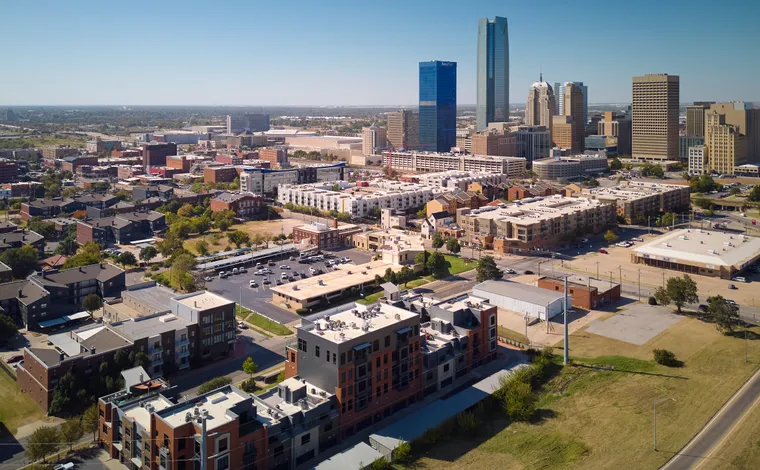
Blanchard sits in the heart of McClain County, where spring supercell storms, hail-heavy squall lines, and clay-rich soil combine to create restoration challenges you simply don't see in other parts of the country. A single evening of straight-line winds can strip shingles, drive rain into attics, and leave homes across town needing help before sunrise.
Restoration work here spans a wide range of emergencies, and most properties eventually need more than one type of service:
- Water Damage Restoration - extraction, structural drying, and moisture mapping after roof leaks, burst supply lines, or storm intrusion
- Flooded Basement - pumping, dehumidification, and treatment of below-grade spaces and storm shelters that collect groundwater
- Sewage Cleanup - safe removal of contaminated material from septic backups and overwhelmed drain lines
- Fire Damage Restoration - board-up, debris removal, structural cleaning, and rebuilding after kitchen, electrical, or grass fires
- Smoke Damage Restoration - soot removal, odor neutralization, and HVAC decontamination
- Mold Removal - containment, remediation, and moisture-source correction in humid Oklahoma conditions
Several Oklahoma-based restoration companies maintain 24/7 emergency response for Blanchard, with IICRC-certified crews often stationed within a short drive. Fast response matters here - warm, humid air lets mold colonize damp drywall within days, and soot becomes acidic and corrosive quickly on metal and glass surfaces.
Common Damage Restoration Issues in Blanchard, Oklahoma
Blanchard's position along the I-44 corridor of Tornado Alley means severe weather drives the majority of restoration calls, though plumbing failures and septic issues stay steady year-round.
Leading Causes of Property Damage
- Hail and wind-damaged roofing - punctured shingles and lifted flashing allow rain into attics and wall cavities
- Flash flooding - heavy rainfall runs off compacted clay soil rather than absorbing, pooling around foundations
- Frozen and burst pipes - uninsulated lines in crawl spaces and exterior walls fail during hard freezes and ice storms
- Septic system backups - many rural Blanchard properties rely on septic, and saturated drain fields push waste back indoors
- Kitchen and electrical fires - older wiring and space heater use during winter increase risk
- Grass and pasture fires - dry, windy periods threaten outbuildings and homes on acreage
Warning Signs Worth Acting On
- Musty or earthy odors in closets, under sinks, or near baseboards
- Ceiling stains that darken or expand after rainfall
- Cupping or buckling in wood and laminate flooring
- Peeling paint, bubbling drywall tape, or soft trim
- Gurgling drains or slow toilets - often the first hint of a septic problem
- Persistent smoke odor that returns when the HVAC runs or humidity rises
- Increased allergy or respiratory symptoms indoors
Damage rarely stays contained. A modest roof leak can travel down a wall cavity, wick into insulation, and produce mold growth two rooms away from the original entry point.
Neighborhoods We Serve in Blanchard
Restoration crews cover the full spread of Blanchard's city limits and the surrounding rural stretches of McClain and Grady counties.
- Downtown Blanchard and the historic core near Main Street
- Established residential blocks surrounding Blanchard Public Schools
- Newer subdivisions and additions along Highway 76 and Highway 62
- Acreage properties and country homes north toward Tuttle
- Rural tracts south and east toward Dibble and Newcastle
- Homes near the Criner Hills and Middle Washita drainage areas
- Surrounding communities including Amber, Bridge Creek, Goldsby, Norman, and Purcell
Response times stay short across this footprint, which matters most for sewage cleanup and active water losses where every hour of standing moisture raises the risk of secondary damage. Crews are equipped for both in-town city-sewer homes and rural septic properties on well water.
Seasonal Damage Patterns in Blanchard
Damage types shift predictably through the Oklahoma calendar, and knowing the pattern helps homeowners prepare.
- March through June - peak storm season. Hail, tornado-force winds, and torrential rain drive the highest volume of water damage restoration and flooded basement calls. Roof breaches are the dominant entry point.
- June through September - heat and humidity. Mold removal requests climb as air conditioning condensate lines clog, humidity stays high, and any lingering moisture from spring storms starts producing growth.
- Late summer - drought and fire risk. Dry pasture and high winds raise grass fire danger, leading to fire damage restoration and smoke damage restoration on outbuildings and homes on acreage.
- September through November - second severe weather peak. Fall storms return with heavy rain, saturating drain fields and triggering septic-related sewage cleanup.
- December through February - freeze events. Burst pipes, ice-loaded roofs, and heating equipment fires spike. Space heaters, fireplaces, and overloaded circuits account for much of the winter fire and smoke damage.
Mold is the one constant - it follows every water event by roughly 24 to 72 hours if drying isn't handled properly.
Housing Characteristics & Restoration Considerations
Blanchard's housing stock mixes decades-old farmhouses with rapid newer construction as the town absorbs growth from the Oklahoma City metro. That variety shapes how each restoration job is approached.
Common Construction Types
- Slab-on-grade homes - the dominant style; water spreads laterally across the slab and wicks up into drywall and baseboards
- Pier-and-beam and crawl space homes - older properties where plumbing leaks and ground moisture feed hidden mold under floors
- Homes with storm shelters and below-grade rooms - true full basements are uncommon, but shelters, cellars, and sunken spaces flood readily and require dedicated pumping
- Manufactured and modular housing - common on rural acreage; pressed-wood subfloors and belly wrap trap water and complicate drying
- New-build subdivisions - tight envelopes with limited natural ventilation, which concentrates smoke odor and holds humidity
How Age Affects the Work
- Pre-1980 homes may contain asbestos-bearing materials or lead paint, requiring testing before demolition
- Older galvanized or polybutylene supply lines fail without warning and often flood multiple rooms
- Original wiring in mid-century homes raises electrical fire risk and complicates post-fire rebuilds
- Rural septic systems demand extra precautions during sewage cleanup, including drain field evaluation
- Attic insulation that gets wet loses R-value permanently and usually needs full replacement
Documenting construction type early helps with insurance claims, especially after hail events where roof, interior water, and contents damage all appear in one loss.
Environmental Conditions & Damage Implications
The physical environment around Blanchard actively works against drying and in favor of mold growth.
Climate and Air
- Humid subtropical conditions with summer dew points that regularly exceed comfortable indoor drying thresholds
- Wide temperature swings that cause condensation inside wall cavities and on ductwork
- High spring pollen and agricultural dust that combine with smoke residue to worsen indoor air quality after a fire
- Strong prevailing south winds that push wildfire smoke and driving rain against building exteriors
Soil and Water
- Expansive clay soils - shrink in drought and swell after rain, cracking slabs and foundation walls and opening paths for water intrusion
- Poor infiltration - runoff pools at foundations instead of soaking in, saturating perimeter soil
- High seasonal water tables - after prolonged rain, groundwater pushes into storm shelters and crawl spaces
- Hard well water - mineral scale accelerates water heater and supply line failures on rural properties
- Saturated septic drain fields - a direct cause of indoor sewage backups during wet stretches
These conditions mean drying equipment has to work harder here than in arid climates. Restoration crews rely on moisture meters, thermal imaging, and desiccant or refrigerant dehumidification calibrated to Oklahoma humidity rather than generic settings. Skipping that step is how a "dried" wall becomes a mold remediation project six weeks later.
Storm Damage Response and Insurance Claims in McClain County
Blanchard homeowners know the routine - a hail core moves through, and within hours the town fills with adjusters, contractors, and out-of-state crews. Knowing how to handle the first 48 hours protects both your property and your claim.
What to Do Immediately After Storm Damage
- Confirm safety first. Stay away from downed power lines, sagging ceilings, and any standing water near electrical panels.
- Stop the water at its source. Shut off the main supply for plumbing failures, or arrange emergency tarping and board-up for roof breaches.
- Photograph everything before moving it. Wide shots of each room, close-ups of damaged materials, and images of the exterior and roofline.
- Call a certified restoration provider. Emergency mitigation is a separate step from repairs and is generally expected by insurers.
- Notify your insurance carrier. Report the date of loss and the cause, and request the claim number in writing.
- Keep damaged materials and receipts. Adjusters often want to see removed drywall, carpet padding, and soaked contents.
Why Local Certification Matters
- IICRC-certified technicians follow recognized standards for water, fire, smoke, and mold work - documentation insurers accept
- Veteran-owned and locally based firms serving Blanchard can typically reach a property quickly rather than hours later
- Established Oklahoma companies including OKC Restorations, All Dry Services, First Due Water Rescue, Sooner Cleaning & Restoration, and Restore To Before regularly serve this area
- Local crews understand McClain County permitting and the roofing standards required for Oklahoma's climate
Be cautious with storm-chasing contractors who appear the day after a hailstorm. Verify Oklahoma licensing, ask for proof of insurance, and request references from Blanchard-area jobs before signing anything. A reputable provider will document moisture readings daily, explain the drying plan, and coordinate directly with your adjuster from mitigation through reconstruction.





