
Damage Restoration in Timnath, CO
- Damage Restoration Services Overview
- Common Damage Restoration Issues in Timnath, Colorado
- Neighborhoods We Serve in Timnath
- Seasonal Damage Patterns in Timnath
- Housing Characteristics & Restoration Considerations
- Environmental Conditions & Damage Implications
- Poudre River Flood Zone Restoration Expertise
Damage Restoration Services Overview
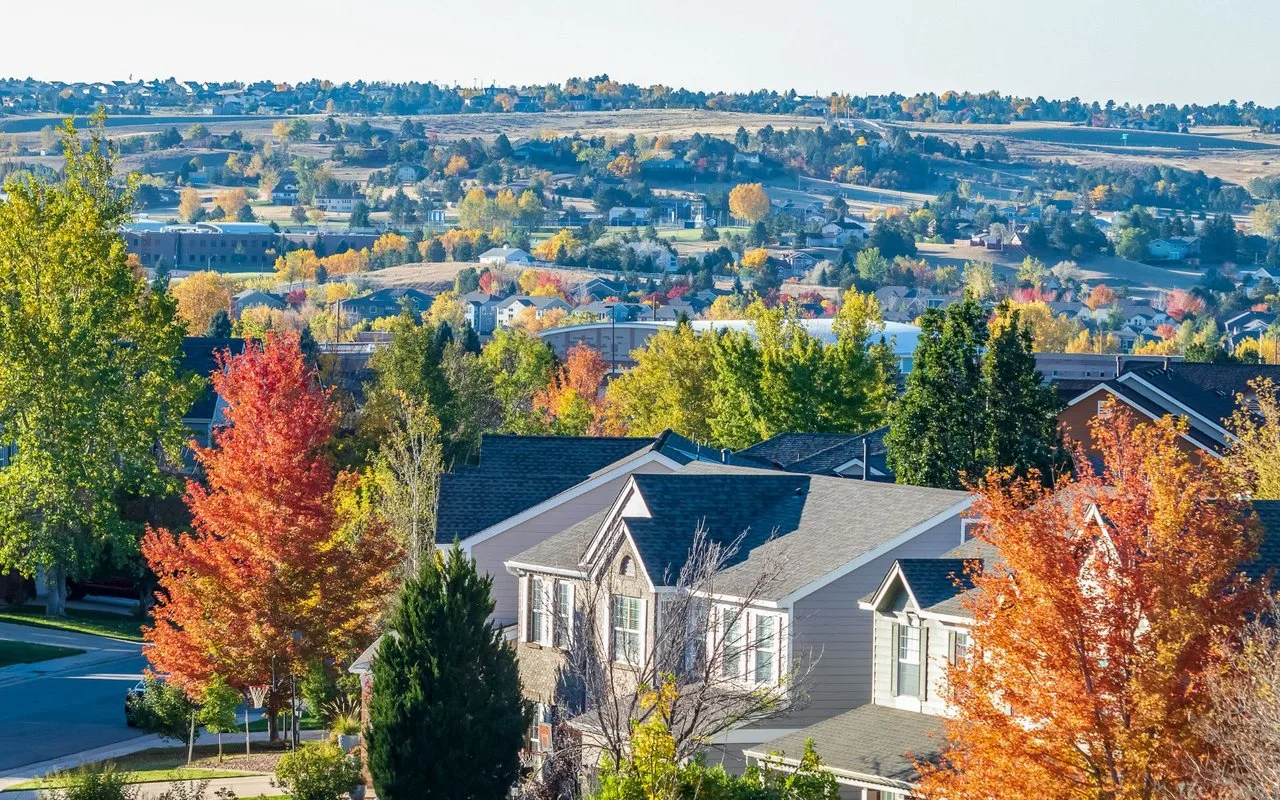
When disaster strikes your Timnath property, professional restoration services provide the peace of mind that comes with expert care and proven solutions. Property damage can happen suddenly, leaving homeowners and businesses facing overwhelming cleanup challenges.
Our comprehensive restoration services address every type of damage emergency in Timnath:
- Water damage restoration for burst pipes, appliance failures, and storm flooding
- Flooded basement cleanup and moisture control systems
- Sewage cleanup with proper sanitization and safety protocols
- Fire damage restoration including structural repairs and content cleaning
- Smoke damage restoration to eliminate odors and residue
- Mold removal with thorough remediation and prevention strategies
IICRC-certified technicians bring industry best practices to every project, combining advanced equipment with local expertise. Our 24/7 emergency response ensures rapid mitigation to prevent secondary damage and reduce overall restoration costs.
Timnath residents benefit from our family-owned approach that prioritizes both technical excellence and genuine care for the community. We handle insurance coordination, provide detailed documentation, and guide property owners through every step of the restoration process.
Common Damage Restoration Issues in Timnath, Colorado
Timnath's location along the Front Range creates specific environmental challenges that frequently lead to property damage. The area's rapid growth and varying soil conditions contribute to foundation settling that can cause plumbing failures and basement flooding.
Spring snowmelt and summer thunderstorms create the most common damage scenarios:
- Basement flooding from overwhelmed drainage systems and foundation seepage
- Water damage from frozen pipes during temperature fluctuations
- Sewage backups when municipal systems become overloaded during heavy rains
- Wildfire smoke infiltration requiring specialized air quality restoration
- Mold growth in humid basements and poorly ventilated crawl spaces
Colorado's dry climate and high altitude create unique fire risks. Electrical issues from aging infrastructure and heating system malfunctions cause residential fires, while nearby wildland fires threaten properties with smoke and ash damage.
Warning signs Timnath residents should monitor include:
- Musty odors indicating hidden moisture or mold growth
- Water stains on basement walls or ceilings
- Persistent smoke smells after cooking or fireplace use
- Unexplained increases in water bills suggesting hidden leaks
- Condensation buildup on windows and walls
Neighborhoods We Serve in Timnath
Our restoration services cover all Timnath neighborhoods, from established residential areas to the rapidly expanding developments throughout the community. We serve homes in Sterling Ranch, Harvest Village, and the historic downtown district near Main Street.
Coverage extends to surrounding areas including:
- Windsor and the Eastman Park developments
- Fort Collins neighborhoods south of Harmony Road
- Severance and rural properties along Highway 257
- Wellington communities and agricultural properties
- Greeley's western residential areas
Our local presence means faster response times to all Timnath locations, whether you're in a new subdivision near the Poudre River or an established property closer to downtown. We understand the unique characteristics of each neighborhood and tailor our restoration approach accordingly.
Seasonal Damage Patterns in Timnath
Timnath's seasonal weather patterns create predictable damage risks that property owners can prepare for with proper planning and maintenance.
Spring brings the highest risk for water-related emergencies:
- March - April: Pipe bursts from freeze-thaw cycles and basement seepage from snowmelt
- May - June: Storm damage and flooding from intense rainfall and hail
Summer months present fire and smoke challenges:
- July - August: Wildfire smoke infiltration and electrical fire risks during peak heat
- September: Continued fire danger with dry conditions and high winds
Fall and winter create different restoration needs:
- October - November: Heating system malfunctions and chimney-related smoke issues
- December - February: Frozen pipe damage and ice dam formation
Year-round mold risks exist in basements and crawl spaces due to temperature variations and moisture from irrigation systems. Sewage backup incidents peak during spring runoff when municipal systems experience the highest demand.
Housing Characteristics & Restoration Considerations
Timnath's housing stock reflects the community's transformation from rural agricultural area to modern suburban development. New construction dominates the market, with most homes built after 2010 using contemporary materials and building codes.
Modern construction features affect restoration approaches:
- Engineered lumber and composite materials require specialized drying techniques
- Open floor plans allow faster smoke and water spread but enable efficient equipment placement
- Improved insulation retains moisture longer, extending drying times
- Advanced HVAC systems can distribute contaminants but also aid in restoration airflow
Basement construction varies significantly across neighborhoods. Newer homes feature properly waterproofed foundations with modern drainage systems, while some older properties may have stone or concrete block foundations more susceptible to water intrusion.
Fire restoration considerations include:
- Synthetic building materials that create toxic smoke requiring specialized cleanup
- Complex electrical systems needing thorough inspection after fire damage
- High-efficiency windows and doors that seal smoke inside structures
Mold remediation benefits from newer homes' better moisture barriers but requires careful attention to hidden spaces behind modern wall systems where moisture can accumulate undetected.
Environmental Conditions & Damage Implications
Timnath's semi-arid climate and Front Range location create specific environmental conditions that influence property damage patterns and restoration requirements. The area receives approximately 15 inches of annual precipitation, with most moisture arriving during spring and early summer storms.
Climate factors affecting restoration include:
- Low humidity levels that accelerate drying but can cause material shrinkage and cracking
- High altitude UV exposure that degrades exterior materials and increases fire risk
- Temperature swings of 40+ degrees that stress building materials and plumbing systems
- Chinook winds that spread wildfire smoke and create rapid moisture changes
Soil composition varies from clay to sandy loam, affecting foundation stability and drainage patterns. Clay soils expand and contract with moisture changes, potentially causing foundation movement that leads to plumbing failures and basement seepage.
Air quality considerations include:
- Seasonal wildfire smoke that infiltrates buildings and requires specialized cleaning
- Agricultural dust that can complicate fire damage cleanup
- Pollen and allergens that affect indoor air quality during restoration
Water quality from municipal sources is generally excellent, but private wells in rural areas may contain minerals that affect restoration equipment and cleaning processes. The Poudre River's proximity influences local humidity levels and can contribute to basement moisture issues in low-lying areas.
Poudre River Flood Zone Restoration Expertise
Timnath's proximity to the Cache la Poudre River creates unique flood risks that require specialized restoration knowledge and rapid response capabilities. Properties near the river corridor face potential flooding during spring runoff and severe storm events, making professional water damage restoration services particularly valuable for local homeowners.
Our extensive experience with Poudre River flood events includes:
- Emergency water extraction using truck-mounted equipment for large-scale flooding
- Contaminated water cleanup when river flooding mixes with agricultural runoff
- Structural drying in homes with crawl spaces and basements affected by groundwater intrusion
- Mold prevention strategies specific to flood-damaged properties
River proximity also affects sewage system capacity during high water events. When municipal systems become overwhelmed, backup incidents require immediate professional cleanup to prevent health hazards and secondary damage.
Flood zone properties benefit from our preventive services:
- Basement waterproofing systems designed for high water table conditions
- Emergency preparedness planning for seasonal flood risks
- Insurance documentation expertise for flood damage claims
- Coordination with local emergency management during widespread events
Our local team understands Timnath's specific flood patterns and maintains relationships with city officials and utility providers. This community knowledge enables faster response times and more effective restoration strategies when river flooding affects local properties. We stock specialized equipment for contaminated water cleanup and maintain 24/7 availability during high-risk weather periods.





