
Damage Restoration in Blackwell, OK
- Damage Restoration Services Overview
- Common Damage Restoration Issues in Blackwell, Oklahoma
- Neighborhoods We Serve in Blackwell
- Seasonal Damage Patterns in Blackwell
- Housing Characteristics & Restoration Considerations
- Environmental Conditions & Damage Implications
- Responding to Flash Flooding and Sewage Backups Along the Chikaskia
Damage Restoration Services Overview
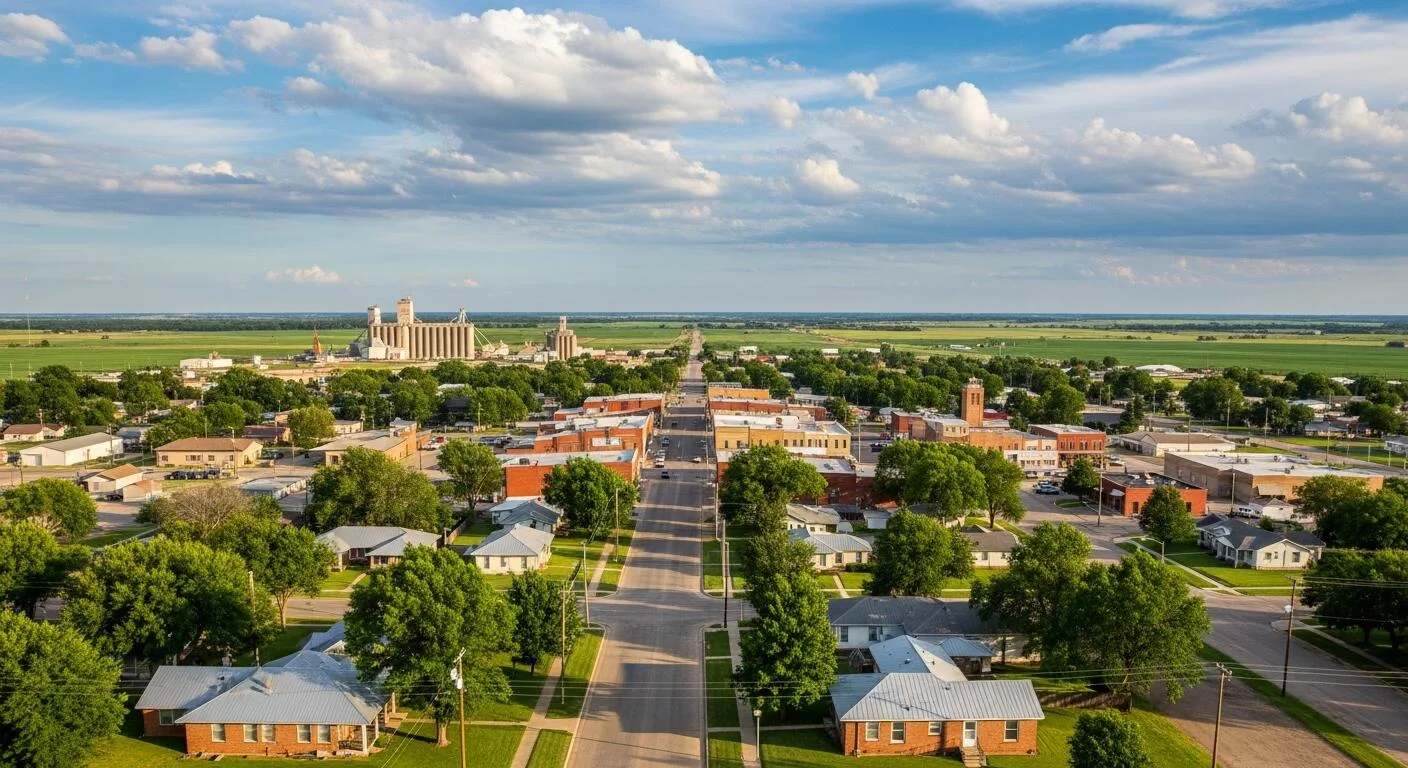
You wake up to the sound of running water in the basement, or you smell smoke long after the kitchen fire was put out. In Blackwell, those moments turn into full property emergencies fast - especially when Chikaskia River flooding, aging plumbing, or an Oklahoma storm front is involved.
Restoration work covers far more than mopping up. It means drying structures down to the framing, decontaminating what sewage touched, removing soot residue from every surface, and stopping mold before it colonizes wall cavities.
- Water Damage Restoration - extraction, structural drying, moisture mapping after pipe bursts, appliance failures, and roof leaks
- Flooded Basement - pump-out, sump failure response, and drying of below-grade rooms and crawl spaces
- Sewage Cleanup - black-water removal, septic and toilet overflow decontamination, odor treatment
- Fire Damage Restoration - debris removal, board-up, structural cleaning after kitchen, electrical, and house fires
- Smoke Damage Restoration - soot removal from walls, HVAC systems, contents, and textiles
- Mold Removal - containment, affected material removal, and treatment of humid problem areas
The benefit for Blackwell homeowners is simple: faster stabilization means less material lost, cleaner insurance documentation, and a shorter road back to normal.
Common Damage Restoration Issues in Blackwell, Oklahoma
Kay County weather swings hard, and Blackwell properties absorb the consequences. Heavy spring rain has pushed water through neighborhoods here before, with streets and yards flooding within hours of a stalled storm cell.
Local Causes We Respond To Most
- Flash flooding and river rise - saturated ground sends water into basements, crawl spaces, and attached garages
- Frozen and burst pipes - uninsulated lines in older homes split during January cold snaps
- Sewer backups - overwhelmed municipal lines and rural septic systems push waste back through floor drains
- Storm-driven roof damage - hail and straight-line wind open the envelope, letting water into ceilings and insulation
- Kitchen and electrical fires - older wiring, space heaters, and grease fires in homes built before modern codes
- Grass and wildfire smoke - dry-season burns push smoke odor into HVAC systems even when the structure is untouched
Warning Signs Worth Acting On
- Musty odor in a basement, closet, or under a sink that never fully clears
- Discolored rings on drywall, ceiling tiles, or baseboard trim
- Flooring that cups, buckles, or feels soft underfoot
- Gurgling drains or slow toilets - often the first sign of a coming backup
- Smoke smell returning on humid days after a fire was cleaned
- Visible mold spotting on cold exterior walls or around window frames
Neighborhoods We Serve in Blackwell
Crews cover the full Blackwell footprint plus the surrounding Kay County communities.
- Downtown Blackwell and the historic Main Street district
- Older residential blocks north and east of the city center
- Newer subdivisions along the south side near the highway corridor
- Properties near Blackwell Municipal Golf Course and the city park areas
- Homes and acreages along the Chikaskia River bottoms
- Rural properties on septic systems outside city limits
We also respond throughout the broader region, including Tonkawa, Ponca City, Newkirk, Braman, Medford, and Nardin. Rural addresses often sit farther from municipal services, which makes on-site pumping, generator power, and septic-related cleanup a regular part of the work out here.
Seasonal Damage Patterns in Blackwell
Winter (December - February)
- Burst supply lines in crawl spaces, garages, and unheated additions
- Ice dams and roof leaks after freeze-thaw cycles
- Heating-related fires from furnaces, fireplaces, and portable heaters
Spring (March - May)
- Peak season for flooded basements and storm water intrusion
- Hail and wind damage that opens roofs to rain
- Sewer backups when heavy rain overloads collection lines
Summer (June - August)
- Mold growth accelerates in humid, poorly ventilated basements and crawl spaces
- AC condensate line clogs causing hidden ceiling and wall damage
- Grass fire smoke odor during dry, windy stretches
Fall (September - November)
- Remnant tropical moisture and late-season downpours
- First furnace cycles revealing smoke and soot problems
- Pre-freeze plumbing failures as temperatures start dropping overnight
Housing Characteristics & Restoration Considerations
Blackwell's housing stock skews older than the Oklahoma average, with a large share of homes built between the 1920s and 1970s during the town's smelter and oil-era growth. That history shapes nearly every restoration decision made on site.
Construction Features That Affect the Work
- Plaster and lath walls - hold moisture longer than drywall and often need controlled drying rather than immediate removal
- Full basements and cellars - common in older Blackwell homes, and the first place flood water collects
- Pier-and-beam crawl spaces - poor ventilation makes them prime mold territory after any water event
- Cast iron and galvanized drain lines - corrode and collapse, causing repeat sewage backups
- Knob-and-tube or early wiring - raises electrical fire risk and requires care during demolition
- Original hardwood over subfloor - salvageable with fast extraction, lost with delay
How We Adjust
- Test for asbestos and lead-containing materials before disturbing pre-1980 surfaces
- Use moisture meters and thermal imaging to find water trapped behind plaster
- Set containment before mold or soot removal so contamination stays in one zone
- Clean ductwork in older forced-air systems where soot and spores collect
- Document material condition thoroughly for insurance review
Manufactured homes and newer slab-on-grade builds around Blackwell bring their own challenges - trapped moisture under vinyl plank flooring and wet insulation in belly wrap both demand targeted drying.
Environmental Conditions & Damage Implications
North-central Oklahoma delivers hot, humid summers and cold, dry winters, with violent transitional seasons in between. Those extremes drive both the damage and the drying strategy.
Climate and Moisture
- Summer humidity regularly pushes indoor moisture past the point where mold colonizes within days
- Annual rainfall arrives in concentrated bursts, overwhelming drainage rather than soaking in gradually
- Winter dryness helps structural drying but hides slow leaks until spring
Soil and Drainage
- Clay-heavy soils around Blackwell expand when wet and shrink when dry, stressing foundations
- Poor percolation keeps water sitting against basement walls after storms
- Foundation cracks from soil movement become direct water entry points
- Rural septic drain fields saturate quickly in clay, leading to backups into the home
Air and Water Quality Factors
- Blackwell's industrial history means older sites can carry soil contamination concerns during excavation-adjacent work
- Hard mineral-rich water accelerates corrosion in supply lines and water heaters
- Prairie dust and agricultural particulate load HVAC filters, compounding smoke odor problems after a fire
Each of these conditions changes the plan - dehumidifier sizing, containment scope, antimicrobial selection, and how long equipment stays running before a structure reads dry.
Responding to Flash Flooding and Sewage Backups Along the Chikaskia
Blackwell has watched water rise fast. Residents have documented neighborhood flooding that went from wet streets to standing water in a matter of hours. When that happens, water damage and sewage contamination arrive together - and the response has to treat both.
What Makes Flood Water Different
- Storm water carries soil bacteria, fertilizer runoff, fuel residue, and animal waste
- Sewer systems under load push contaminated water back through floor drains and tubs
- Category 3 black water contaminates porous materials permanently - carpet pad, drywall, and insulation come out
- Standing water in a basement can compromise the electrical panel and water heater
The Response Sequence
- Safety check - confirm power status, gas, and structural stability before entry
- Extraction and pump-out - remove standing water with truck-mounted or portable equipment
- Contaminated material removal - cut out saturated drywall and insulation to a clean line
- Cleaning and disinfection - treat all remaining surfaces with EPA-registered antimicrobials
- Structural drying - place air movers and dehumidifiers, then monitor moisture readings daily
- Odor neutralization - address residual sewage smell in subfloor, joists, and ductwork
- Mold prevention - verify dry standards are met before any rebuild begins
What Homeowners Can Do Before Crews Arrive
- Stay out of contaminated standing water - no exceptions for basements with active power
- Shut off water at the main if the source is a broken line
- Photograph everything from a safe distance for your claim
- Move undamaged contents upstairs or to a dry area
- Avoid running the HVAC system, which spreads spores and odor
Because major restoration companies serving this area can sit well over an hour away in Wichita or the OKC metro, local response speed matters. Getting extraction started the same day is the difference between drying a basement and gutting it.





