Damage Restoration in Kauai County, HI
- Damage Restoration Services Overview
- Common Damage Restoration Issues in Kauai County, Hawaii
- Neighborhoods We Serve in Kauai County
- Seasonal Damage Patterns in Kauai County
- Housing Characteristics & Restoration Considerations
- Environmental Conditions & Damage Implications
- The 60-Minute Response and Kauai's Compressed Mold Clock
Damage Restoration Services Overview
What happens to a Kauai home in the 48 hours after water starts moving through it? On an island where humidity rarely drops and rain can arrive by the inch, the answer is usually mold - unless a trained crew intervenes first.
Property damage on Kauai rarely stays in one category. A roof leak becomes a saturated wall cavity, then a mold colony. A kitchen fire leaves soot, water from suppression, and lingering odor. Restoration has to address all of it at once.
Services available across Kauai County include:
- Water Damage Restoration - extraction, structural drying, moisture mapping, and documentation under the ANSI/IICRC S500 standard
- Flooded Basement - pump-out and drying for below-grade rooms, crawl spaces, garages, and sunken living areas
- Sewage Cleanup - Category 3 black water response, including septic backups and cesspool overflow
- Fire Damage Restoration - stabilization, debris removal, cleaning of salvageable materials, and reconstruction
- Smoke Damage Restoration - soot removal, HVAC cleaning, and odor treatment for smoke that travels well beyond the burn area
- Mold Removal - containment, controlled removal, and drying the structure back below the EPA's 60 percent humidity threshold
Benefits for island residents come down to speed and continuity: an on-island licensed crew, insurance billed directly, and one company holding the job from extraction through rebuild.
Common Damage Restoration Issues in Kauai County, Hawaii
Kauai is one of the wettest, most humid places in the country. That single fact shortens the 24 to 48 hour window the IICRC and EPA both flag before wet materials begin growing mold.
Local drivers of damage include:
- Tropical cyclones and heavy rain events - wind-driven rain through louvers, jalousies, and roof penetrations
- Flash flooding in stream-adjacent areas of the North Shore and East Side, carrying Category 3 storm water into living space
- High surf and wave events pushing saltwater into shoreline properties and crawl spaces
- Septic and cesspool systems that surcharge during saturated ground conditions, producing sewage backups
- Wildfire on dry leeward slopes, leaving smoke and ash damage far from the flames
- Slow plumbing failures - supply lines, water heaters, and washing machine hoses that go unnoticed in vacation rentals and second homes
Warning signs worth acting on immediately:
- A musty smell that returns after the windows are closed
- Cupping or darkening at the base of baseboards and door casings
- Paint bubbling, drywall staining, or ceiling tape lifting
- Bathroom or laundry drains that gurgle or drain slowly
- Visible growth on closet walls, behind furniture, or on leather and fabric
- Soot film on window glass or a persistent smoke odor weeks after a fire
Category 1 clean water degrades to Category 2 or 3 the longer it sits, so a minor supply-line leak left through a weekend becomes a contaminated cleanup.
Neighborhoods We Serve in Kauai County
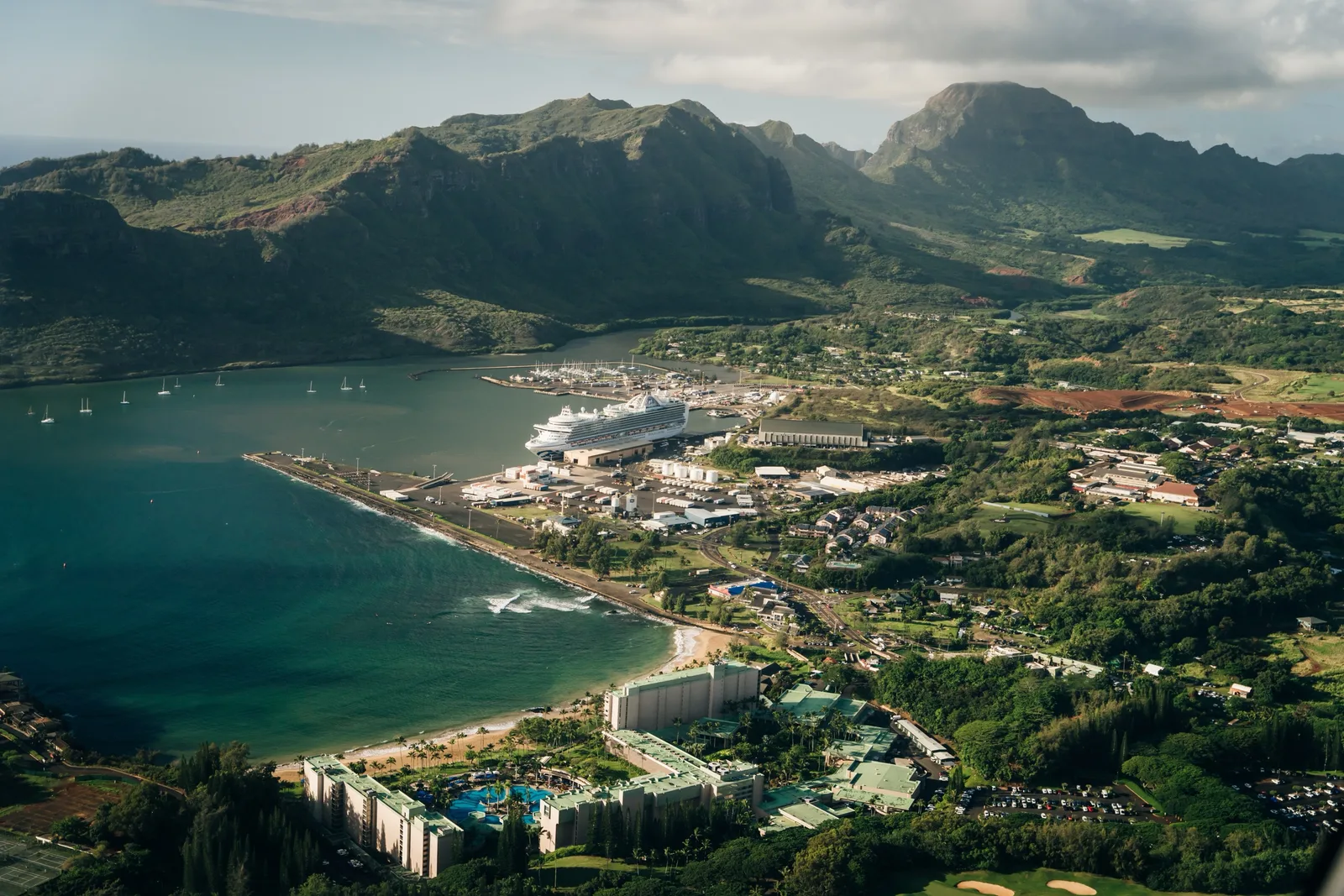
Crews respond island-wide, from the Lihue core out to the end of the road in both directions.
- East Side: Lihue, Puhi, Hanamaulu, Wailua, Kapaa, Kealia, Anahola
- North Shore: Kilauea, Princeville, Hanalei, Wainiha, Haena, Anini
- South Shore: Koloa, Poipu, Lawai, Omao, Kalaheo
- West Side: Eleele, Hanapepe, Kaumakani, Waimea, Kekaha, Mana
- Upland and interior: Kalaheo ridge, Wailua Homesteads, Kapahi, Kokee-area properties
Service covers single-family homes, condominium units, plantation cottages, vacation rentals, restaurants, and small commercial buildings. Familiarity with narrow access roads, one-lane bridges on the North Shore, and stream crossings matters when equipment has to reach a job quickly - and it is part of why an on-island crew reaches most addresses within about 60 minutes.
Seasonal Damage Patterns in Kauai County
- November through March (wet season): peak water damage restoration and flooded basement calls. Kona lows and frontal systems stall over the island, saturating soil and overwhelming drains. Sewage cleanup requests rise as septic systems and cesspools sit in waterlogged ground.
- June through November (hurricane season): tropical cyclone risk. Roof loss, wind-driven rain, and multi-room saturation. Mold removal demand spikes two to four weeks after any major storm.
- Year-round high humidity: mold growth never truly pauses. Closed-up vacation rentals and unoccupied homes are frequent discovery sites.
- Summer into early fall (dry leeward months): brush and wildfire risk on the West Side and lower slopes. Smoke damage restoration calls extend to homes that never saw flame.
- Winter holidays and peak visitor months: heavier occupancy stresses plumbing and increases kitchen fire incidents in rentals.
- Winter high surf: saltwater intrusion at shoreline properties, requiring specialized rinsing and corrosion control.
Recognizing the pattern helps homeowners schedule roof checks, drain clearing, and moisture inspections before the season that will test them.
Housing Characteristics & Restoration Considerations
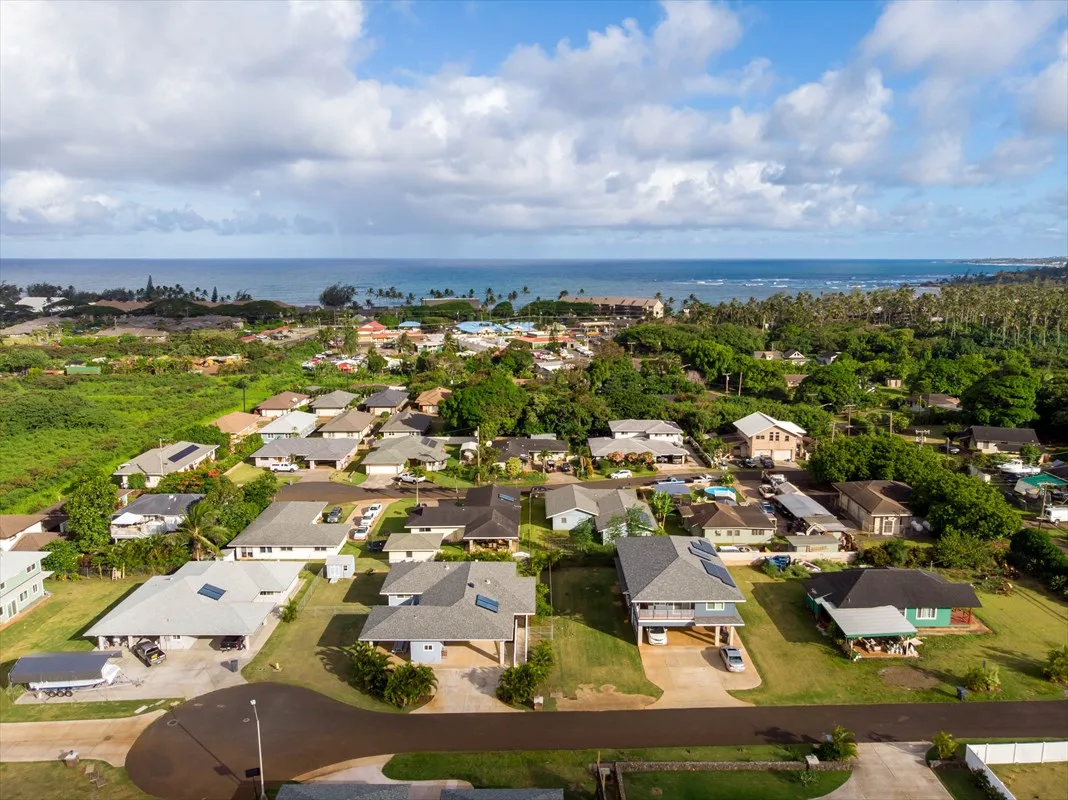
Kauai's housing stock spans century-old plantation cottages to recent resort-area construction. Each type responds to water and fire differently.
Common construction types
- Single-wall plantation cottages - vertical board walls with no cavity or insulation. Water travels fast but also dries relatively quickly once the source is stopped.
- Post-and-pier homes - raised floors over ventilated crawl spaces. Moisture accumulates underneath and pushes upward into subfloors.
- Double-wall framed homes - insulated cavities that trap water behind drywall, the most common hidden mold scenario.
- Concrete slab and CMU construction - common in newer South Shore and resort builds. Slabs wick moisture and hold it long after surfaces feel dry.
- Multi-level and hillside homes with lower-level rooms that function as basements and flood from groundwater rather than plumbing.
How that shapes the work
- Moisture meters and thermal imaging locate water inside cavities before any demolition begins.
- Older homes may contain asbestos-bearing materials or lead paint, requiring testing before removal.
- Termite-weakened framing found during fire or water work often needs structural repair as part of the rebuild.
- Slab and CMU assemblies need extended drying time with targeted airflow and dehumidification.
- Condominium and vacation-rental jobs require coordination with associations, managers, and owners who may live off-island.
Environmental Conditions & Damage Implications
Kauai's climate is the single biggest variable in every restoration job here. Ambient humidity often sits above the EPA's 60 percent mold threshold before a drop of water is spilled.
Conditions that drive damage
- Extreme rainfall gradients - Mount Waialeale is among the wettest spots on earth, while Mana stays arid. Two homes 15 miles apart face different risks.
- Persistent trade-wind humidity - passive ventilation alone rarely dries a structure; mechanical dehumidification is required.
- Salt aerosol - accelerates corrosion of fasteners, electrical components, and HVAC coils after any water event near the coast.
- Volcanic clay soils - low permeability means yard runoff pools against foundations instead of draining, feeding lower-level flooding.
- Stream and ditch systems - historic plantation irrigation channels can redirect stormwater into unexpected places.
- Vog and wildfire smoke - degrade indoor air quality and complicate odor assessment after fire events.
What that means for the process
Drying targets have to be verified with data, not judged by touch. Crews log temperature, relative humidity, and material moisture content daily until readings hold at dry-standard values.
Sewage cleanup carries added weight here because runoff and groundwater interact with septic and cesspool systems. Category 3 water demands containment, removal of porous materials, antimicrobial treatment, and clearance verification before rebuilding starts.
The 60-Minute Response and Kauai's Compressed Mold Clock
Water damage restoration on Kauai comes down to speed. The IICRC S500 standard and the EPA both flag a 24 to 48 hour window before wet materials start growing mold - and island humidity shortens it further.
An on-island crew arriving within about 60 minutes changes the outcome of a job more than any single piece of equipment.
What happens on arrival
- Source control - stop the water, isolate plumbing, or tarp and stabilize storm-damaged roofing.
- Water classification under S500 - Category 1 clean, Category 2 gray, or Category 3 black water, which determines what can be saved and what must go.
- Extraction of standing water with truck-mounted and portable units.
- Moisture mapping using meters and thermal imaging to find water inside walls, under flooring, and in ceiling cavities.
- Controlled demolition only where materials cannot be dried or are contaminated.
- Structural drying with air movers and dehumidifiers, pushing indoor humidity below 60 percent.
- Daily documentation of readings for the insurance file.
- Reconstruction - drywall, flooring, cabinetry, paint - handled by the same team.
Why local matters
- Equipment is already staged on-island; nothing waits on a barge or interisland flight.
- Crews know which North Shore roads flood and which South Shore neighborhoods sit on slab.
- Familiarity with County of Kauai permitting and the island's recovery framework keeps rebuild work moving after large-scale events.
- Relationships with local subcontractors, suppliers, and adjusters shorten every phase.
- Insurance billed directly, so homeowners are not fronting the cost of emergency mitigation.
Whether the call is a flooded lower level in Wailua, a sewage backup in Hanapepe, smoke damage in Kalaheo, or mold discovered behind a Princeville closet wall, the response follows the same principle: get on-site fast, document everything, dry it properly, and finish the rebuild under one roof.