
Damage Restoration in Lihue, HI
- Damage Restoration Services Overview
- Common Damage Restoration Issues in Lihue, Hawaii
- Neighborhoods We Serve in Lihue
- Seasonal Damage Patterns in Lihue
- Housing Characteristics & Restoration Considerations
- Environmental Conditions & Damage Implications
- The 24 to 48 Hour Window and Why On-Island Response Matters
Damage Restoration Services Overview
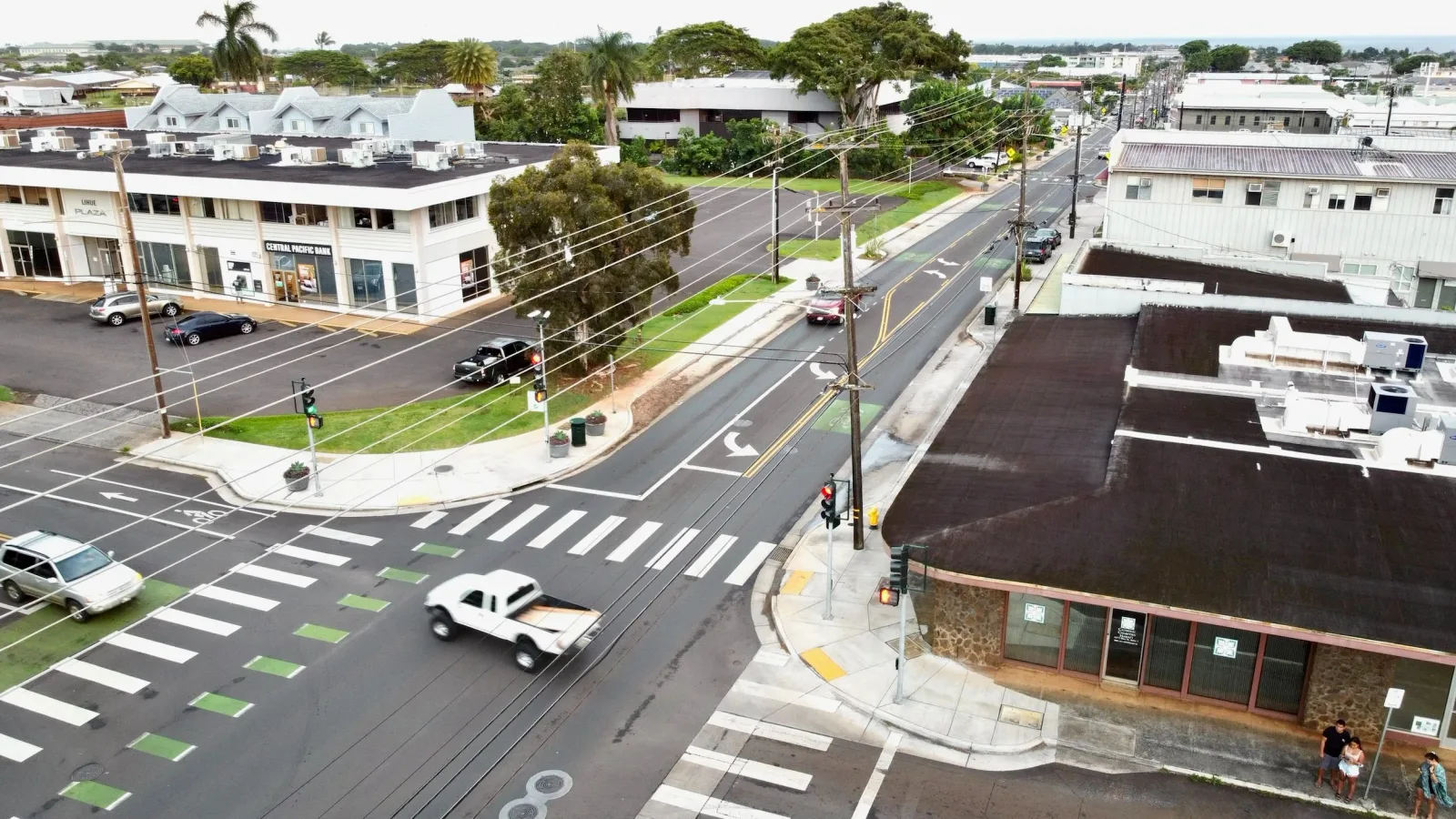
When water pours through a ceiling at 2 a.m. or smoke settles into every surface of a Lihue home, the fastest path back to normal is a trained crew already on island. Our team is headquartered in Lihue with technicians positioned island wide, so response begins immediately - not after a flight from Oahu.
We treat every project as if it were our own home, and we manage the full recovery in house from the first moisture reading through final reconstruction.
- Water Damage Restoration - emergency extraction, structural drying, moisture mapping and documentation for insurance
- Flooded Basement & Lower-Level Cleanup - pumping standing water from below-grade rooms, crawl spaces and sunken garages
- Sewage Cleanup - septic overflow and blackwater sanitation with containment, disinfection and safe material disposal
- Fire Damage Restoration - debris removal, soot cleaning, structural stabilization and rebuild
- Smoke Damage Restoration - odor neutralization, HVAC cleaning, contents care and surface deodorizing
- Mold Removal - inspection, containment, remediation and moisture-source correction
Benefits Lihue property owners see most: shorter drying windows, fewer surprises hidden behind walls, clear photo documentation for claims, and one accountable point of contact for the entire job.
Common Damage Restoration Issues in Lihue, Hawaii
Lihue sits where trade wind rain, tropical storm tracks and dense residential development meet - a combination that produces predictable damage patterns year after year.
Local Causes We Respond To
- Heavy rainfall events that overwhelm gutters, French drains and yard grading
- Wind-driven rain forced under eaves, through jalousie windows and around single-wall wall joints
- Roof damage from storm debris, followed by slow attic and ceiling saturation
- Failed water heaters, supply lines and washing machine hoses in older plumbing
- Septic system backups and saturated leach fields after prolonged rain
- Sheet-flow flooding into garages, ground-level units and below-grade storage rooms near Nawiliwili and the Puali Stream corridor
- Kitchen and electrical fires, plus smoke migration through open floor plans
Warning Signs Worth Acting On
- Musty odor that returns whenever the house is closed up
- Paint blistering, tape seams lifting or baseboards separating from walls
- Dark staining at ceiling corners or along exterior wall bottoms
- Slow drains, gurgling toilets or wet ground above a septic tank
- Soot film reappearing on walls weeks after a small fire
- Persistent smoke odor from HVAC vents or inside closets
Humidity here rarely drops enough for materials to dry on their own. What looks like a minor leak on Monday is often an active mold colony by the weekend, which is why early moisture readings matter more than visible dampness.
Neighborhoods We Serve in Lihue
Our Kapaia Road base puts crews minutes from most Lihue addresses, with island-wide coverage for outlying calls.
- Downtown Lihue, Rice Street and the civic center area
- Kapaia and Hanamaulu
- Puhi and the Kauai Community College vicinity
- Nawiliwili, Niumalu and the harbor district
- Kalapaki and adjacent resort and condominium properties
- Ahukini, Isenberg Tract and Wilcox neighborhoods
- Puakea and newer subdivisions above the highway
- Kilohana and Grove Farm agricultural parcels
Beyond town, we respond to Wailua, Kapaa, Koloa, Poipu, Kalaheo, Hanapepe, Waimea, Kilauea, Princeville and Hanalei - including rural residential properties on long private drives. Commercial work covers offices, restaurants, retail spaces, warehouses and multi-unit buildings throughout the district.
Seasonal Damage Patterns in Lihue
November through March - Wet Season
- Peak volume for water damage restoration and flooded lower levels
- Roof leaks and ceiling collapses following sustained downpours
- Septic overflow and sewage cleanup as ground saturation climbs
- Storm-driven water intrusion around windows and door thresholds
April through June - Transitional Months
- Mold removal calls surge as winter moisture trapped in walls finally reveals itself
- Musty odors reported in closets, under sinks and behind furniture
- Best window for moisture inspections before summer humidity locks in
July through September - Warm and Humid
- Condensation-driven mold growth around air conditioning units and ductwork
- Drier vegetation raising brush and structure fire risk in leeward areas
- Fire and smoke damage restoration from outdoor cooking and electrical loads
August through November - Hurricane Season
- Tropical systems bringing wind-driven rain and widespread flooding
- Multi-property response, emergency board-up and tarping
- Combined water, mold and structural work on a single property
Housing Characteristics & Restoration Considerations
Lihue housing spans plantation-era cottages, post-statehood tract homes, 1980s and 1990s subdivisions, resort condominiums and recent infill construction. Each type reacts differently to water, smoke and mold.
Older Plantation and Mid-Century Homes
- Single-wall construction with no cavity insulation - water travels fast along studs and sills
- Post-and-pier foundations that create damp, low-clearance crawl spaces
- Tongue-and-groove wood interiors that absorb smoke odor deeply
- Original plumbing and galvanized supply lines prone to pinhole failures
- Potential asbestos or lead-based materials requiring careful handling before demolition
Newer Subdivisions and Multi-Unit Buildings
- Slab-on-grade floors where moisture wicks under vinyl plank and tile
- Double-wall framing with insulation that holds water invisibly inside cavities
- Shared walls and ceilings that carry water and smoke between units
- Central HVAC that distributes soot and mold spores building wide
- Below-grade garages and storage rooms vulnerable to sheet-flow flooding
How This Shapes Our Approach
- Identify construction type and locate the moisture source before any equipment is set
- Map affected assemblies with meters and thermal imaging rather than guessing
- Remove only unsalvageable materials, protecting original woodwork where possible
- Set containment when mold, sewage or asbestos-suspect materials are present
- Dry to documented targets, then rebuild with materials suited to island humidity
Environmental Conditions & Damage Implications
Lihue's climate is the single biggest variable in every restoration plan we write. Warm temperatures and high relative humidity mean drying never happens passively.
Climate and Air
- Ambient humidity that regularly sits high enough to sustain mold growth without any leak at all
- Trade winds carrying salt aerosol that accelerates corrosion on fasteners, fixtures and metal framing
- Volcanic haze and smoke particulate that can complicate post-fire air quality
- Little seasonal dry-out period, so trapped moisture persists year round
Rainfall, Soil and Groundwater
- Substantial annual rainfall on the windward side of the island
- Clay-rich and volcanic soils that shed water rather than absorb it, pushing runoff toward foundations
- High water tables near Nawiliwili and stream corridors, limiting how fast lower levels dry
- Saturated leach fields that raise the risk of septic backup and blackwater intrusion
What This Means for Your Property
- Dehumidification carries more of the drying load here than air movement alone
- Sewage cleanup requires full disinfection because groundwater contact spreads contamination
- Smoke residue combines with salt and humidity, becoming acidic and staining faster
- Mold clearance depends on correcting the moisture source, not just removing growth
- Drying plans are adjusted daily around active rain to avoid reintroducing moisture
The 24 to 48 Hour Window and Why On-Island Response Matters
Industry standards recognize a narrow window between clean water intrusion and microbial growth. In Lihue's humidity, that window closes sooner. A crew already on Kauai can begin extraction while a mainland or neighbor-island team is still arranging logistics.
What Happens During the First Visit
- Safety check - electrical hazards, structural stability, contamination category
- Source control - stopping the active leak, backup or intrusion point
- Extraction - removing standing water from floors, crawl spaces and lower levels
- Moisture mapping - meters and thermal imaging to define the true affected area
- Containment - barriers and negative air where sewage, soot or mold is involved
- Equipment placement - air movers and commercial dehumidifiers sized to the space
- Documentation - photos, readings and scope notes for your insurance carrier
Standards We Work To
- Water damage categorized and classed before drying begins, with sewage handled as contaminated blackwater
- Daily moisture readings logged until materials reach documented dry standard
- Mold remediation performed under containment with HEPA filtration and post-remediation verification
- Fire and smoke work sequenced from structural cleaning through deodorization and sealing
- Contents inventoried, cleaned or documented as non-salvageable
Single-Source Recovery
Because mitigation, remediation and reconstruction are managed in house, there is no gap between drying out and building back. The same team that removed your saturated drywall installs the replacement, matching finishes common to Lihue homes. Available 24/7 from our Kapaia Road location, with crews island wide ready whenever disaster strikes.





