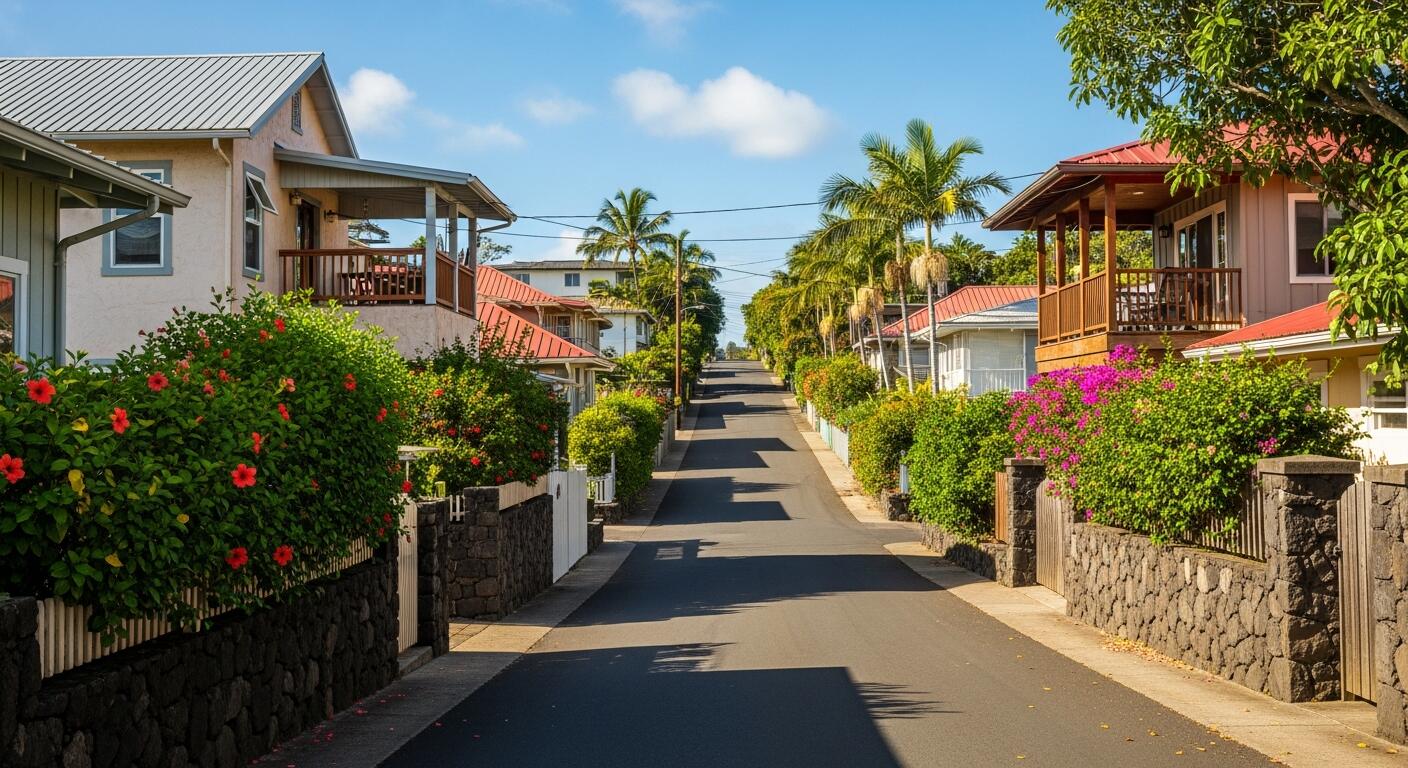
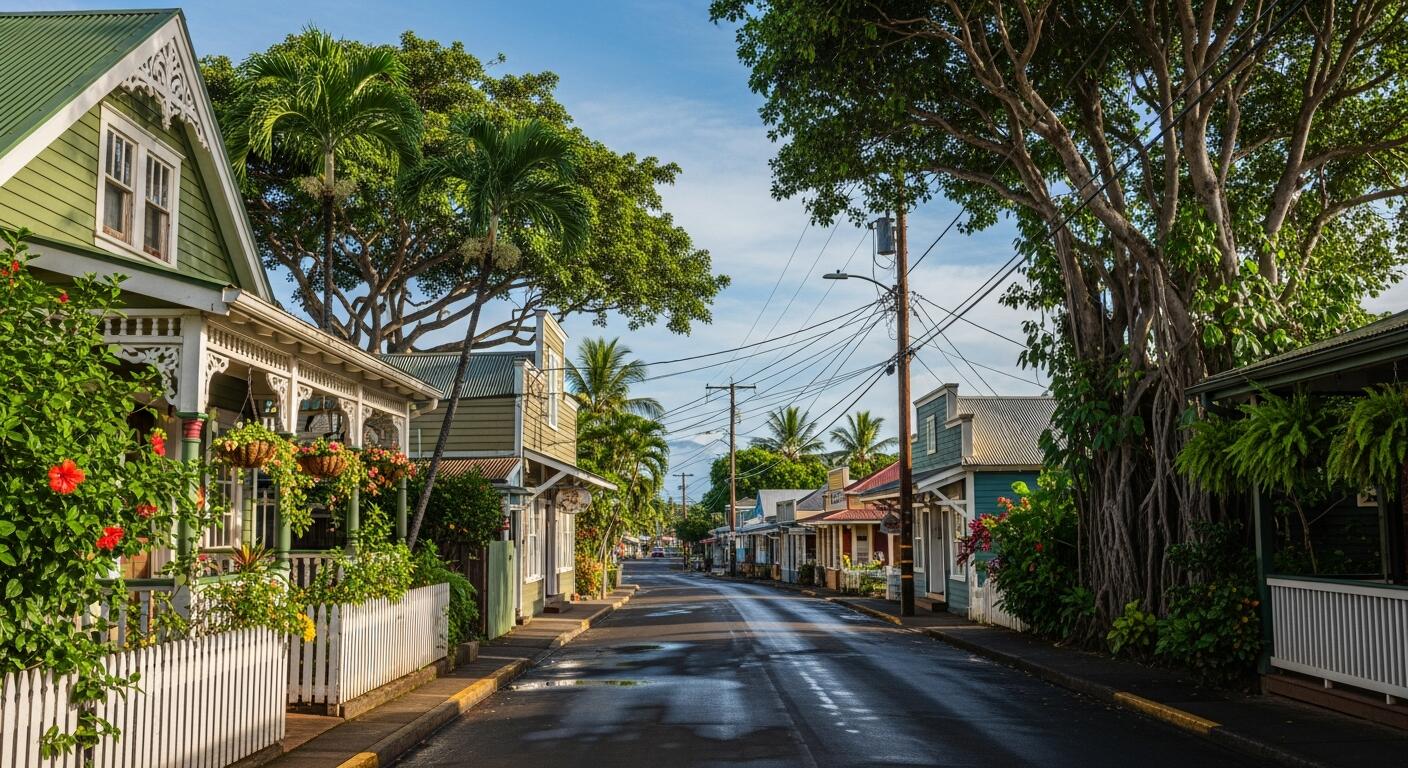
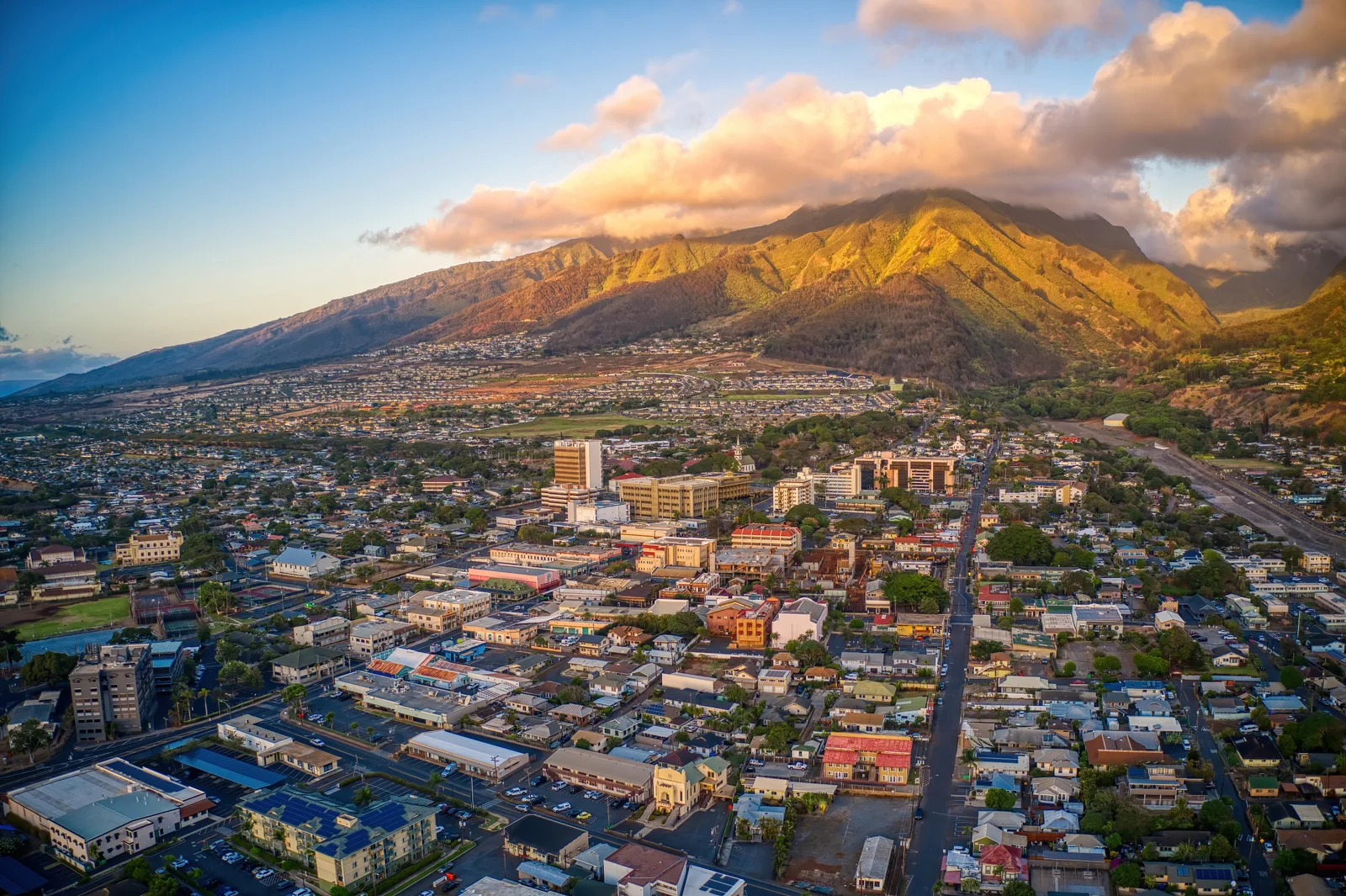
Damage Restoration in Maui, HI
Damage Restoration Services Overview
When disaster strikes your Maui home, professional damage restoration brings immediate peace of mind and protects your property investment. Island living presents unique challenges that require specialized expertise and rapid response.
Our comprehensive restoration services address the full spectrum of damage scenarios common to Maui properties:
- Water Damage Restoration - From burst pipes to storm flooding
- Flooded Basement - Ground-level and below-grade water intrusion
- Sewage Cleanup - Contaminated water emergencies requiring specialized protocols
- Fire Damage Restoration - Structural repair and content recovery
- Smoke Damage Restoration - Odor elimination and surface cleaning
- Mold Removal - Safe remediation in Hawaii's humid climate
Professional restoration prevents secondary damage that can multiply repair costs. Quick action within the first 24-48 hours makes the difference between minor repairs and major reconstruction.
Our island-based teams understand Maui's unique environmental factors - from trade wind patterns that spread smoke damage to high humidity that accelerates mold growth. This local knowledge allows us to implement targeted restoration strategies that address both immediate damage and long-term prevention.
Common Damage Restoration Issues in Maui, Hawaii
Maui's tropical environment and geographic location create specific restoration challenges that mainland techniques often can't address effectively. Understanding these local factors helps property owners recognize problems early.
Water-Related Damage Patterns:
- Flash flooding from sudden rainfall in valleys and low-lying areas
- Coastal storm surge affecting oceanfront properties
- High groundwater levels causing basement flooding in certain districts
- Aging infrastructure leading to sewage backups during heavy rains
Fire and Smoke Damage Triggers:
- Dry season brush fires spreading to residential areas
- Trade winds rapidly distributing smoke throughout structures
- Electrical issues from salt air corrosion
- Outdoor cooking fires during windy conditions
Mold Growth Accelerators:
- Year-round humidity levels above 60%
- Poor ventilation in older construction
- Hidden moisture from minor leaks in humid conditions
- Rapid spore development in warm temperatures
Early warning signs include musty odors, visible water stains, unusual humidity levels indoors, and persistent respiratory irritation among occupants.
Neighborhoods We Serve in Maui
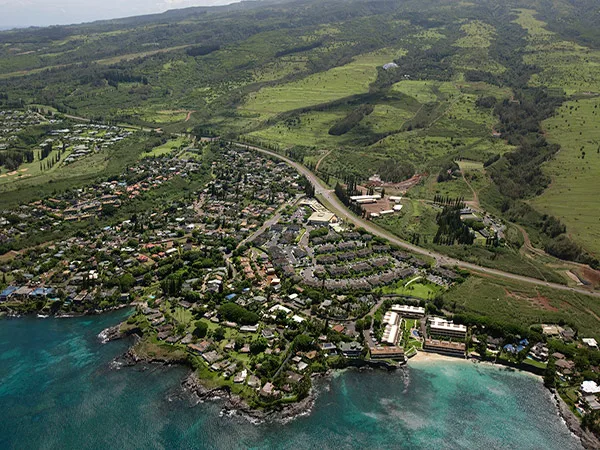
Our restoration teams provide 24/7 emergency response throughout Maui County, with specialized knowledge of each area's unique challenges.
Primary Service Areas:
- Central Maui: Kahului, Wailuku, Puunene
- South Maui: Kihei, Wailea, Makena
- West Maui: Lahaina, Kaanapali, Napili, Kapalua
- Upcountry: Makawao, Pukalani, Kula, Haleakala
- East Maui: Paia, Haiku, Hana
Extended Coverage:
- Molokai communities and resorts
- Lanai residential and commercial properties
- Remote agricultural areas and ranch properties
Each region presents distinct restoration considerations - from oceanfront salt damage in coastal areas to elevation-related moisture issues in upcountry locations. Our local expertise allows for targeted response strategies that address neighborhood-specific challenges effectively.
Seasonal Damage Patterns in Maui
Maui's tropical climate creates predictable damage patterns that help property owners prepare for seasonal risks and schedule preventive maintenance.
Winter Season (November - April):
- Peak rainfall increases water damage and flooding risks
- Higher humidity accelerates mold growth in closed structures
- Storm systems bring sewage backup potential
- Reduced ventilation leads to moisture accumulation
Summer Season (May - October):
- Dry conditions increase fire danger, especially in upcountry areas
- Trade wind patterns can rapidly spread smoke damage
- Hurricane season brings potential for severe water damage
- Increased tourism creates higher risk of accidental fires
Year-Round Considerations:
- Consistent humidity maintains mold growth potential
- Salt air continuously affects building materials
- Volcanic activity can impact air quality and require specialized cleaning
Understanding these seasonal patterns allows for proactive measures like improved ventilation during wet months and enhanced fire safety during dry periods.
Housing Characteristics & Restoration Considerations
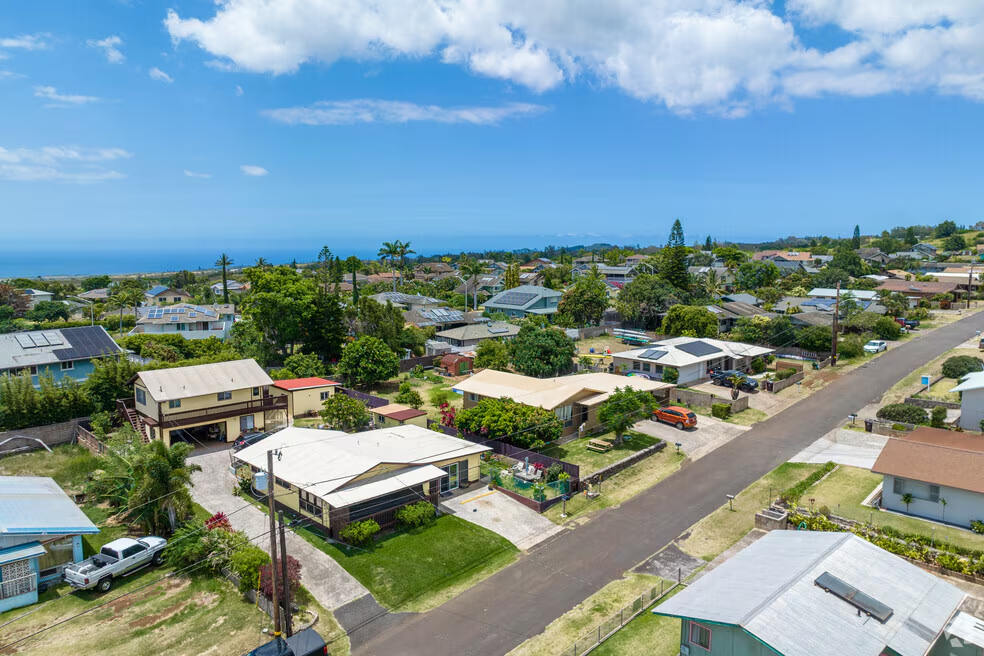
Maui's diverse housing stock reflects decades of construction evolution, each era presenting unique restoration challenges that require specialized approaches.
Construction Era Breakdown:
- Pre-1970 Homes: Single-wall construction, limited insulation, susceptible to moisture penetration
- 1970s-1990s: Concrete block construction, flat roofs prone to water intrusion
- Modern Construction: Enhanced building codes, better moisture barriers, improved fire resistance
Common Building Materials and Restoration Impacts:
- Concrete block walls require specialized water extraction techniques
- Single-wall construction allows rapid smoke penetration
- Tile roofing creates unique water entry points during storms
- Lanai and open-air designs increase exposure to environmental damage
Architectural Features Affecting Restoration:
- Post-and-beam construction complicates fire damage assessment
- Elevated foundations help with flooding but create access challenges
- Large windows and sliding doors increase water intrusion potential
- Open floor plans accelerate smoke distribution throughout structures
Understanding these construction characteristics allows restoration professionals to develop targeted strategies that work with, rather than against, local building methods and materials.
Environmental Conditions & Damage Implications
Maui's unique environmental conditions significantly influence how damage occurs, spreads, and requires remediation across different property types and locations.
Climate Factors Affecting Restoration:
- Average humidity of 65-75% accelerates mold growth within 24-48 hours
- Trade winds at 10-25 mph can spread fire and smoke damage rapidly
- Temperature range of 70-85°F creates ideal conditions for microbial growth
- Annual rainfall varying from 10 inches (leeward) to 400 inches (windward)
Soil and Water Conditions:
- Volcanic soil composition affects drainage and flooding patterns
- High groundwater tables in coastal areas increase basement flooding risk
- Saltwater intrusion affects both plumbing systems and restoration materials
- Coral-based soil in some areas creates unique foundation challenges
Air Quality Considerations:
- Vog (volcanic smog) requires specialized air filtration during restoration
- Salt air accelerates corrosion of metal components
- Dust from trade winds can complicate smoke damage cleanup
- Pollen and organic debris affect indoor air quality during restoration
These environmental factors require restoration protocols adapted specifically for island conditions, using materials and techniques that can withstand ongoing exposure to humidity, salt air, and temperature fluctuations.
Hurricane and Storm Damage Response in Maui
Maui's position in the Central Pacific makes it vulnerable to hurricanes and tropical storms that can cause catastrophic damage requiring immediate, coordinated restoration response. The island's isolation means that rapid action and local expertise become even more critical.
Hurricane Season Preparation and Response:
- Pre-storm property assessments identify vulnerable areas before damage occurs
- Emergency response teams position equipment and supplies ahead of predicted storms
- Post-storm rapid assessment protocols prioritize safety and prevent secondary damage
- Coordinated response with insurance adjusters speeds the restoration process
Storm Damage Restoration Priorities:
- Immediate water extraction to prevent structural damage and mold growth
- Emergency board-up services to secure compromised structures
- Sewage cleanup when storm surge overwhelms municipal systems
- Fire damage restoration when electrical systems fail during storms
- Comprehensive mold prevention in the high-humidity aftermath
Island-Specific Storm Challenges:
- Limited equipment and material availability requires pre-positioning
- Transportation disruptions can delay mainland support
- Power outages complicate drying and dehumidification efforts
- Multiple property damage creates resource competition
Professional storm damage restoration teams maintain 24/7 emergency response capabilities and pre-staged equipment specifically for rapid deployment during hurricane season. This preparation makes the difference between successful restoration and total property loss in Maui's challenging post-storm environment.