
Damage Restoration in Kapaa, HI
- Damage Restoration Services Overview
- Common Damage Restoration Issues in Kapaa, Hawaii
- Neighborhoods We Serve in Kapaa
- Seasonal Damage Patterns in Kapaa
- Housing Characteristics & Restoration Considerations
- Environmental Conditions & Damage Implications
- Why On-Island Response Time Decides the Outcome
Damage Restoration Services Overview
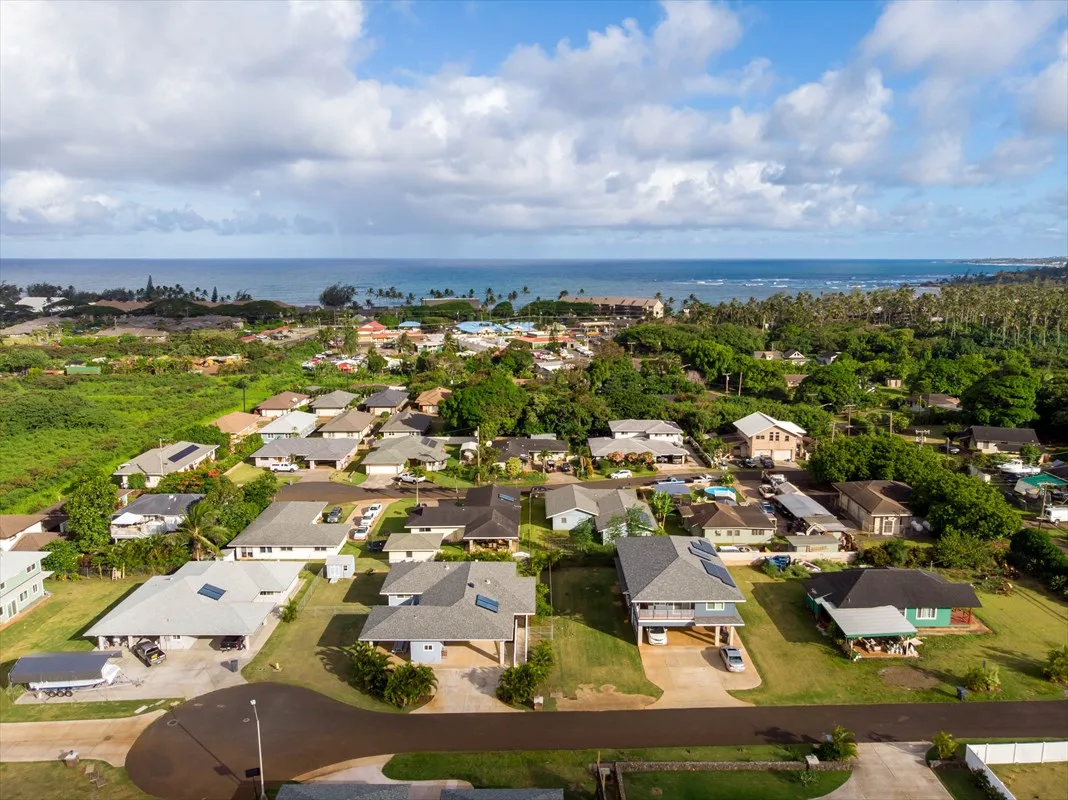
Water spreads through a Kapaa home in minutes, not hours. In a climate where indoor humidity regularly sits at or above 60 percent, the EPA's 24 to 48 hour window for mold growth shrinks fast - which is why the first phone call matters more than almost any decision that follows.
Restoration work on the east side of Kaua'i covers a connected group of services, and most jobs touch more than one:
- Water damage restoration - burst supply lines, failed water heaters, roof intrusion during heavy windward rain, and appliance overflows
- Flooded basement and lower-level cleanup - crawl spaces, sunken garages, ground-floor slabs, and daylight basements that collect runoff
- Sewage cleanup - septic backups, saturated leach fields, and Category 3 black water requiring containment and disinfection
- Fire damage restoration - structural cleanup, debris removal, and reconstruction after kitchen, electrical, or brush fires
- Smoke damage restoration - soot removal, odor neutralization, and cleaning of contents and HVAC systems
- Mold removal - containment, removal of affected materials, antimicrobial treatment, and humidity control
The benefit for Kapaa property owners is straightforward: a fast, on-island response that stabilizes the structure, documents everything for the insurance carrier, and dries materials thoroughly enough that a water loss never becomes a mold project.
Common Damage Restoration Issues in Kapaa, Hawaii
Kapaa sits on the windward east shore, downwind of one of the wettest places on Earth. Mount Waialeale, near the island's center, averages more than 450 inches of rain per year, and sustained trade-driven rain reaches the coastal towns from Kapaa north through Hanalei.
Local causes we respond to most
- Wind-driven rain entering through aging roof penetrations, jalousie windows, and lanai transitions
- Stream and drainage overflow along the Kapaa town corridor during heavy rain events
- Septic system backups after saturated soils stop accepting flow
- Slab and crawl space moisture from high water tables and volcanic clay soils that hold water
- Salt-air corrosion of plumbing fittings and water heaters, leading to sudden supply line failures
- Kitchen grease fires and electrical faults in older wiring, plus dry-season brush fire smoke intrusion
Warning signs worth acting on immediately
- A musty smell that returns after the house is closed up for a few hours
- Cupping or darkening at the edges of wood and laminate flooring
- Blistering or discolored drywall near baseboards, window frames, or ceiling seams
- Slow drains or gurgling fixtures - often the first sign of a failing septic field
- Soot film on walls near outlets, or a smoke odor that intensifies when the air conditioning runs
- Visible growth behind furniture on exterior walls, where air movement is lowest
Any of these signs on the east side deserves a moisture reading rather than a wait-and-see approach.
Neighborhoods We Serve in Kapaa
Crews work across Kapaa town and the surrounding east and north shore communities:
- Kapaa town and Old Kapaa - older plantation-era homes and mixed commercial buildings along Kuhio Highway
- Kapaa Homesteads and Olohena - upslope residential lots on clay soils with runoff and drainage concerns
- Wailua and Wailua Houselots - riverside and low-lying properties vulnerable to flood intrusion
- Waipouli and Kapaa Beach corridor - condominiums, vacation rentals, and beachfront structures exposed to salt air
- Kealia and Anahola - rural properties frequently served by septic systems
- Kawaihau, Keapana, and Kapahi - hillside homes with crawl spaces and post-and-pier foundations
Service also extends north toward Princeville, Kilauea, and Hanalei, and south to Lihue and Puhi. Being based on-island means response time is measured in minutes on the road, not in flights or barge schedules.
Seasonal Damage Patterns in Kapaa
Restoration demand on Kaua'i's east side follows a fairly predictable rhythm.
- November through March (wet season): peak flooding, roof intrusion, and lower-level water damage. Kona storms and stalled fronts deliver heavy, sustained rainfall. Septic backups spike once soils saturate.
- February through April: mold removal calls surge as materials that got wet in winter storms never fully dried. Warm temperatures plus lingering moisture accelerate growth behind walls and under flooring.
- May through July: steady trade-wind showers keep humidity high. This is prime season for hidden slow leaks, air conditioning condensate overflows, and crawl space moisture problems.
- June through November (hurricane season): tropical systems bring wind-driven rain, power surges, and the potential for large-scale flood and sewage events.
- July through September (drier stretch): brush and vegetation fires become more likely on leeward slopes, bringing smoke damage and odor complaints even to homes far from the flames.
- Year-round: appliance failures, water heater ruptures, and kitchen fires arrive on no schedule at all.
Housing Characteristics & Restoration Considerations
Kapaa's housing stock is a mix of plantation-era cottages, 1970s through 1990s subdivisions, and newer resort-adjacent condominiums and vacation rentals. Each type behaves differently when it gets wet.
Construction types and what they mean for restoration
- Single-wall plantation construction - board walls with no cavity insulation dry relatively fast but absorb odor and stain readily, making smoke and soot cleanup labor-intensive
- Post-and-pier homes - elevated floors help during flooding, but the crawl space beneath traps humidity and becomes a mold reservoir if not dried and ventilated
- Slab-on-grade construction - water travels laterally under flooring and wicks into base plates and drywall; often requires flood cuts and specialty drying mats
- Double-wall framed homes with drywall - insulation holds water invisibly, so cavity drying and interior moisture mapping are essential
- Multi-unit condos and vacation rentals - a single supply line failure can affect several units, requiring coordinated containment and multiple insurance claims
- Older galvanized and copper plumbing - accelerated corrosion in salt air raises the odds of a sudden burst line
Practical implications
- Older homes may contain asbestos-bearing materials or lead paint, so testing precedes demolition
- Rural properties on septic require sewage protocols distinct from municipal sewer backups
- Termite-damaged framing found during teardown often expands the scope of reconstruction
- Short-term rental owners need documentation that supports both insurance claims and reopening timelines
Environmental Conditions & Damage Implications
Kaua'i's environment shapes every drying plan. The Western Regional Climate Center describes Hawaii's climate as warm and maritime with persistently high relative humidity - conditions that work against natural evaporation.
Conditions that influence outcomes
- Ambient humidity - frequently at or above the 60 percent threshold the EPA flags, meaning open windows and fans alone rarely dry a structure
- Warm year-round temperatures - mold and bacteria colonize faster than in cooler mainland climates
- Heavy windward rainfall - drives repeat intrusion at the same roof and window details until the source is corrected
- Volcanic clay and lateritic soils - low permeability sends runoff toward foundations and slows septic drainage
- High water tables near Wailua and the coastal flats - contributes to persistent slab and crawl space moisture
- Salt-laden trade winds - corrode fasteners, HVAC coils, and plumbing, and combine with soot to etch surfaces after a fire
How that changes the work
- Closed drying systems with commercial dehumidification rather than open-window ventilation
- Continuous moisture and humidity monitoring until materials reach documented dry standard
- Antimicrobial treatment on Category 2 and 3 losses, given how quickly bacteria multiply in warm conditions
- HVAC and duct evaluation after fires, since salt air and soot residue combine into a persistent odor source
- Source repair - roof, flashing, plumbing, or drainage - written into the plan so the loss does not repeat
Why On-Island Response Time Decides the Outcome
The difference between a drying job and a rebuild is usually measured in hours. When a Kapaa homeowner called late one night about a burst supply line, an on-island crew arrived within the hour, extracted the water, set drying equipment, handled the insurance documentation, and finished before any mold could establish. That kind of response is the entire argument for working with a local Kaua'i team.
The three water categories under IICRC S500
- Category 1 - clean water: supply lines, water heaters, rainwater. Recoverable materials are common if drying starts quickly.
- Category 2 - gray water: washing machine discharge, dishwasher overflow, toilet overflow without solids. Carries contaminants and degrades toward Category 3 over time.
- Category 3 - black water: sewage, septic backups, and ground floodwater. Requires containment, protective equipment, disinfection, and removal of porous materials.
Category matters because it degrades with time. Clean water sitting in warm, humid Kapaa air becomes gray water, and gray becomes black. Delay does not simply extend a project - it changes what can be saved.
What happens on a first response
- Stop the source and make the area safe, including power and gas concerns
- Document conditions with photos, moisture readings, and a written scope for the insurance carrier
- Extract standing water and remove unsalvageable, contaminated materials
- Set containment where mold or sewage is involved to protect unaffected rooms
- Install dehumidification and air movement sized for the affected volume
- Monitor daily until materials meet dry standard, then move into repairs and reconstruction
For fire and smoke losses the sequence shifts toward soot removal, thermal deodorization, and contents cleaning - but the principle holds. Early, documented, methodical work on-island keeps a bad night from becoming a months-long project.





